
'Rabbit fever' explained as experts reveal why mowing the lawn could put you at risk

Three suspected cases of a rare bacterial disease known as ‘rabbit fever’ have been reported in Suffolk County, New York.
The highly infectious bacterial disease, known as tularemia, is a rare but serious infection that can infect both animals and people.
The Suffolk County Department of Health told ABC 7 New York: "SCDHS currently has three probable cases of tularemia this year.
“Confirmation of a tularemia diagnosis requires a combination of laboratory testing and fulfillment of specific clinical or epidemiologic criteria.”
Advert
The department outlined that the laboratory testing to confirm a tularemia diagnosis may take several weeks.
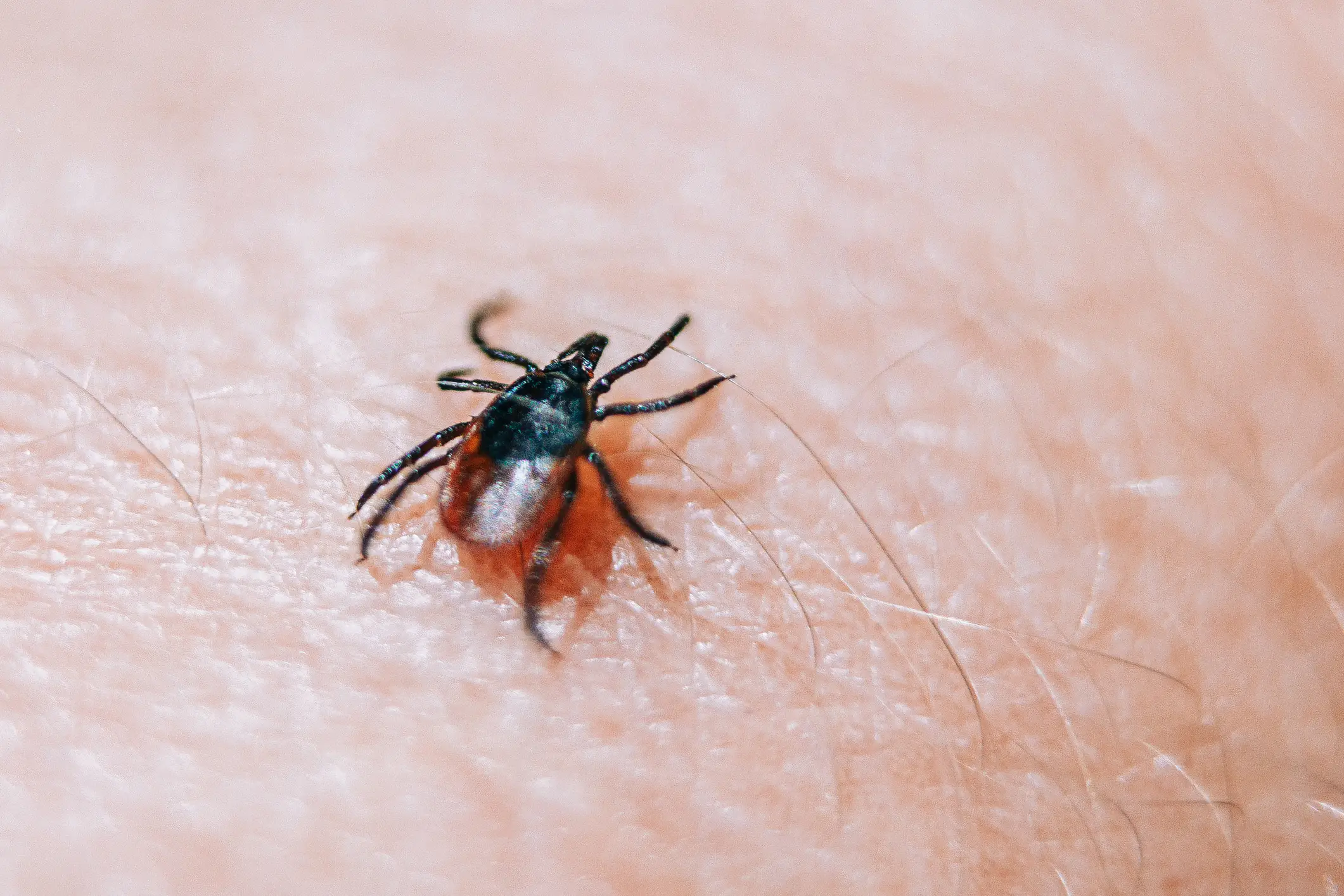
Tularemia, which is nicknamed ‘rabbit fever’, comes from the bacteria F. tularensis and spreads from infected animals to people through insect bites, animal tissues or bodily fluids, and contaminated food or water. However, it doesn’t spread person to person.
As per Cleveland Clinic, it’s rare, and there were fewer than 200 cases in the U.S. in 2023.
But CNN reports that as for Suffolk County, Long Island specifically, four cases were reported in 2024, three in 2023, and one in 2022.
The illness is more common during May through September, and while it can be treated with antibiotics, the infection can be life-threatening if left untreated.
Dr. William Schaffner, a professor of preventive medicine at Vanderbilt University Medical Center in Nashville, told ABC News: "It's often called rabbit fever because hunters who shoot rabbits and then skin and eviscerate them can become contaminated by that close contact with their tissues.”
The disease can also be spread by breathing in bacteria from agricultural dust or exposed tissues, such as if a lawnmower runs over an animal.
As reported by the New York Post, the CDC recommends wearing a mask while mowing the lawn and taking care not to mow over dead animals.
It’s also advised to check for ticks after being outside and properly remove them as soon as you can, wear insect repellent, wear gloves when handling sick or dead animals, as well as long sleeves and long socks outside.

What are the symptoms of ‘rabbit fever’?
The tularemia symptoms you experience can depend on what form you have and where it infects you. It can infect your lymph nodes, skin, eyes, throat, intestines, or lungs.
The most common symptoms that it generally causes are a fever and painfully swollen lymph nodes, which may appear a few days or up to two weeks after exposure.
As reported by Cleveland Clinic, most forms cause general symptoms, such as:
- Abdominal pain
- Fever
- Chills
- Headache
- Loss of appetite
- Muscle aches
- Nausea and vomiting
- Swollen lymph nodes
 Madison Burgess