
Urgent warning to anyone taking certain common medications ahead of weekend heatwave

Brits are being urged to take extra care this weekend as temperatures are expected to climb again across parts of the UK.
After days of unsettled conditions, forecasters have said warmer weather is on the way, with some areas set to feel a noticeable shift as high pressure moves in.
Reported by the Mirror, Met Office Deputy Chief Meteorologist Greg Wolverson said the incoming conditions are likely to bring ‘a drier and warmer weekend for many’.
He added: "Sunday looks set to be widely dry across the UK, with further sunshine and temperatures continuing to rise. Many western parts of the UK can expect maximum temperatures in the low 20s, with the warmest spots likely across southern England where temperatures may reach 23-24°C, bringing a notably warmer feel compared to earlier in the week."
Advert
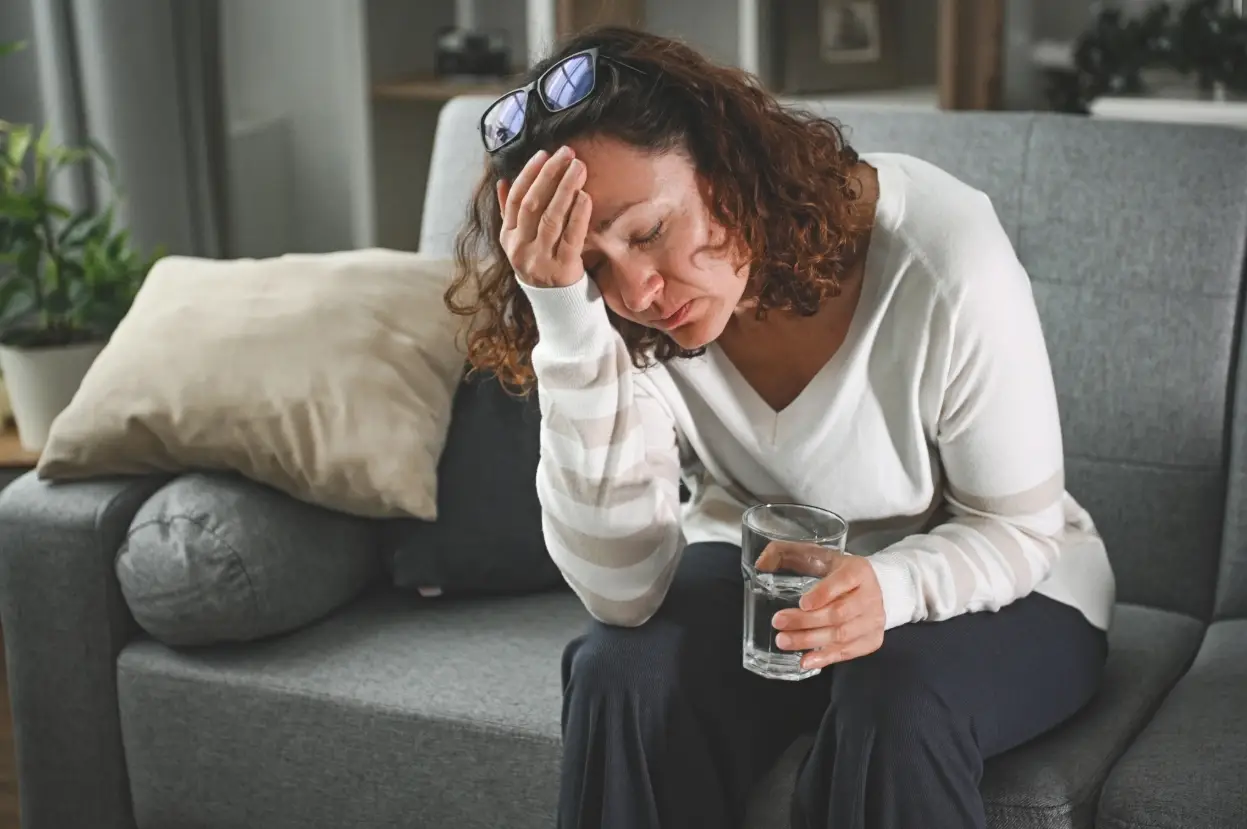
However, while many will be looking forward to the sunshine, doctors have warned that the heat could pose a particular risk to people taking several commonly prescribed medications.
Dr Hugh Coyne, a GP, has said some patients may find it more difficult to cope in hot weather because of the way their medication affects the body.
He said: "Several commonly prescribed medications can make it harder for the body to cope with hot weather."
Which medication can be affected?
The warning applies to five groups of medication, including anticholinergic drugs, antipsychotics and lithium, beta-blockers and calcium channel blockers, diuretics, and antidepressants or SSRIs.
Dr Coyne explained that some bladder medications and older antihistamines can reduce sweating, which is one of the body’s main ways of cooling itself down.
Antipsychotics and lithium can also be an issue in hot conditions, with Dr Coyne saying this type of medication ‘can affect the hypothalamus, the brain's temperature-control centre’.
Beta-blockers and calcium channel blockers, which are commonly prescribed for heart problems and anxiety, may also reduce the body’s ability to move heat to the surface of the skin.
Meanwhile, diuretics can increase the risk of dehydration, and antidepressants and SSRIs ‘can affect the pathways involved in thermoregulation.’
According to the warning, taking one of the medications may already make it harder to regulate body temperature. However, the risk can be greater for people taking more than one.
Dr Coyne said: "Heatwaves can create a 'perfect storm' for some patients. Dehydration can cause medications such as lithium and digoxin to reach potentially toxic levels in the bloodstream, even when doses haven't changed.”
"It's also worth noting that the strongest evidence for impaired temperature regulation relates to medications with a high anticholinergic burden, anti-Parkinson's drugs and non-selective beta-blockers."
He also noted that the evidence linking antidepressants and antipsychotics to heat intolerance is generally less robust.
However, doctors are stressing that patients should not simply stop taking prescribed medicine because of the hot weather.
Dr Coyne said: "The key message is not to stop or alter prescribed medication without medical advice."
He added: "Suddenly discontinuing treatment can carry significant health risks.
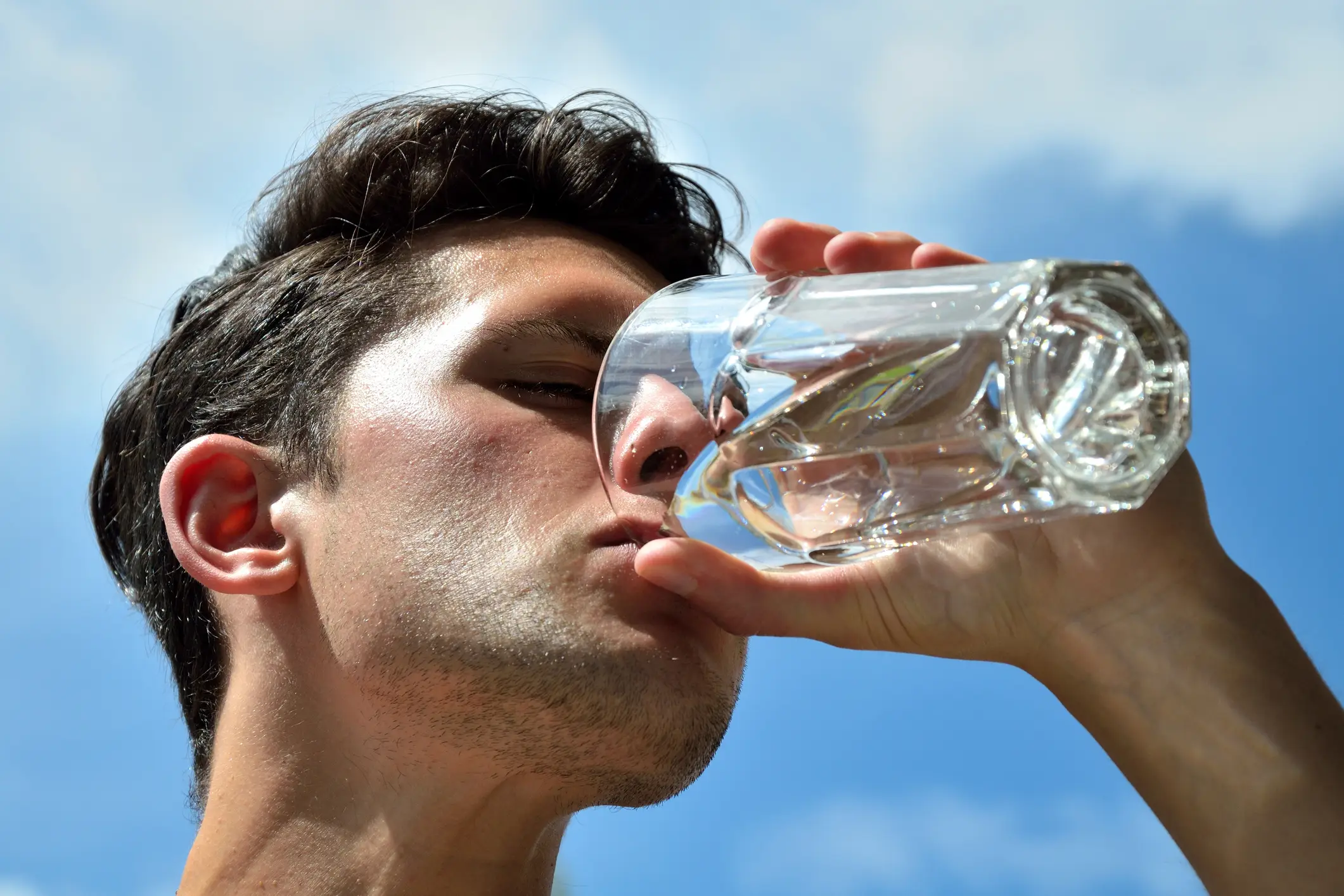
"Instead, focus on staying cool and well hydrated. Avoid prolonged exposure to the sun during the hottest part of the day, seek cooler indoor environments where possible, and drink fluids regularly rather than waiting until you feel thirsty."
Anyone worried about their medication during the heat should speak to a pharmacist or GP.
Advice from the NHS
With this upcoming heatwave weekend not being the first we’ve had in the UK, doctors at the NHS have, first and foremost, emphasised in the past that those on antidepressants and antipsychotics should not be tempted to avoid taking them.
That's because there are actually a number of ways that sufferers of these common mental illness' can take matters into their own hands, of which the NHS guidance advises:
- Using higher factor sunscreen when outdoors, or avoiding sunlight altogether
- Keeping their body temperature as low as possible, for example, by drinking lots of cold water
- Keeping curtains and windows closed at home to retain a cold atmosphere
- Wearing loose, light-coloured clothing made out of natural materials, including linen and cotton - as well as a hat when outdoors
- Avoiding strenuous physical activity
- Avoiding alcohol, which can contribute to increased body temperature
- Taking cool baths or showers
- Consulting with their doctors if they're considering coming off medication.
 Ben Williams