Heat stroke early warning signs explained as schools set to close ahead of rare red warning heatwave

With temperatures rising across parts of the UK and some schools taking measures to protect pupils during hot weather, parents are being urged to be aware of the warning signs of heat-related illness and heat stroke in children.
A whole load of schools have announced they will close for the next few days, with temperatures expected to hit record highs due to a 'heat dome' which could see highs of 40°C by Wednesday (24 June).
Many parents will no doubt be making sure their little ones drink enough water, have an electric fan nearby and are wearing light clothing, but Dr Simon Smail, GP and Out-of-Hours GP, exclusively explained to Tyla that they should also be clued up on what dehydration, heat exhaustion and heat stroke symptoms actually look like.

Advert
"Heat-related illness exists on a spectrum. At the milder end are dehydration and heat exhaustion, which are relatively common and usually respond well to cooling and fluids. At the more severe end is heat stroke, which is a medical emergency requiring urgent treatment," he said, adding that parents, carers and teachers should be aware of the early warning signs that a child is struggling with the heat.
Dehydration and heat exhaustion symptoms
Symptoms of dehydration and heat exhaustion can include:
- Excessive sweating
- Feeling unusually hot and uncomfortable
- Thirst or a dry mouth
- Headache
- Dizziness or light-headedness
- Nausea or vomiting
- Muscle cramps, particularly in the legs
- Weakness or fatigue
- Reduced energy levels
- Difficulty concentrating
- Looking pale or flushed
- Becoming unusually irritable or emotional
- Reduced urine output or dark-coloured urine
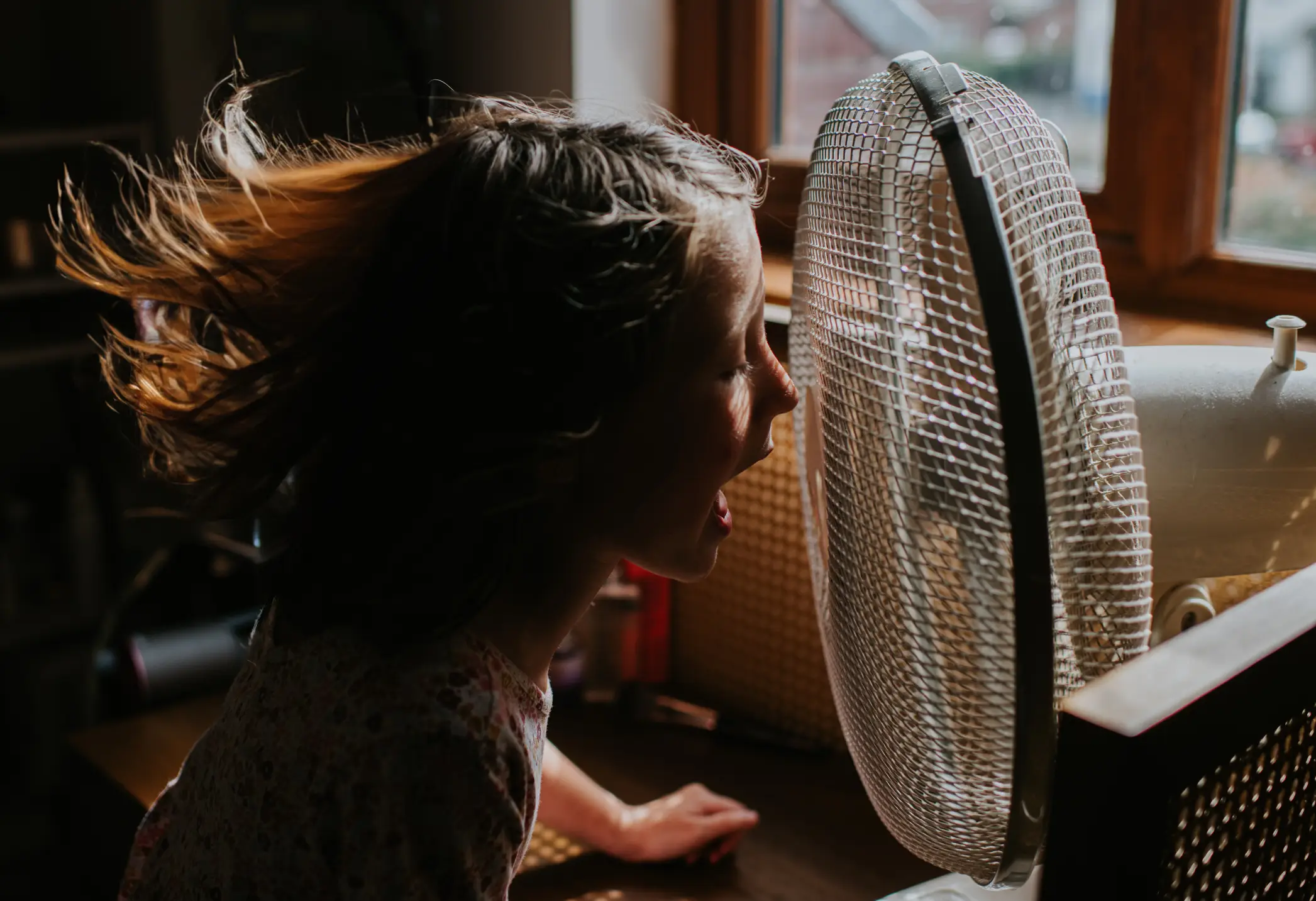
In younger children, Dr Simon explains that symptoms can be 'less obvious'.
"Parents may notice that a child is more clingy than usual, unusually sleepy, refusing food or drinks, less playful, more irritable, crying more than expected, or simply appearing 'not themselves'," he outlined.
Heat illness symptoms
As heat illness progresses, more concerning symptoms may develop, including:
- Persistent vomiting
- Inability to keep fluids down
- Severe lethargy
- Marked weakness
- Difficulty walking normally
- Increasing confusion
- Agitation or unusual behaviour
- Severe headache
- Rapid breathing
- A racing heart
- Dizziness that does not improve with rest
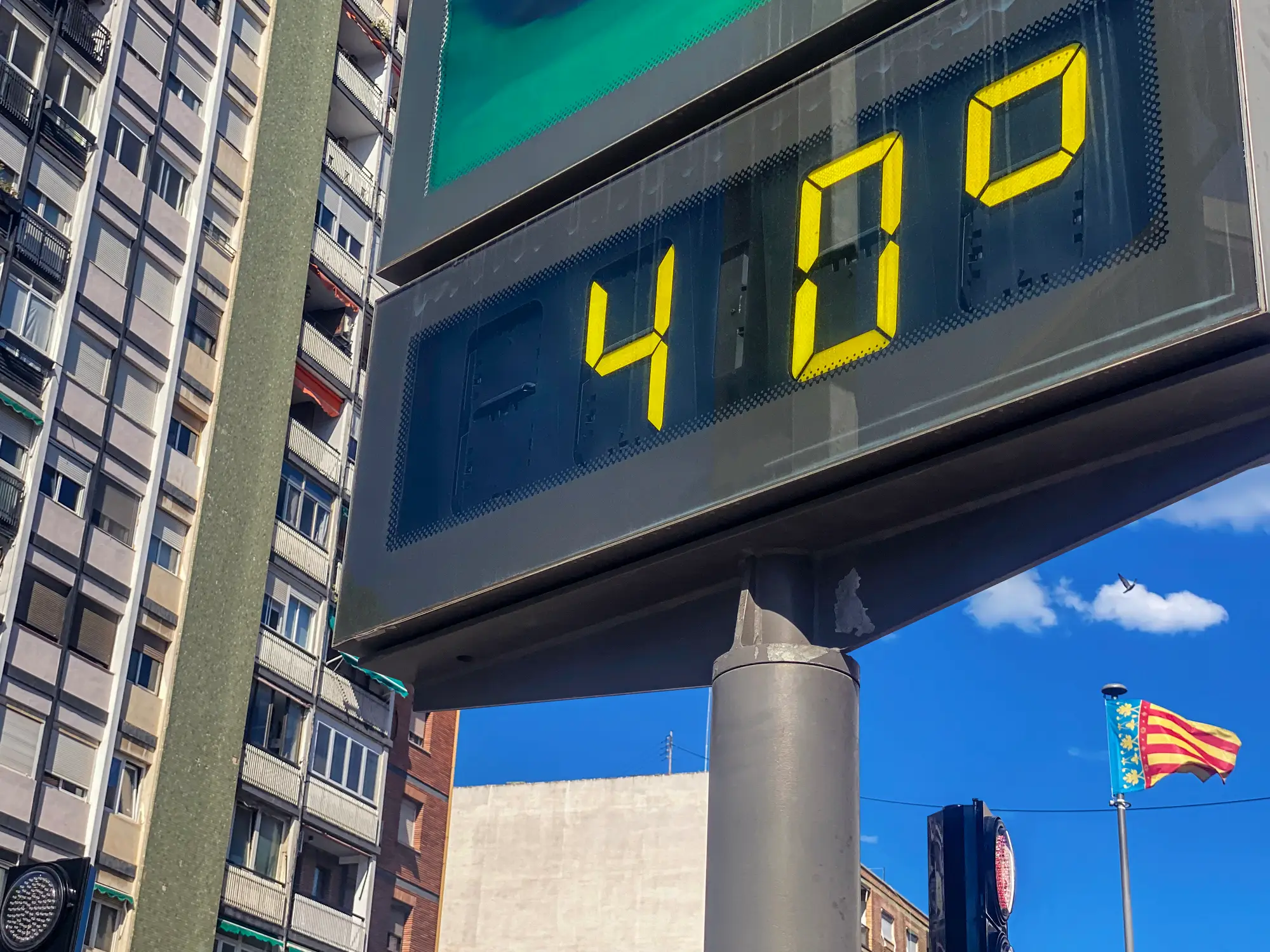 Brits could see highs of 40°C in parts of the country this week (Getty Stock Images)
Heat stroke symptoms
Heat exhaustion is common and usually improves with cooling and fluids, but heat stroke is different; it is a medical emergency.
Parents should be particularly alert for confusion, unusual behaviour, extreme drowsiness, collapse or seizures, as these are signs that urgent medical assessment is needed.
Key symptoms include:
- Confusion or disorientation
- Difficulty responding to questions
- Slurred speech
- Unusual or irrational behaviour
- Extreme drowsiness
- Collapse
- Loss of consciousness
- Seizures or fits
- Very high body temperature, often above 40°C
- Hot skin, which may be dry or may still be sweaty
- Signs of shock, including pallor, clammy skin and reduced responsiveness
"One of the most important messages for parents is that heat stroke does not simply mean feeling very hot," Dr Simon continues.
"The symptoms that concern doctors most are those suggesting the heat is beginning to affect the brain and nervous system. If a child becomes confused, is difficult to wake, collapses, has a seizure, or is behaving in a way that is clearly abnormal, urgent medical help should be sought immediately."
While waiting for emergency assistance, the doctor recommends moving the child to a cooler environment, removing excess clothing and beginning active cooling using cool water, damp towels, fans or other available cooling measures.
He carried on: "Fortunately, most heat-related illness can be prevented. Children should be encouraged to drink regularly throughout the day, wear lightweight and loose-fitting clothing, seek shade where possible, take breaks from strenuous activity, and avoid prolonged exertion during the hottest part of the day.
"Particular care should be taken with babies and young children, those with chronic medical conditions, and children taking medications that may affect hydration or temperature regulation."
Topics: Health, UK News, Weather, Parenting, Tyla Exclusive
 Rhiannon Ingle