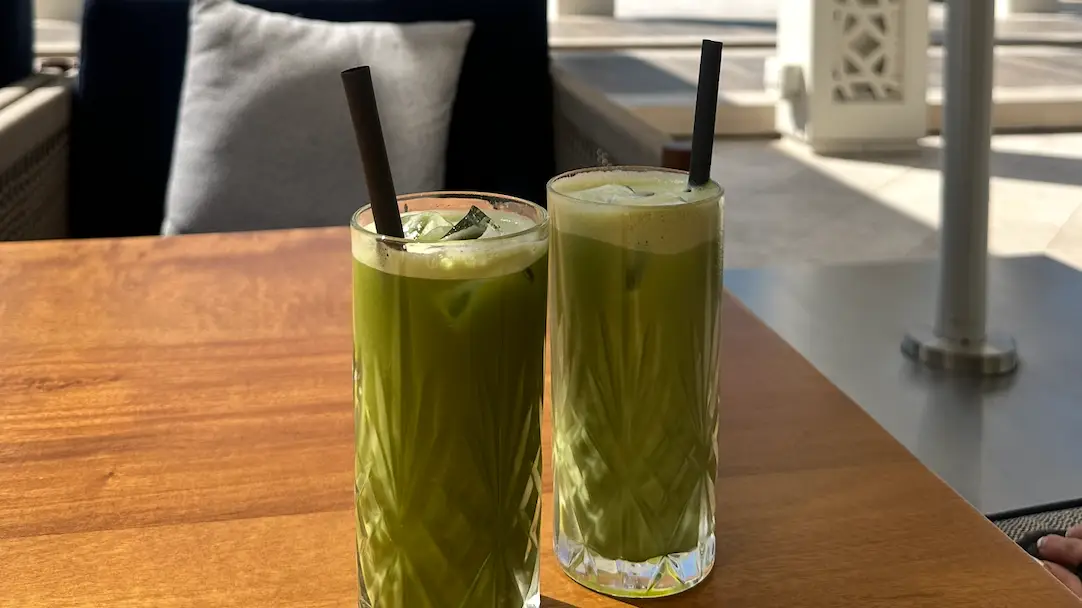
Pharmacist has warning for matcha drinkers over little-known effect it can have on your bodies

When you walk down any trendy street these days, you'll probably find a matcha pop-up or cafe.
There are stores dedicated to serving up the traditional green-coloured tea, with iced drinks with sweet flavours like strawberry and mango, warm lattes and establishments changing the game by making soft-serve matcha ice cream and other matcha-infused snacks.
But as the green drink continues to dominate our daily routines, growing attention is turning to one potential downside: its impact on iron absorption.
While the antioxidant-rich drink is celebrated for its health benefits, experts say its naturally high tannin content may reduce the body's ability to absorb non-haeme iron from plant-based foods. For most people, a daily matcha is unlikely to cause problems, but those following vegetarian or vegan diets, or anyone with low iron levels or anaemia, may want to be more mindful.
Advert
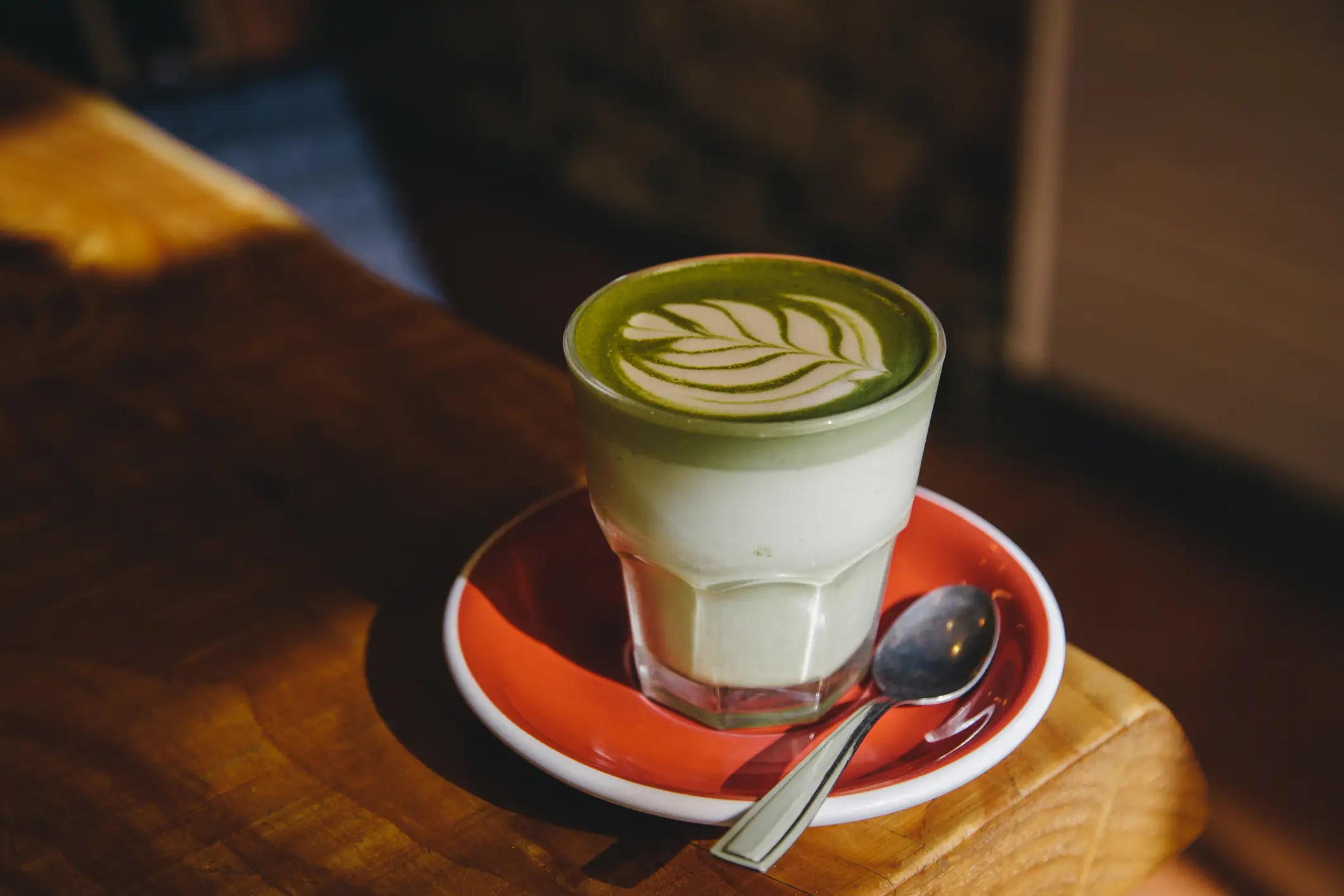
If a morning matcha is what gets you out of bed in the morning, then you may be at risk of a worrying side effect, according to health experts.
Due to the tannins it contains, consumers of the fine tea powder may begin suffering from low iron levels.
This is because tannins - a class of astringent, polyphenolic biomolecules - may stop our bodies from successfully absorbing iron.
The good news? Simple habits, like enjoying matcha between meals rather than alongside iron-rich foods and pairing those meals with vitamin C-rich ingredients, could help support healthy iron absorption.
Pupinder Ghatora, Pharmacist and Co-Founder and CEO of INGENIOUS, says the first step to improving iron levels is looking at what you're eating.
"Dietary intake is the first area to address when looking to improve iron levels," Ghatora tells Tyla. "Haeme iron, which is more readily absorbed, is found in red meat, liver and fish, particularly sardines. Non-haem iron sources include lentils, beans, spinach, tofu and pumpkin seeds, although absorption is typically lower.
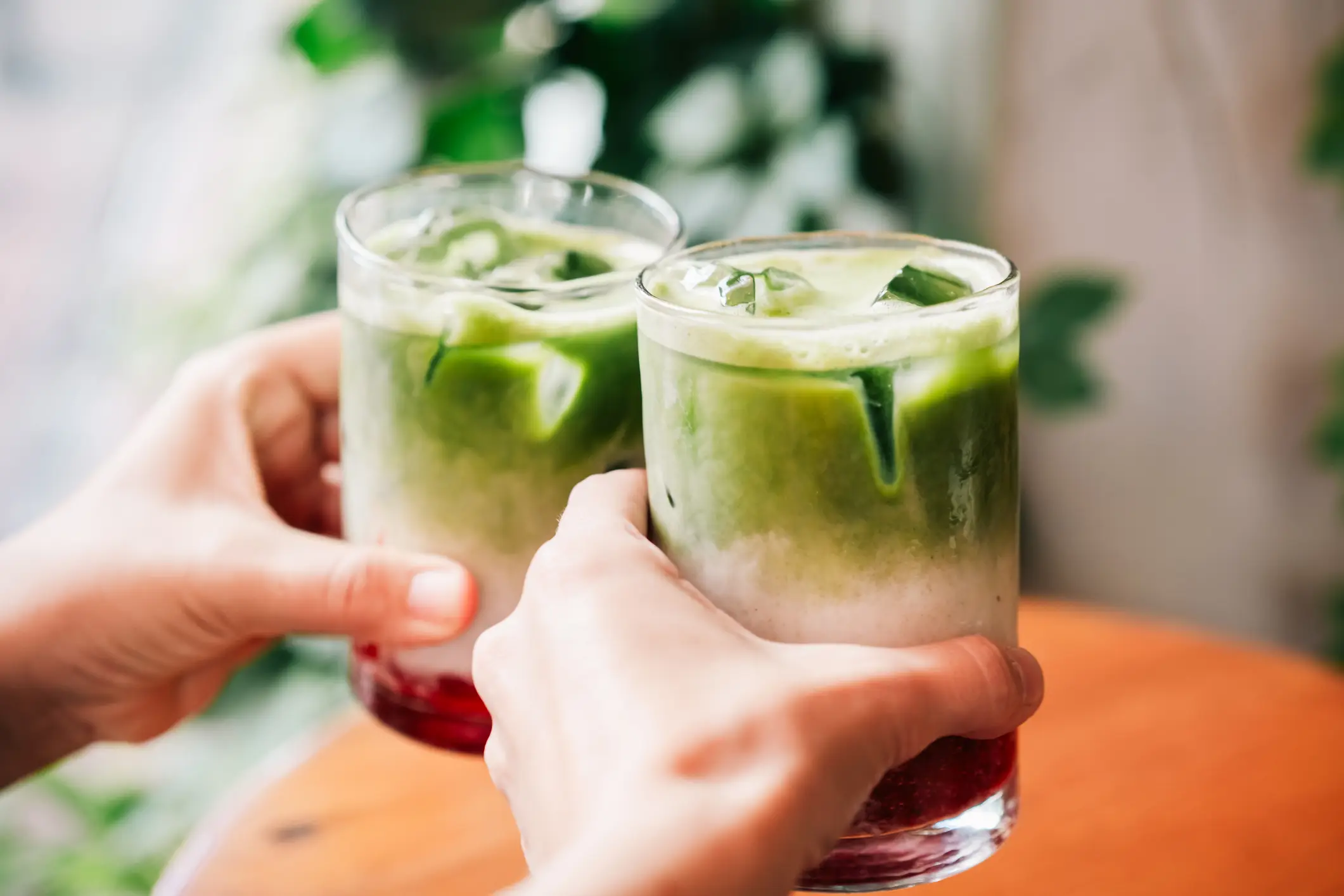
"There is some evidence to suggest that matcha may reduce iron absorption due to its high concentration of tannins, which can bind to non-haem iron in the gut and reduce its absorption. However, for most healthy people, drinking matcha once a day is unlikely to have a clinically significant impact on iron levels, particularly if it is consumed away from iron-rich meals. Those who are anaemic or have low ferritin levels should be more mindful of when they consume matcha, as they may already be at greater risk of inadequate iron intake or absorption. Those following a vegetarian or vegan diet may also wish to be more mindful, as they rely primarily on non-haem iron sources, which are naturally less well absorbed."
If you're concerned about getting enough iron, timing can also make a difference. Ghatora explains that a few simple dietary tweaks can help maximise absorption.
"Iron absorption can be enhanced by pairing iron-rich foods with vitamin C, while compounds found in tea and coffee can inhibit absorption, so these are best avoided within 1–2 hours of iron-rich meals."
Ghatora also stresses that persistently low iron stores shouldn't be ignored, particularly for women, as there may be an underlying medical reason that needs investigating.
"It is also important to identify the underlying cause of low ferritin, particularly in women. It could be caused by heavy menstrual bleeding, gastrointestinal issues such as coeliac disease, chronic inflammation and thyroid dysfunction. If you believe you may have low ferritin levels, please speak with your healthcare provider before self supplementation."
Topics: Food and Drink, Health, News
 Greg Harris