'Holiday pink tax' explained as women reveal eye-watering amount they spend to prepare for trips

For many people, the holiday season is all about switching off, chilling out and enjoying a week or so of having no emails, no meetings and absolutely no early starts.
However, the reality is that many women wind up spending a small fortune to feel 'holiday ready' before they've even zipped up their suitcase.
Being shocked at my own spending at what has harrowingly been branded as 'self-care' or 'maintenance', I was keen to ask the other women in my office exactly how much money they spend in order to 'prepare' for their summer holiday, categorising their spending into manicures, pedicures, hair styling/treatments, waxing/hair removal, tanning, eyelash treatments, eyebrow treatments, new beauty products and new outfits.
Unsurprisingly, I found that many are shelling out hundreds of pounds before the trip itself has even begun - and that's after all the flights, Airbnb payments and pre-booked booze cruises.
Advert

Look, I'm not ignorant.
I know nobody is forcing anyone to book a manicure or buy a new bikini for every trip they take, but the societal pressure to look polished and 'Instagram perfect' for a holiday is something many women know all too well.
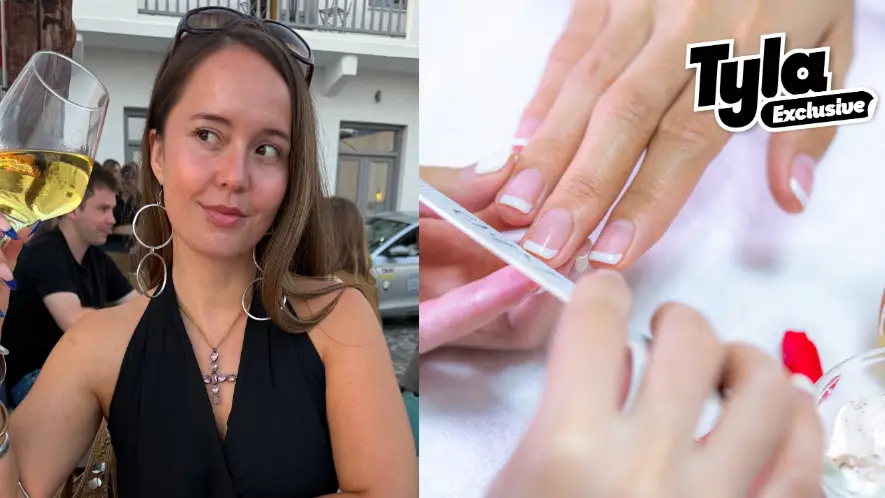
Maddy, 25, exclusively told Tyla: "With loads of photos being taken and posted to social media, I feel pressured to look my best, which usually involves spending a lot of money beforehand - whether it's a whole new batch of outfits or getting my nails done.
"I always want to document my trip, which unfortunately makes me feel like I can't outfit repeat or not look put together, as people might judge me."
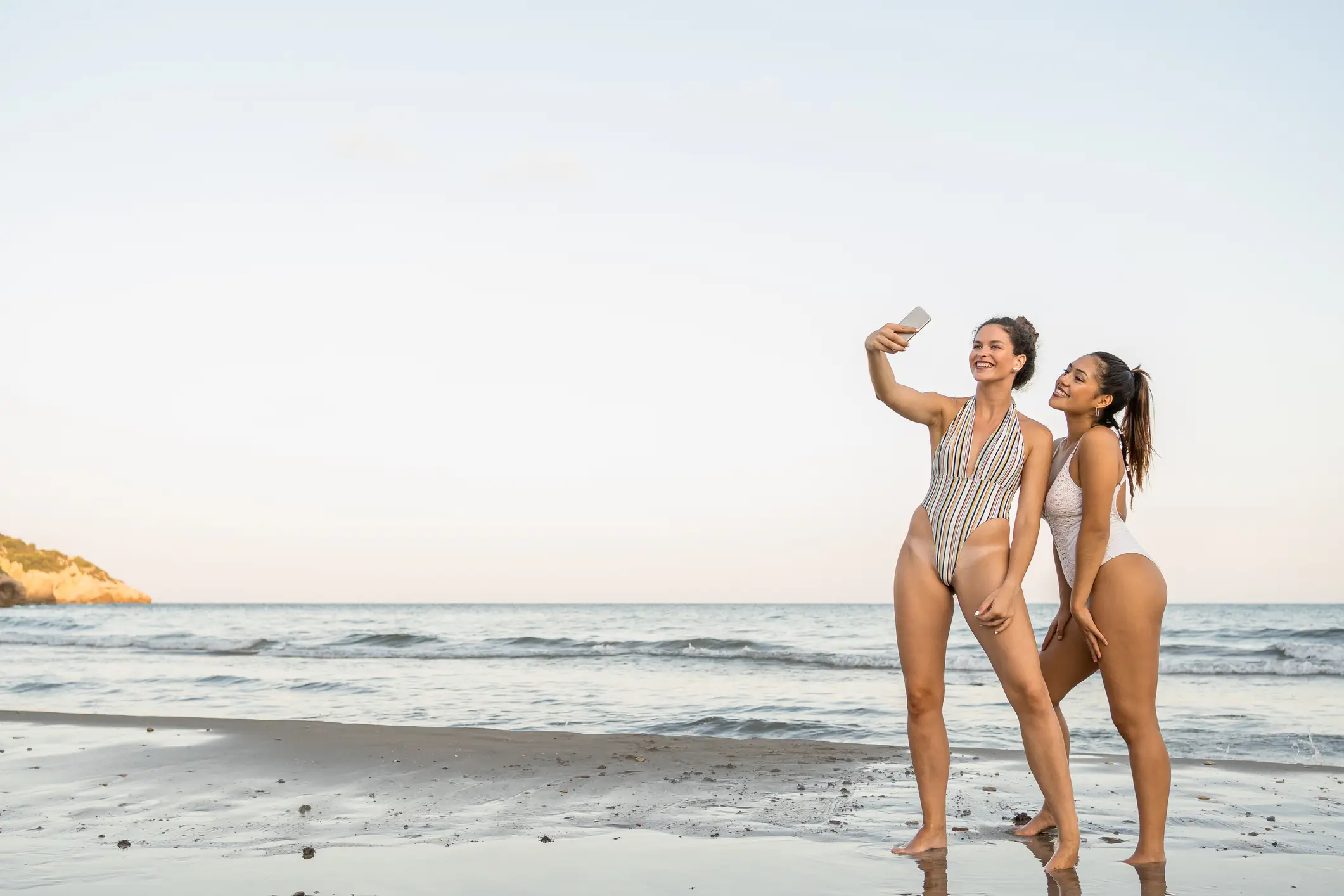
"I enjoy the whole process of getting ready for a holiday. It makes me feel good... However, my bank account doesn't agree. If I didn't spend the money or do these things, I'd worry that people would judge me or that I wouldn't measure up to society's standards," echoed Becky, 24,
Niamh, 27, added: "I feel like someone will judge me if I don’t have a fresh set of nails and toes, and I can’t outfit repeat and then post on Instagram."
The biggest expense by far is holiday shopping.
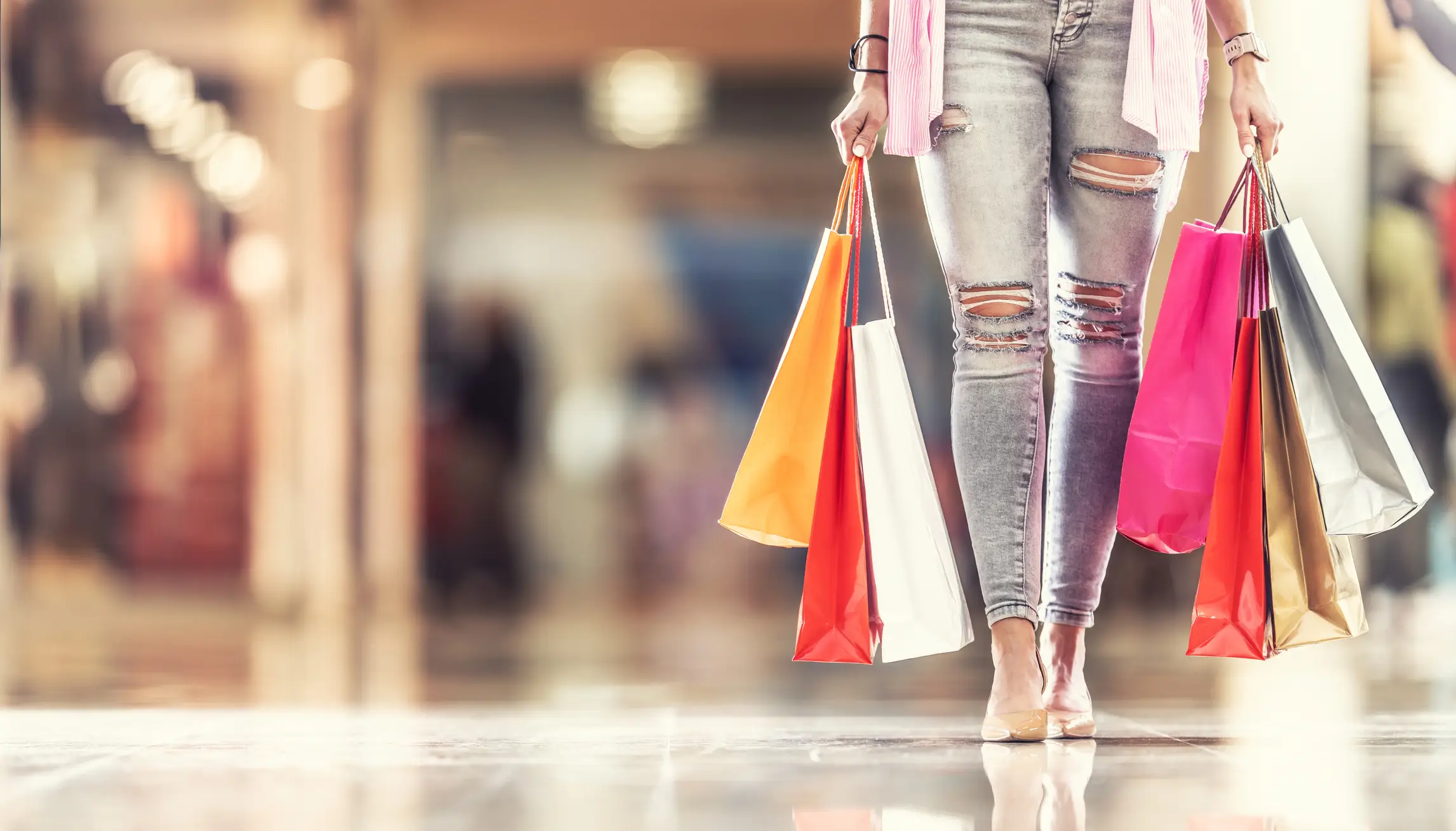
Six in 10 women said they spend at least £100 on outfits before going away, with one in five admitting they splash more than £300 on new clothes alone.
Beauty products are another major expense as every single woman surveyed said they buy products specifically for their holiday, with 70 per cent spending more than £20 and one in five spending as much as £200.
Whether that's SPF, travel-sized skincare, or makeup that won't melt in the heat, it all adds up.
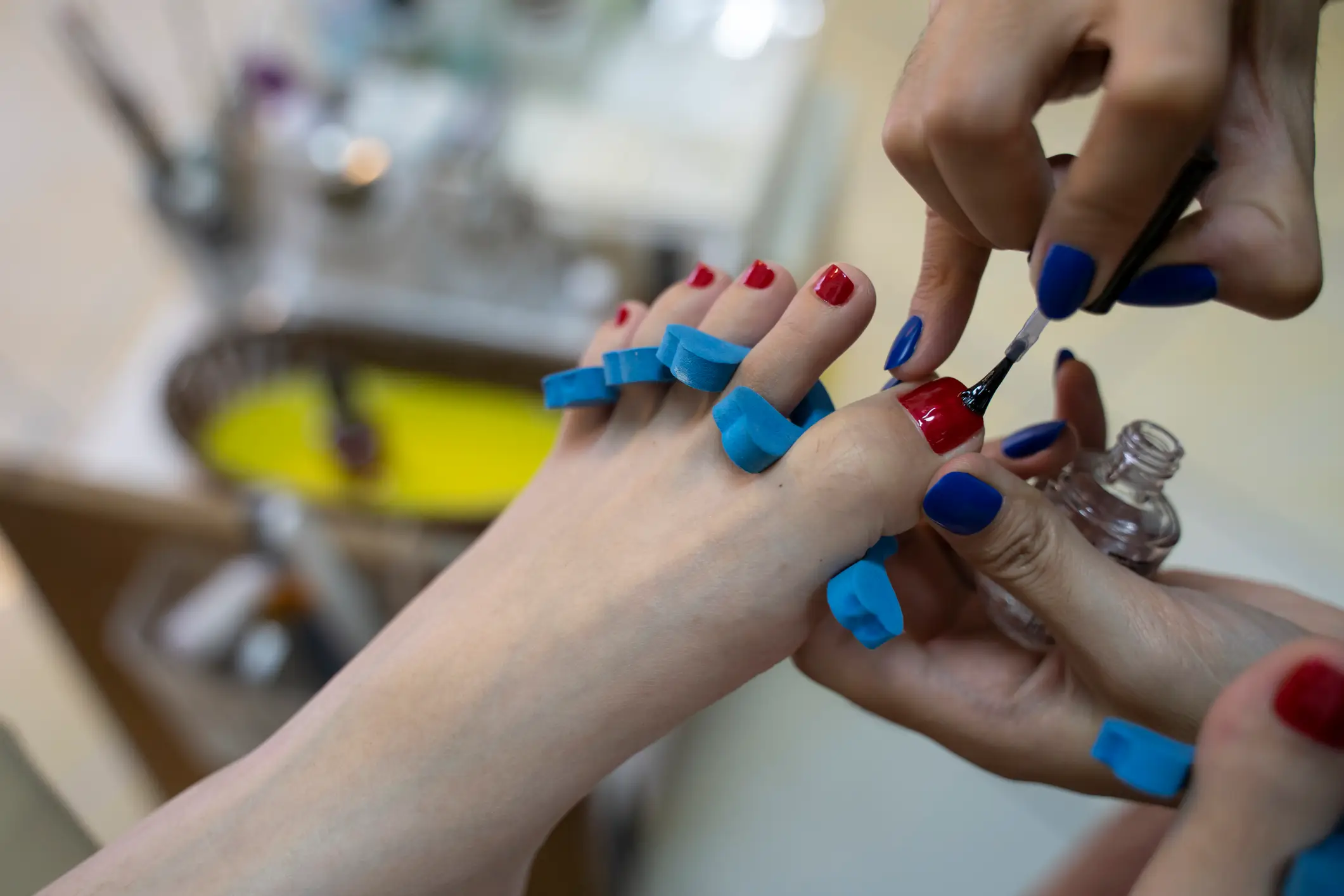
Salon appointments are another pre-flight tradition for many. Seven in 10 women spend between £20 and £50 on a manicure before travelling, while the same proportion spend the same amount on a pedicure.
Hair appointments can be even pricier, as half of those surveyed spend at least £50 getting their hair holiday ready, while one in five spend between £101 and £200 on colour, treatments or styling before jetting off.
Other beauty treatments are a bit more mixed. Half of respondents skip waxing altogether, while 40 per cent spend less than £20.
Six in 10 don't book tanning appointments, and the same number skip eyelash treatments. Eyebrows are the least popular beauty appointment of all, with seven in 10 saying they don't spend anything on brow treatments before a holiday.
While it's a small survey, the results do suggest that while some treatments are considered optional, others have become almost part of the holiday checklist and can easily push pre-holiday spending into the hundreds and plunge many women into otherwise avoidable debt - especially with the temptation of 'buy now, pay later' models.
I'll definitely be thinking twice before I hit 'buy' on a shopping cart full of 'holiday outfits', knowing full well I already have a wardrobe full of clothes.
The 'pink tax' explained
Caroline Cookson, finance expert and founder of Cookson Partners Ltd, a pricing strategy consultancy, exclusively explained to Tyla that the pink tax is the price disparity where products and services marketed toward women are priced higher than nearly identical versions marketed toward men.
"It covers everything from razors and clothing to haircuts, fragrances and dry cleaning, and often shows up through colour and packaging as much as anything else, with a 'female' version dressed up in pink and priced higher than its plainer equivalent," she said.
What drives the price of these items?
"Sometimes it will be driven by higher production costs, but this is certainly not always the case," Caroline noted.
"In fact, nowadays most prices are set by how much a customer is willing to pay rather than by how much the product will cost, and this feeds into the pink tax.
"Women are used to having to spend more money on their appearance in particular, and are willing to. Brands know this, and they take advantage of it, setting higher prices for female products as they know that they will still sell.
"They use package design and marketing to help justify it, but at the end of the day it is down to a willingness to pay and taking advantage of the fact that women are conditioned to care more about their appearance than men."
Have you seen any progress in reducing gender-based pricing disparities?
"There is definitely more awareness than there was previously; the 2016 Times report made it much clearer what was going on, and the gap has reduced since then," the expert explained. "The price difference on many products has reduced substantially, and in some cases, for example Venus Smooth and Mach3 equivalent razors, they're now priced exactly the same.
"But that's just one category, and there are many more examples where the cost of women's-focused products is more expensive than men's, on top of the broader expectation around appearance that means women spend more on beauty products overall."
What should consumers and brands be doing to tackle unfair gender-based pricing?
Caroline says that brands need to be doing their best to make pricing equal.
"Even if underlying margins are different, they should make sure that equivalent products are charged the same," she urged.
"This may mean a reduction in the cost for women's products or an increase in the costs for men's, but either way it is all doable.
"Consumers should be aware of the differences, and call it out when they see discrepancies. Social media is a powerful tool, and no company wants to be held up for being unfair, so highlighting any instances of unfair pricing will encourage companies to do the right thing and charge more equally."
Topics: Travel, Money, Beauty, Life, Tyla Exclusive
 Rhiannon Ingle