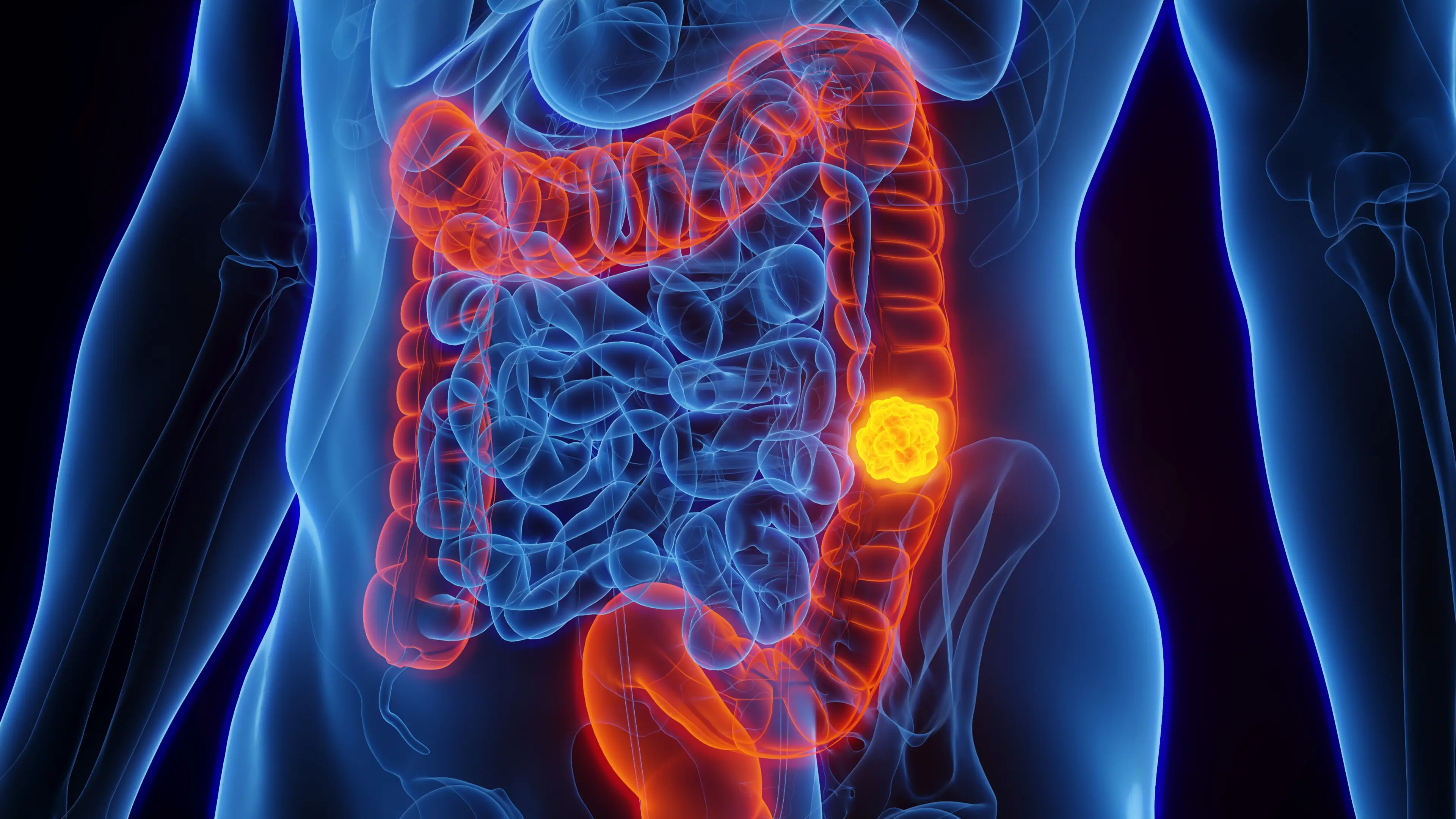
These foods could be fuelling alarming rise of colorectal cancer in women

Colorectal cancer is one of the most preventable cancers, and in the past mainly affected older adults. However, there has been a drastic increase in the number of women under 55 being diagnosed in recent times, which these foods could be fuelling.
Younger patients are frequently diagnosed with colorectal cancer in later stages, which greatly decreases their chance of survival.
Dr. Christine Molmenti, an associate professor and cancer epidemiologist at Northwell Health, told The New York Post: “Everything that we eat touches our colon; good or bad.”
But while most of us can look at junk food and recognise that it’s unhealthy, Molmenti said some foods look healthy due to clever marketing, but are actually silent killers and greatly increase our chances of getting colorectal cancer.
Advert
She said: “Marketers have become smarter. They’re now making us think that foods that we’re eating are all healthy when they’re actually ultra-processed.” Molmenti added that young women under 50 specifically are consuming large amounts of these foods (I feel targeted, just want to eat my girl dinner consequence-free. Sigh).
During a study that took place over more than 24 years, it was found that women who ate ultra-processed foods (so all of my favourite things) had a 45 percent higher risk of developing early-onset adenomas, a benign, non-cancerous tumour which can become cancerous.
Per the NHS, ultra-processed foods often include ingredients you would not usually have at home and aren't found in fresh produce, such as preservatives, sweeteners and emulsifiers.
To avoid consuming ultra-processed foods, Molmenti said the most crucial step is to read the ingredients list carefully.
The expert advised: “If you don’t understand each ingredient, try to avoid it. If you understand all the ingredients, then read the nutrient label.”
She added that it’s greatly beneficial to prepare food at home whenever possible rather than buying food made up to stores or for on the go.
Molmenti said: “Ultra-processed foods have low nutritional value and often contain additives such as artificial flavourings, stabilisers, emulsifiers, gums and synthetic food colouring.

"These additives boost a product’s shelf life, but they certainly decrease a person’s ability to lead a healthy life and do not promote cancer prevention.”
Some examples of ultra-processed foods that could be fuelling the rise of colorectal cancer include shop-bought bread.
This is because many of these loaves contain colourings, additives, ultra-processed grains and other non-natural ingredients.
Junk food is also likely to be responsible as, being ultra-ultra-processed, Molmenti said it can disrupt the microbiome.
She stated: “They can lead to inflammation and to insulin resistance. They can lead to metabolic dysregulation so that your body and your colon are just not in sync.”
Right, I’ll try and eat more vegetables in 2026 then, I guess.
Topics: Food and Drink, Women's Health, Health
 Lauren Lees