
Eight symptoms you should always see your doctor about to rule out cancer

Picking up on cancer symptoms can be difficult, as a lot of the warning signs are easily mistaken for other minor illnesses.
It can be difficult to know when something is nothing or if it warrants a visit to the doctor's office to get checked out, which is why so many people go undiagnosed for a long time.
Not to mention when you actually call the doctors and get told the nearest appointment is a month away, or you get met with an AI robot on the other end of the line.
As per the Independent, a recent study by Cancer Research UK - polling 6,844 people via YouGov - found that over half (53%) anticipated trouble booking a GP slot, 47 per cent encountered issues, 44 per cent assumed their symptoms were not serious, and 43 per cent believed they could manage them on their own.
Advert
In light of this, Megan Winter, health information manager at the charity, has emphasised that any unexplained change should be flagged to your GP, and if something's not normal for you, it's best to get it checked out.
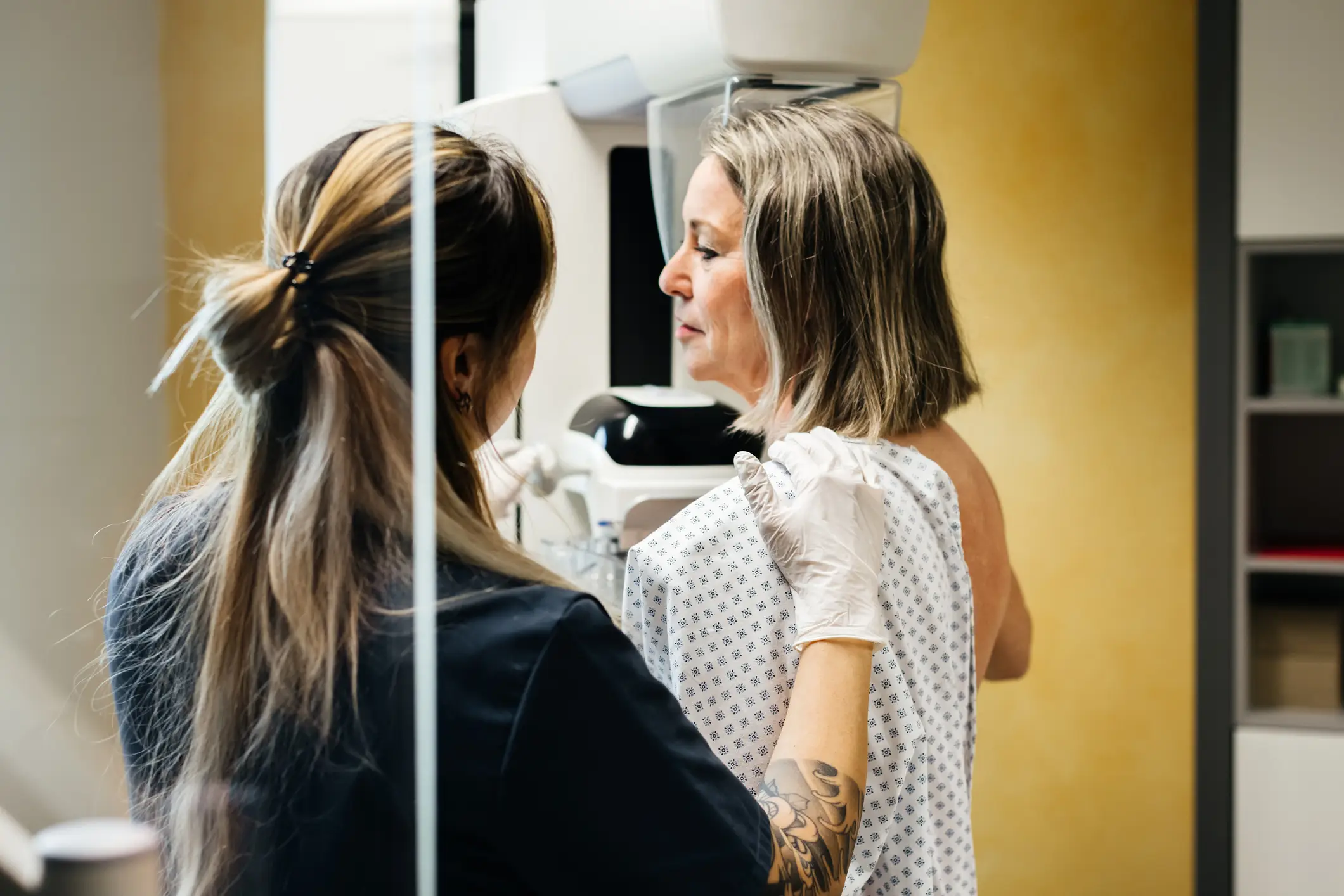
The expert said: "Our message is that you need to get everything checked out if it’s not normal for you because there are so many different signs and symptoms of cancer, and they can manifest differently for different people.
"Listen to your body, and if you notice something unusual that doesn’t feel right, talk to your doctor."
Here are the eight potential cancer symptoms that are worth getting checked out by a health professional:
- An unusual lump or swelling
- Unexplained weight loss or tiredness
- Unexplained bruising
- Change in bowel habits
- Breathlessness
- Persistent cough
- Unexplained pain
- Skin changes
Winter advises that a lump or swelling anywhere around the breast, underneath the elbow and up to the collarbone is something that 'should get checked out in relation to potential breast cancer'.
She added that some of the more general symptoms of cancer that can affect the whole body include unexplained weight loss, tiredness and unexplained bruising - for example, losing weight without trying to and bruising without hurting yourself.

As for the bowel habit changes, these can include being constipated more or pooing more than normal, as well as blood in your poo or wee, and unexplained bleeding from your vagina in between periods and after sex is also something to get checked out.
Feeling breathless doing your usual day-to-day activities can also be a red flag, as can a persistent cough that hasn’t gone away in three weeks or a cough that's changed or is getting worse.
As we say, these might be absolutely nothing, but it's always better to check if you're concerned to avoid being misdiagnosed.
The expert urged: "We often hear from people that it’s difficult to get an appointment with their GP, but it’s important to keep persisting. There are lots of different ways that you can contact your GP now, including over the phone, online, or by popping into your GP surgery.
“It’s not the public’s job to know what’s wrong with them; that’s what the doctor is there for, so you won’t be wasting their time by bringing these concerns to them."
Topics: Health, Life, Cancer, Bowel cancer, Women's Health
 Madison Burgess