• News
  • Life
  • TV & Film
  • Beauty
  • Style
  • Home
  • News
    • Celebrity
    • Entertainment
    • Politics
    • Royal Family
  • Life
    • Animals
    • Food & Drink
    • Women's Health
    • Mental Health
    • Sex & Relationships
    • Travel
    • Real Life
  • TV & Film
    • True Crime
    • Documentaries
    • Netflix
    • BBC
    • ITV
    • Tyla Recommends
  • Beauty
    • Hair
    • Make-up
    • Skincare
  • Style
    • Home
    • Fashion
    • Shopping
  • Advertise
  • Terms
  • Privacy & Cookies
  • LADbible Group
  • LADbible
  • UNILAD
  • SPORTbible
  • GAMINGbible
  • UNILAD Tech
  • FOODbible
  • License Our Content
  • About Us & Contact
  • Jobs
  • Latest
  • Topics A-Z
  • Authors
Facebook
Instagram
X
Threads
TikTok
Submit Your Content
What it means if you spot pimples on your labia

Home> Life

Published 11:40 19 Nov 2025 GMT

What it means if you spot pimples on your labia

There are a number of conditions that can lead to spots, bumps and pimples on your genitals

Lucy Devine

Lucy Devine

google discoverFollow us on Google Discover

Noticing pimples or spots on your genitals can be daunting, but there are a number of harmless explanations as to why you might get them on your labia.

A pimple is generally a small bump on the surface of the skin. It's usually due to clogged pores and can affect any area of skin on your body, including the genitals.

You might also have noticed small, flesh-coloured 'bumps' on the vulva, which - although not strictly pimples - can have a number of different causes.

According to Flo, these can include conditions such as folliculitis, contact dermatitis, molluscum contagiosum and Hidradenitis suppurativa.

Advert

So what are these conditions? And how are they treated? Let's get into it.
Noticing pimples or spots on your genitals can be daunting (Getty Stock Image)

Folliculitis

Folliculitis is particularly common and usually causes small bumps on the labia majora.

The skin condition is usually caused by a bacterial or fungal infection that enters the hair follicles.

It can cause an itchy and sometimes painful rash, and shaving pubic hair often increases the risk of developing the condition.

While it usually goes away on its own, there are treatments if it persists.

Flo says that, generally, it's best to avoid shaving and wearing tight underwear. Instead, opt for breathable fabrics like cotton.

Contact dermatitis

Contact dermatitis often occurs due to contact with certain products around the genital region.

This can include shower gels, scented sanitary wear, creams, washing powders and condoms.

The materials and chemicals can irritate the vulva which can lead to small, itchy bumps developing.

Other symptoms can include burning sensations around the skin; patches that look redder or darker; patches that feel thicker than surrounding skin and pain during sex or when inserting a tampon.

According to Flo, the best treatment is trying to establish what's causing the irritation and to cut it out completely.
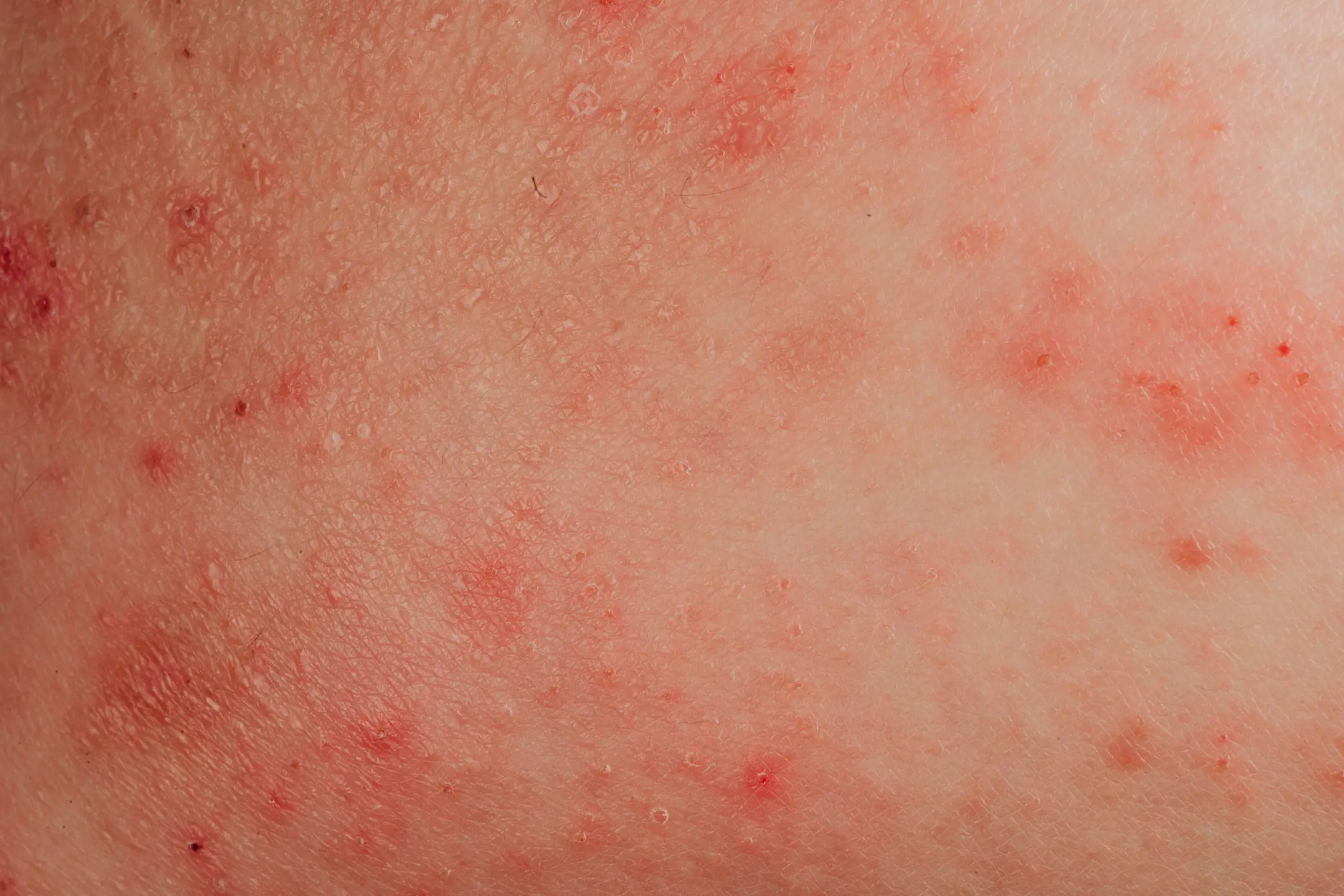
Contact dermatitis often occurs due to contact with certain products (Getty Stock Image)

Molluscum contagiosum

Molluscum contagiosum is a viral skin infection that causes round and painless bumps.

It spreads through skin-to-skin contact - including sexual contact - and via infected objects.

It usually clears by itself within six to 12 months, however it can also be treated orally or topically.

Hidradenitis suppurativa

Hidradenitis suppurativa causes small, painful lumps under the skin which often develop near sweat glands or in areas which rub together, such as the genitals, the buttocks and the armpits.

Mayo Clinic explains that the lumps can heal, before recurring which can lead to tunnels under the skin and scarring.

The condition can be managed via a combination or medication and sometimes, surgery.
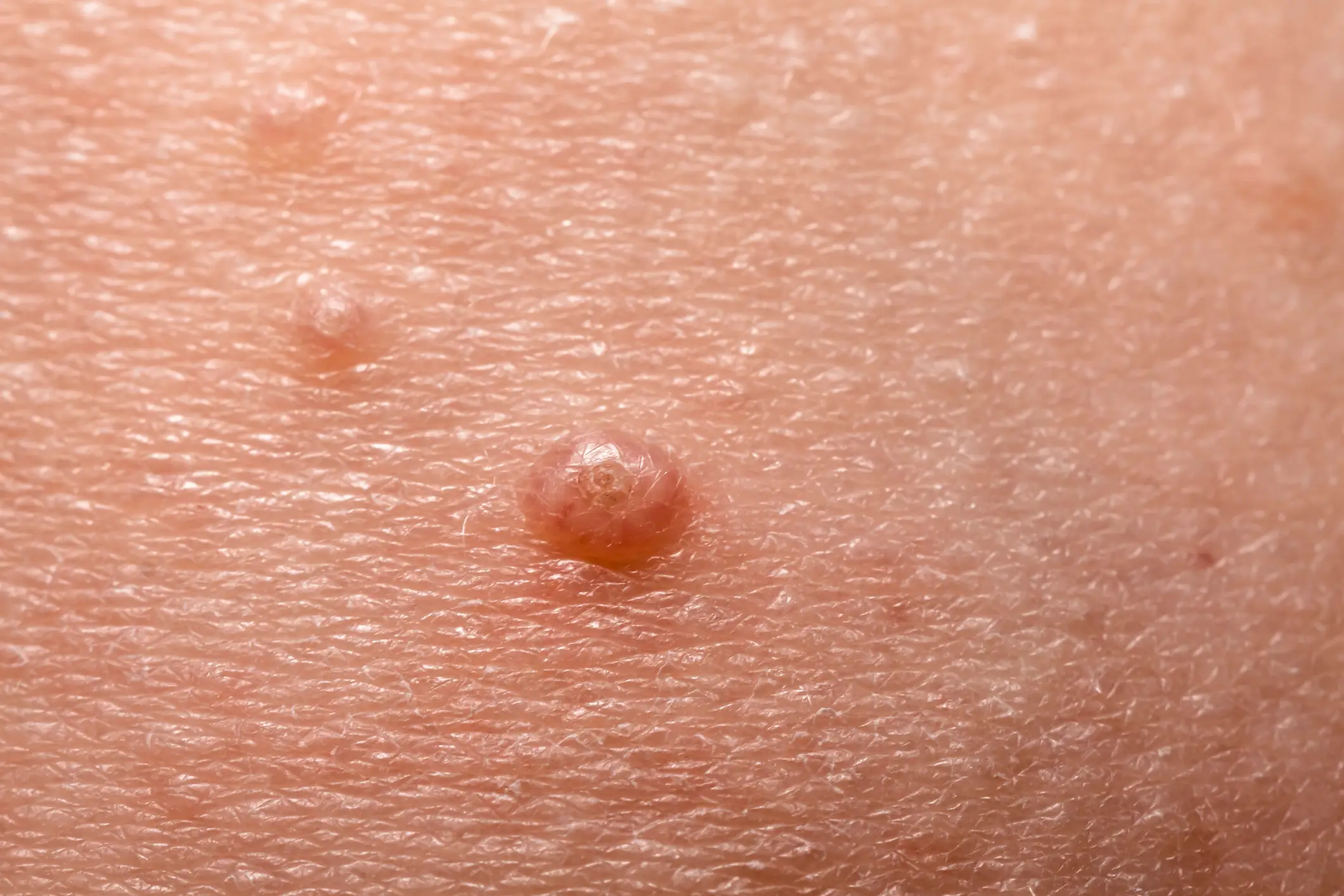
Molluscum contagiosum is a viral skin infection (Getty Stock Image)

'Pimples' and bumps on the genitals could also be a result of genital warts, or genital herpes.

If you are concerned about any changes, it's important to seek medical advice.

Featured Image Credit: Getty Stock Image

Topics: Health, Sex and Relationships

Lucy Devine
Lucy Devine

Lucy is a journalist working for Tyla. After graduating with a master's degree in journalism, she has worked in both print and online and is particularly interested in fashion, food, health and women's issues. Northerner, coffee addict, says hun a lot.

X

@lucedevine

Advert

Advert

Advert

Choose your content:

an hour ago
22 hours ago
3 days ago
  • Jerritt Clark/Getty Images for W Magazine
    an hour ago

    Controversial 90s trend taking over Gen Z is alarming medical experts

    Celebrities such as Charli XCX, Dua Lipa, and Hudson Williams are driving the resurgence of the 90s trend - but health experts are not happy

    Life
  • The Aine Rose Contraceptive Safety Foundation
    22 hours ago

    Mum of 19-year-old girl who died from rare side effect of contraceptive pill demands warning introduced

    Áine Rose Hurst died in March 2025 after suffering a blood clot linked to her prescribed oral contraceptive

    Life
  • Getty Stock Images
    3 days ago

    Security expert issues warning to anyone engaging in 'AI threesomes'

    Has AI become the digital ‘third’ in many relationships?

    Life
  • Getty Stock Images
    3 days ago

    Sex therapist who sleeps with her clients shares how her partner felt about her job

    Kaly Miller admitted to engaging in sexual activity with her clients to aid their recovery from sexual trauma

    Life
  • Women’s uteruses can actually taste ‘bad’ sperm - here’s what it means
  • What happens if theatre actors get erections on stage
  • What it means if you wake up right before your alarm goes off
  • What it means if celebrities are mentioned in Epstein files as full list finally released