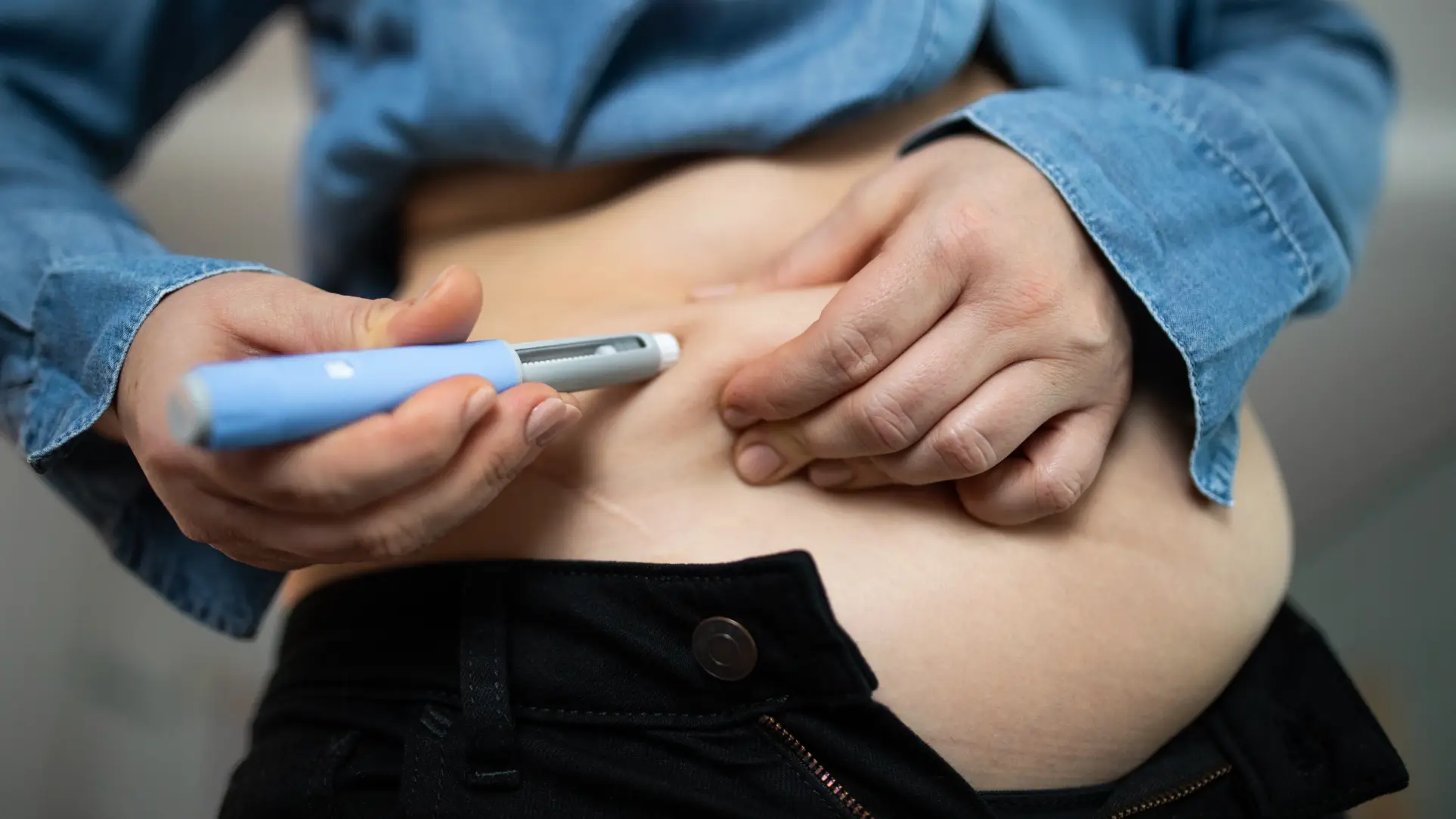
Weight loss jab users issued warning over alarming side effect as UK heatwave continues

Weight loss jab users have been issued an urgent health warning as temperatures across the UK continue to rise.
The record for the highest daily minimum temperature was absolutely obliterated yesterday (25 May) for the second day in a row after an equally sweltering bank holiday weekend.
The discomfort also continued long into the evening for London locals, whose day inflicted agonising highs of 34.8 °C, and whose night failed to dip below an agonising 21.3 °C.
In fact, in 97 other regions up and down the country, temperatures surpassed an unprecedented 30 °C.
Advert
The combination of blazing sunlight, record-breaking temperatures, minimal shade and limited access to air conditioning has prompted a number of health experts to issue advice to vulnerable Brits - including individuals with prescriptions to weight loss jabs.
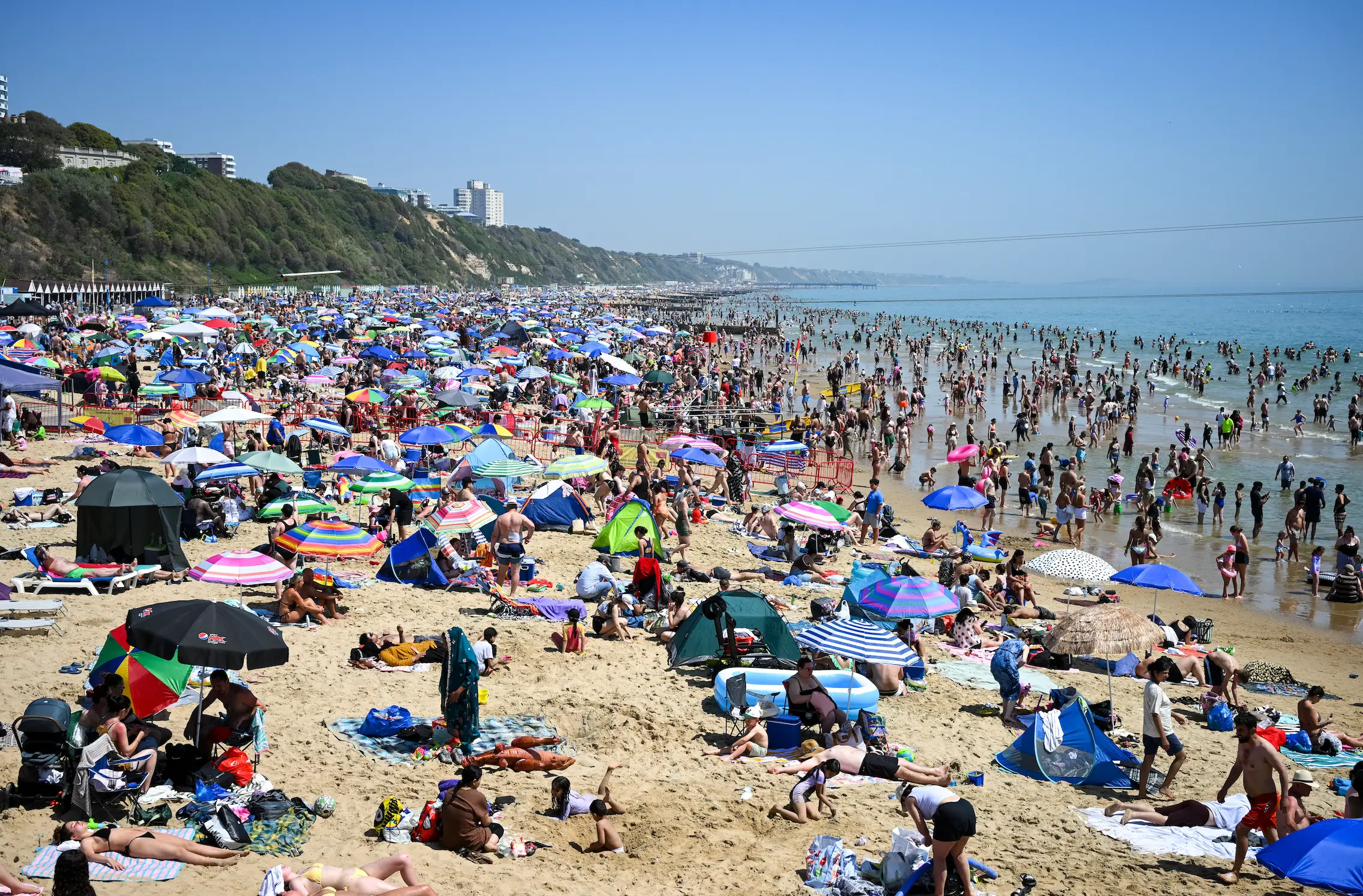
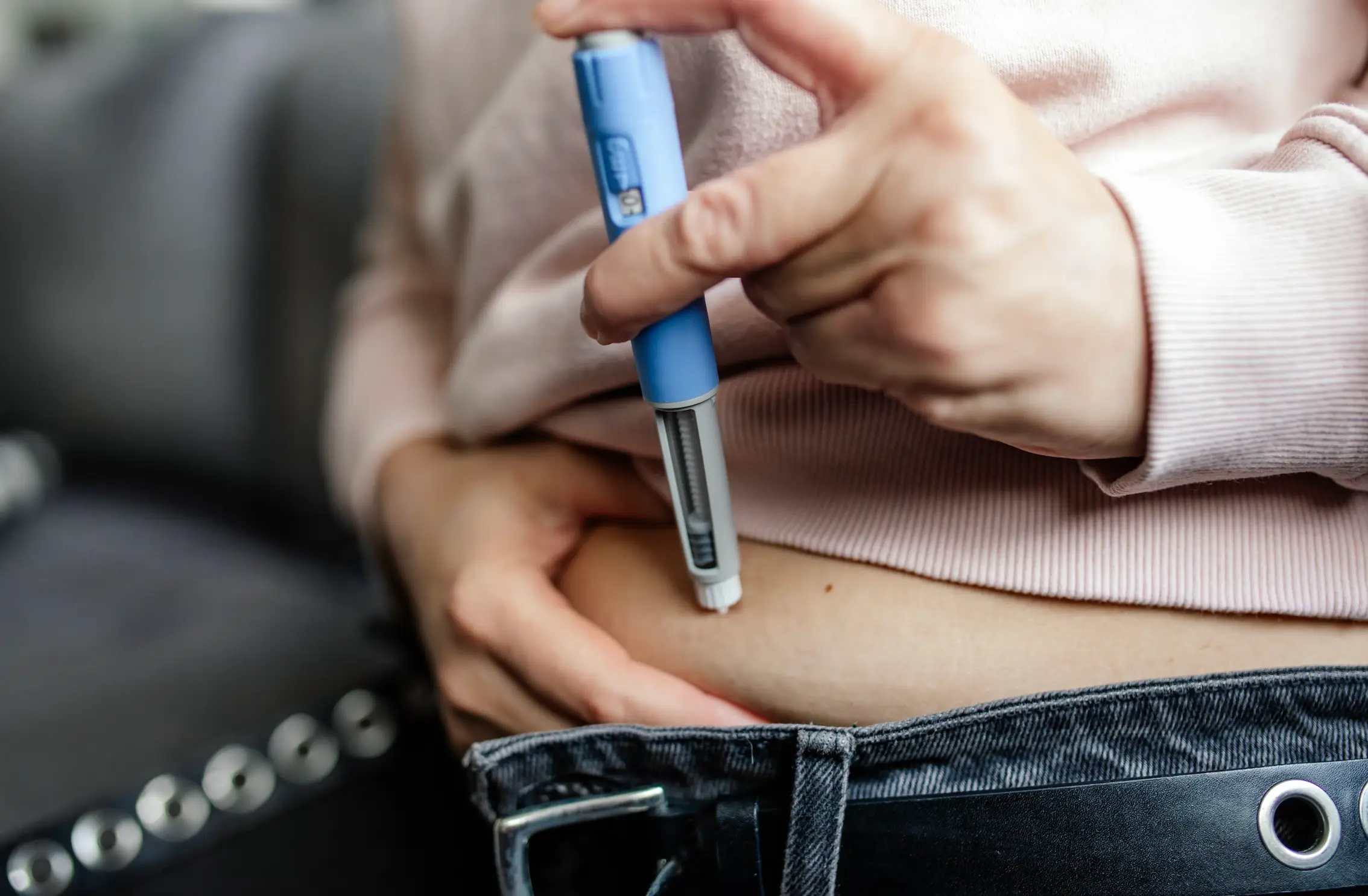
Originally rolled out to tackle Type-2 diabetes, injectable medications like Ozempic (which isn't approved by the NHS for weight loss), Wegovy and Mounjaro work by mimicking GLP-1 hormones in the body, prompting the production of insulin, and reducing the liver's glucose release levels, sending signals to the brain to slow down digestion and reduce appetite.
It's a common side effect of the popular jabs, however, that has sparked concerns amongst medics - including Dr Suzanne Wylie, medical adviser for IQdoctor.
The increased risk of dehydration amongst weight loss jab users
"Weight-loss injections containing GLP-1 receptor agonists, such as semaglutide, have transformed obesity treatment and weight management, but they can increase the risk of dehydration, especially during periods of warmer weather," she explained this week.
"This is largely because some of the most common side effects include nausea, vomiting and diarrhoea, all of which can lead to significant fluid loss.
"These medications can also slow gastric emptying, helping people feel fuller for longer, but this can sometimes mean individuals unintentionally eat and drink less overall," Dr Wylie added.
In warmer climates - and during national heatwaves - when the body is also losing considerable water through sweating, this risk becomes more prevalent.
"Hot weather creates an additional challenge because the body loses more fluid through sweating," the doctor explained.
"These losses need to be replaced. If someone is already experiencing medication side effects that reduce fluid intake or increase fluid loss, they may be more vulnerable to dehydration-related illnesses such as heat exhaustion and, in more serious cases, heatstroke."
The main signs of dehydration
According to the NHS, the most common indicators of dehydration include a headache and feeling light-headed, dark yellow, strong-smelling pee, peeing less often than usual, feeling dizzy or lightheaded, feeling tired, a dry mouth, lips and tongue, and sunken eyes.
As Dr Wylie emphasises, it's not simply a case of feeling thirsty.
"Many people wait until they feel thirsty before drinking water, but thirst often occurs after the body has already started becoming dehydrated," she continued.
"Instead, it is important to drink regularly throughout the day, even if you don't feel particularly thirsty."
There's also the fact that dehydration is a main cause of gallstones.
"Gallstones are a recognised but relatively uncommon side effect associated with rapid weight loss and some weight-loss medications," Dr Wylie went on. "Dehydration may further increase this risk because it can reduce bile flow and cause bile to become more concentrated within the gallbladder."
 Rhianna Benson