Women’s uteruses can actually taste ‘bad’ sperm - here’s what it means

When you consider just how much the female body goes through to create and grow life, it's pretty miraculous.
While we all know the basics of what it takes to make a baby, did you know that on average, tens to hundreds of millions of sperm are released during ejaculation, and only a fraction will be healthy enough to fertilise an egg?
Even then, it only takes one sperm to fertilise an egg, with only around 200–500 sperm typically surviving the journey to reach it.
Added to that, it turns out that a woman's uterus can actually taste 'bad' sperm, with a new, recent scientific study explaining how it's possible.
Advert
The study, titled 'Bitter Taste Receptors in the Reproductive System: Function and Therapeutic Implications', which was published in the National Library of Medicine in 2024, saw experts examining how a woman's uterus filters out 'bad' sperm and what happens when it does so.
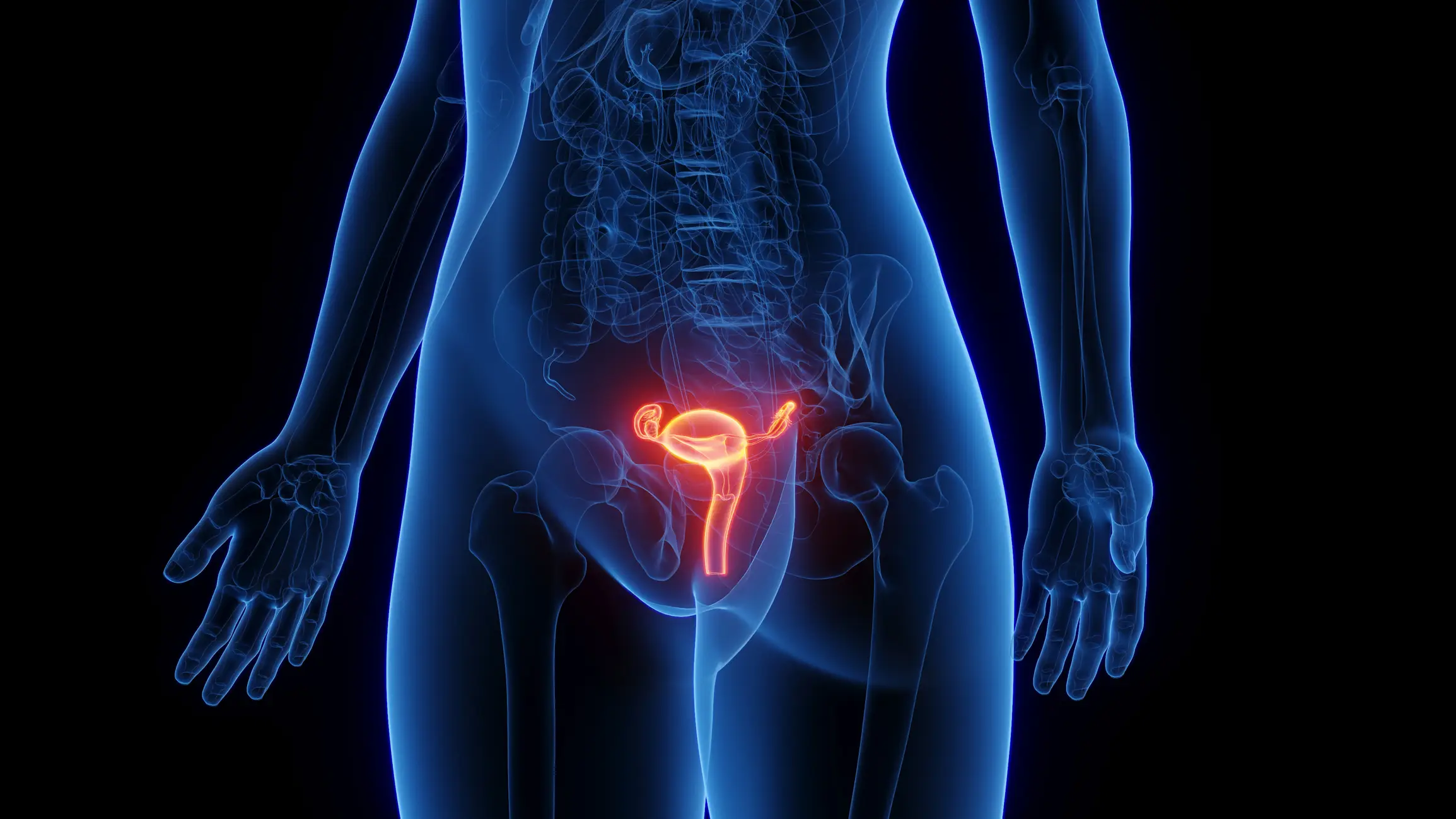
Using Type 2 taste receptors (TAS2Rs) - detected in the fallopian tubes and uterus - the uterus can detect 'bitterness' due to bacterial toxins within the sperm.
An immune response is then triggered to ensure the uterus is safe from infection, keeping it healthy for a potential baby to grow.
The study's authors explained: "The investigation of TAS2Rs in the human and mouse uterus has been largely focused on the myometrium, an area to which our research group has actively contributed.
"We were the first to identify a subset of TAS2Rs expressed in the human myometrium, the human myometrial cell line hTERT-HM, and the mouse myometrium.
"In addition, we observed that bitter tastants, such as chloroquine, induced relaxation in precontracted uterine smooth muscle strips, a relaxation effect superior to that of currently used tocolytics."
When sperm enter the uterus, they essentially face an attack from the woman's immune system, which is why so few actually reach the egg.
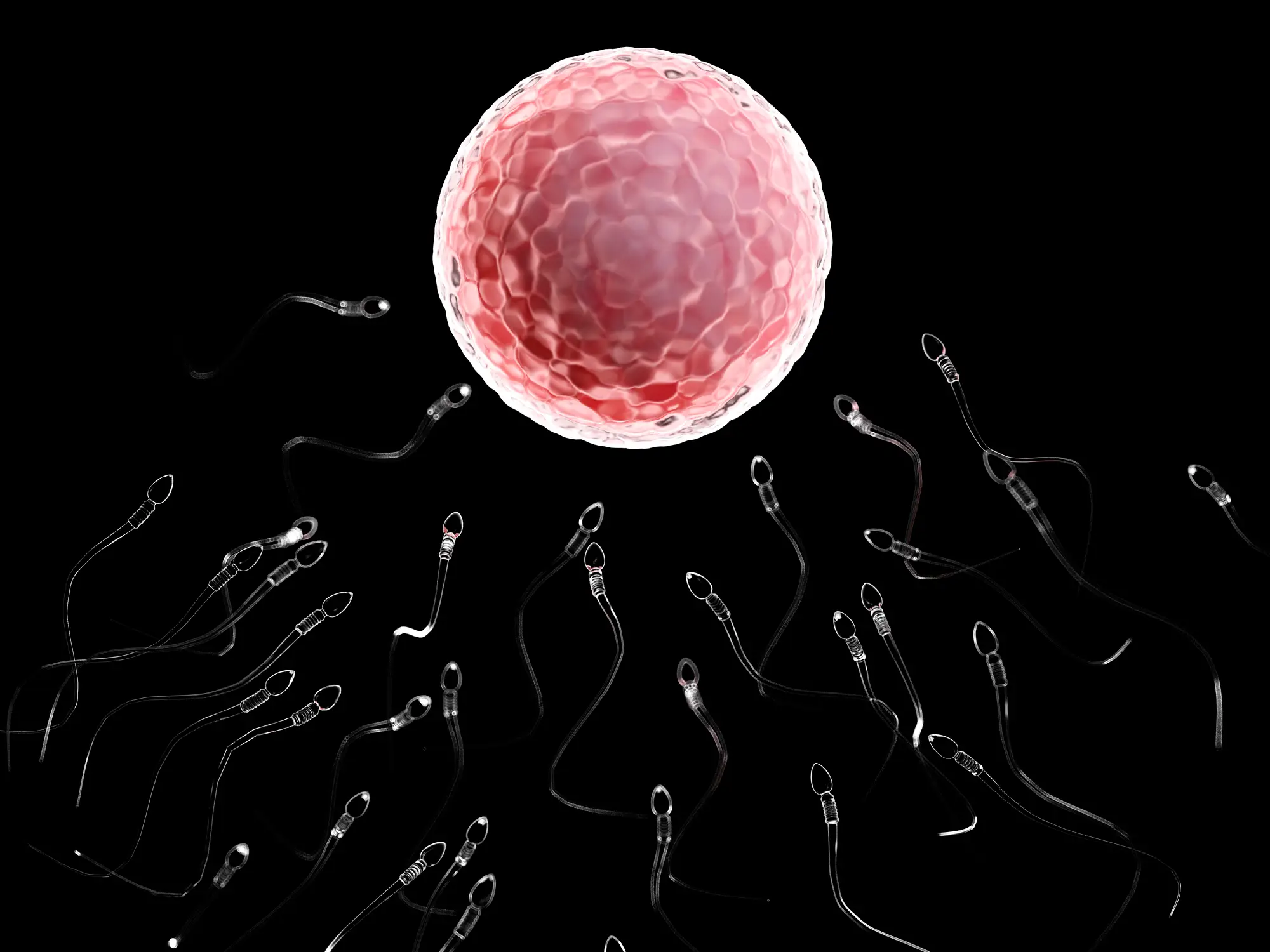
Science Daily explain: "This attack by the innate immune system kills a majority of the sperm cells in semen, winnowing hundreds of millions of sperm down to just a few hundred that enter the fallopian tubes.
"The defensive response may be beneficial in preventing polyspermy, when an egg is fertilized by more than one sperm and cannot develop."
Type 2 taste receptors are also present in males, with authors of the study adding: "In males, TAS2Rs are believed to play potential roles in processes such as sperm chemotaxis and male fertility.
"Genetic insights from mouse models and human polymorphism studies provide some evidence for their contribution to male infertility."
Topics: Health, Science, Sex and Relationships
 Lucy Devine