
There are some signs of Parkinson’s disease that you wouldn’t even notice

A doctor has spoken out in a bid to raise awareness of some of the lesser known early symptoms of Parkinson's disease.
Parkinson's disease is a health condition which sees parts of the brain 'become progressively more and more damaged over many years', the NHS explains.
It typically sees those impacted develop symptoms when they're over the age of 50, however, some people do begin to experience symptoms under 40.
There's currently no cure for the disease, however, treatments are available to help manage and reduce symptoms.
Advert
An estimated 166,000 people are currently living with the disease in the UK, Parkinson's UK reports.
Many people recognise tremors and slow movement as key symptoms of Parkinson's however, there are various early symptoms lesser heard of which Dr Robin Fackrell has since spoken out to raise awareness of.
The consultant in geriatric and general medicine at Sulis Hospital Bath and the Royal United Hospitals Bath NHS Foundation Trust, who's also a specialist in Parkinson's disease, detailed several early symptoms of the disease which are trickier to spot in an interview with The Telegraph.
Anxiety and depression
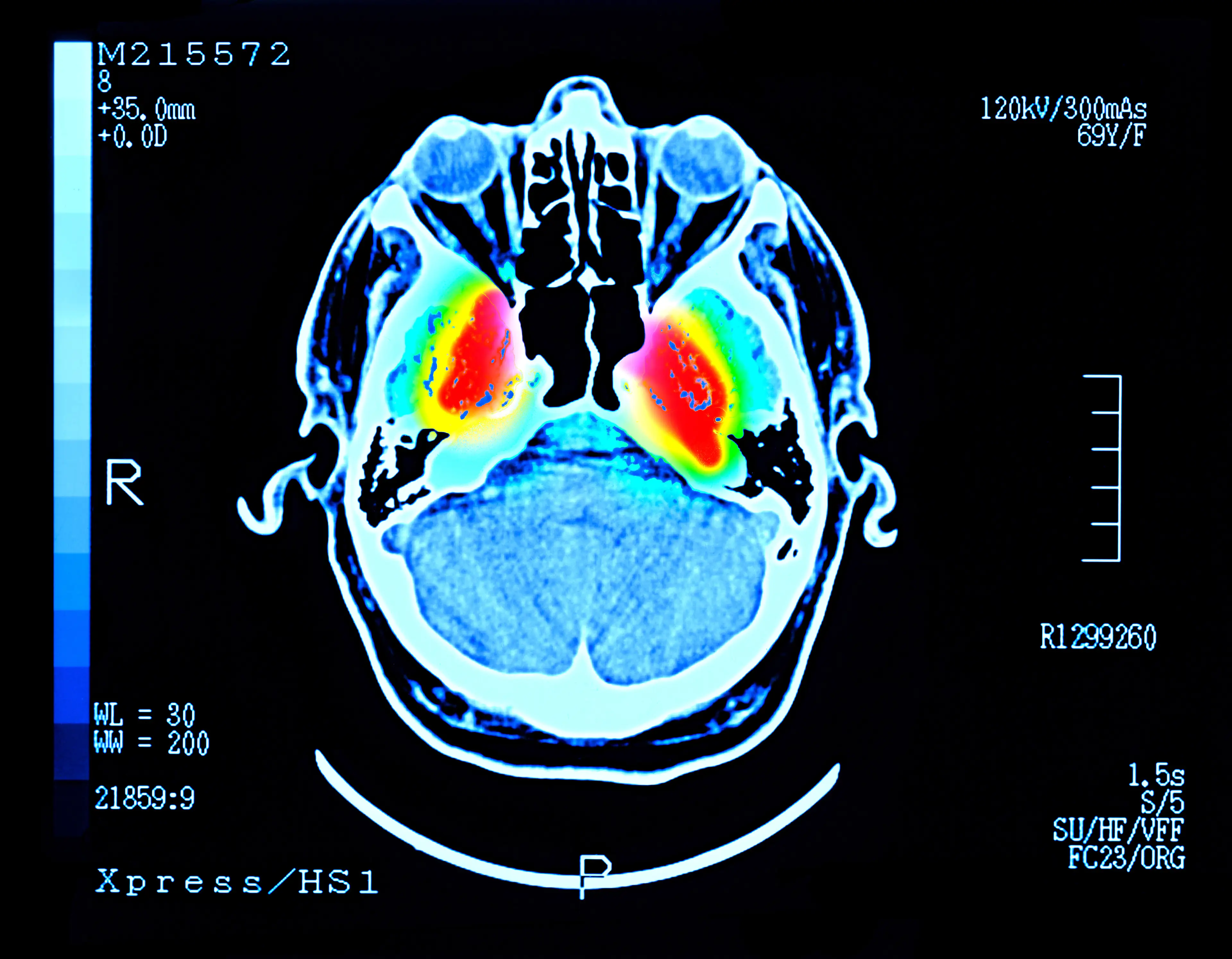
Parkinson's is caused by the progressive brain cells that produce dopamine which can lead to increased levels of anxiety and depression.
Dr Fackrell revealed: "People who come to see me say they have noticed more introspection, more anxiety. I call it ‘anticipatory anxiety’ about things that used to be inconsequential."
If diagnosed with Parkinson's, patients are able to be placed on dopamine replacement medication which can improve anxiety and depression levels, however, many don't know low mood is a symptom of the disease and so don't get properly diagnosed, seeking antidepressants instead.
Another early symptom of Parkinson's includes sense of smell.

Sense of smell
Dr Fackrell revealed many people who've been diagnosed with the disease say their sense of smell was impacted '15 to 20 years before their diagnosis'.
How? Well, in being 'reduced'.
"They’ll talk about not being able to smell coffee or onions cooking, or of being less aware of the fragrance of flowers that other people admire," he added.
Another factor which can be mistaken for another issue but could actually be a sign of Parkinson's is light-headedness.
Dizziness
Frequent light-headedness can be a pointer towards multiple potential issues.
Perhaps you forgot to eat breakfast that day, or it could be 'a result of heart conditions, dehydration, inner ear issues,' Dr Fackrell explains.
It could also be a sign of early Parkinson's.
"Parkinson’s can impact a part of the nervous system called the autonomic nervous system, which is responsible for maintaining and regulating blood pressure,” Dr Fackrell explained.
So, if someone with early Parkinson's stands up, their 'blood pressure drops as the body’s natural reflex to tighten blood vessels doesn’t kick in quickly enough'.
This could lead them to feeling light-headed or even passing out.
Either way, if you're experiencing dizziness fairly frequently, it's always best to get it checked out.
Another lesser known symptom of early Parkinson's involves people's facial expressions.

Facial expression
Dr Fackrell quickly notes this 'isn't about pulling odd faces' but is more about 'a gradual loss of facial expression'.
If you spot yourself or a loved one looking more 'expressionless or vacant,' not looking 'like themselves anymore,' or being less smiley, it could be time to gently check in.
And tone of voice is something to look out for too.
Voice tonality
As a result of Parkinson's stiffening up the muscles, it can become harder for those with the disease to speak as loudly.
"Voice production is all about the production of breath by the respiratory muscles, and being able to pass your breath over your vocal cords," Dr Fackrell noted.
So if you find yourself getting frustrated over not getting heard, or think you must be going deaf because you can't hear your partner, it's something to keep a gentle eye on.
And keeping abreast of your toilet habits is also worth doing too.

Bowel habits
According to Dr Fackrell, 'around 90 per cent of those with Parkinson’s are constipated'.
The doctor revealed many believe the 'real issue' with Parkinson's 'lies within the gut' and specifically the gut microbiome becoming imbalanced with bacteria getting into the bloodstream, causing inflammation and travelling to the brain and causing neurons that make dopamine to die.
It's no surprise the bowel is then left in a bit of a state, requiring dopamine to 'move well'.
And when it comes to moving well, another area of the body impacted by Parkinson's is arms and legs.
Arms and legs
While deterioration of arm and leg movements are often noted as a key tell-tale sign of Parkinson's, in early development of the disease, the difference can be trickier to spot.
Dr Fackrell points out slower walking speeds or 'an asymmetric arm swing' as issues to spot.
"Or that stride length is reducing, or they can suddenly hear feet scuffing on the ground as someone develops a shuffle. This slowness of movement is known as bradykinesia," he added.
And the impact of the disease on the arms can also be spotted through handwriting.
Handwriting
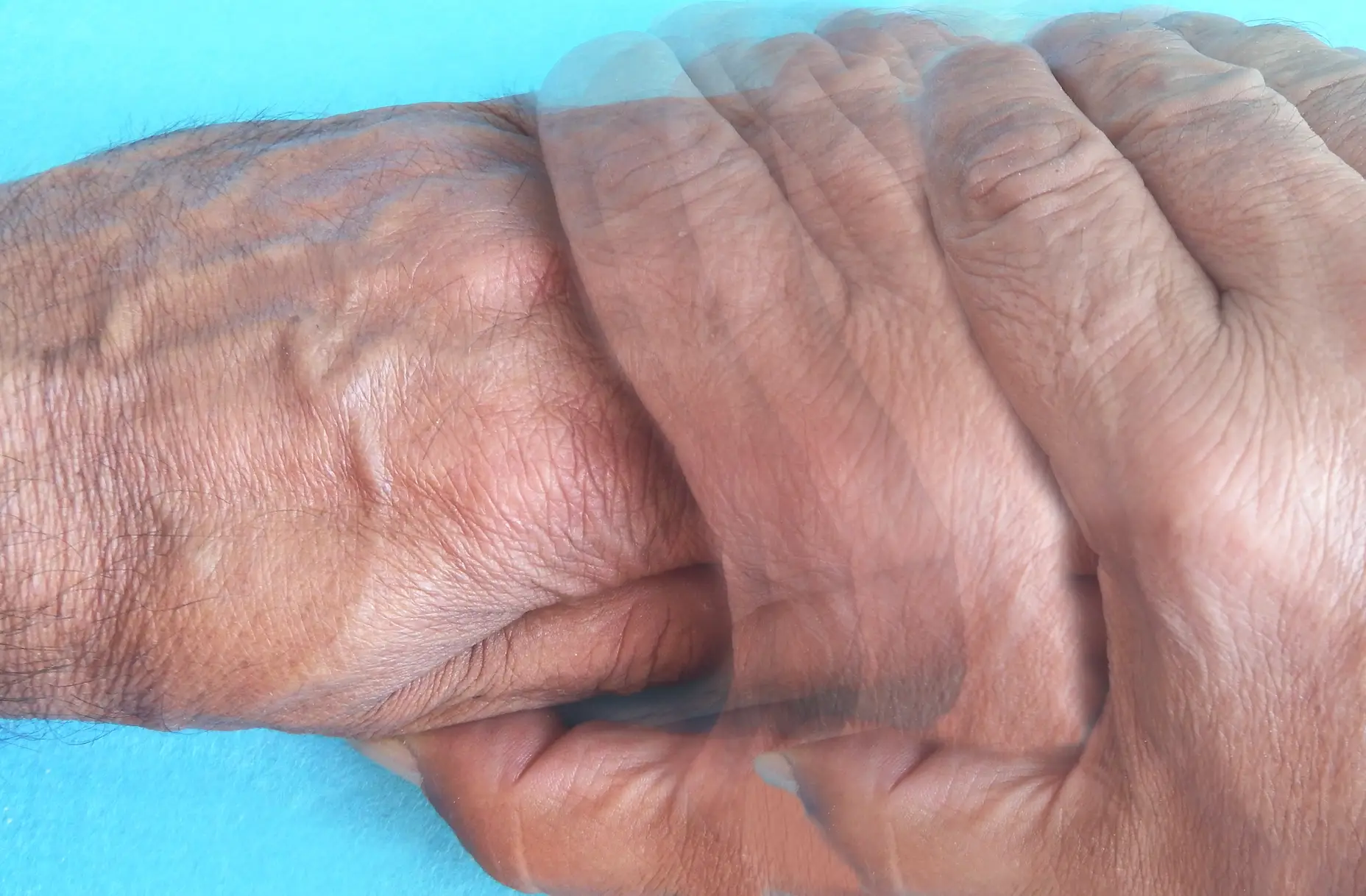
Dr Fackrell revealed: "Often, the first sign of Parkinson’s that people notice for themselves is that their handwriting has become smaller or tails off towards the end of a sentence, known as progressive micrographia."
Smaller or irregular handwriting 'signals reducing dexterity' but also the impact the disease has on 'motor skills'.
Early Parkinson's can even be spotted when it comes to analysing people's dreams too.
Dreams
Dr Fackrell explained he's had patients tell him about 'persecutory dreams' they've experienced, from being 'chased' or 'running' or 'bowling balls' or 'batting'.
These dreams can feel so real it can lead to them lashing out in bed or even falling and injuring themselves.
Topics: Health, Mental Health, NHS
 Poppy Bilderbeck