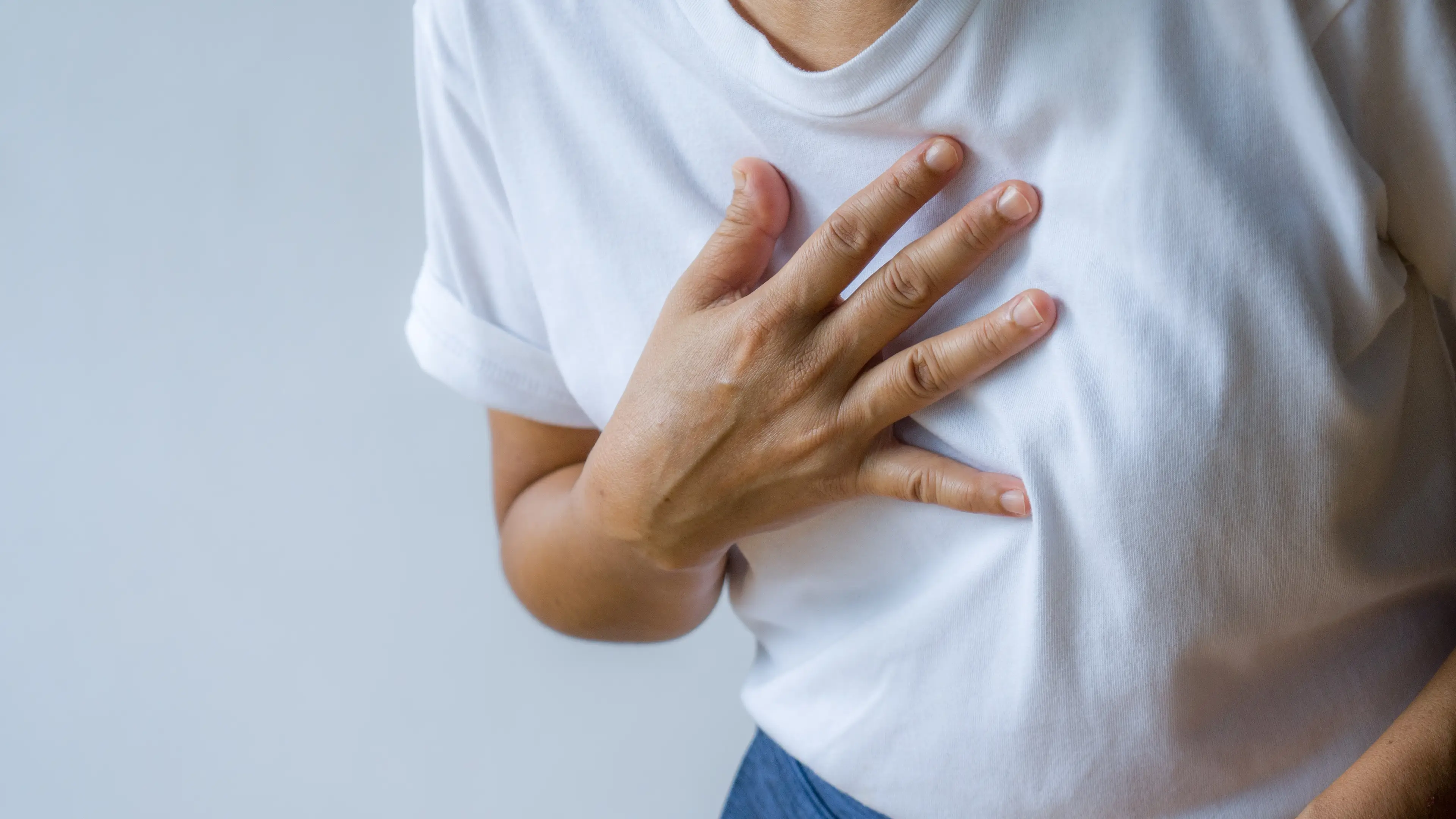
Five heart disease warning signs you might experience in your 20s

People in their 20s and 30s may have heart disease if they are experiencing the same warning symptoms.
The House of Commons Library estimated that around 7.6 million people in the UK are living with heart and circulatory diseases, with the British Heart Foundation confirming there are around 100,000 hospital admissions each year due to heart attacks.
The organisation further states that of those living with cardiovascular disease, over 4 million are men, while around 3.6 million are women.
Some people are more at risk than others of developing heart disease, such as those over the age of 50. But the major health issue can affect anybody of any age.
Advert
If you classify yourself as Gen Z (born between 1997 and 2012) or a late millennial, born after 1996 and before 1985, then you need to know five of the most common symptoms associated with heart disease.
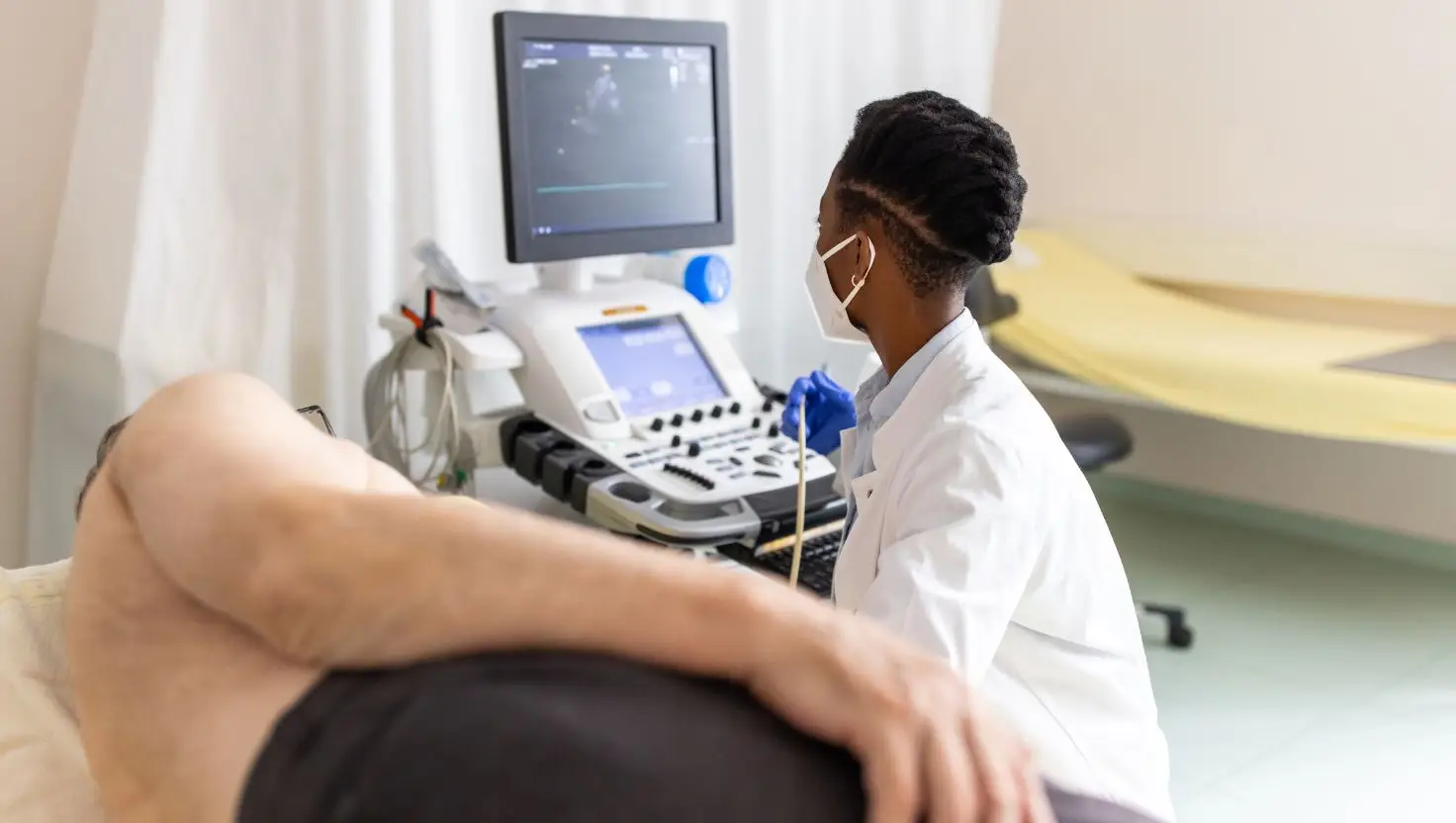
Chest pain or discomfort
Angina is defined by the American Heart Association (AHA) as chest pain or discomfort caused by the heart muscle not receiving enough oxygen-rich blood. This can feel like pressure or squeezing in your chest.
While angina itself isn’t a disease, it’s a clear symptom of coronary heart disease and coronary microvascular disease, a health issue affecting the smallest arteries in the heart.
You’re more likely to suffer from these chest pains or discomfort in general if you have high blood pressure, smoke, or practice an unhealthy diet.
The agony could also be an indicator of aortic stenosis (narrowing of the heart’s aortic valve) or pericarditis (inflammation of the tissues surrounding the heart), among other conditions.

Shortness of breath
The NHS states that breathlessness is one of the most common symptoms that could signify heart failure.
The issue can occur after activity or when you’re resting, and the healthcare provider adds that it may even worsen when you’re lying down.
An episode of breathlessness can come on suddenly or may be an everyday occurrence, according to The British Heart Foundation.
Fatigue
If you’re suffering from new, constant fatigue, this can sometimes signal heart failure or coronary artery disease, warned Harvard Medical School.
This tiredness or fatigue may occur because less blood is reaching the muscles and tissues, due to the reduced pumping ability of the heart.
Fatigue can also occur because the body is not removing waste products as quickly as it should, as reported by Heart Failure Matters.
If you’re suddenly feeling fatigued, it may be worth keeping a diary of your energy levels to continue monitoring any changes.

Dizziness or lightheadedness
While it can sometimes just be an annoyance, there’s the possibility that your persistent dizziness is a possible indicator of heart disease.
This warning sign can cause you to feel off balance, faint, or like you’re spinning, according to Beaufort Memorial Hospital.
In most cases, dizziness associated with heart problems is accompanied by other symptoms. It’s worth talking to your primary care provider if your dizziness or lightheadedness continues.
Loss of consciousness
Fainting, also called syncope, usually occurs when blood pressure is low and the heart doesn’t pump enough oxygen to the brain.
Often a serious symptom of an underlying medical condition, loss of consciousness is commonly seen in men and people over the age of 60, according to the AHA.
Syncope could also be a sign of cardiomyopathy - an issue with the heart muscle - various heart valve disorders, and arrhythmias, better known as abnormal heart rhythm.
Topics: Health, Women's Health, UK News
 Ella Scott