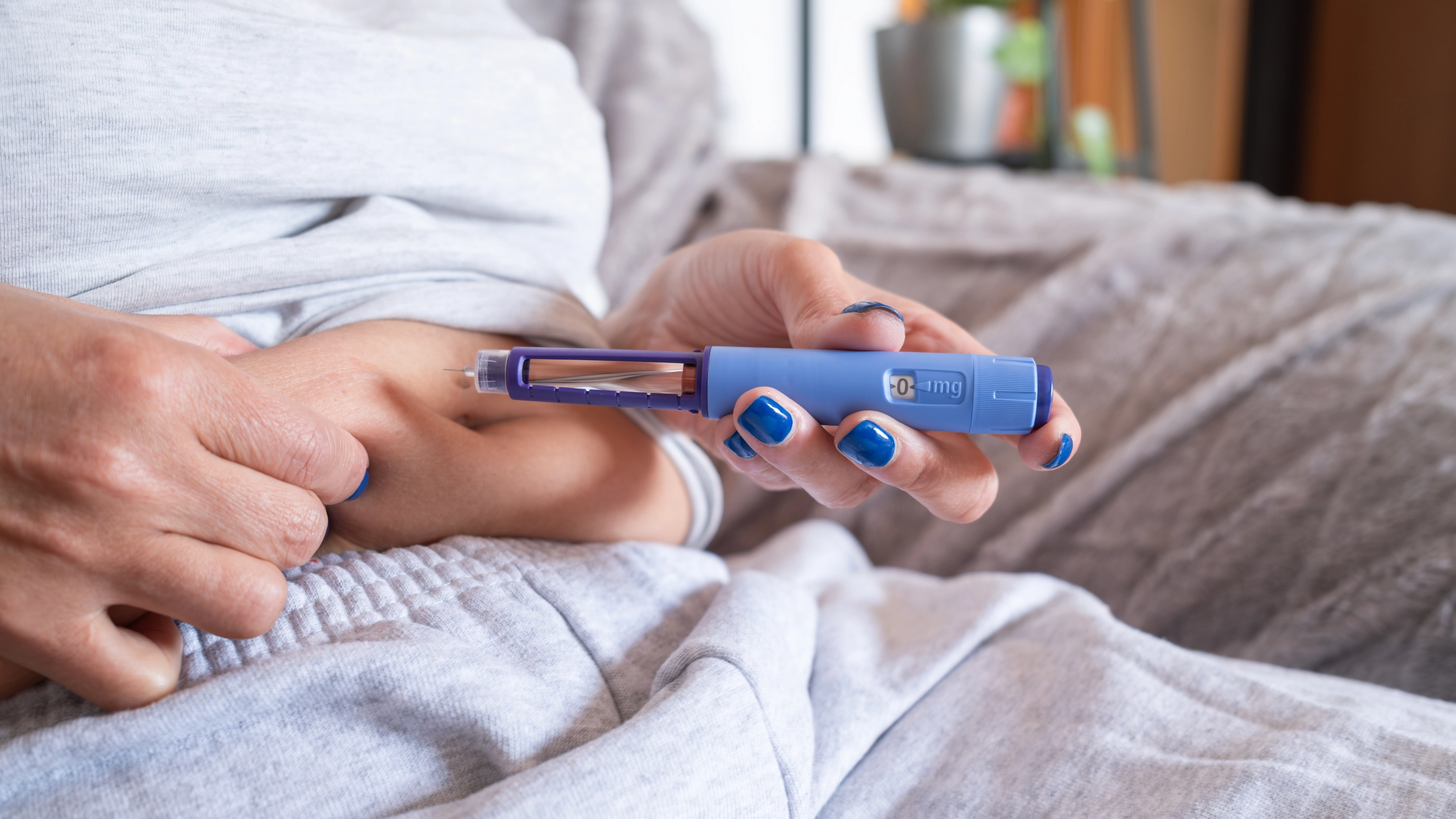
'Ozempic Butt' side effect that no one talks about as expert reveals how to avoid it

A particularly unwelcome side effect to Ozempic has left some users questioning whether or not the popular weight loss drug is truly right for them.
Initially introduced as used as a means of managing the effects of type 2 diabetes, this apparent 'medical marvel' has sky-rocketed in popularity in recent years, especially within celebrity circles.
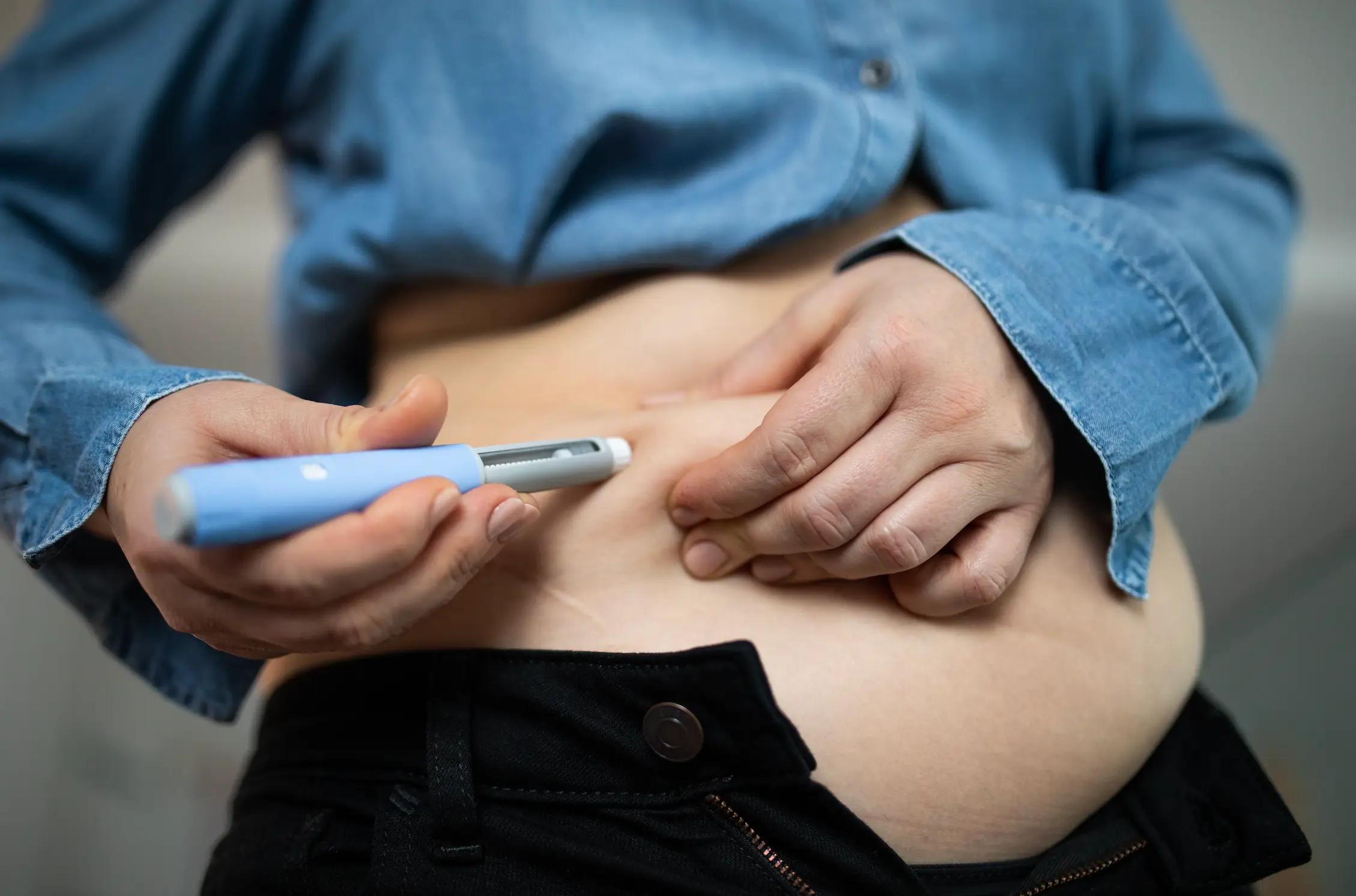
Ozempic mimics the hormone GLP-1 inside the body, simultaneously increasing insulin production and reducing the liver's glucose production. These processes send signals to the brain, slowing down digestion, creating a feeling of fullness and reducing a person's appetite.
Despite proving an effective weight loss 'hack', these such medications aren't totally risk free, with most users experiencing side effects like nausea, vomiting, diarrhoea or constipation during their early months.
Advert
As we say, however, there's another consequence of prolonged Ozempic use that has left some patients feeling rather deflated - literally.
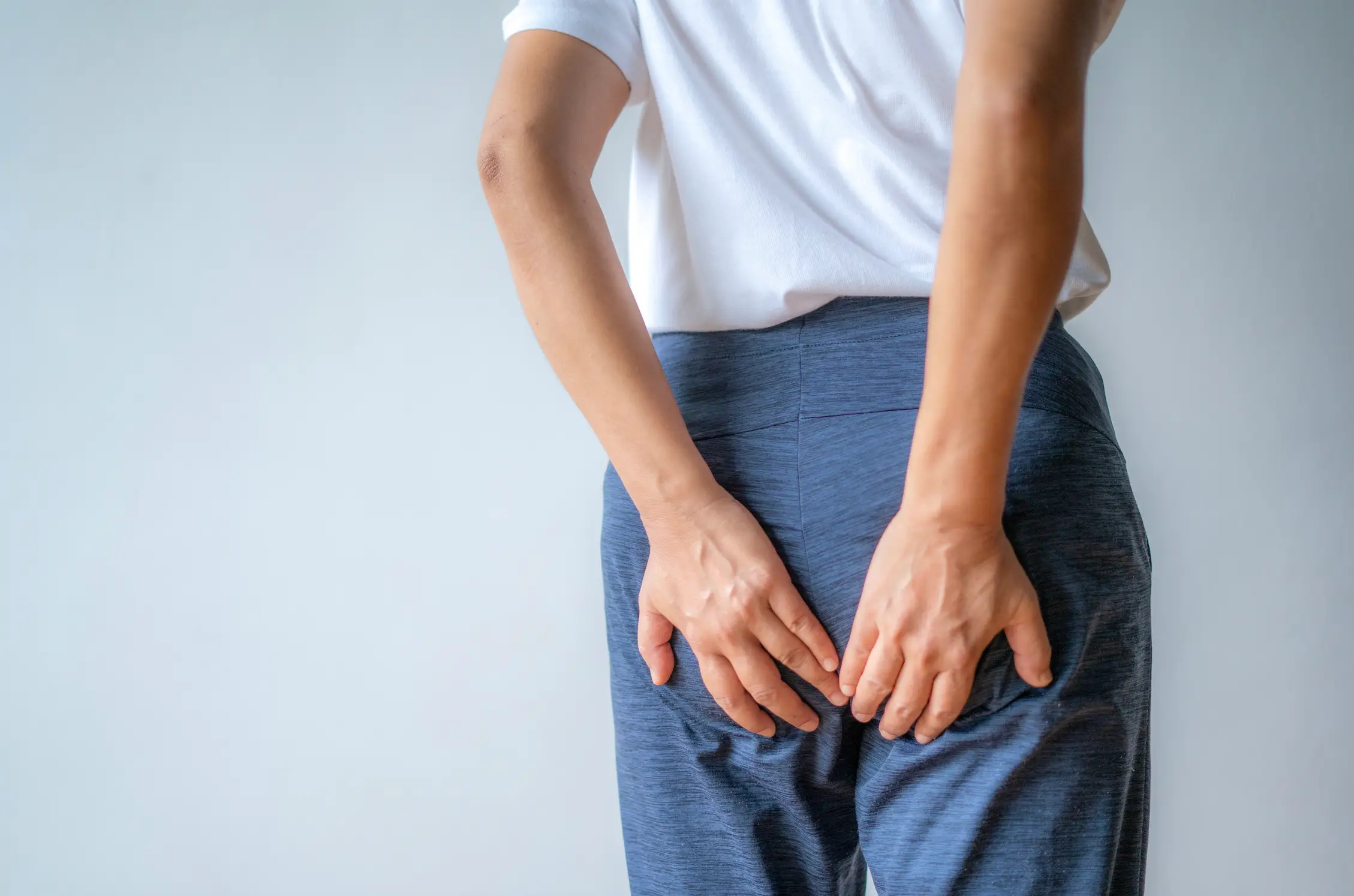
What is 'Ozempic butt'?
According to experts, the sudden loss of fat and muscle inside the body can cause skin in curvier areas to begin sagging and loosening.
Understandably, given that a person's behind is often the meatiest areas of their body, it's here that this loose, flabby or wrinkly skin is often found.
Nicknamed 'Ozempic butt', this condition is especially prevalent in cases whereby an previously-obese individual has lost a considerable amount of their overall body weight in a relatively short space of time.
Also, despite its namesake, a saggy new butt isn't a side effect that's strictly linked to Ozempic, with Mounjaro and Wegovy users all over the world complaining of the same symptom.
In fact, it shouldn't be linked specifically to injectables at all, with any person who has undergone rapid weight loss - either by extreme dieting, or a gastric bypass procedure, also being susceptible to 'Ozempic butt'.
What causes Ozempic butt?
A good way to think of it is - when you lose weight gradually, by instilling a healthy diet and conducting more exercise, your body has time to adjust to the change in shape caused by the slow burning of fat.
When this happens on a much quicker timescale, the body is forced to adapt to this sudden change in shape, which can leave skin saggy.
On top of this, some experts say that rapid weight loss might also cost a person their skin's natural collagen and elasticity, which would be vital to seeing it bounce back and fit to the body's new shape.
"The public term 'Ozempic butt' may be a result of what we see with weight loss in general," obesity medicine sub-specialist Dr Scott Butsch, who works at Ozempic manufacturer Novo Nordisk, previously explained.
"When somebody loses weight — whether that’s with diet changes, an increase in physical activity, medication or bariatric surgery — we know there’s a reduction in fat mass, as well as a reduction in muscle mass."
The medic added of the condition: "Your body doesn’t need to carry that previous weight, so there’s a shrinking of the muscle."
How to avoid Ozempic butt
Apparently, however, there are ways that people interested in weight loss medication can avoid suffering with loose skin on their butt - firstly, by discussing with your doctor the importance of taking the process slowly.
On this, Dr Butsch suggested: "Have a conversation with your healthcare provider about your goals and possible side effects. They can prescribe or adjust your medication so you lose weight slowly — about one or two pounds a week — versus rapid weight loss.
"This will give your body time to react and respond to any weight changes."
If you've recently begun using injectables, he adds that both hydration and protein intake are key to retaining collagen within the skin.
"Making sure you drink enough water throughout the day can help your skin stay elastic," the doctor continued, adding: "Protein helps you build and keep muscle as you reduce body fat. The amount you need can vary from person to person."
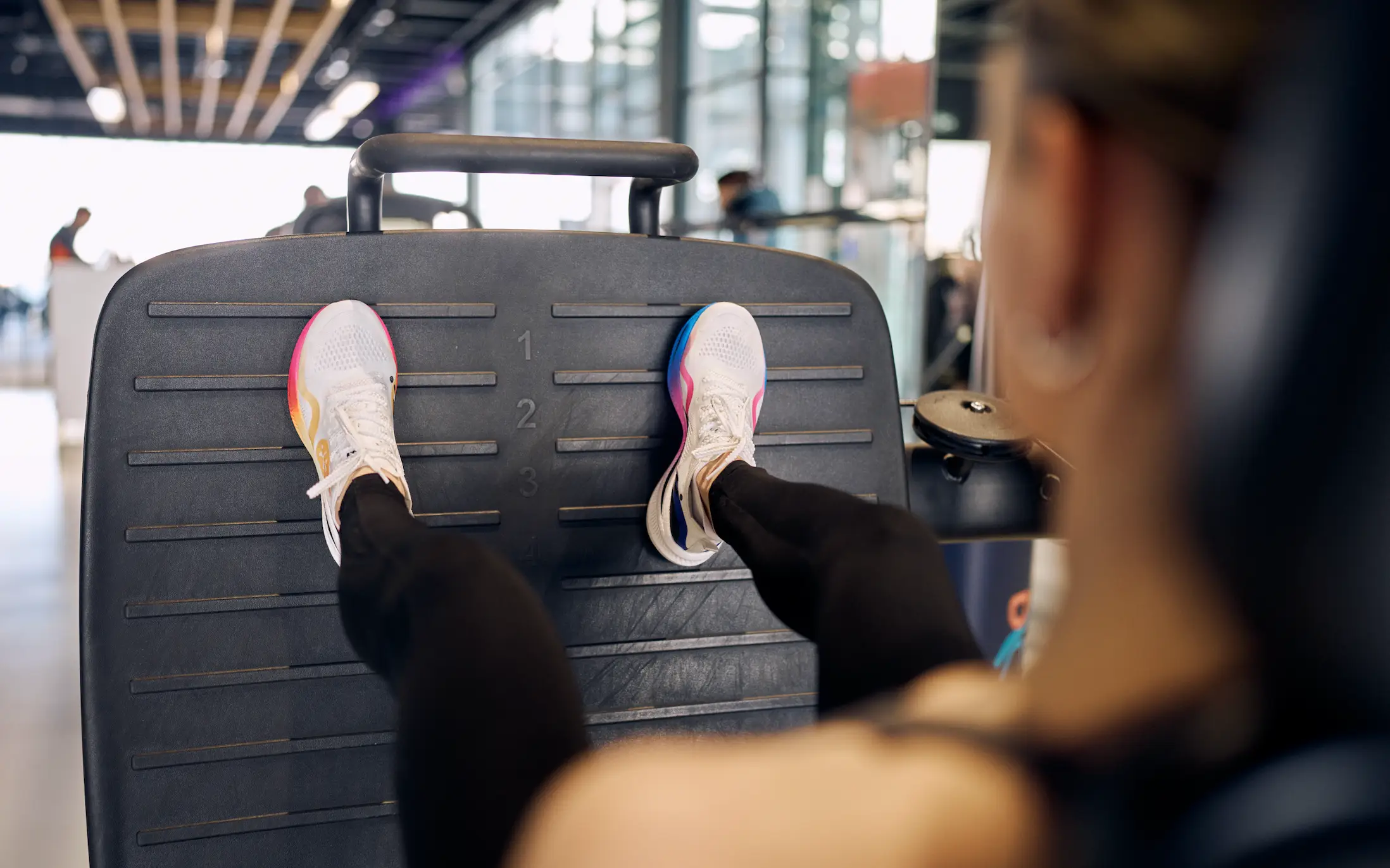
In terms of exercise, Dr Butsch added that strength training is a great place to start, possibly with resistance bands and weights, which have proven to strengthen glute muscles.
"Certain moves like clamshells and reverse dumbbell lunges target the muscles in your butt," he continued.
 Rhianna Benson