
List of vitamins you shouldn't take together as 'dangerous' side effects revealed

In an era when wellbeing dominates the conversation, more of us than ever are turning to supplements in a bid to stay on top of our vitamin and nutrient levels.
Worried about your energy levels? Iron pills have got your back. Keen to ward off springtime bugs? Reach for the zinc. Hoping to boost your body's natural collagen levels? Thank goodness for vitamin C, am I right?
Apparently, however, while stocking up their pantries with enough pills to turn Frankenstein's monster into a TikTok wellness girlie, many consumers are overlooking the risks that come with some specific combinations.
"Many people don’t realise how much timing matters when it comes to supplements," registered dietitian-nutritionist Amy Margulies told Good Housekeeping. "Some are better absorbed with food, while others are best absorbed on an empty stomach. Other combinations can actually interfere with each other or with medications."
Advert

Iron and calcium
What are they for?
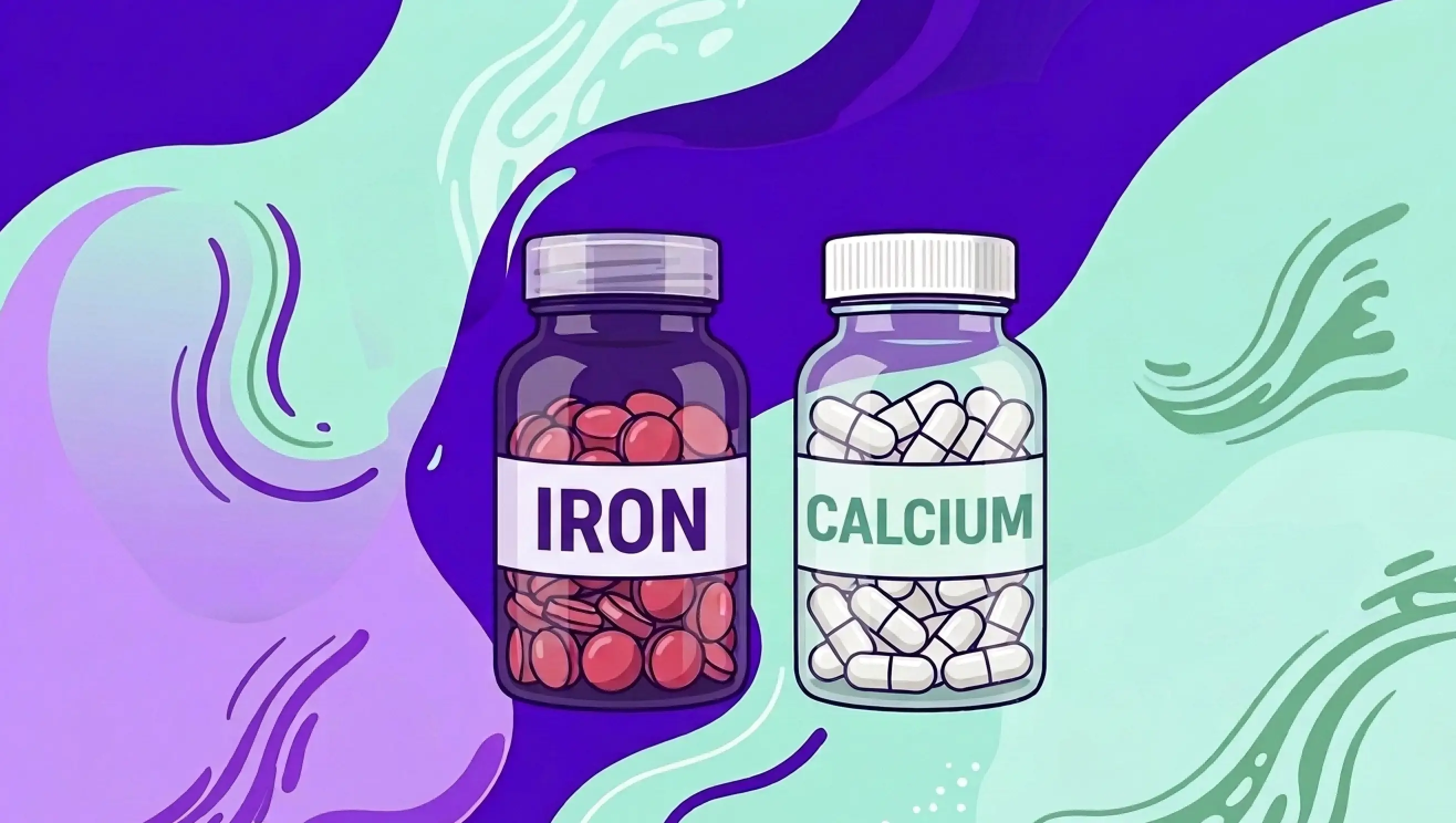
Iron supplements are often recommended by doctors to prevent and treat iron-deficiency ana emia. Tablets do so by supporting red blood cell production, which helps oxygen be transported more freely around the body.
Calcium supplements, meanwhile, focus on strengthening bones and teeth. In older adults, they can help lower the risk of osteoporosis.
What are the side effects of combining them?
Combining these two tablets can cause a few issues surrounding the effectiveness of each.
Calcium can block iron absorption in the gut, which may reduce how effective your iron supplement is.

Therefore, if you're taking iron supplements for iron-deficiency anaemia, combining them with calcium regularly may slow improvement in iron levels.
On top of this, when blended together in the stomach, both can inflict mild gastrointestinal issues, like constipation, bloating, nausea and general discomfort.
How best to take them
Doctors usually recommend taking iron and calcium supplements at least two hours apart.
The former should also be consumed alongside a form of vitamin C (possibly a glass of orange juice) to improve absorption, and definitely not with milk.
Iron and zinc
What are they for?
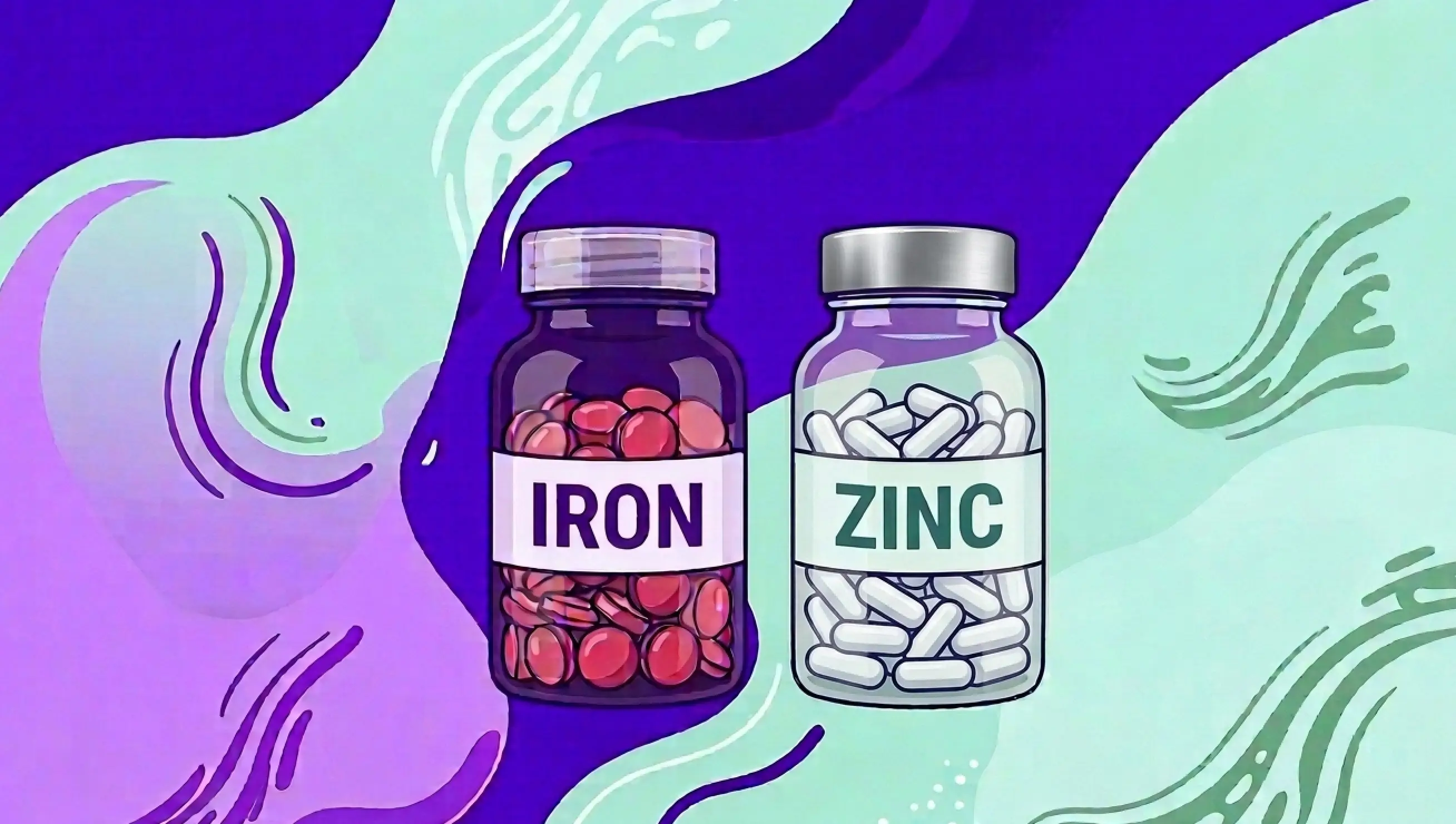
We've already touched on the support benefits of iron tablets.
Zinc supplements, meanwhile, are widely recognised for their role in strengthening a person's immune system.
They also aid the body in defending itself against infections and potentially shorten the length of common colds.
Beyond immunity, Zinc is essential for proper wound healing, preserving normal taste and smell, and supporting brain function, hormone balance, and reproductive health. On top of this, these specific supplements supposedly help to contribute to maintaining healthy vision.
What are the side effects of combining them?

As in the above case, iron and zinc supplements can compete for absorption in the intestine. Taking high doses of both at the same time may reduce how much of each mineral your body absorbs.
Again, this combo could also cause discomfort within the stomach and cause nausea, cramps, constipation, or diarrhoea.
How best to take them
Similarly, medical experts recommend waiting two hours between popping each of these pills.
On top of this, many agree that zinc is usually best consumed on an empty stomach.
Copper and zinc
What are they for?
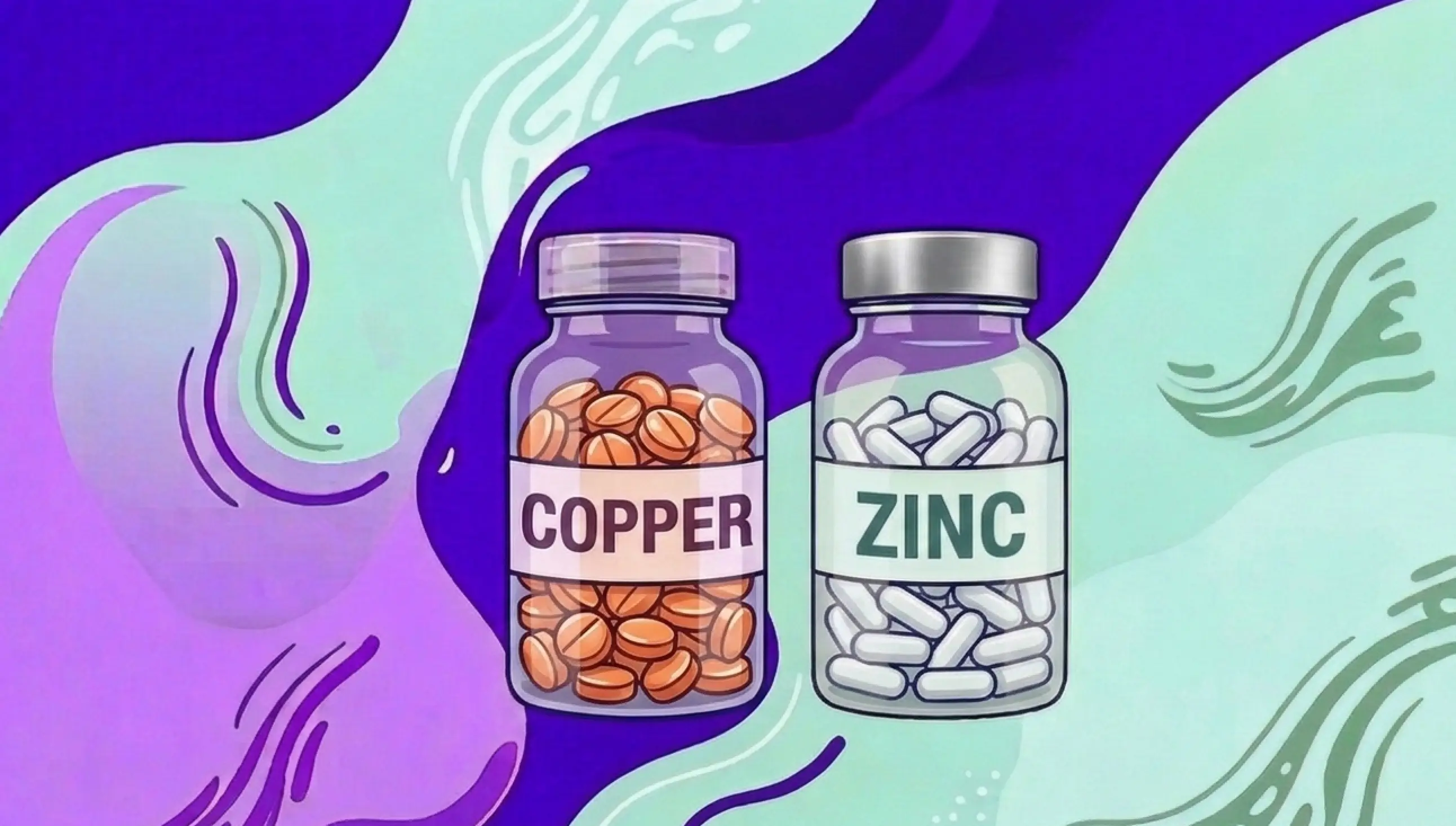
Again, we've already covered the alleged advantages of zinc supplements.
When it comes to copper, however, these are often prescribed to patients whose immune system function needs a little more support.
They're also known for boosting energy production, nervous system health, and connective tissue maintenance.
What are the side effects of combining them?
Taking these two vitamin types together could trigger a minor mineral imbalance.
High doses of zinc can interfere with copper absorption. Over time, this may lead to copper deficiency, which can cause anaemia, weakened immunity, or nerve problems.
On top of this, the dangerous combination can cause the same stomach afflictions already mentioned.
How best to take them
While both copper and zinc supplements can and should be taken on an empty stomach, experts advise separating them by two hours.
Calcium and magnesium
What are they for?
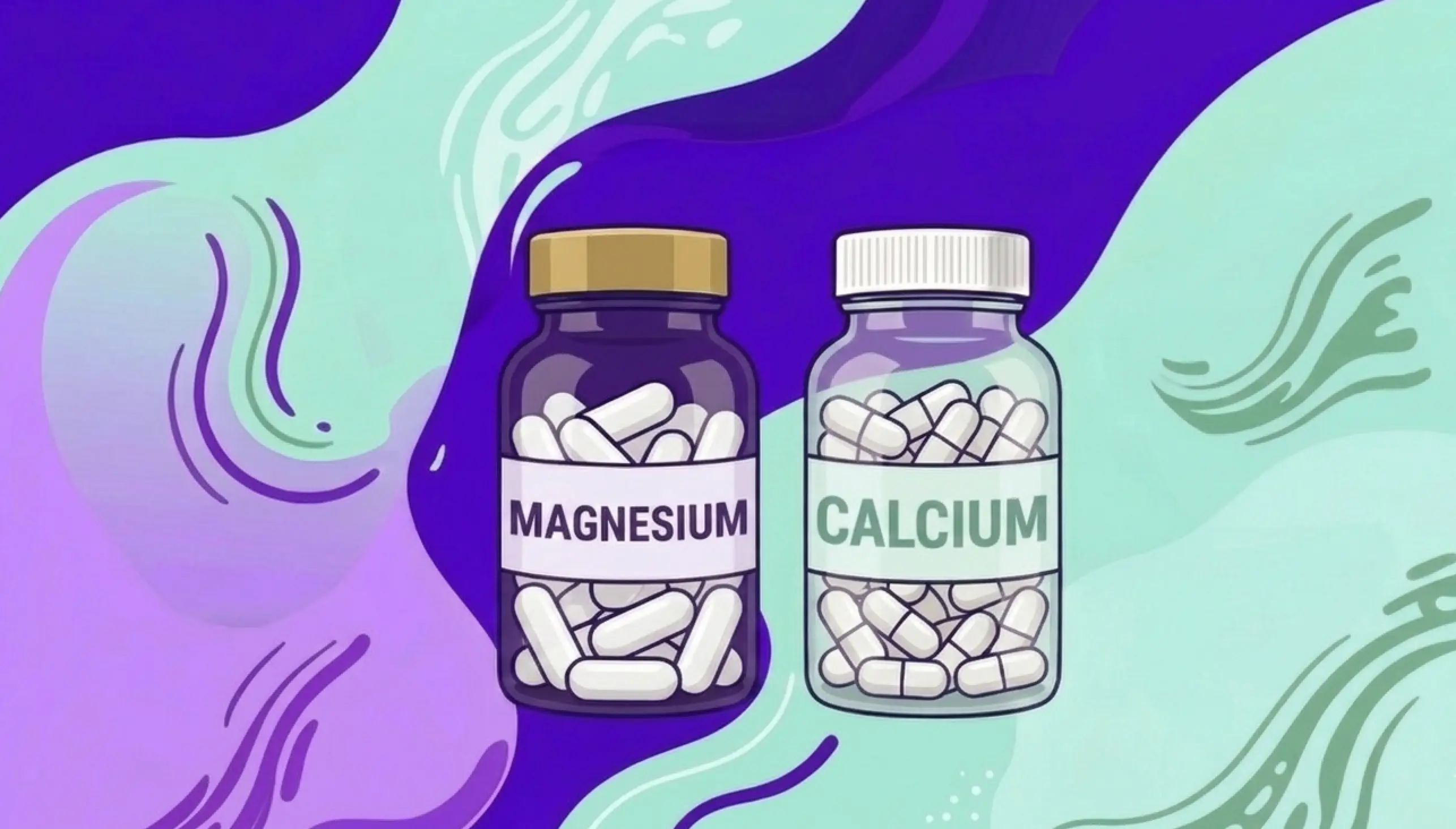
By now, we already know that calcium supplements are famed for their bone-strengthening abilities.
But another popular vitamin supposedly having its day is magnesium. These powerful pills are best known for supporting healthy muscle and nerve activity, assisting in maintaining a steady heart rhythm, and playing a central role in the body's energy production processes.
In addition, magnesium, like calcium, contributes to bone strength and may help ease muscle cramps while promoting relaxation and better sleep quality.
What are the side effects of combining them?
This twosome each compete for absorption in the digestive system. Magnesium can cause diarrhoea, nausea, or stomach cramps, while it may cause constipation and bloating.
Dosage of each might also pose a problem. High doses of calcium can interfere with magnesium absorption, and vice versa, particularly if taken together in large amounts.

How best to take them
Again, doctors seem to agree that these should be taken at least two hours apart.
The best way to spread them out is to have your calcium fix in the morning - ideally with food - and magnesium in the evening. Its calming effects are best suited to nighttime consumption.
Vitamin B12 and vitamin C
What are they for?
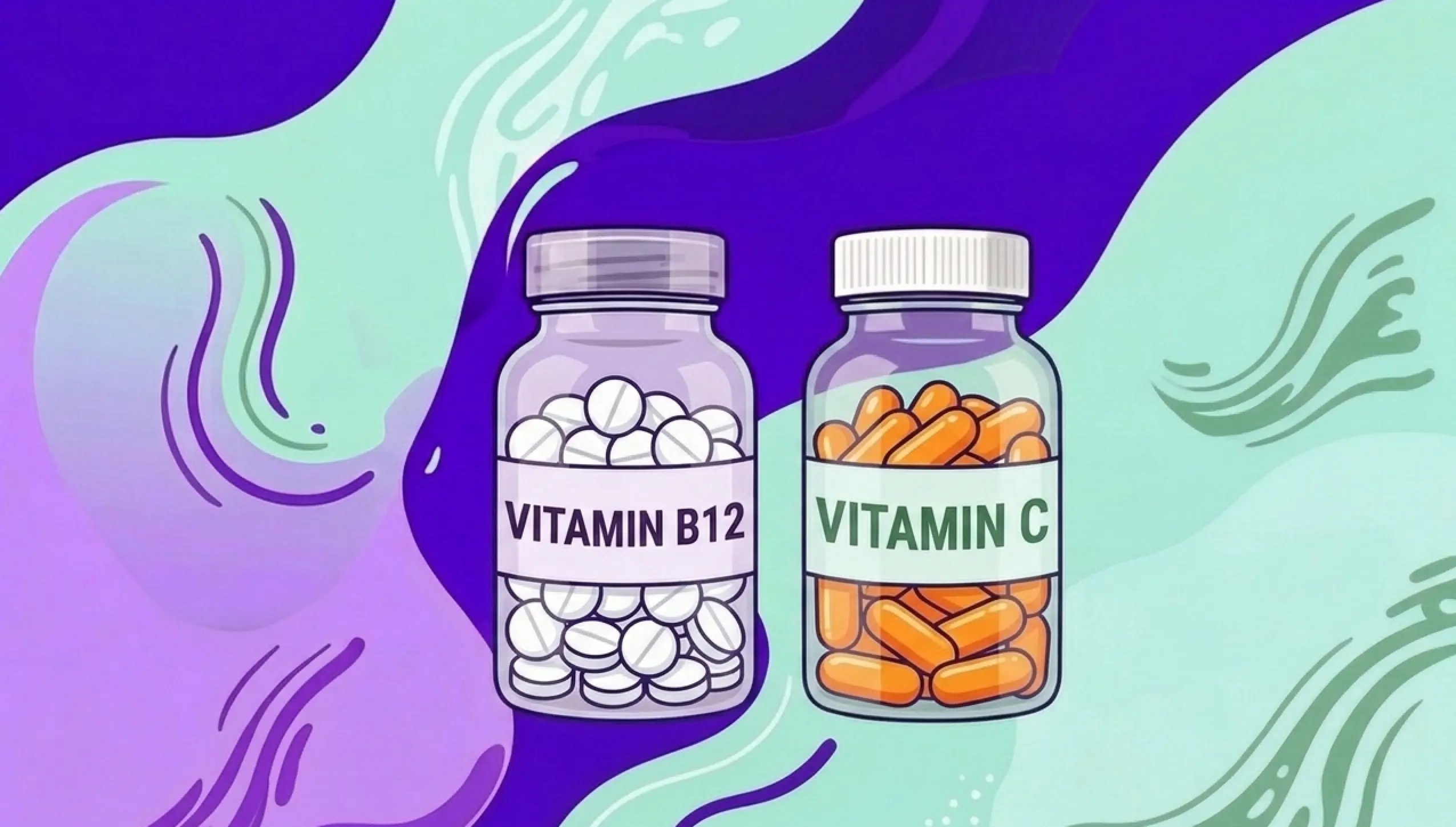
Vitamin B12 tablets come with a whole host of supposedly essential benefits. These include preventing deficiency, promoting healthy red blood cell formation, supporting neurological function, and boosting energy levels.
These supplements are also vital when it comes to DNA synthesis, and could even aid in improving heart health, mood regulation, and skin/hair health.
Vitamin C, meanwhile, is said to provide essential antioxidant protection to the body, as well as boost immune function by aiding white blood cell production, promoting collagen synthesis, and promoting skin, bone, and vascular health.

What are the side effects of combining them?
The acidity of the latter can mean that, in large doses, the propensity of vitamin B12 could be drastically lowered, rendering it somewhat futile.
This side effect comes on top of a number of stomach issues, with vitamin C known among many consumers for triggering things like diarrhoea, stomach cramps and nausea.
How best to take them
Think alphabetically, that's what doctors say.
Kick the day off with your vitamin B12 and a light breakfast, and then after two hours, go in for your vitamin C.
 Rhianna Benson