
Having a lie-in could actually be doing damage to your health

A lie-in has long been considered the ultimate guilty pleasure.
I mean, what's more satisfying than repeatedly whacking the snooze button to indulge in a few more hours of well-deserved shut-eye? Who cares if all your worldly responsibilities fall to the wayside? You'll get to them eventually.
Apparently, however, if you're particularly partial to a lazy morning and find yourself overindulging in sleep almost every weekend, you could be doing irreparable harm to your health.
This eerie warning has been issued by a number of medical professionals, who've reportedly found a strong link between prolonged time spent between your bedsheets and the likelihood of developing a resistance to insulin later down the line.
Advert
According to Diabetes UK, of the 4.6 million people currently living in the UK with a diabetes diagnosis, 90 per cent of them are battling type 2.

As a reminder, this isn't the type that people are born with. It occurs when the body fails to use its insulin properly, possibly as a result of obesity or high blood pressure.
As we say, however, excessive sleep has also been deemed a contributing factor to a type 2 diabetes diagnosis by the authors of a study recently published in the BMJ Open Diabetes Research & Care. Such is also said to be the case with too little sleep.
"Poor sleep often leads to poorer appetite control, so people tend to eat more," University of Glasgow cardiometabolic medicine professor, Naveed Sattar, summarised this pattern. "And less sleep means more time awake to be able to eat."
Getting into the specifics, Ulster University endocrinology professor Alex Miras went on to explain that, when a person has too much or not enough sleep, this directly affects their hormone levels - especially the one that handles stress.
"Sleep deprivation has been known for years to be associated with higher levels of body stress," he told The Independent. "Meaning that the body produces excess cortisol and other molecules that have a negative effect on glucose regulation.
"More specifically, it can increase the resistance of muscles to insulin, which can increase blood glucose."
Following a study of 10,817 participants from the National Health and Nutrition Examination Survey, all of whom were aged 20 to 80, researchers concluded that the optimal sleep duration for insulin resistance was exactly seven hours and 18 minutes.
Any duration higher or lower was associated with a high glucose disposal rate (eGDR), which indicates a high resistance to insulin, which causes diabetes.
This rate was calculated based on the waist circumference, fasting blood glucose and blood pressure of each participant.
It was also found that, when someone prone to sleeping less than the ideal 'sweet spot' in the week attempts to make up for it by enjoying a lie-in at the weekend, they could actually be inflicting the most severe harm.
Researchers claimed this catch-up on sleep was 'only in moderation', and 'specifically for those with weekday sleep debt, whereas it may be detrimental for those who already sleep sufficiently'.

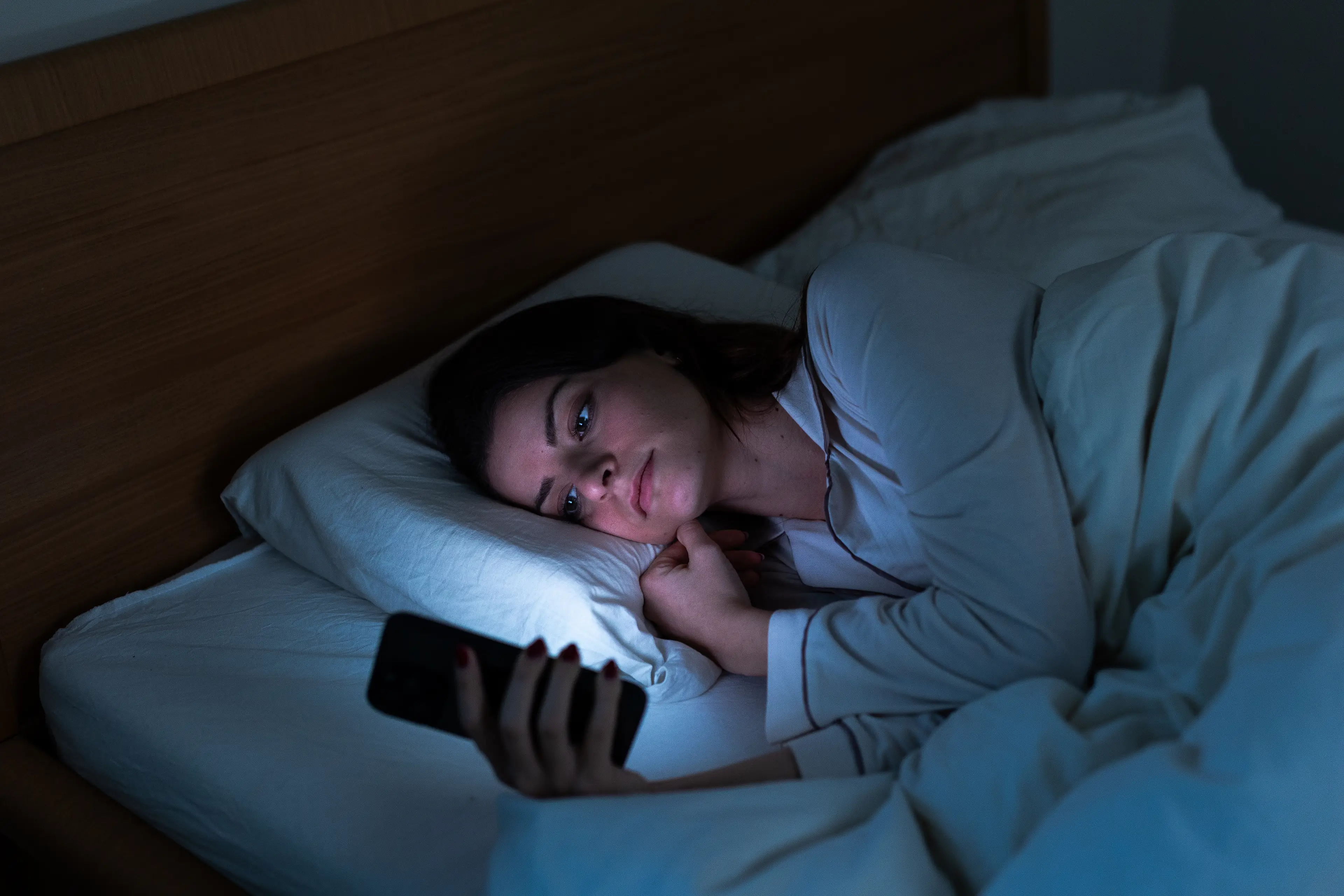
Asked how these findings should be applied, Sattar emphasised: "The practical message is that people should work hard at developing a good sleep hygiene: going to bed at consistent times, creating a wind‑down routine, and reducing screen use - particularly mobile phones - in the hour before bed.
"The easy access to digital distractions is likely contributing to declining sleep quality and duration, which may in turn contribute to more obesity and diabetes."
 Rhianna Benson