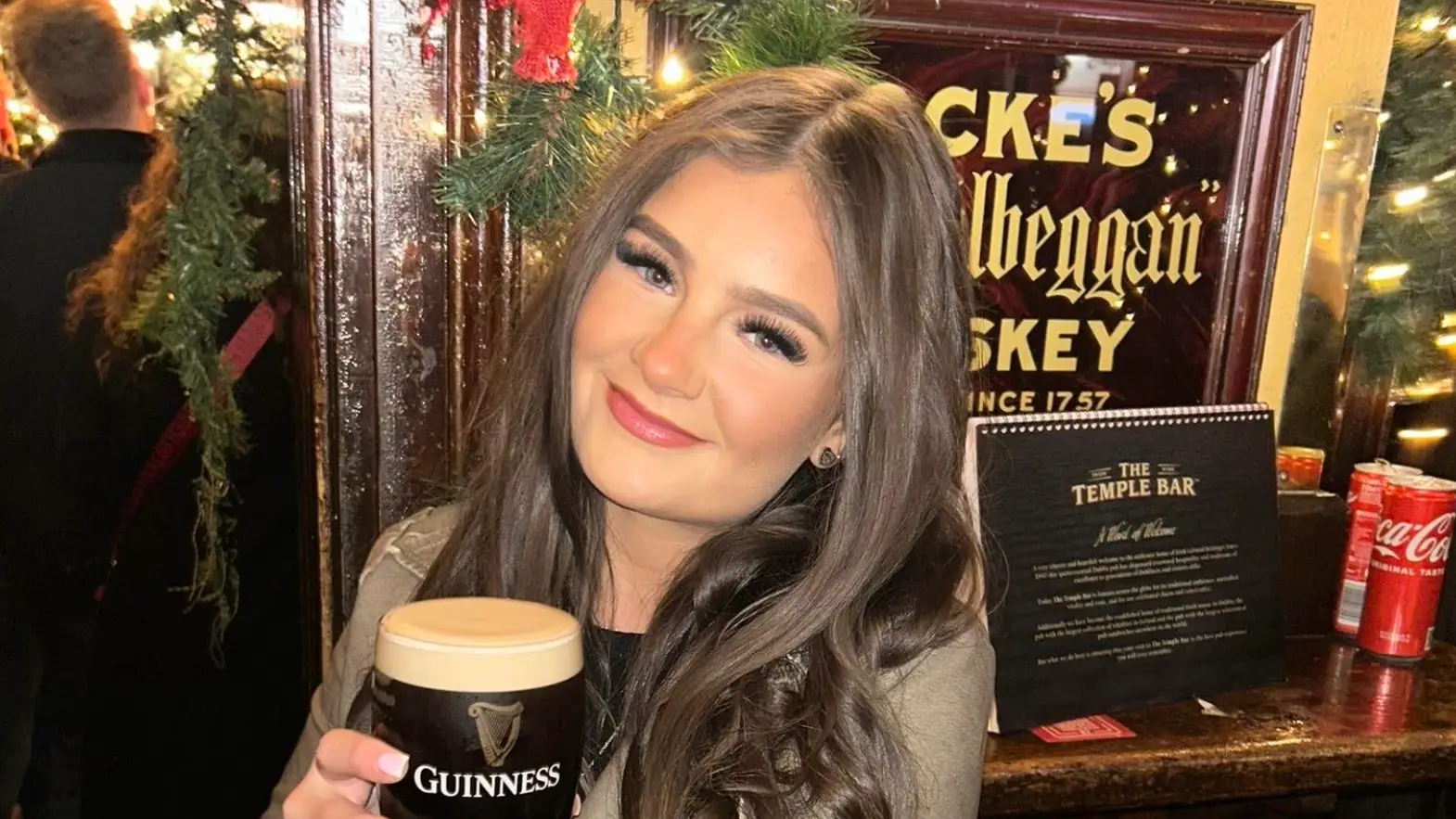
Mum of 19-year-old girl who died from rare side effect of contraceptive pill demands warning introduced

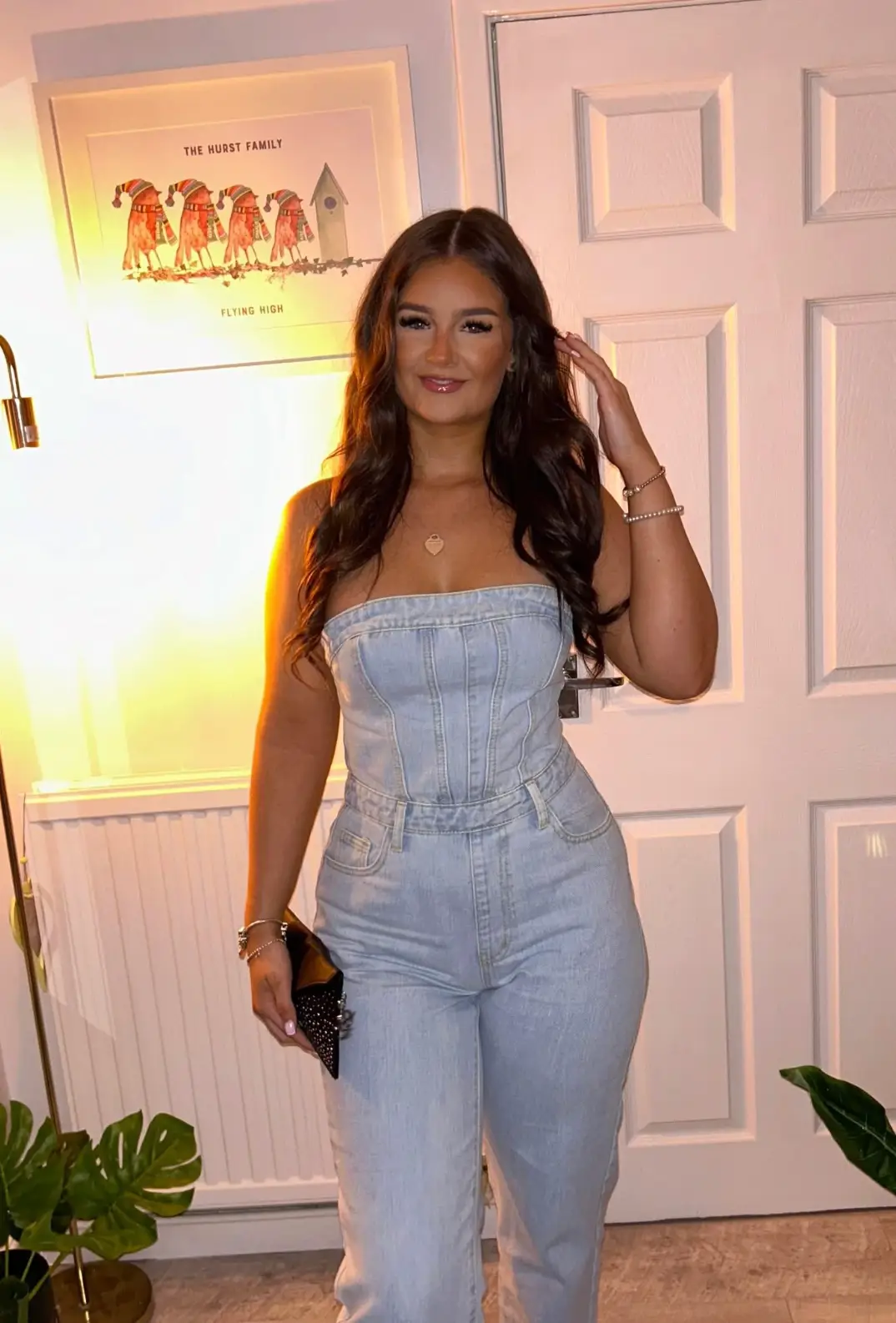
It's been almost a year since British teenager Áine Rose Hurst tragically died from a blood clot linked to her contraceptive pill.
Now, her mother, Kerry, is hoping the government will step up in rolling out campaigns raising awareness of the risks of female birth control.
Hurst was just 19 when she was rushed to Royal Bolton Hospital in March 2025, days after first complaining of a throbbing headache.
There, it was ruled by medics that the student was in the midst of 'severe brain swelling', which stemmed from the use of her prescribed oral contraceptive pill, Femodette, which she first received in 2020.
Advert
She remained on the same form of contraception in the years that followed despite raising concerns regarding her high blood pressure, which her family previously claims were overlooked by nurses.
Hurst took a break in 2024 following advice from Bolton GP Federation nurse Emma Walker, however, only for her assertion to be countered a month later by her GP, Dr Moyinoluwa Oluwaseyi Onayade, who claimed her blood pressure fell within the correct guidelines.
In March of the following year, she died in hospital.
Doctors had told her parents they were unable to operate on the deadly clot, given its size. They'd also agreed that any surgery on Hurst's brain would 'probably make things worse'.
In an inquest that concluded back in November, attendees heard that the teenager had died of cerebral venous sinus thrombosis, with the oral contraceptive pill almost certainly contributing to her passing.
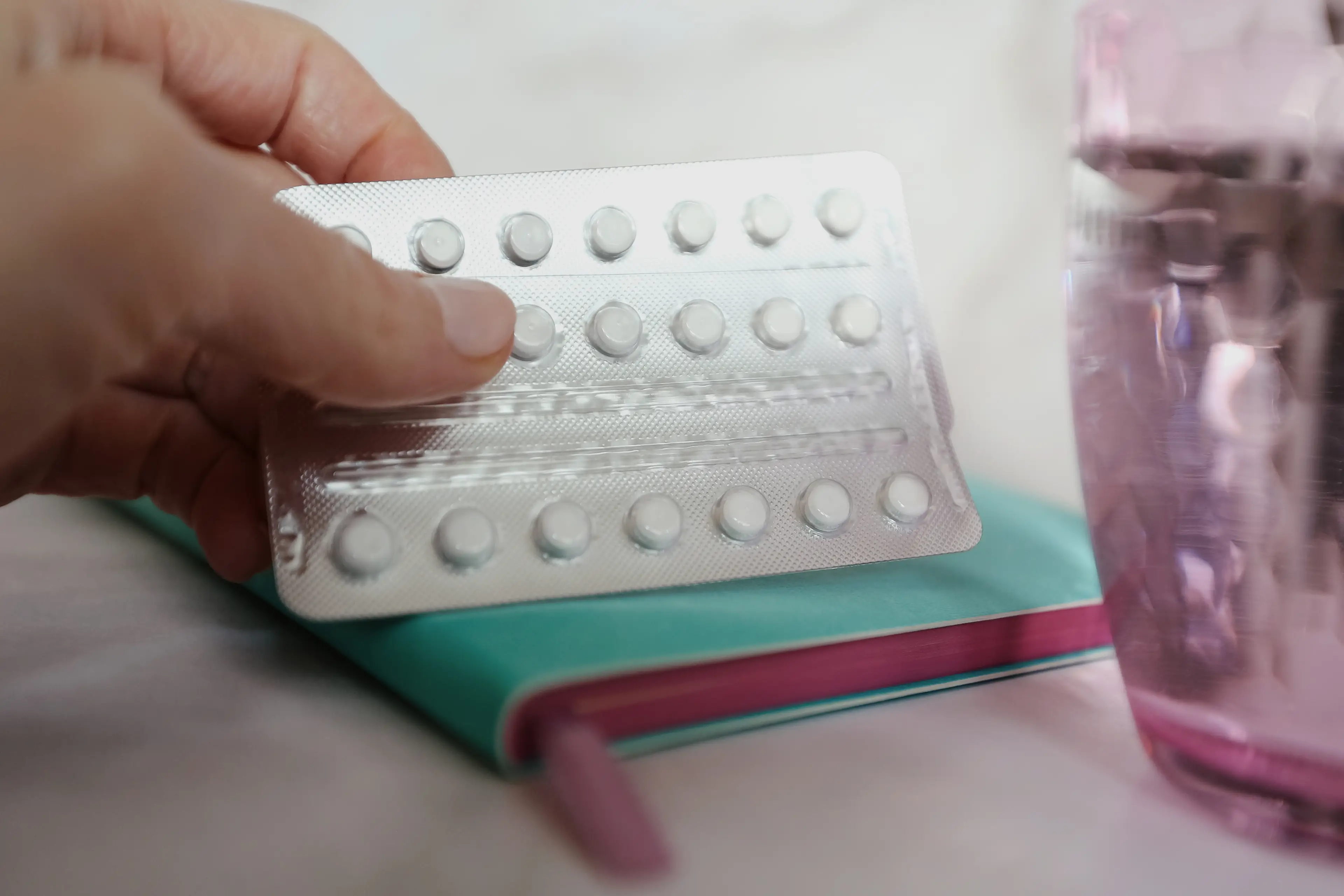
Her mother, Kerry, is now using her hellish experience as a means of raising awareness on the side effects of pregnancy prevention pills, to prevent any other youngsters from having their lives cut short.
She joined Sky News' Sarah-Jane Mee alongside Hurst's aunt, Dawn Kidd, who began by slamming the minimal 'awareness out there' on the risks.
"In particular, with Aine's pill that she was on, inside that packet, inside that box, was a 102-page leaflet, which nobody reads," she added. "Probably now, my god, would we have read that. However, people don't.
"Especially young girls, and there's got to be clearer labelling on these packages."
Hurst's auntie continued: "I just feel there's so much more that can be done to prevent this tragedy ever happening again."
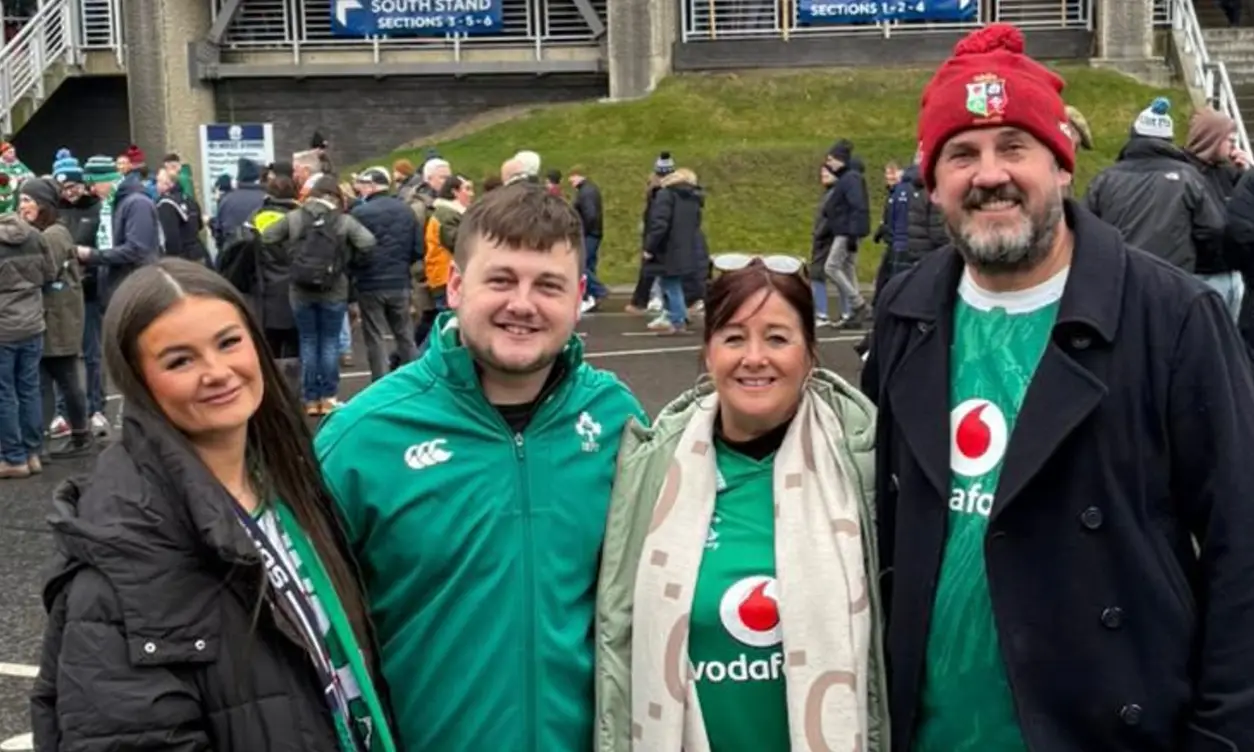
Kerry - who has since set up The Áine Rose Contraceptive Safety Foundation - also pointed out that 'anybody can purchase (contraception pills) online or in a pharmacy', claiming she and Dawn 'just want more awareness around the potential side-effects and what young women are taking and putting in their bodies'.
The heartbroken mum also told BBC Global this week: "We're never going to get Áine back, but if we can make a difference to someone else's life, and stop that happening again, then I hope that's what we can do."
It's vital to note, however, that in response to the family's latest claims, the Bolton GP Federation insist that both the coroner and their own internal review found that the teen had been appropriately prescribed her medication.
"We would like to express our sincere condolences to Miss Hurst's family at this very difficult time," a statement from the health body began. "In relation to the GP, as his employer, we carried out our own internal review and considered this alongside the findings of the inquest.
"Our review and the inquest both concluded that the GP consulted with Miss Hurst in line with the UK Medical Eligibility Criteria (UKMEC), the nationally recognised guidance used by clinicians when a patient requests this medication."
Topics: Life, Real Life, True Life, UK News, Women's Health, Health
 Rhianna Benson