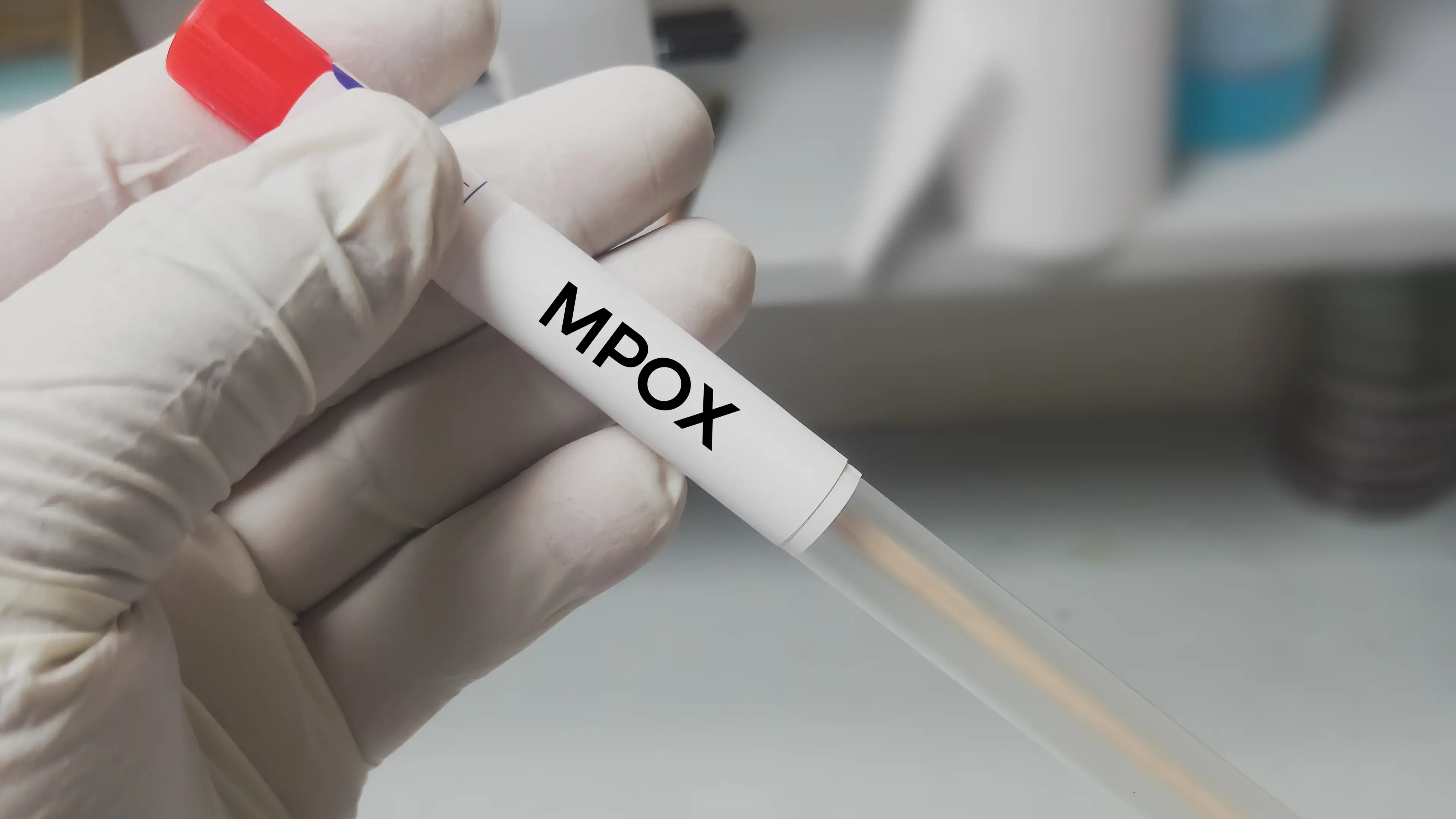
Experts reveal one unusual mpox symptom you should never ignore

Concern has been mounting after a new mpox strain was identified in the UK this week, and there's one unusual symptom you should look out for.
For those not in the loop, mpox, formerly known as monkeypox, is a rare, contagious infection that typically causes a rash and flu-like symptoms.
It's most commonly found in central and eastern Africa, and there have been a small number of cases in the UK since 2022. The UK Health Security Agency (UKHSA) has confirmed that the strain was found in a person who had recently travelled to Asia.
Officials said they identified a 'new recombinant mpox virus', which, in simpler terms, means it's made up of genetic material from different existing mpox viral strains. The UKHSA also said that genomic sequencing showed that the mpox genome contained elements of clade Ib and IIb mpox.
Advert
This news has come at a time when many of us are already feeling under the weather with the common winter cold and flu.
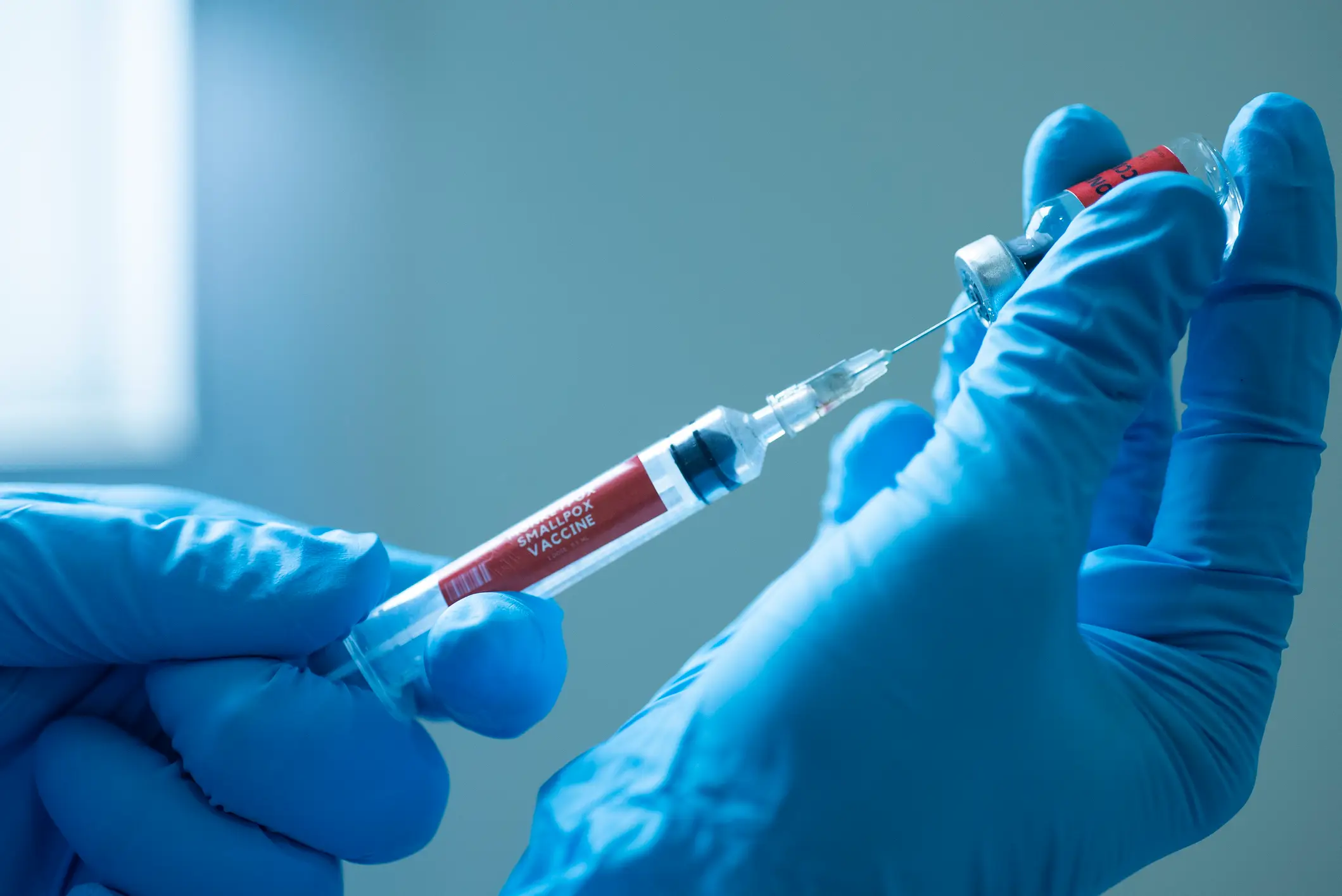
So, having this thrown into the mix does complicate things slightly, as mpox and the flu have some overlapping symptoms.
The first symptoms of mpox can include:
- a high temperature, or feeling hot, cold or shivery
- a headache
- muscle aches
- backache
- swollen glands
- shivering (chills)
- exhaustion
- joint pain
As we say, many of these symptoms sound like the average flu, which can make it difficult to differentiate the two. Although the symptom that indicates you're dealing with more than a common flu is a characteristic rash that progresses from lesions to fluid-filled blisters, which usually lasts two to four weeks.
The NHS advises that the mpox rash usually appears between one and five days after the first symptoms, and it can be on any part of the body, including the palms of the hands, soles of the feet, mouth, genitals and anus.
There's also another potential key symptom you should never ignore, which is anal pain or bleeding from your bottom.
As reported by Live Science Plus, historically, the mpox rash typically shows up around the face and in the oral cavity first before progressing to other places.
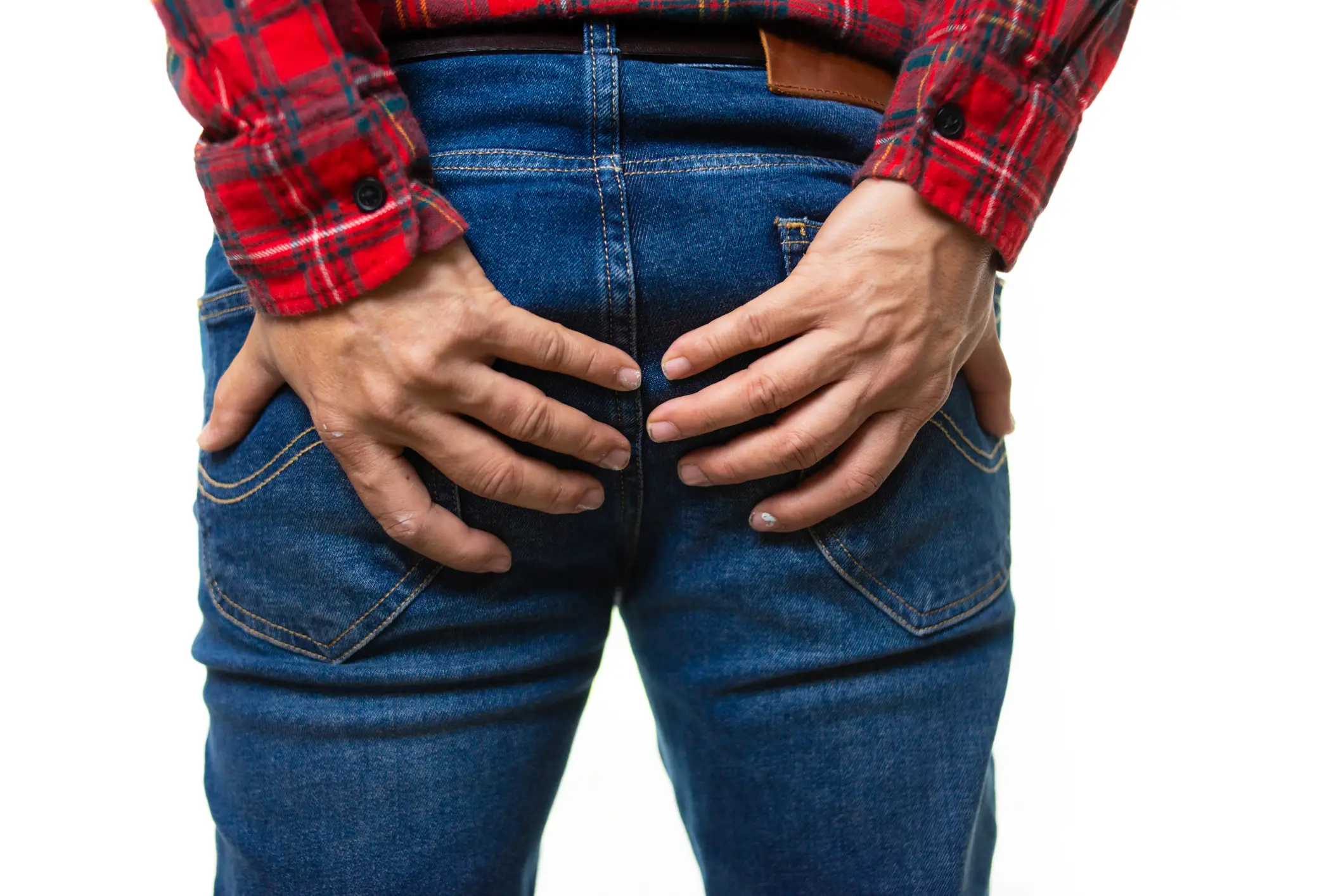
However, the Centers for Disease Control and Prevention (CDC) reported in 2022 that many patients in the US have seen the rash initially appear around the genitals and anus, as well as the tissues lining the mouth.
The publication further reports that in some patients, these rashes have caused pain in the anus and rectum, rectal bleeding, painful inflammation of the rectal lining, also known as proctitis, and the sensation of having to pass stool when the bowels are empty.
These symptoms are not included in the typical descriptions of mpox, but they're still important to keep an eye on.
Gastroenterology Adviser reported that in a July 2022 case study of 197 men with mpox, 41.6 per cent presented with perianal lesions and 36.0 per cent reported rectal pain.
On top of this, another small case series of patients hospitalised with monkeypox in Berlin showed that the top complaint in five of the six patients was intense anal pain.
They rated their pain level as a nine or 10 on a 10-point numerical rating scale and described it as 'unprecedented in severity… stabbing, burning, and unbearable on defecation'.
If you think you have mpox, you should call NHS 111 if:
- You have a rash with blisters or sores (ulcers), and you've travelled to an area with mpox in the past 3 weeks
- You have a rash with blisters or sores (ulcers), and you've been in close contact (including sexual contact) with someone who has symptoms of mpox, and they've travelled to an area with mpox in the past 3 weeks.
- You have any other symptoms of mpox, and you've travelled to an area with mpox in the past 3 weeks and had close contact with someone who had symptoms of mpox
The NHS further advises those who believe they have mpox to stay at home and avoid close contact with other people, including sharing towels or bedding, until they've been instructed on the next steps.
Topics: Health, World News, UK News, News, Life, Real Life, NHS
 Madison Burgess