6 groups most likely to contract new mpox strain as UK health experts issue vital warning

Experts have warned that certain people are more susceptible than others of contracting a 'new recombinant mpox virus', after an unnerving case was recorded in the UK earlier this week.
In recent weeks, the country's Health Security Agency (UKHSA) observed a series of infection indicators being demonstrated in a British man who'd recently returned home following a trip to Asia.
Formerly known as 'monkeypox', the virus describes a somewhat rare infection, most commonly occurring in areas of both central and east Africa.
The latest strain has emerged as a result of the fusing together of several different viral strains, with genomic sequencing showing researchers that it contained elements of both clade Ib and IIb mpox.
Advert
Offering an explanation for its development, Dr Katy Sinka - UKHSA's head of sexually transmitted infections - told Sky News this week: "It's normal for viruses to evolve, and further analysis will help us understand more about how mpox is changing.
"Although mpox infection is mild for many, it can be severe."
What are mpox's symptoms, and how is it spread?
Between the days and weeks after contracting the virus, most patients will experience symptoms such as a fever, headache, backache, and muscle aches.
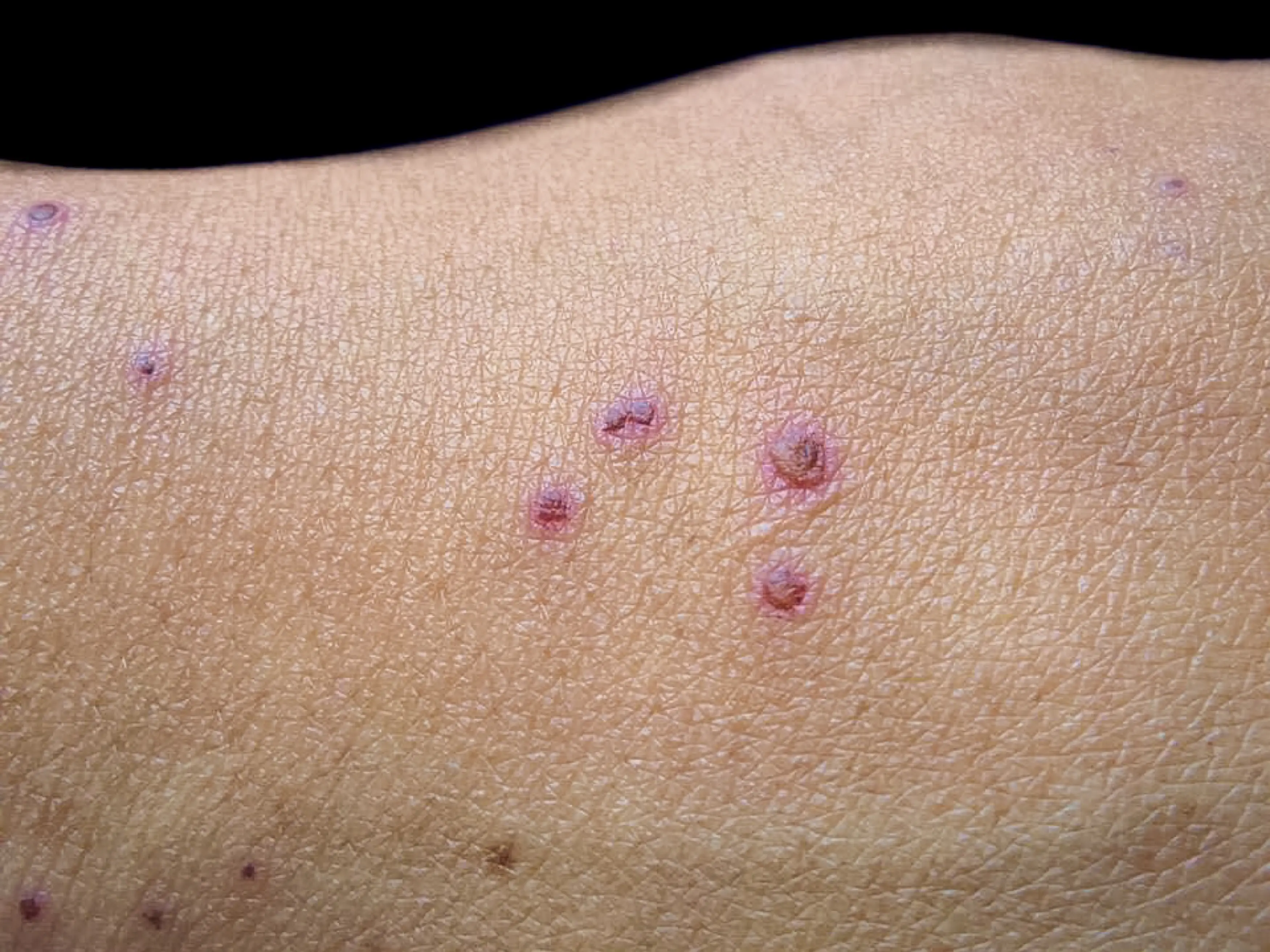
Usually, five days after that, a skin rash kicks in that includes blisters, spots or ulcers, which can appear everywhere on the body.
"Once infected with mpox, it usually takes between five and 21 days for the first symptoms to appear," Dr Michael Brady, NHS England's LGBT Health advisor explained to The Independent. "The first symptoms of mpox include a high temperature, headache, muscle aches and backache, swollen glands, shivering, exhaustion and joint pain."
The virus spreads from person to person through close physical contact in the majority of cases - especially in skin on skin scenarios, like sexual situations and cuddling.
In some cases, however, transmission or contact with bodily fluids like saliva and snot could also spread the infection, along with prolonged face-to-face contact that involves talking, breathing, coughing or sneezing.
Who is more susceptible to infection?
As medics have emphasised, while some people might not even realise they've been infected by mpox due to the mildness of their symptoms, in some groups, the condition can impact their long-term health.
In particular, six groups have emerged for being the most at-risk of contraction, either due to genetic dispositions or lifestyle factors.
People with weak immune systems
Compared to other members of the population, people with weak immune systems are more likely to both contract the virus and develop severe complications because their bodies cannot mount an effective protective immune response to control the virus.
"Potential complications include secondary infections," Teesside University microbiology lecturer and pathogen spread researcher Dr Bruno Silvester Lopes explained. "Where bacterial infections can occur in lesions or blisters due to scratching or improper care.
"And, in rare cases, the infection can lead to systemic complications like sepsis."
Pregnant people
With the above in mind, it's no surprise that people that are expecting babies are more susceptible to contraction, with their pregnant state inflicting physiological changes onto their immune system, which is naturally suppressed to prevent the body from rejecting the foetus.
While pregnant people can receive treatment for the virus, the patient should discuss their options at length with their GP before making any firm decisions, as per the Centre for Disease Control.
People with underlying health conditions
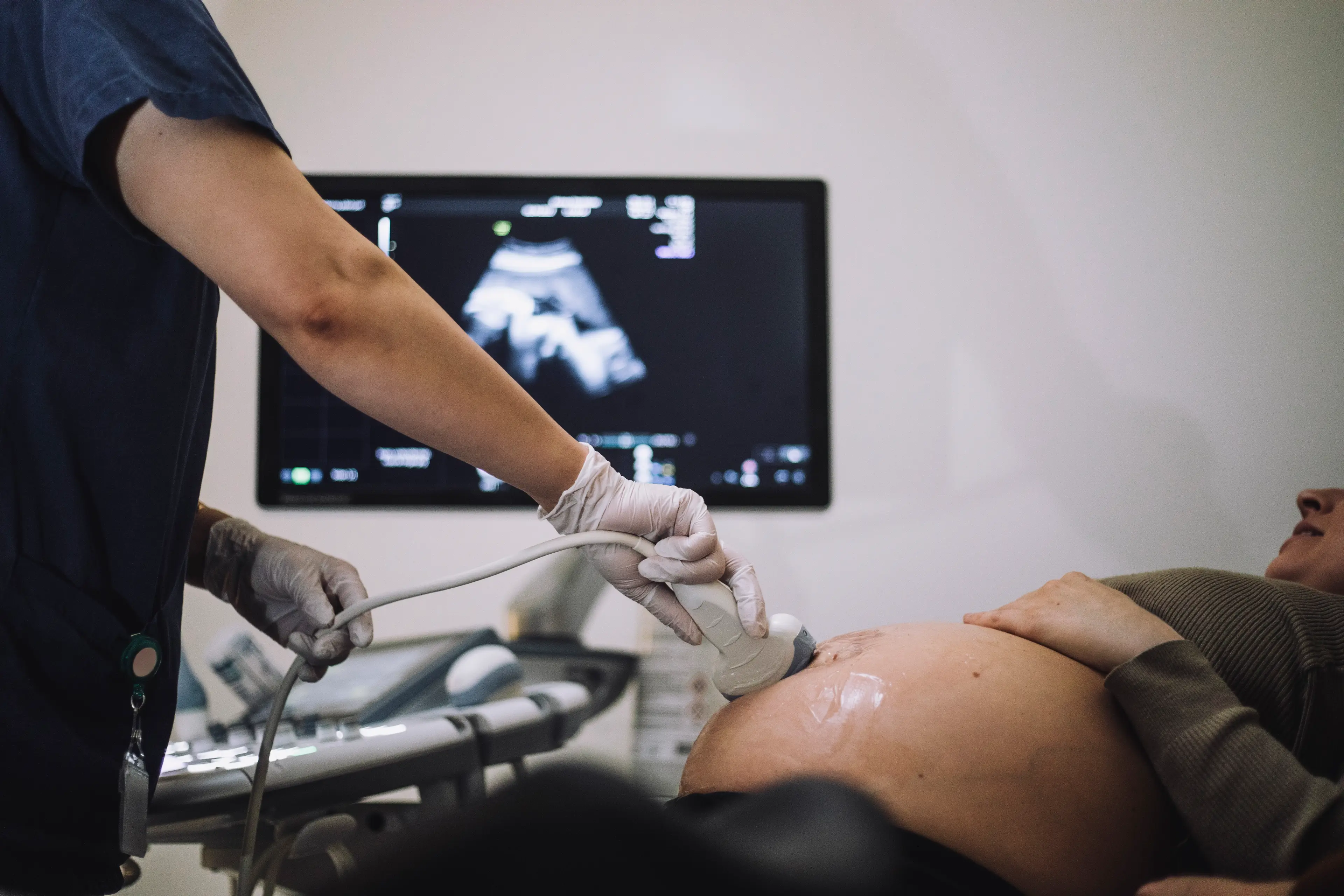
Again, if an individual suffers from a long-term, or underlying health condition that is separate from mpox, it's likely that they suffer a weakened immune system, which makes them more likely to become infected.
Such is also the case for individuals who've been prescribed certain medications, or are currently undergoing severe treatments, like chemotherapy.
Sexual partners and men who have sex with men
According to Dr Kathryn Basford, 'sexual partners' of people infected with mpox and 'men who have sex with men' are highly susceptible of contracting the infection, given that the virus is spread through skin-on-skin contact.
The European Vaccination Information Centre reports that the majority of cases recorded in 2022 were from men who have sex with men after viruses were found spreading disproportionately within their social and sexual networks.
This said, however, some experts have suggested that this could be due to the male LGBTQ+ community being more proactive in seeking sexual health services and testing, leading to a higher rate of diagnosis.

"Anyone who has close physical contact with another person who has contracted monkeypox is at risk, regardless of sexual orientation," pointed out virologist and University of Montpellier emerging viruses lecturer Dr Yannick Simonin.
He also called for 'not stigmatising the homosexual community', adding to Le Monde: "Monkeypox does not only concern this community, even though cases are currently over-represented in it."
Dr Basford couldn't agree more, pointing out that people who reside in the same house are almost just as susceptible, given that the virus can be spread contact with infected clothing, bedding or towels.
Healthcare workers
Doctors, nurses, their assistants and any wider hospital staff member endure a considerably higher risk of contracting mpox, due to being in close, frequent and direct contact with infected patients and their environments as part of their professional duties.
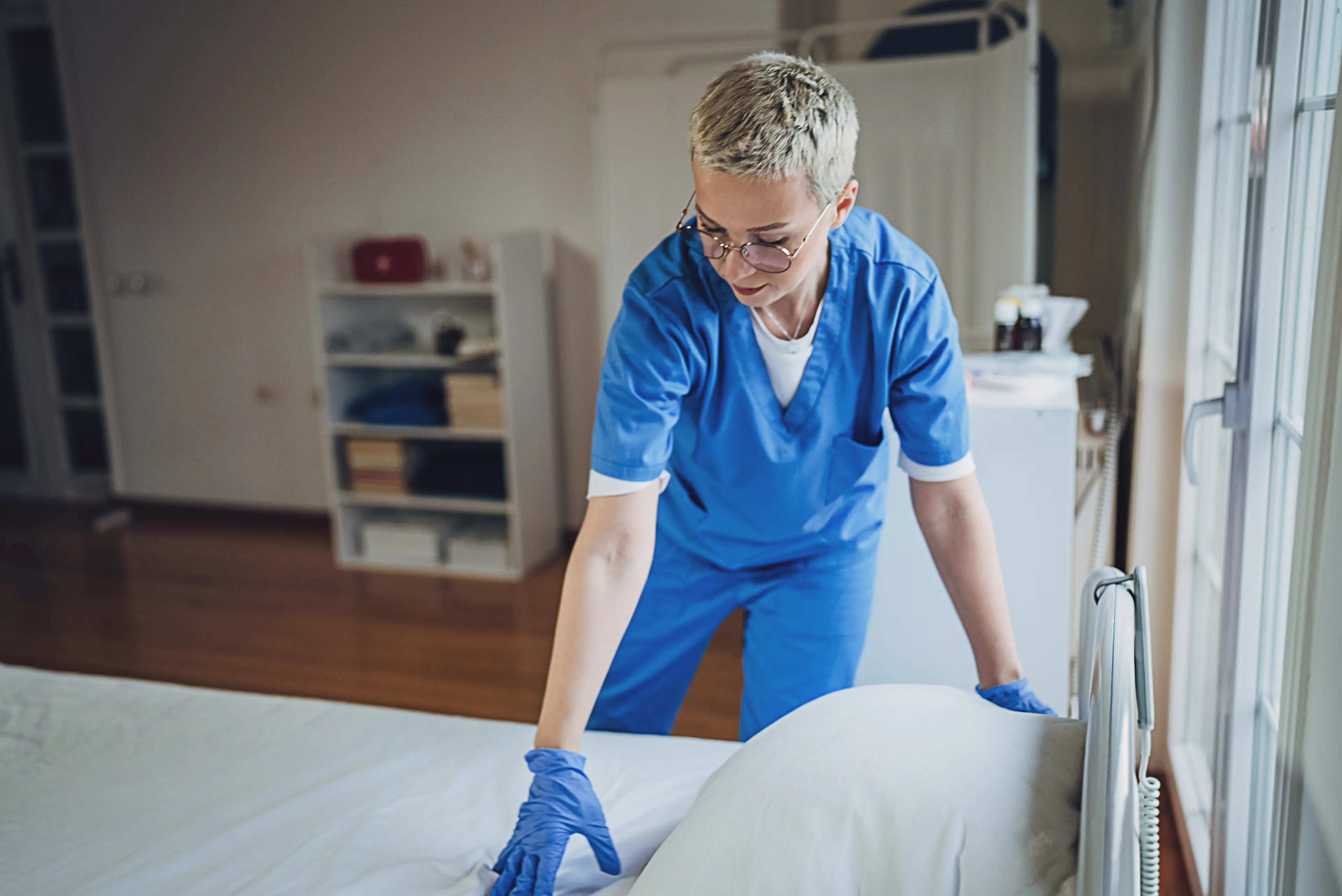
This occupational exposure increases the likelihood of contact with the virus in a way the general public typically does not experience, given that they're often responsible for tending to their bedding and towels.
People who live in areas where the virus is spreading
"People who have recently travelled to, or who have been in close contact with someone who has recently travelled to, areas of central or east Africa where there are outbreaks of mpox, are at higher risk of catching mpox," Dr Basford lastly added.
 Rhianna Benson