
Doctor who's treated 20-year-olds with dementia shares early warning signs you should never ignore

A doctor who's treated patients with young-onset dementia has revealed some of the initial red flags to look out for.
Dementia is described as 'young onset' or 'early onset' when symptoms develop before the age of 65, most often between the ages of 45 and 65 but it can affect younger people too.
As per Dementia UK, it's estimated that over 70,000 people live with young onset dementia in the UK.
Professor Nick Fox, who is a leading expert in the field, as well as being a consultant neurologist at the National Hospital for Neurology and Neurosurgery in London and director of Rare Dementia Support, is currently spearheading the opening of the world’s first dedicated centre for rare and early-onset dementias.
Advert
He's also worked with people as young as their twenties and thirties who are suffering with young onset dementia for three decades .
Speaking to The Telegraph, Fox outlined the initial symptoms to look out for, as they are often very different to what you might see in more elderly people, such as memory loss.
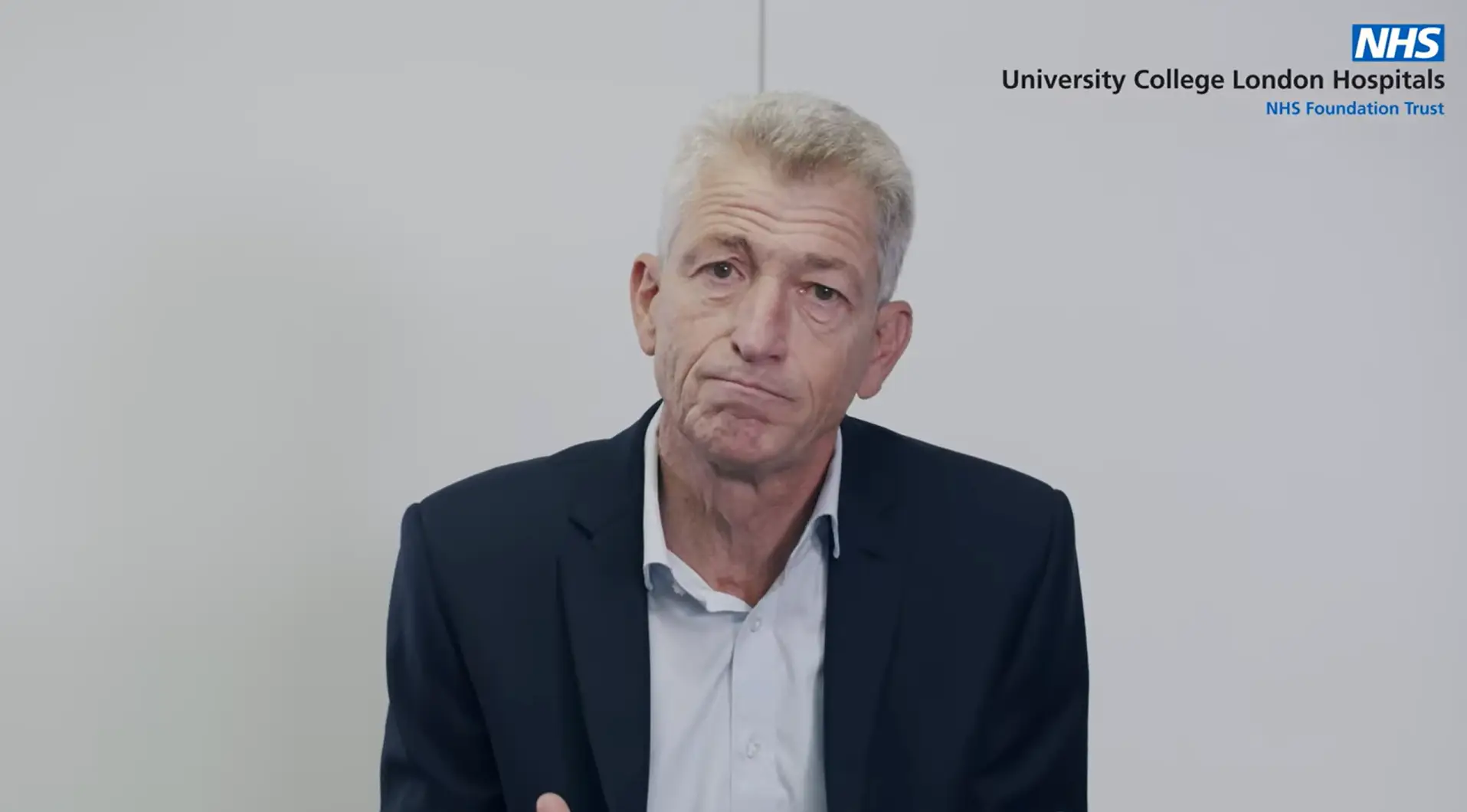
From personality changes to a lack of empathy, there are a number of subtle changes to keep an eye out for.
These include:
- Personality changes
- Lack of motivation
- Loss of self control
- Issues calculating risk
- Lack of empathy
- Forgetting how to do familiar tasks
- Language problems
- Inability to recognise faces
- Vision issues
Fox explained that 'someone might start wearing unusually bright clothes, develop rigid routines, or become obsessed with certain foods, activities or television programmes'.
Acting in a different way and sudden personality changes are a big indicator that something might not be right.
The expert also outlined that someone suffering from young-onset dementia may lose some of their self-control and act in a way that seems unusual to those who know them.

He said: "Families may notice someone who was previously tactful and considerate becoming blunt, or even rude.
"One woman reported her husband telling a stranger on the Tube that they were fat on their way to the hospital, and striking up conversations with children he did not know, much to their parents’ concern."
If someone has frontotemporal dementia (FTD) they might struggle with a lack of motivation, while those with early-onset Alzheimer’s 'may lose their get up and go and become apathetic', but would be more likely to take part in things other people had organised
As per the professor, people can also 'lose the ability to read the emotions of others or to empathise,' for example, not reacting to their partner being upset.
Issues calculating risk can also come into play, for example falling for scams easier or not driving safely.

"People can lose the ability to recognise the consequences of their actions," Fox explained, "Those who were once economically savvy may find themselves getting into debt, driven by increased impulsivity and a loss of judgement."
In young people especially, struggling with speech can be an early indicator as they may become 'less fluent and they may stumble over words'.
Fox said: "Instead of speaking smoothly, people make errors with syllables or miss words altogether, so speech becomes effortful - they may say 'go cinema', for example."
Finally, the expert outlined that 'if you have a dementia that affects the back of the brain, which is called posterior cortical atrophy (PCA), the first symptoms may be visual or spatial'.
"You may struggle to use stairs or to reach for a cup of tea," he explained.
If you've been affected by dementia or Alzheimer's and would like to speak with someone in confidence, contact the Alzheimer's Association via 800.272.3900 open 24 hours seven days a week.
Topics: Mental Health, Health, Life, Real Life, True Life
 Madison Burgess