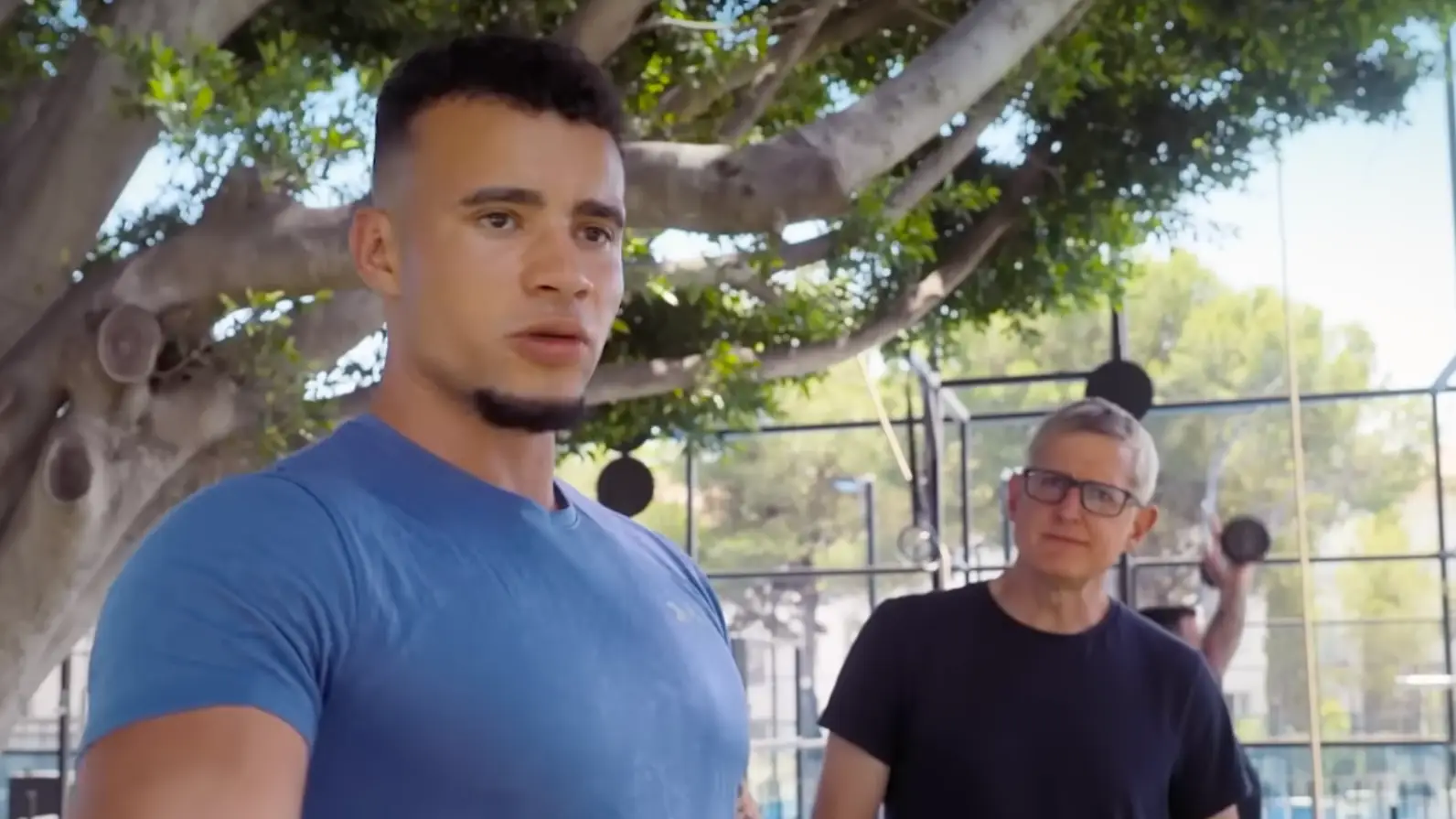
Manosphere emojis explained as parents left 'terrified' over Louis Theroux documentary

Parents have been 'terrified' after watching Louis Theroux's new Inside the Manosphere documentary, which landed on Netflix just last week (11 March).
The docu-film sees Theroux interview a handful of the biggest names who profit from and spread controversial ideas from the most extreme fringes of the manosphere, featuring the likes of Harrison Sullivan, aka HSTikkyTokky, Amrou Fudl, aka Myron Gaines, Justin Waller, Nicolas Kenn De Balinthazy, aka Sneako and Ed Matthews.
After watching the Netflix doc, it's clear many parents were left seriously alarmed, with one saying, via The Mirror: "Watching this now and I am speechless. As a mum of four boys, it is terrifying. Had to watch in stages as these people are beyond belief! I'd be so ashamed if I were their parent. Going to watch again with my two sons."
"Fantastic work!" praised a second. "Thank you for shedding light on a world that many parents of teen and young adult sons have been worrying about, let alone understanding it."
Advert
Another chimed in: "Watched it today, it was uncomfortable watching. Great documentary, but it makes me worry about the type of world my little boy will grow up in!"
And a final parent echoed: "Just watched it. Excellent as per. Also scary as the mother of a young boy who is very kind, sensitive and gentle right now!"
Check out the official trailer here:
Speaking to The Mirror, Theroux outlined: "These aren't figures on the margins - anyone who's got kids, and especially boys, will know that they are making inroads into the culture.
"Their influence is being felt in schools, in the workplace and all across the internet.
"These aren't figures on the margins - anyone who's got kids, and especially boys, will know that they are making inroads into the culture.
"Their influence is being felt in schools, in the workplace and all across the internet."
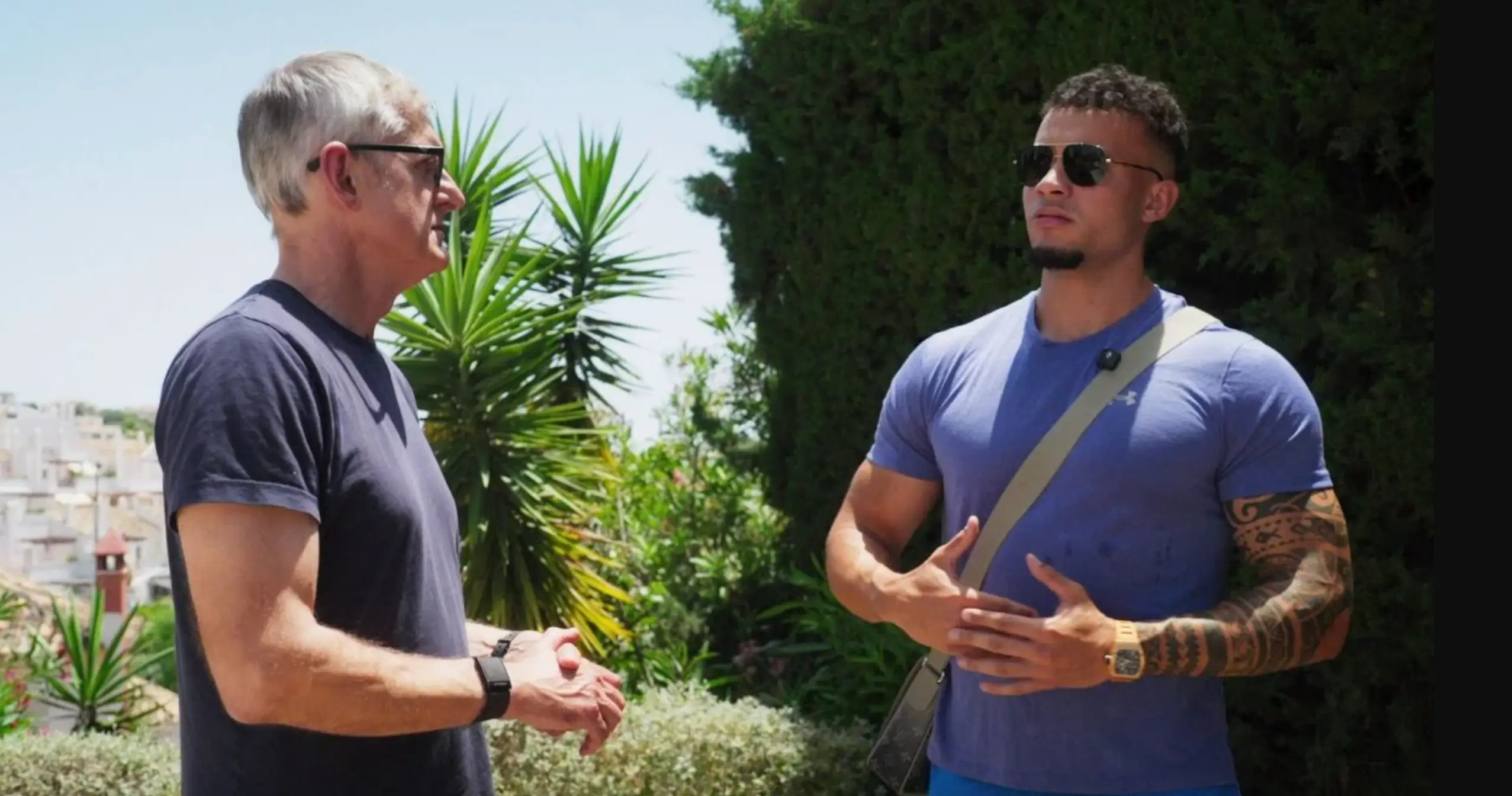
Safeguarding experts SSS Learning warn that a 'key feature' of manosphere communication uses coded emojis in order to 'reinforce certain beliefs, mock opposing views and signal allegiance within these online communities'.
"The symbols frequently appear in memes, comment sections, and group chats, making it difficult for adults to recognise when a young person is actively engaging with manosphere ideologies," they outline.
"By understanding these symbols, parents and educators can identify online influences shaping teenagers' attitudes and foster open, informed conversations about digital literacy, gender equality, and critical thinking in the online world."
So, without further ado, here are some common manosphere emojis and what they mean, according to the experts.

💪 Flexed Biceps
Stands for being a strong, dominant man, often linked to gym culture and the idea of being a ‘high-status’ man.
🔥 Fire
Used to praise someone for agreeing with manosphere beliefs or sharing an opinion that supports them.
🔴 Red Circle
Symbolises ‘red pill’ thinking – the idea that men need to ‘wake up’ to what they see as an unfair system working against them.
⚫ Black Circle
Represents ‘black pill’ beliefs, which say that men who aren’t naturally attractive (so-called ‘Chads’) have no real chance in dating.
💀 Skull
Used to show extreme hopelessness, especially in incel groups, suggesting they’ve given up on dating.
🥶 Cold Face
Shows emotional detachment, often linked to the idea that men should be tough and avoid showing feelings.
👑 Crown
Used to show dominance, often linked to the idea that ‘men are kings.’ Sometimes used to mock men seen as too submissive to women.
🦍 Gorilla
Represents extreme masculinity, sometimes used jokingly to suggest raw strength and dominance.
🐍 Snake
Used to insult men who support feminism or gender equality, calling them traitors.
💰 Money Bag
Stands for the belief that wealth equals power and makes a man more attractive to women.
🙃 Upside Down Face
Used sarcastically to mock feminist views or men who don’t follow manosphere beliefs.
👗 / 👠 Dress / High Heel
Used to refer to women in a stereotypical or objectifying way.
🐱 Cat Face
Used as an insult towards women, sometimes implying they are lonely or undesirable.
🥀 Wilted Flower
Suggests a woman is ‘past her prime,’ often used to criticise women over 30 in discussions about dating and relationships.
🍼 Baby Bottle
Used to mock men who are seen as too emotional or dependent on women, often calling them ‘weak’ or ‘beta males.’
🦄 Unicorn
Represents the idea of a ‘perfect’ woman—someone who is submissive, young, and ‘pure,’ according to manosphere beliefs.
🤡 Clown Face
Used to make fun of men who are seen as overly supportive of women, feminism, or progressive ideas.
🐵 Monkey Face
An insult aimed at men who are considered weak or who follow mainstream beliefs without questioning them.
🤡🌍 Clown Face and World
Suggests that society has become ridiculous or ‘broken’ because of feminism and progressive values.
🌶️ Hot Pepper
Sometimes used to describe an attractive woman, but often with a negative meaning, suggesting she is manipulative or dangerous.
🧩 Puzzle Piece
Refers to trying to ‘figure out’ women or understand dating like it’s a game or a code to crack.
🚀 Rocket
Symbolises rising in status, wealth, or power.
🐺 Wolf
Represents ‘lone wolf’ masculinity - rejecting mainstream dating and focusing on independence.

"The manosphere’s appeal lies in its simplistic, rule-based explanations for complex social issues, making it easy for young men to absorb its ideas without questioning their validity," SSS Learning warns.
"Understanding the symbols and language used in these spaces is not about policing how teenagers communicate but about guiding them towards balanced perspectives and ensuring they are not drawn into extreme or harmful ideologies. By remaining informed and proactive, parents and educators can help young people navigate online spaces safely while fostering respectful, healthy, and inclusive attitudes in the real world."
Louis Theroux: Into the Manosphere is currently available to stream on Netflix.
Topics: Documentaries, TV And Film, Louis Theroux, Celebrity, Explained, Social Media, Parenting, Advice, Netflix
 Rhiannon Ingle