Popular diet linked to cancer on rise in Gen Z and Millennials

There is a certain diet trend that is taking over the internet, and it could be dire for Gen Z if they keep it up.
Cancer is a horrid disease that claims the lives of hundreds of thousands of people every single year.
While there is no solid evidence to point towards one specific thing that people are doing which can cause it, there is overwhelming evidence to suggest that diet plays a very important role.
Indeed, many studies have pointed towards ultra-processed foods as being overwhelmingly bad for our health and contributing towards the development of cancer - but there's now another diet that is showing signs of being terrible too.
Advert

Sadly, it’s touted as a healthy diet and an alternative to more mainstream diets.
But according to a recent Canadian study, a low-carb diet might help to grow toxic compounds which are linked to colorectal cancer in the intestine.
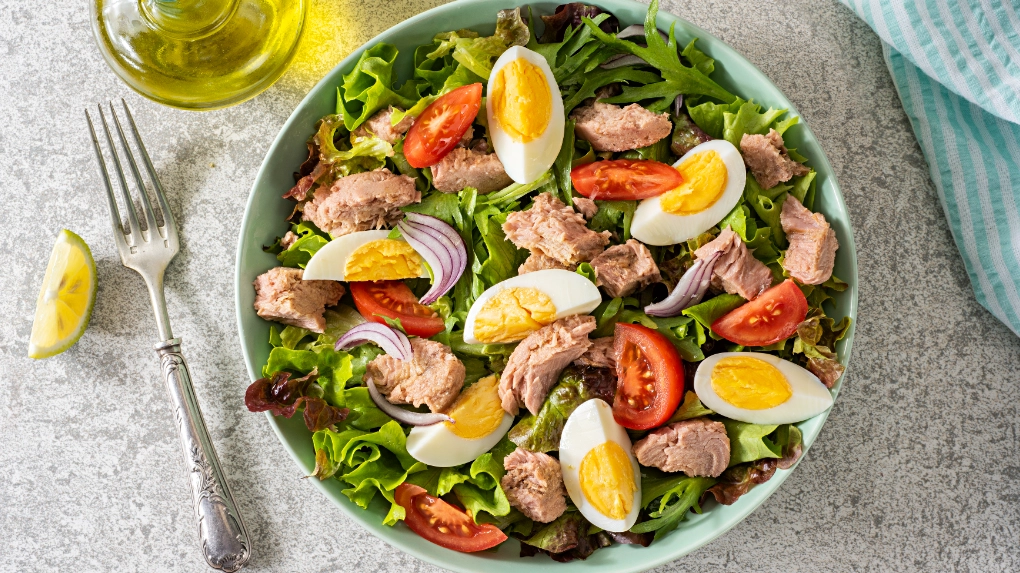
A very popular diet with Gen Z is the keto diet, which is when a person will abstain from carbohydrates of any form, only eating meats and vegetables and perhaps zero-carb alternatives.
But the study found that not getting enough carbs can cause a strain of E. coli bacteria naturally present in the body to produce a toxin.
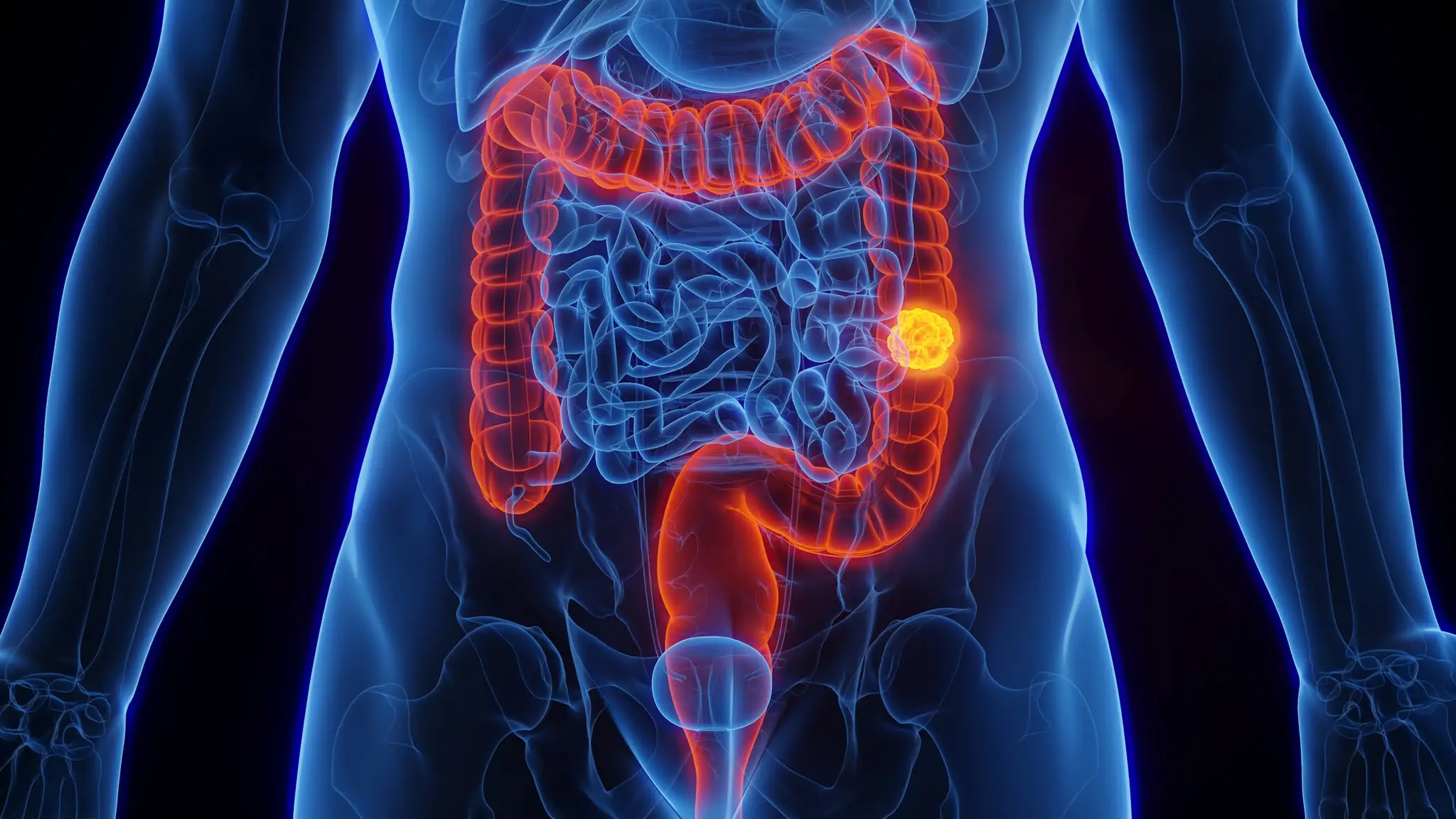
Called colibactin, this toxin can cause abnormal polyp growths to form in the colon, which could become cancerous over time.
While the study was performed on mice, it shows just how damaging a no-carb or very low-carb diet can be.
Of course, eating too many is also harmful, so striking a balance is key.
The study, which was published in Nature Microbiology, compared the effects of a normal, low-carb, and Western-style diet along with gut bacteria to find out what would happen if a person were to adopt the same eating habit.
They found that a certain strain of E.coli bacteria, when paired with a diet low in carbs, increases the development of polyps in the colon.
“Colorectal cancer has always been thought of as being caused by a number of different factors, including diet, gut microbiome, environment and genetics,” said senior author Alberto Martin, a professor of immunology at U of T’s Temerty Faculty of Medicine.
“Our question was, does diet influence the ability of specific bacteria to cause cancer?”
While the findings did suggest that keto can be a contributor to the cancer, they note that studies need to continue to know for sure as ‘refined carbs have been linked to other health issues that can raise colon cancer risk, such as obesity’.
They suggest that people should eat a diet rich in fibre like berries, lentils, and nuts, as it helps to move stool smoothly through the colon.
Martin said: “Colorectal cancer has always been thought of as being caused by a number of different factors including diet, gut microbiome, environment and genetics.”
For a long time, Keto has been linked to several health benefits, particularly in reducing insulin resistance in people with diabetes.
However, the researchers suggest that more studies need to be conducted before a final verdict is given.
Martin said: “These findings could help inform dietary recommendations, probiotic safety guidelines and targeted prevention strategies for high-risk individuals.
“But at this point, I would agree it would be premature to recommend specific diets to lower the risk of colon cancer.”
Topics: Health, Cancer, Food and Drink, Gen Z
 Britt Jones