Experts issue warning over flu after worries of new strain

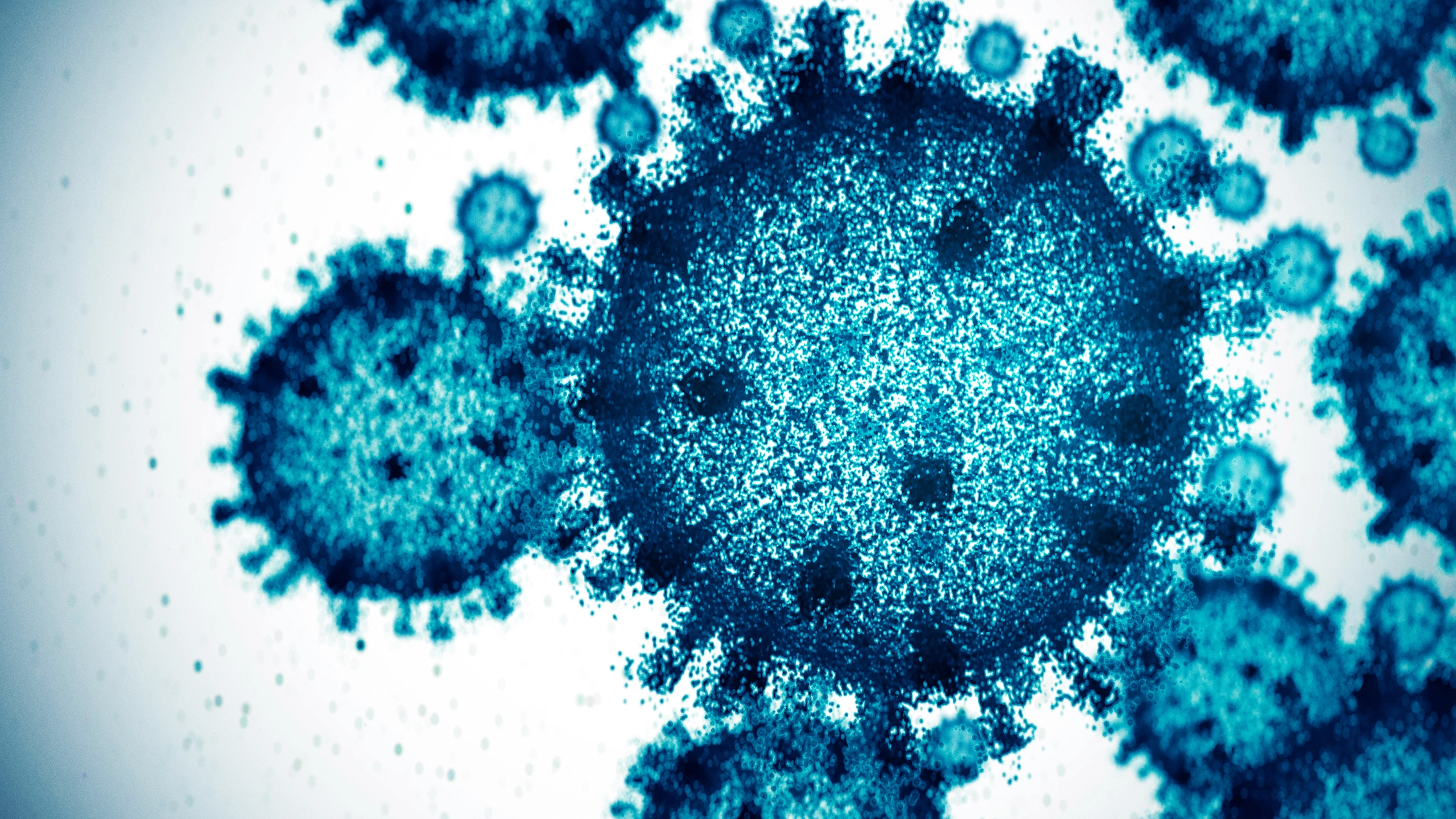
The emergence of a viral strain of flu has sparked concern amongst healthcare professionals due to its apparent resistance.
Statistics gathered on Friday (21 Nov) by the US Centre for Disease Control and Prevention (CDC), indicated that commonplace flu vaccines mightn't prove as effective against this particular variant, compared with other strains.
The CDC - responsible for tracking nationwide flu infection rates - emphasised that dominant strain currently circulating isn’t just the usual H3N2, with over half of cases so far belong to a sub-variant called subclade K.
Health experts say this strain is different from what the current flu vaccine was built to target, and might evade some of our vaccine-induced protection.
Advert
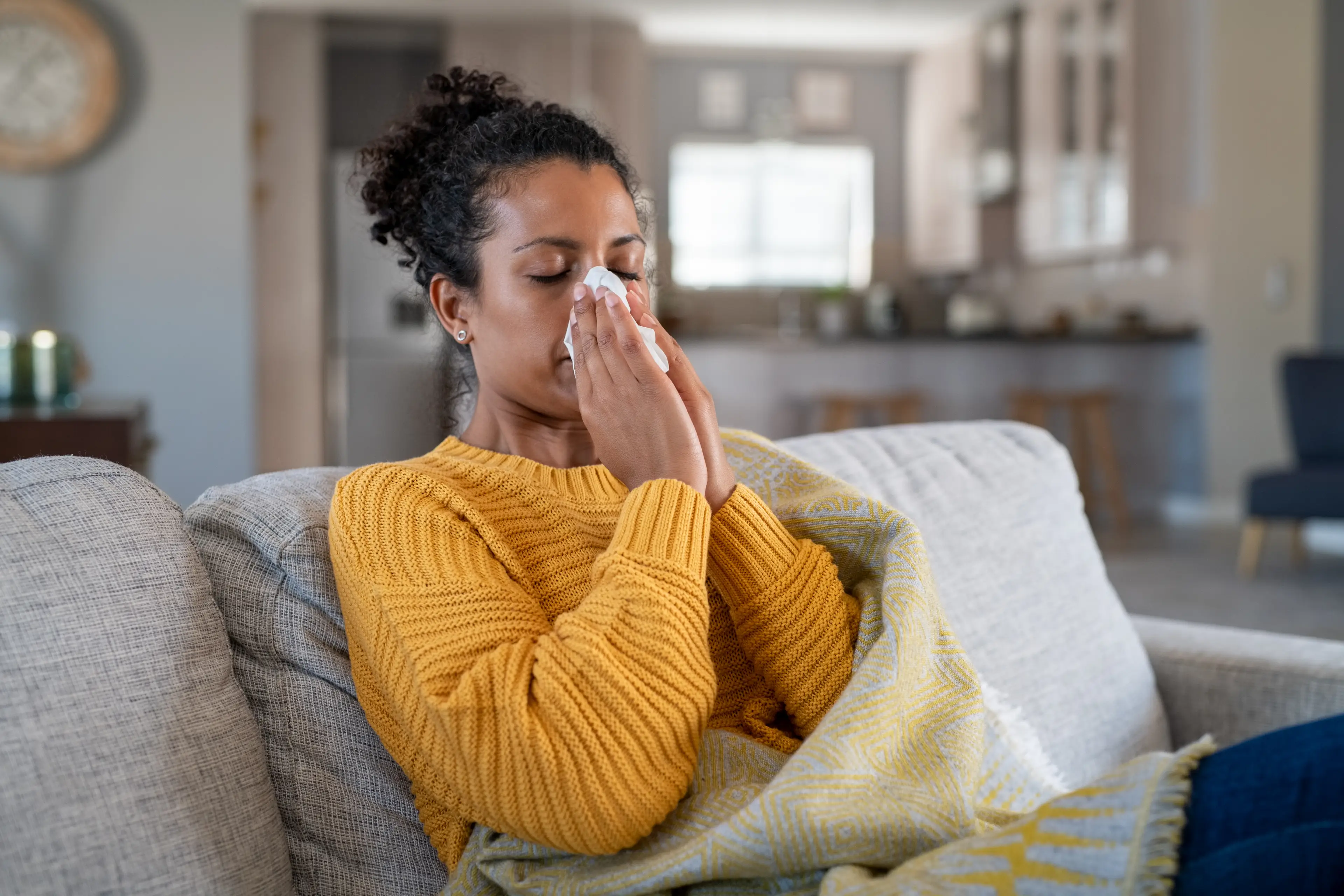
Underwhelming vaccination figures are now being seen as one of the main reasons for 2024's unusually high flu hospitalisation and death rates.
According to the Global Virus Network, subclade K has 'evolved' in a way that may mean it's much more equipped to spread, leaving more people vulnerable.
In fact, figures in both deaths and hospitalisations were the highest on record since the H1N1 flu pandemic of 2010.
Over 18,000 deaths caused by this strain were recorded, with 1,800 occurring over one week-long stretch - the highest over a seven-day period in a decade. Deaths in children caused by flu were also at an alarming high.
And as such, concerns have skyrocketed once again ahead of the cold winter months of this year.
Asefeh Faraz Covelli - who works at George Washington University School of Nursing - predicted: "I think we’re going to see a really severe season."
Across America, though only relatively low flu activity has been recorded so for - with only Louisiana having a considerable amount of cases - most have been in children.
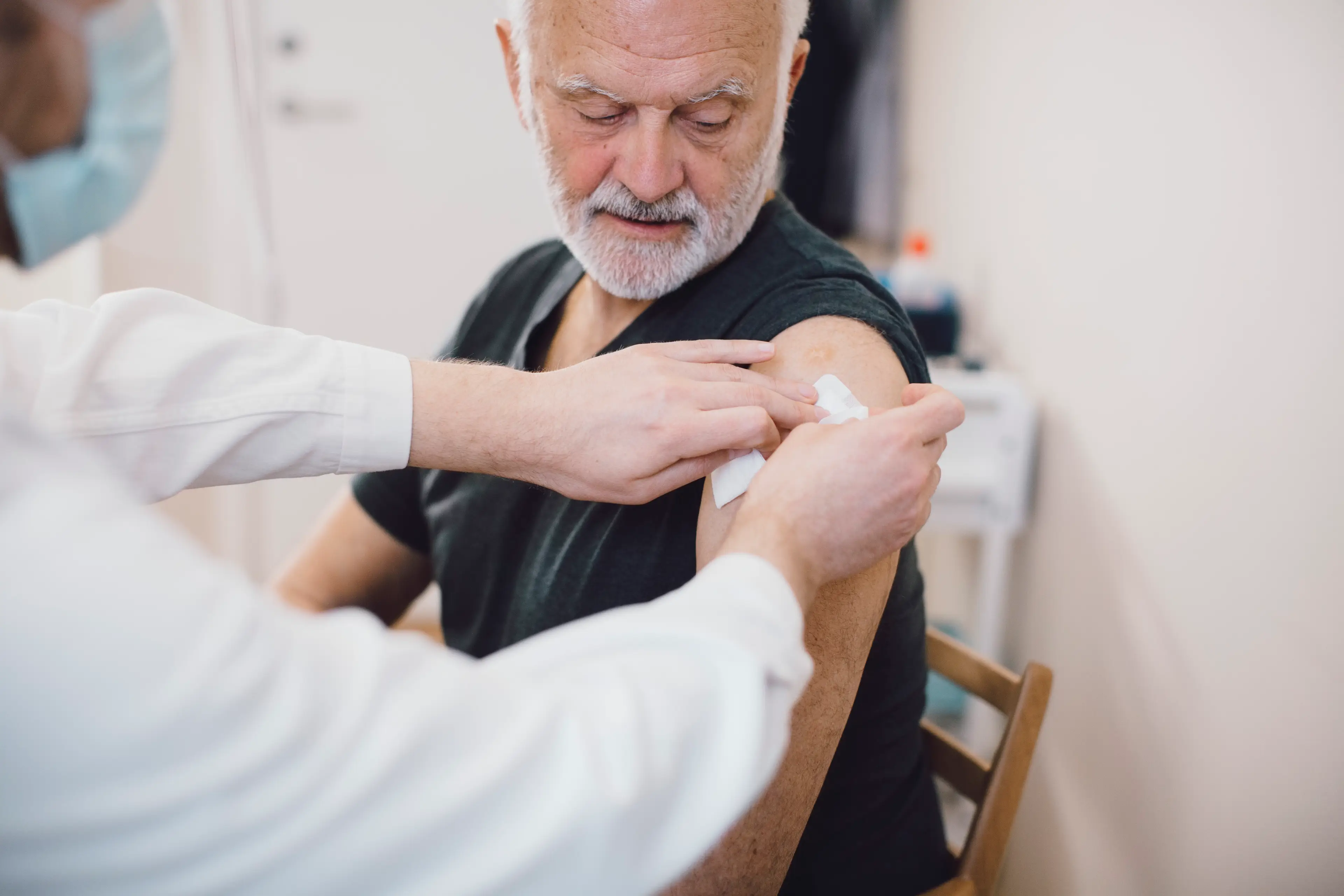
These figures, in combination with subclade K's mutative ability, and the flu season said to be starting earlier than usual, mean that now more than ever, experts are using Americans to get their flu jab now - because even partial protection is more powerful than nothing.
On top of this, the usual tips still apply - wash your hands regularly, cover your mouth and nose when you cough or sneeze, avoid close contact with people who are sick, and keep indoor spaces ventilated when possible.
 Rhianna Benson