
What we know about 'K strain' of flu as cases surge

With the season for spreading coughs and colds now in full swing, experts have issued a stark warning about a potentially new flu variant, known as the 'K strain'.
Technically named H3N2 'subclade K' - though, we appreciate this is a bit of a mouthful - this development is a type of seasonal influenza A virus.
Having reportedly undergone a significant 'genetic drift' during the summer months, the latest mutation has come with a vital health warning from experts, given that it's been observed doing the rounds both across the UK and overseas.
What is the 'K strain'?
It's 'influenza A' definition means that the human race hasn't yet accumulated an immune system strong enough to take it on and wipe it out.
On top of this, its name lets doctors know it's being taken seriously as an infectious condition, with the condition knocking patients off their feet to a much more extreme degree than the common cold, with experts claiming waves in cases are 'always hotter and nastier' than other conditions, according to The Mirror.
Advert
For reference, a recent government study involving 554 people who'd been diagnosed with flu found that a staggering 420 of them were understood to have had the new strain.
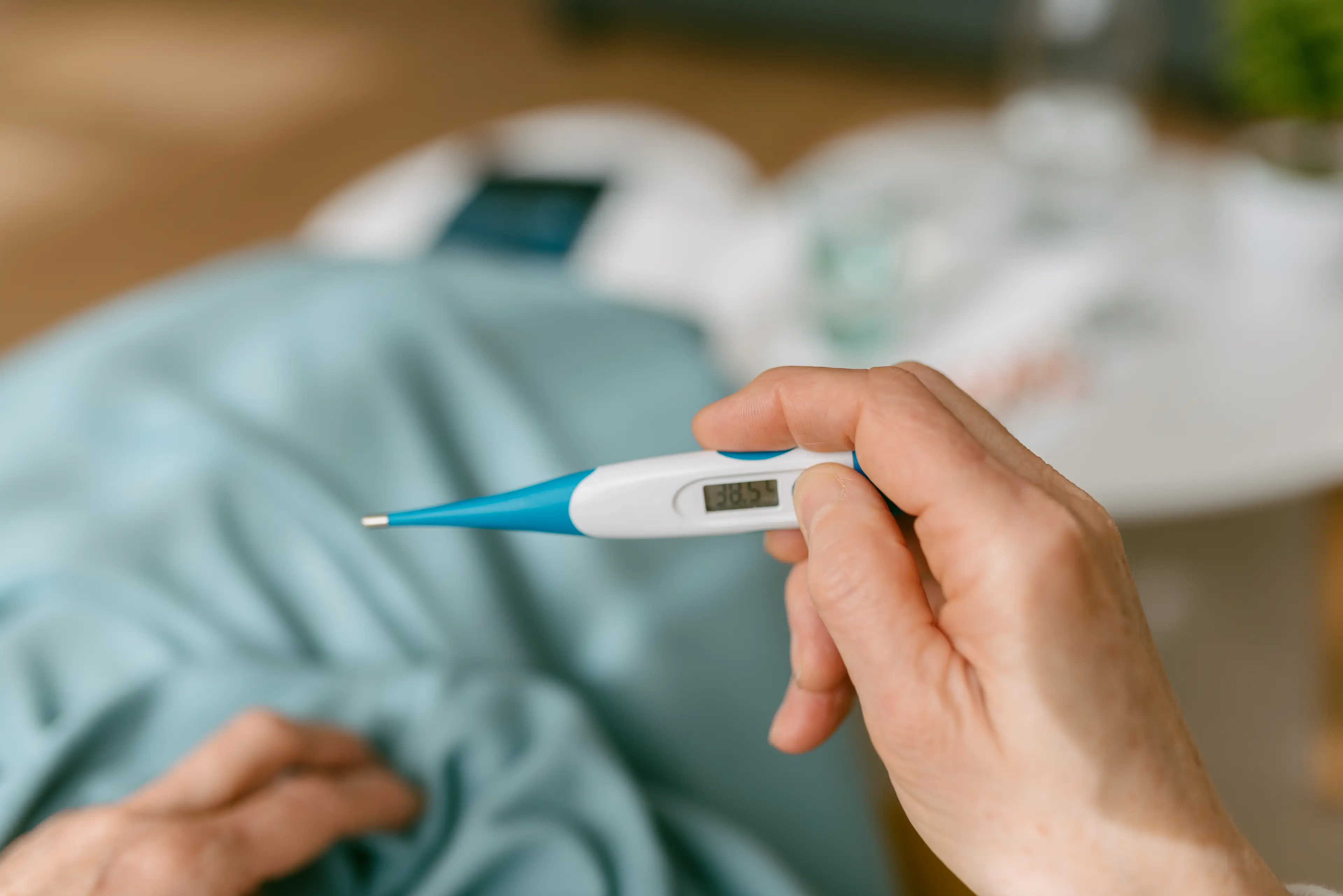
What are the symptoms of 'K-strain'?
According to experts, whilst the indicators of this particular strain hardly differ from those experienced during normal coughs and colds, they're said to be experienced with much greater force.
This reportedly includes a high fever, a thunderous cough, a runny nose, body aches, vomiting, and/or diarrhoea.
"Even if the individual risk of severe illness remains similar to previous years, a larger epidemic driven by lower immunity to infection could still result in a higher absolute number of hospitalisations and increased pressure on healthcare services," the European Centre for Disease Prevention and Control explained.

What are experts saying?
As such, the NHS have issued a 'flu jab SOS' and is warning Brits - especially those who'd consider themselves vulnerable health-wise, or are battling long-term/chronic conditions - to make sure they're on top of their vaccinations (via the BBC).
Furthermore, the nationwide health body has suggested a mask-wearing update be issued by Downing Street leaders with regard to hospitals, on top of calls to close schools down until the 'tidal wave' of infections has subsided.
"So children are still at school, it’s warm and wet, so it’s perfect flu-spreading conditions," NHS Providers chief executive Daniel Elkeles told Times Radio recently.
"When you were talking about anything like Covid, I think we need to get back into the habit that if you are coughing and sneezing, but you’re not unwell enough to not go to work, then you must wear a mask when you’re in public spaces, including on public transport to stop the chances of you giving your virus to somebody else."
He added: "And we were all very good about infection control during Covid. And we really, really need to get back to that now."

How has No. 10 responded?
In response, health officials reportedly said that wearing a mask to prevent the spread of this variant is 'something people can consider', but won't become mandatory anytime soon.
"There is long-standing guidance in place for people on a range of measures they can consider taking to help limit the spread of winter bugs if they have flu-like symptoms," a spokesperson for 10 Downing Street said.
"This is neither new nor an instruction but simply something people can consider when trying to limit the spread of winter respiratory illnesses."
They continued: "It’s been a long-standing position. The best defence against flu is the vaccine, which is why we’re ramping up our vaccination efforts this winter with almost 17 million flu jobs already delivered, which is 350,000 more than this time last year."
 Rhianna Benson