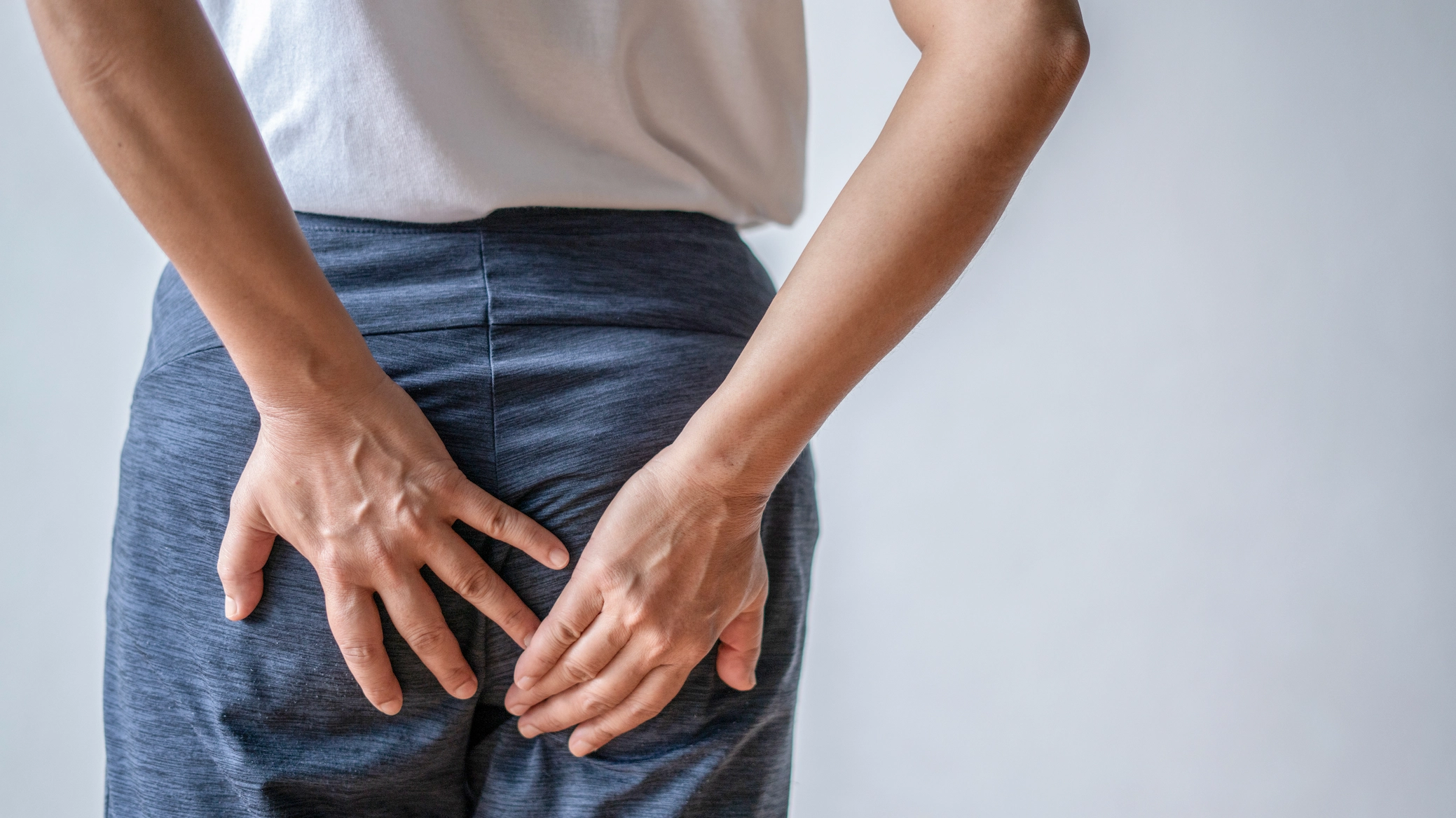
Doctor has message for anyone who ‘ignores their urge to poo’

The topic of bowel movements isn't always the most pleasant conversation to have.
However, despite many people feeling embarrassed and even squeamish when it comes to talking about their poo, it's important to make sure you're not picking up any bad toilet habits that can seriously impact your health later on in life.
And a very common habit it seems a lot of people have been doing since childhood is holding in their poo when they're out and about because, let's face it, everyone prefers to do their business in the comfort of their own home.
But you may want to think twice before you desperately try to 'keep it in' when you get the feeling at the start of your eight-hour work day in the office.
Advert
NHS and private medical GP, Dr Nighat Arif, took to Instagram to share with her 311k followers exactly why 'you have to have a poo when you get the urge'.
"I mean it. When your body says 'go', actually go," she explained, adding: "The longer that you sit there actually is really not great for you because more water gets sucked out of your bowel and then, as the water is getting sucked out, it gets harder and the poo becomes slower and constipation quietly becomes your new baseline."
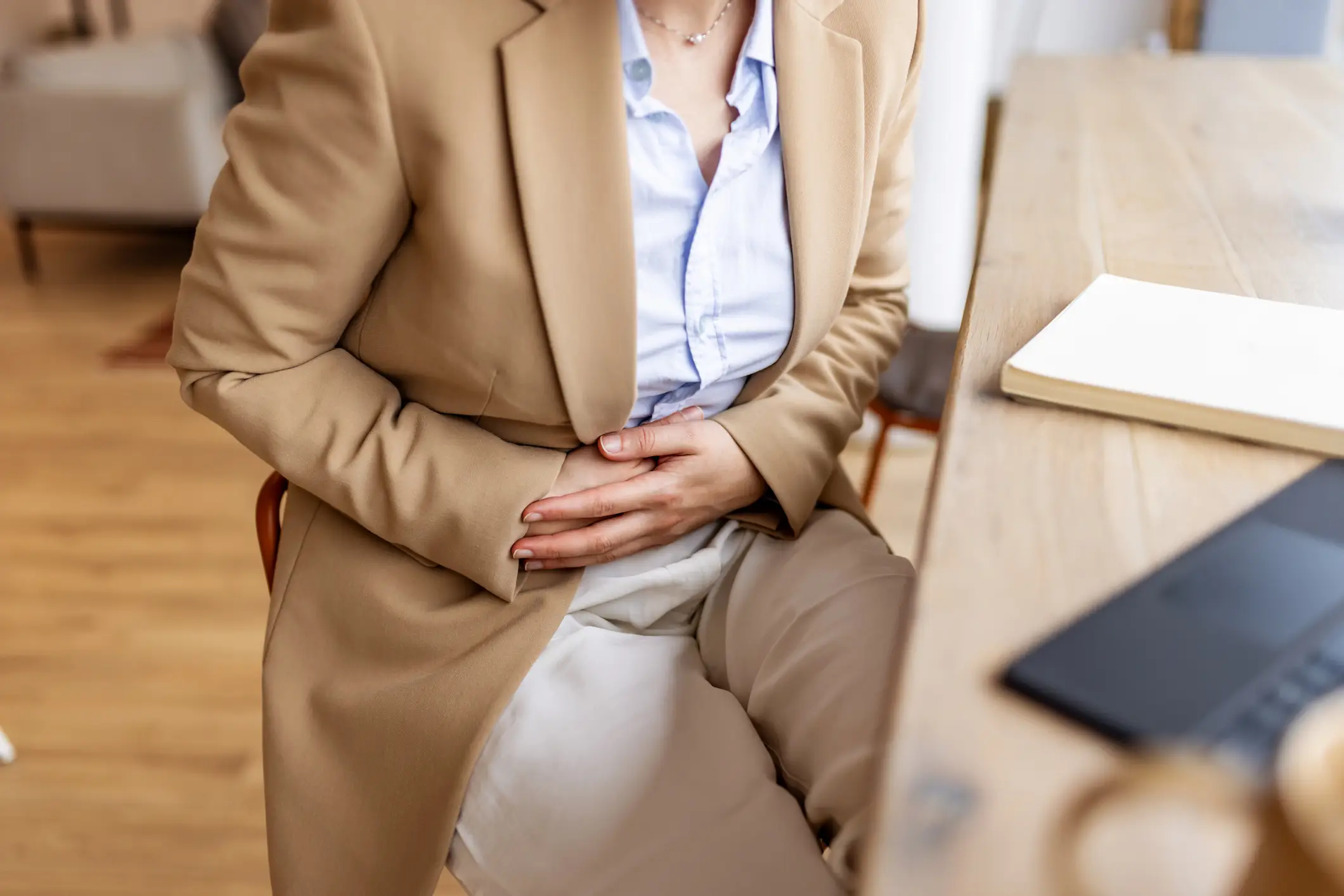
While acknowledging it's sometimes not always 'convenient' to do a number two depending on the context you're in, Dr Arif urged: "If you can, go act on those urges because not only do you get discomfort, over time, regularly holding on can mess with your bowel's muscle pattern, can dull your natural urges and set you up for tummy pain in the long run."
She added that such symptoms don't get better because having a full bowel also causes bloating, flatulence and burping as well as cramps in your stomach.
"That bloating and that discomfort and that lack of appetite mean that you get overflow diarrhoea, which contributes to diverticula formation later on in life," she said.
Diverticular disease and diverticulitis are conditions that affect the large intestine (bowel), causing tummy (abdominal) pain and other symptoms. They're caused by small bulges or pouches in the walls of the intestine called diverticula, the NHS explains.
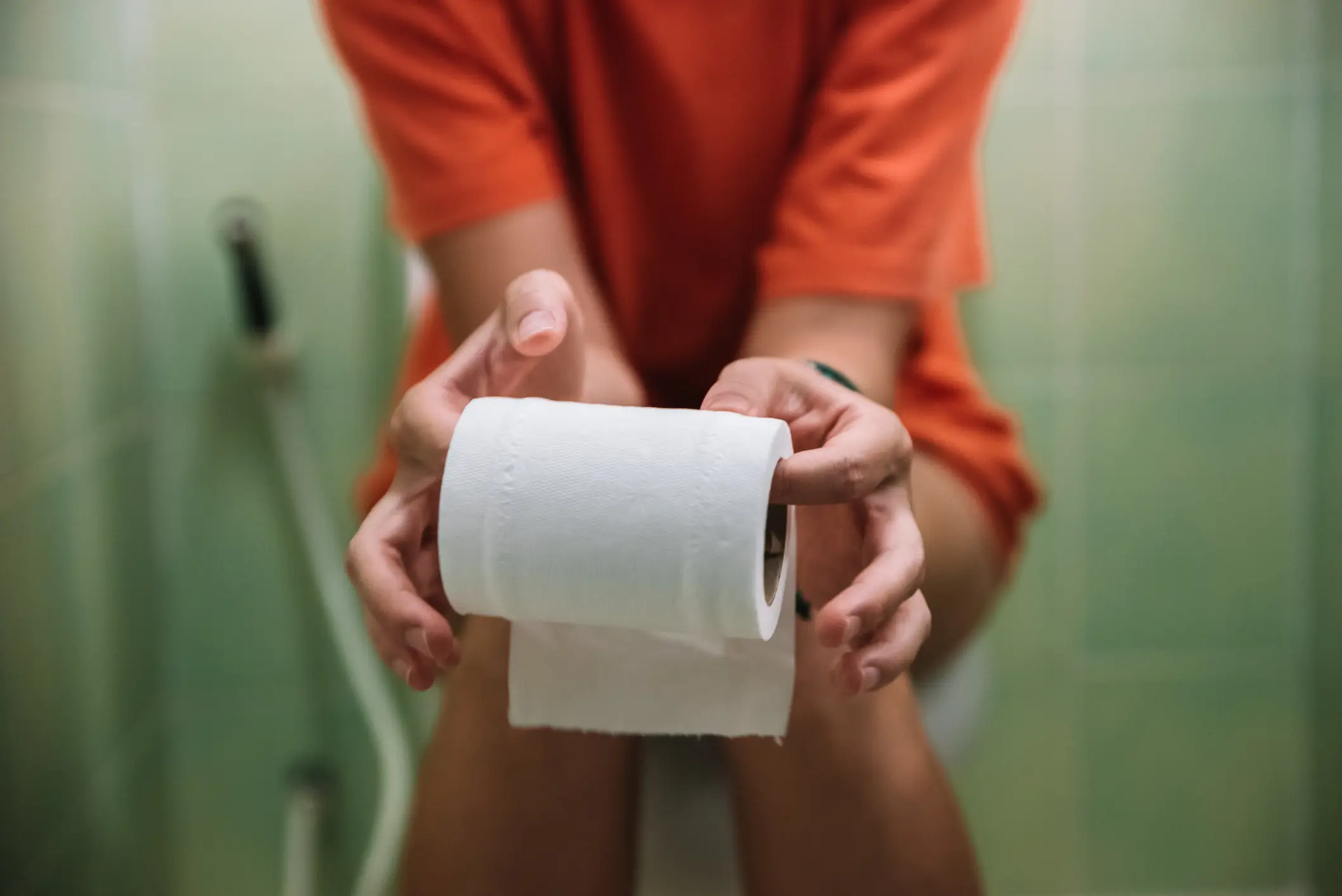
Rounding off the short video, Dr Arif reiterated: "Acting on that urge is so important. You're literally protecting your gut by going when you need to go.
"It's a waste product and it's better to get rid of it as soon as you can. So the next time you feel that urge, choose your health over that awkwardness and just go."
After catching light of Dr Arif's explainer, many rushed to social media to share their appreciation with one Instagram user writing: "Wish this was talked about more. There's too much embarrassment associated with bowel movements!"
"I think it would be useful for secondary schools to be updated with this information because they often won't let children use the toilet during lessons," put forward another.
And a third warned: "I held on to my poo for years, I ended up with a bowel perforation and a colostomy (which has now successfully been reversed) I now poo whenever I need to and would encourage anyone else to do the same."
 Rhiannon Ingle