Three bathroom 'red flags' that could be sign of prostate cancer

A warning has been issued over three key symptoms that could be warning signs of prostate cancer.
As of last month, prostate cancer is now the most common cancer in the UK, with record numbers of men receiving a diagnosis.
The most recent NHS figures show a huge rise in cases, jumping from just under 52,000 in 2021 to more than 64,000 in 2022, as per the charity Prostate Cancer UK.
So, it's more important than ever to know the red flags to look out for, which could be the key to getting diagnosed early.
Advert
Prostate cancer is curable if you find it early, before it spreads to other parts of the body. However, it often has no symptoms in the premature stages, making it hard to detect when it’s easier to treat.
With March being prostate cancer awareness month, the NHS has posted on social media, reminding people to be aware of three important signs that may appear before anything else.
In a post on X, the health service wrote: "Prostate cancer often develops slowly, so there may be no symptoms for many years, but it’s important to know what to look out for.
"But if something doesn’t feel right, don’t wait - contact your GP practice. Early diagnosis can save lives #ProstateCancerAwarenessMonth."
The post went on to outline the three early warning signs to keep an eye out for. These are:
- An increased need to pee
- Straining while you need to pee
- A feeling that your bladder has not fully emptied
Understandably, these symptoms aren't always indicative of prostate cancer and overlap with a number of other, less-serious health issues.
However, in any case, they shouldn't be ignored, and it's always better to get checked, even if it's just to rule cancer out.
Your chances of developing prostate cancer increase as you get older, and most cases develop in men aged 50 and above.
It's also more common in Black men and men whose father or brother has been affected by the disease.
Prostate cancer usually starts to grow on the outer part of the prostate, which means it doesn't press on the tube that carries urine from the bladder to the penis (urethra) and cause symptoms, until the cancer has grown or spread.
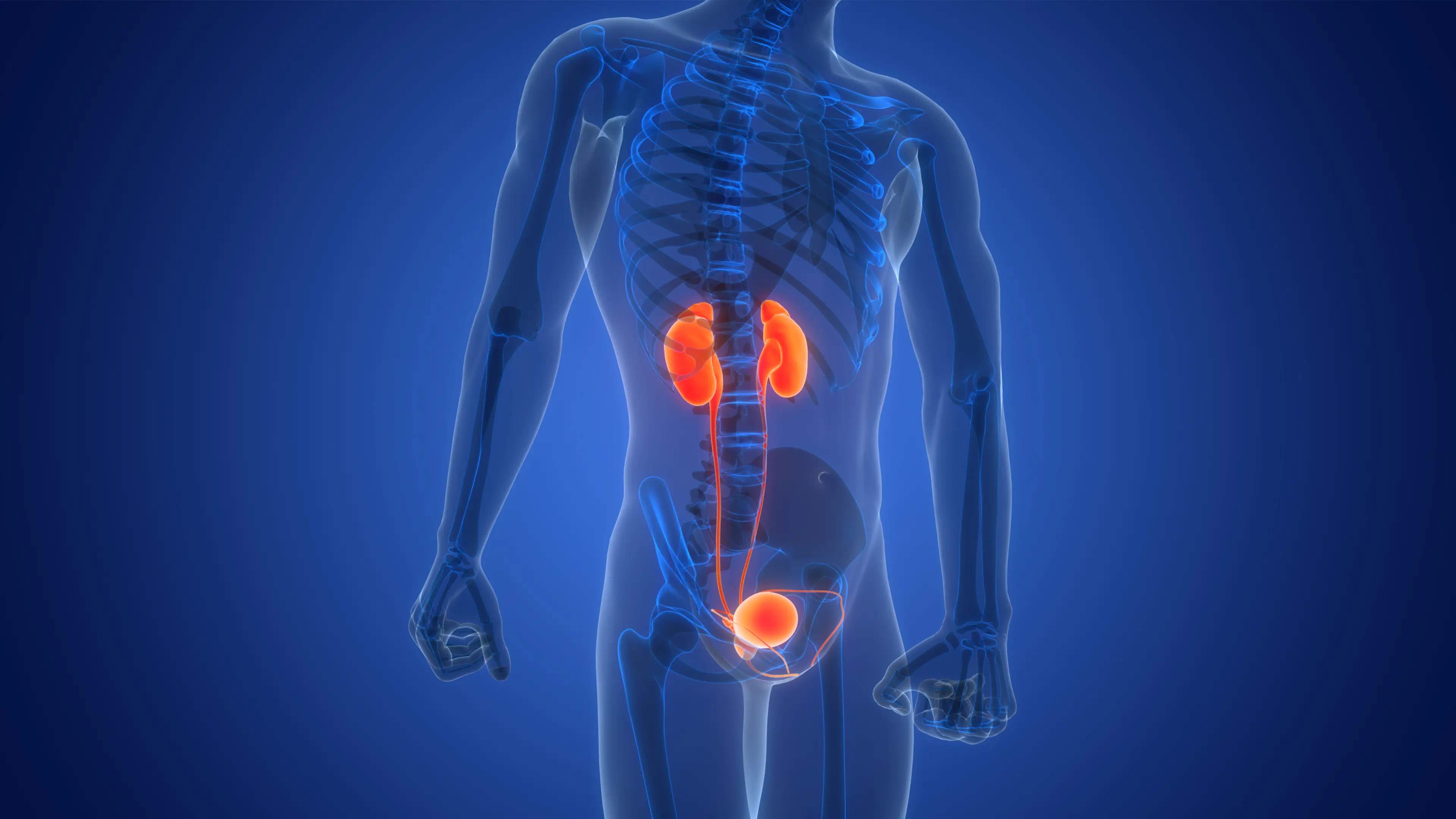
If this happens, it can cause changes to the way you pee, such as:
- Finding it difficult to start peeing or straining to pee
- Having a weak flow of urine
- 'Stop start' peeing
- Needing to pee urgently or often, or both
- Feeling like you still need to pee when you've just finished
- Peeing during the night
Other symptoms can include:
- Erectile dysfunction (being unable to get or keep an erection)
- Blood in your urine or semen
- Lower back pain and losing weight without trying to (these may be symptoms of advanced prostate cancer)
If you’ve been affected by any of these issues and want to speak to someone in confidence, contact Macmillan’s Cancer Support Line on 0808 808 00 00, 8am–8pm seven days a week.
 Madison Burgess