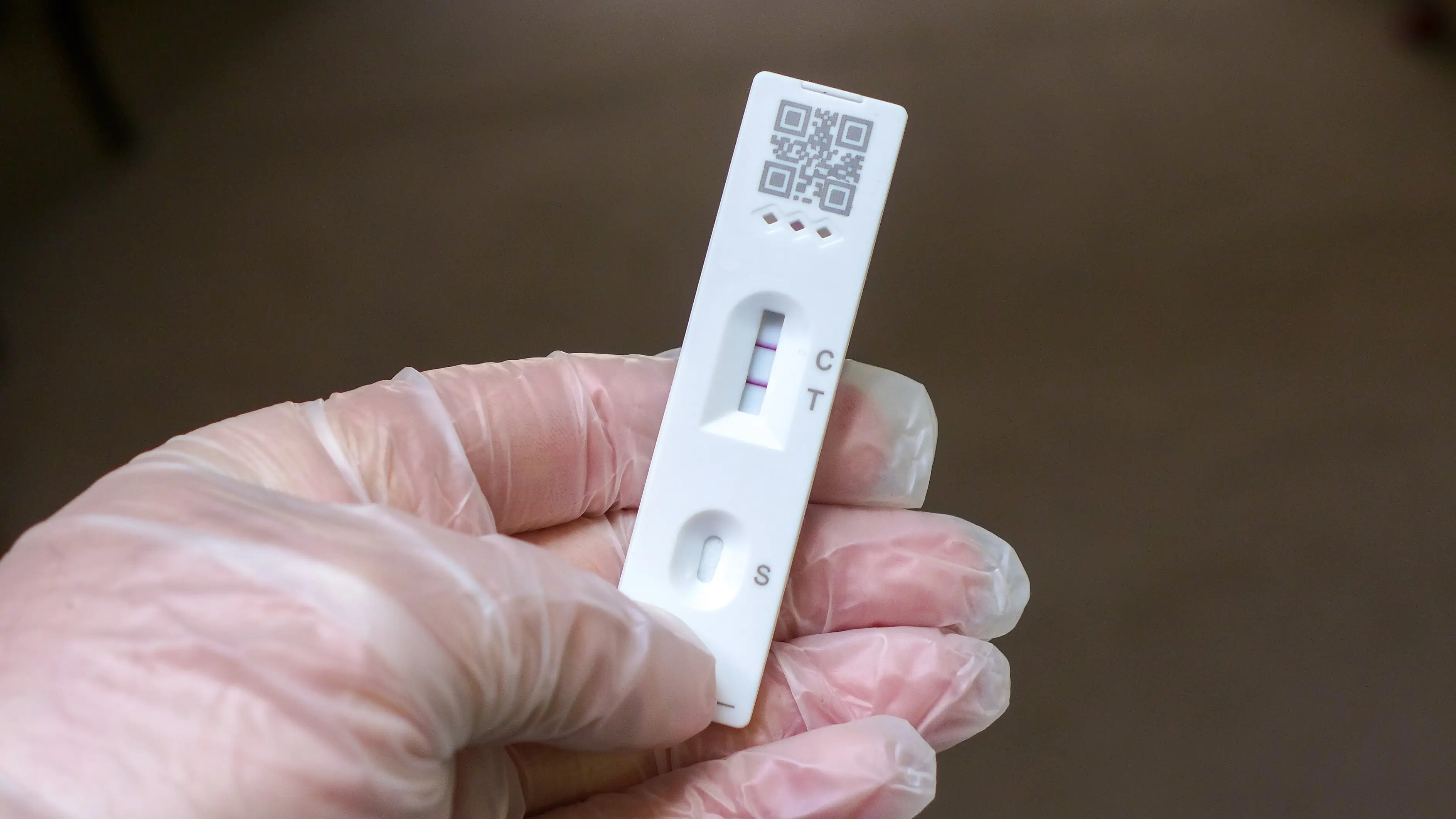
Key differences between ‘Cicada’ Covid variant and common cold or flu

A new COVID-19 strain, BA.3.2, which has been nicknamed 'Cicada', is known to be circulating in at least 25 US states and 23 countries, including the UK, according to the Centers for Disease Control and Prevention (CDC).
COVID cases are low worldwide at the moment, but the new 'heavily-mutated' variant, which is descended from Omicron, is drawing growing attention.
The CDC's alert issued last month (19 March) has clearly put health officials on notice globally.
The strain, which has some very unpleasant symptoms, got its name as, like the cicada insects, it remained underground for years before suddenly emerging.
Advert
Now, the main difference between the 'Cicada' variant and previous variants of the virus is that it's undergone around 75 mutations, which could mean it's a new threat to the immune system compared to other strains.
But what are the key differences with the 'Cicada' COVID variant compared to a common cold or flu?

Common cold symptoms
Your bog-standard colds are usually caused by human rhinoviruses (HRVs), the most common viral infectious agents in humans, as per the Mayo Clinic.
HRVs, caught by direct contact, from sneezing or coughing, or through contaminated objects, infect cells in the human respiratory system and can take around seven to 10 days to overcome.
Unlike COVID, it’s unlikely that you will experience headaches, muscle soreness and fatigue when your body is battling the common cold.
According to the NHS, cold symptoms come on gradually and can include:
- a blocked or runny nose
- a sore throat
- headaches
- muscle aches
- coughs
- sneezing
- a raised temperature
- pressure in your ears and face
- loss of taste and smell
 It's important to know the symptoms of the virus and how it compares with a common cold or flu (Getty Stock Images)
Flu symptoms
Flu symptoms, however, come on very quickly and can include:
- a sudden high temperature
- an aching body
- feeling tired or exhausted
- a dry cough
- a sore throat
- a headache
- difficulty sleeping
- loss of appetite
- diarrhoea or tummy pain
- feeling sick and being sick
 There is 'no evidence' that the variant causes more severe disease than other recent variants (Getty Stock Images)
'Cicada' COVID symptoms
The symptoms of BA.3.2 are similar to those caused by other variants that are circulating right now.
Common COVID-19 symptoms in 2026 include:
- Cough
- Fever or chills
- Sore throat
- Congestion
- Shortness of breath
- Loss of smell or taste
- Fatigue
- Headache
- Gastrointestinal symptoms
According to a CDC Morbidity and Mortality Weekly Report, the new COVID-19 variant looks different to your immune system due to so many genetic mutations.
This can, in turn, reduce your protection to the COVID vaccine.
Dr Nick Machin, Consultant Virologist at UKHSA, previously told Tyla in a statement: "UKHSA is constantly monitoring all available data relating to emergent variants of SARS-CoV-2 through our surveillance programmes. As part of our routine surveillance, we regularly conduct analysis of the severity and detectability of the virus.
"BA.3.2 has been designated as a Variant Under Monitoring by the World Health Organisation and has been detected in the UK. We are currently undertaking an assessment of its impact on diagnostic test performance and will issue further guidance to laboratories as necessary.
"To date, there is no evidence that this variant is more transmissible or causes more severe disease than other recent variants."
Topics: Advice, Covid-19, Explained, Health, Life, News, US News, World News, Coronavirus
 Rhiannon Ingle