
Electric toothbrush users may want to think twice after gross warning

Electric toothbrushes are always being touted as the best option for keeping those pearly whites clean, from TV and social media ads to dentist recommendations.
How long has your toothbrush been lurking in the bathroom for though?
One influencer has shared a shockingly gross claim online that has many people wanting to bin their brush, or at the very least upgrade to a new one.
Posting as Kashkhanofficial, the self-declared CEO and author shared a warning for many, alongside some pics of brushes that have definitely seen better days.
Advert
He warned: "Thousands of people are discovering something disturbing when they cut open their electric toothbrushes after a year or two of use."
He says that when people are taking a closer look at the brushes, they are discovering 'black mould, growing in sealed chambers they never knew existed.'
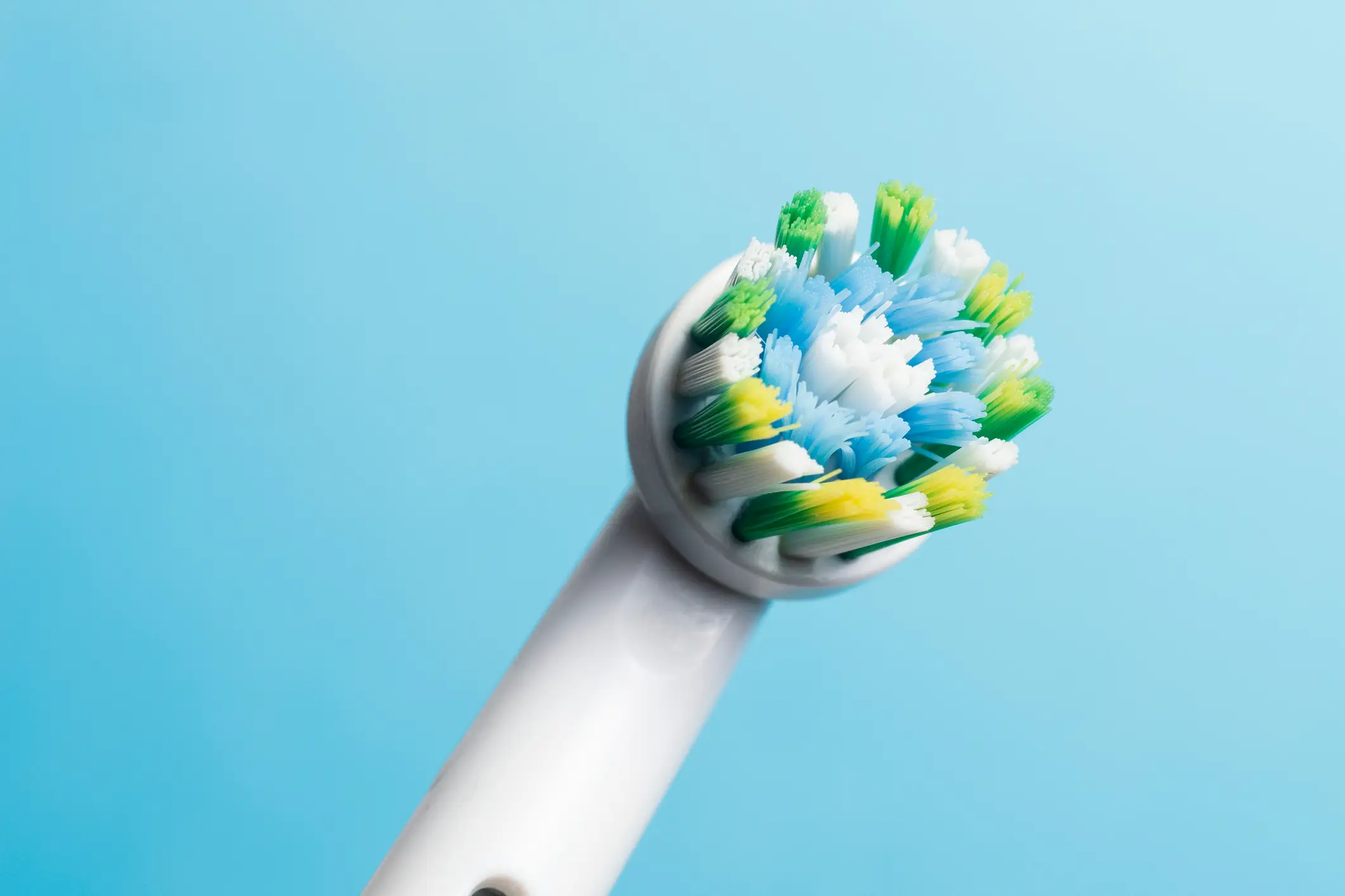
The post says it's not a manufacturing defect, but is actually a 'fundamental design flaw present in virtually every electric toothbrush on the market today.'
Khan claims the brushes have small gaps which 'allow water to seep in around the power button and charging port every time you brush', which becomes trapped inside.
Before long, on the humid atmosphere of a bathroom, he warns that it's the ideal environment for 'mould colonization'.
"You're pressing a mould contaminated handle against your mouth twice daily with no visible warning signs. The mould is there, thriving in conditions you created simply by using the product as intended," he continued, and advised readers to switch back to a manual toothbrush instead.
Some commenters are arguing with him: "Coming from a Dental Hygienist...Electric brush by far beat manual when it comes to oral care and long term health. So that's false statement. As far as mould, just like your regular brush you should be cleaning your electric brush and replacing the head every 3 months OR if it looks like some has sat on it ps I've had my electric brush over 7years not a single mould."
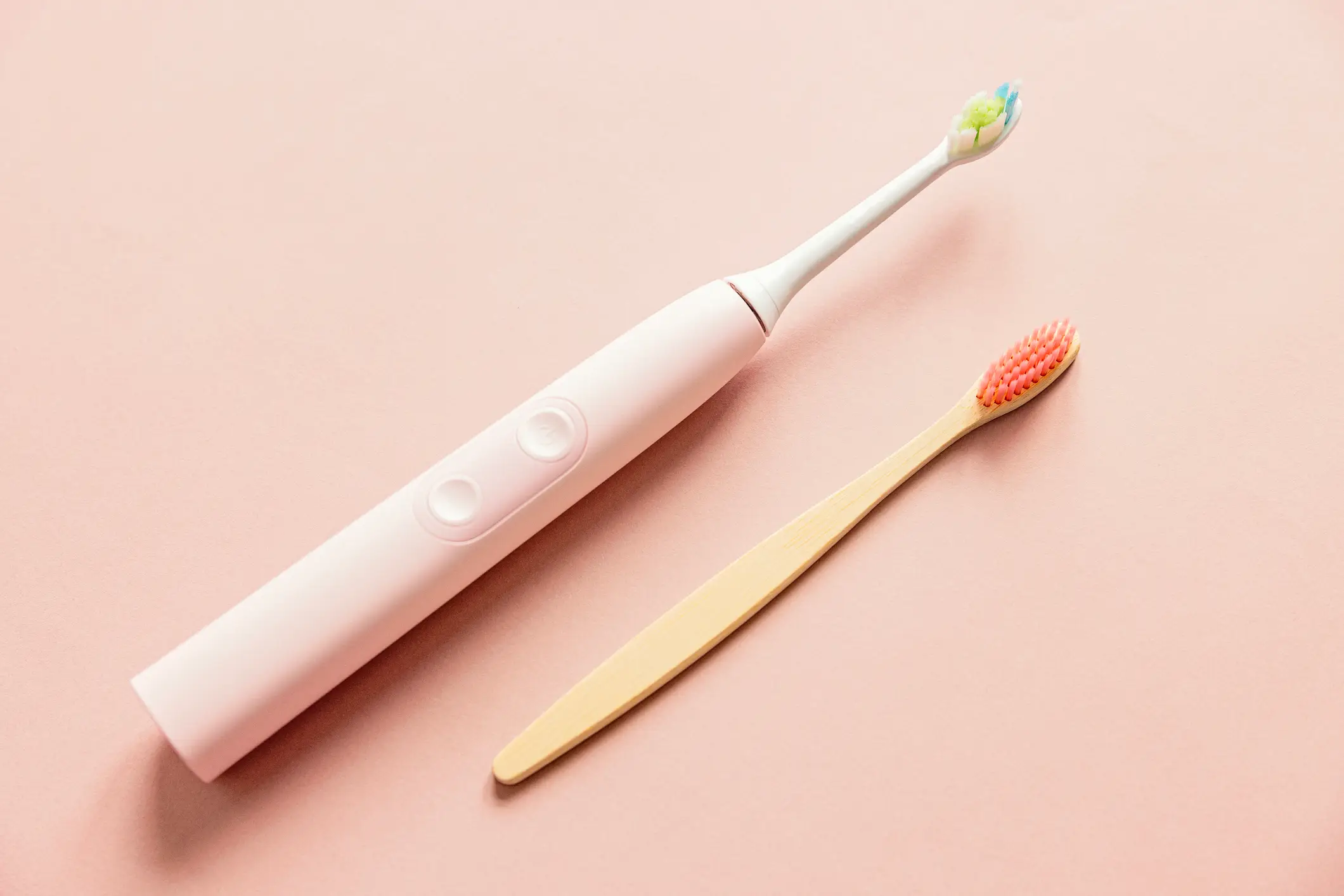
"Obviously you have to clean it and replace the head. Do we just MINDLESSLY buy things without caring for them?" asked another.
"As long as the part you put in your mouth (brush head) is clean and charged regularly I can’t see a problem. I think they are talking about the actual chamber/handle," wrote another.
One commenter defended him: "To everyone saying to change the head…this post says that it’s the handle that traps the mould inside. Also, I have an electric toothbrush. And we just can’t win."
Someone simply wrote "Ewwwwww", with sick emojis.
Maybe it's time to swap the brush heads over and give it a proper clean.
How to prevent mould in your toothbrush
According to Gap Dental, mould is a surprisingly common problem.
They recommend 'soaking the brush head in a mild antiseptic solution at least once a week instead. For obvious reasons you’ll need a liquid cleaner that’s safe for use in the mouth.'
Oral-B also answered questions about the issue, advising that any bad smell or mould will be 'related to moisture or toothpaste buildup left behind from previous brushing sessions. It’s important to keep your brush clean and allow it to fully dry to prevent any residue buildup.'
They also recommend 'gently wiping down your charger base and any areas where the handle sits with a damp washcloth'.
They warn: "Your charger is water-resistant but do not submerge it in water. Ensure charger is completely dry before plugging it back in."
Topics: Health
 Jen Thomas