
Symptoms of highly mutated ‘Cicada’ Covid strain as cases surge

A new, highly mutated Covid-19 variant that has been 'underground' for years is spreading through the United States.
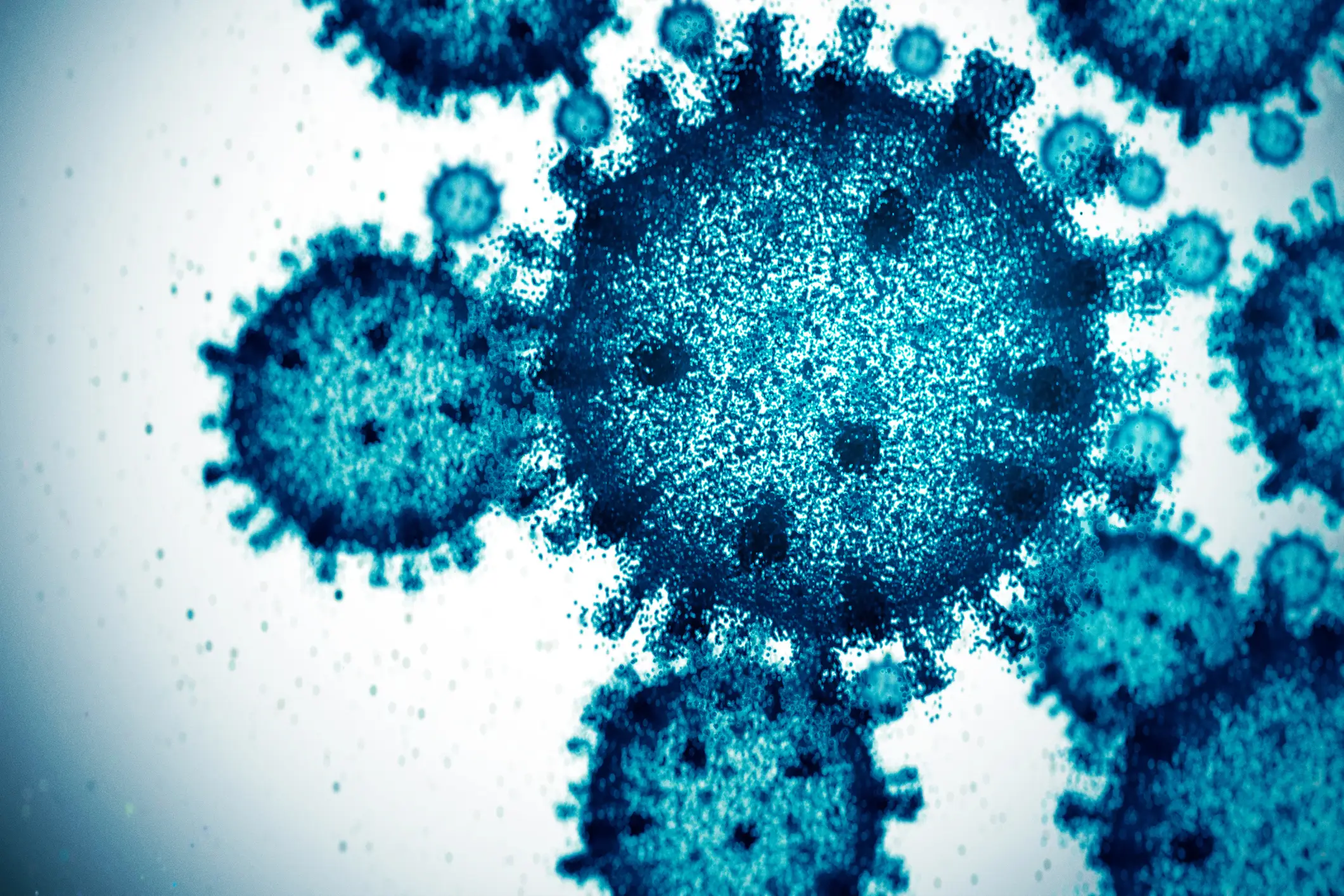
Health officials have reported that the BA.3.2 strain, dubbed 'Cicada' and a descendant of Omicron, has been identified in 25 US states and 23 countries worldwide.
The Centers for Disease Control and Prevention (CDC) has found evidence of the variant in wastewater samples across states, including California, Florida, Illinois, and New York.
The first case occurred in June 2025 in a participant travelling to the US from the Netherlands, and while global levels are still low, health experts and regulatory bodies are keeping an eye on it and monitoring the situation.
Advert
BA.3.2 earned its 'Cicada' nickname, as like the cicada insects, it remained underground for years before suddenly emerging.
A press release shared by the CDC on 19 March details that as of 11 February, the strain has been detected in nasal swabs from four travellers, three plane wastewater samples, clinical samples from five patients, and 132 wastewater samples from the states.
How does the 'Cicada' strain differ from other Covid-19 variants?
The main question that's circulating over the new strain is whether or not the current Covid-19 vaccinations protect against it.
As of right now, the answer is not exactly clear, but scientists are monitoring the situation.
The CDC report outlines that 'monitoring the spread provides valuable information about the potential for this new SARS-CoV-2 lineage to evade immunity from a previous infection or vaccination'.
Health officials say that while the previously administered vaccines do provide protection against the currently circulating predominant US variants, laboratory studies have shown that the recently emerged 'Cicada' strain 'efficiently evades antibodies, likely because of spike protein mutations'.
It's set apart from the other variants circulating because it's considered to be 'highly mutated' with between 70 and 75 mutations.
Andrew Pekosz, PhD, a virologist at the Johns Hopkins Bloomberg School of Public Health, told TODAY: "It has a lot of mutations that may cause it to look different to your immune system."
What are the symptoms of the 'Cicada' strain?

The symptoms of BA.3.2 are similar to those caused by other variants that are circulating right now.
Common Covid-19 symptoms in 2026 include:
- Cough
- Fever or chills
- Sore throat
- Congestion
- Shortness of breath
- Loss of smell or taste
- Fatigue
- Headache
- Gastrointestinal symptoms
As for whether it could make people sicker, epidemiologist Dr Syra Madad told HuffPost: "That’s really the big question with any Covid variant at this point. So far there is no evidence that it is causing more severe illness on a population level."
Which states have the 'Cicada' variant been found in?
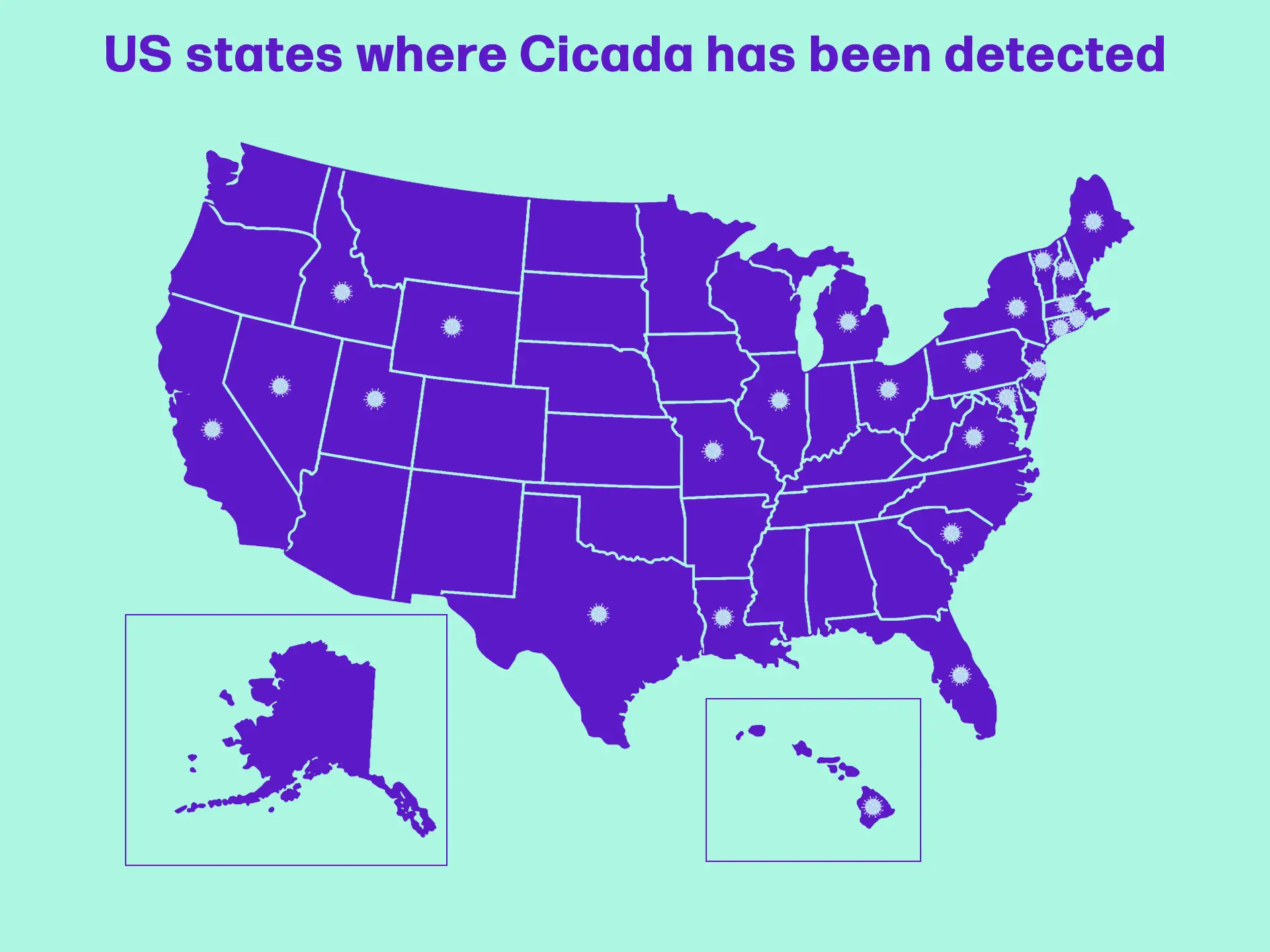
- California
- Connecticut
- Florida
- Hawaii
- Idaho
- Illinois
- Louisiana
- Maine
- Maryland
- Massachusetts
- Michigan
- Missouri
- New Hampshire
- New Jersey
- New York
- Nevada
- Ohio
- Pennsylvania
- Rhode Island
- South Carolina
- Texas
- Utah
- Vermont
- Virginia
- Wyoming
Topics: Covid-19, Health, US News, World News
 Madison Burgess