
Doctor issues warning to any women wearing ‘cheap’ knickers

A doctor has issued a warning to any women out there wearing 'cheap' underwear.
Now, while it may be tempting to grab the wallet-friendly knickers when you're out and about shopping, you may want to think twice before popping them in your basket, as doing so really isn't good for you 'down there'.
Tyla sat down with Dr Susanna Unsworth, women’s health expert for Intimina, the intimate wellness brand, to get the low-down on exactly why we shouldn't be wearing low-cost synthetic and, instead, be investing in higher-quality natural fabrics.
"Synthetic materials like polyester or nylon are generally less breathable and can trap heat and moisture," Dr Unsworth tells us. "This may increase the risk of irritation of the vulva, or may affect the natural balance of bacteria and increase problems such as thrush or potentially bacterial vaginosis in some women."
Advert
Contrastingly, natural fibres like cotton tend to be more breathable and better at managing moisture, so are often better tolerated, particularly for those who are more prone to vulval or vaginal symptoms, where switching to more natural fabrics for day-to-day wear can make a difference, the expert outlines.
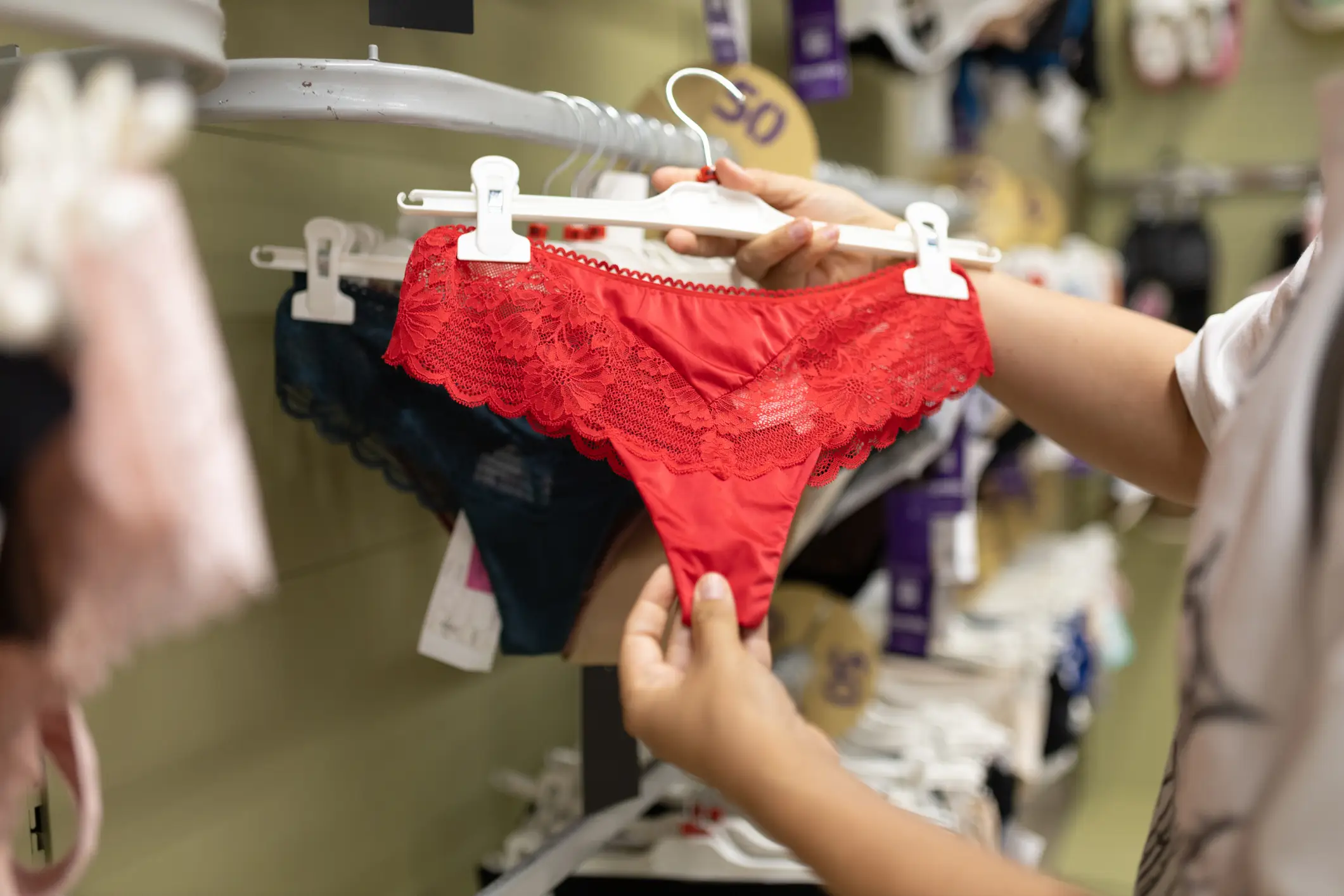
Can microplastics enter the body from cheap underwear?
While the women's health expert told Tyla she wasn't aware of 'any good clinical evidence that microplastics from synthetic underwear can enter the body directly through the skin or vagina', she did note: "While there are broader concerns about microplastics, most of the evidence relates to ingestion or inhalation, rather than exposure through the skin.
"Generally, the skin is a very effective barrier to particles, including those the size of most microplastics."
She highlighted that there may be a 'theoretical risk' with very small particles, but added: "I am not aware of any evidence that this occurs in the context of clothing or underwear.
"Similarly, there’s no evidence that microplastics from underwear affect the vaginal microbiome. Any impact on vaginal health is far more likely to be related to factors like heat, moisture and reduced breathability rather than microplastics themselves."
That said, however, Dr Unsworth admits that this is still a 'relatively understudied area'.
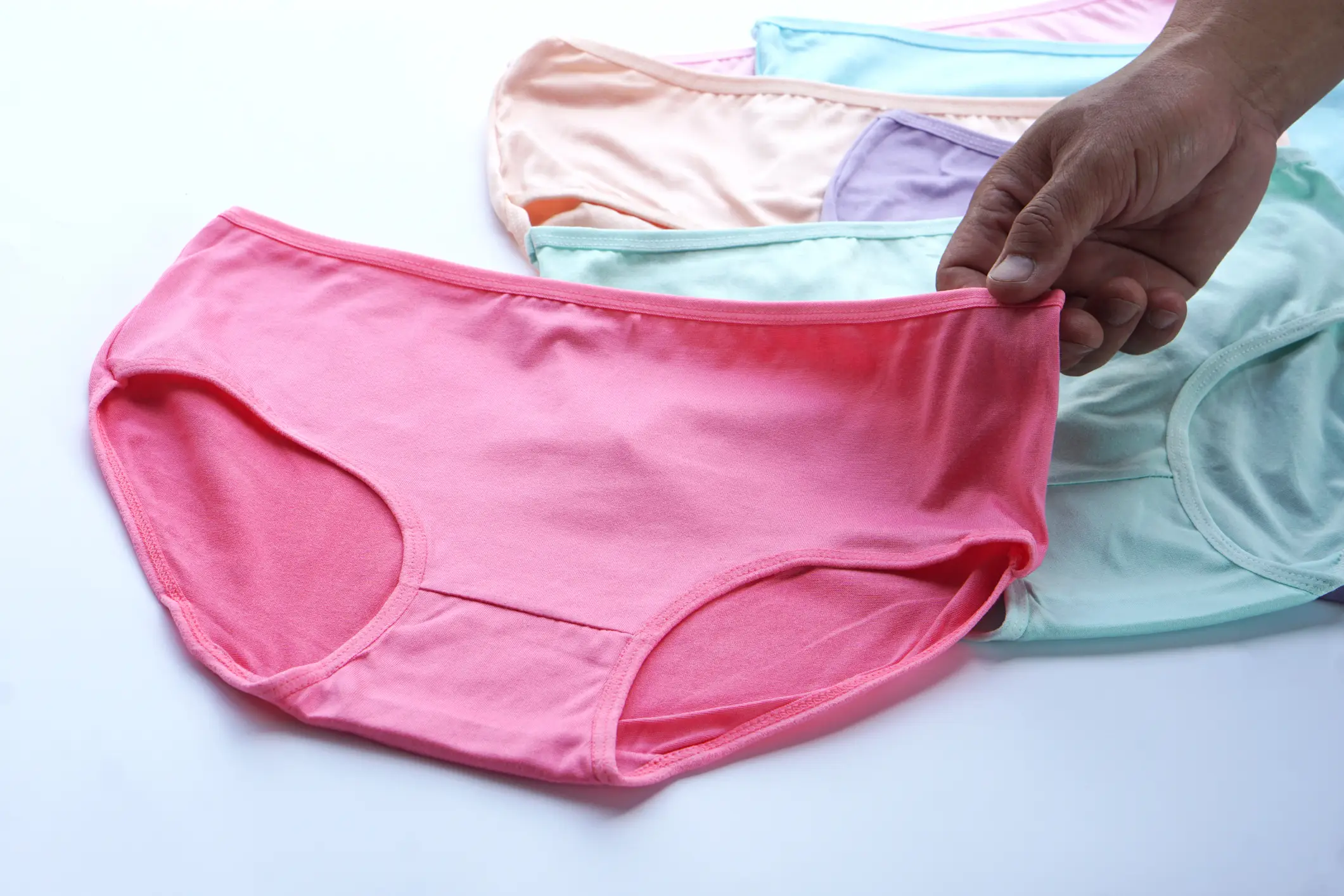
The health risk from dyes, finishes and chemical treatments used in cheaper underwear
Dr Unsworth notes that there is some evidence that dyes and chemical treatments used in clothing, particularly in more synthetic fabrics, can cause local skin irritation or allergic contact dermatitis, including in the vulval area, which is especially sensitive.
"This is usually related to textile dyes, processing chemicals, or residues from detergents, rather than the fabric itself," she explains.
According to the expert, in some cases, irritation can lead to a cycle where people scratch, potentially increasing the risk of infection, or start over-washing or using additional products to manage symptoms, which can, in turn, disrupt the natural balance of the vaginal microbiome.
She also warned: "There are also case reports of symptoms improving when irritants such as dyed underwear are avoided.
"That said, these reactions are relatively uncommon and tend to affect those with more sensitive skin, so for the majority of people this is unlikely to be a significant issue."
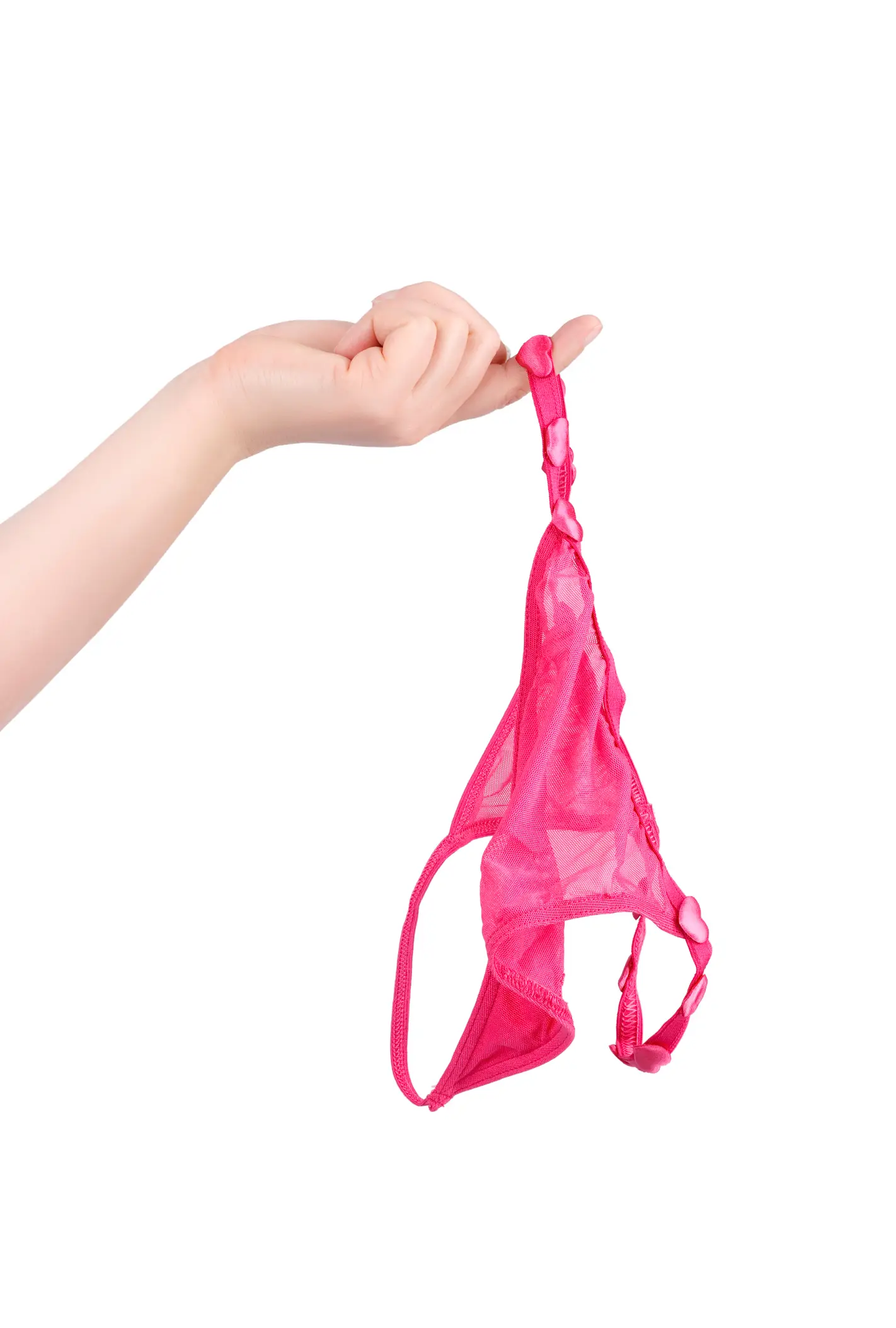
Guidelines to follow when choosing underwear
According to the expert, there isn’t a 'strict expiry date' for underwear.
"However," she continues, "general advice suggests replacing everyday underwear every 6-12 months, although this depends on several factors.
"These include how often the items are worn, how many pairs are in rotation, the quality of the fabric, washing methods, and any individual issues such as skin sensitivity."
From a health perspective, Dr Unsworth states that the 'main concern' is that fabric integrity can degrade over time.
"As fibres break down, underwear may be more likely to trap moisture, bacteria, and yeast, even when it appears clean. Elastic can also deteriorate, which may lead to rubbing or irritation," she outlines.
Because of this, it’s important to balance regular replacement with sustainability.
"That said, underwear should be replaced if there are visible signs of wear such as thinning or frayed fabric, stretched elastic, fading or discolouration, or a persistent odour," she notes. "If underwear starts to cause irritation or is associated with recurrent infections, that is also a clear sign it’s time to replace it."
Moving forward, Dr Unsworth recommends spending time choosing good-quality, breathable underwear, which can mean it lasts longer and needs replacing less frequently.
"Overall, it’s difficult to put a fixed timeline on this," she concludes. "Comfort, hygiene, and the absence of irritation or infection are better indicators than a specific timescale."
Noted.
Topics: Advice, Explained, Fashion, Health, Life, Women's Health, Tyla Exclusive
 Rhiannon Ingle