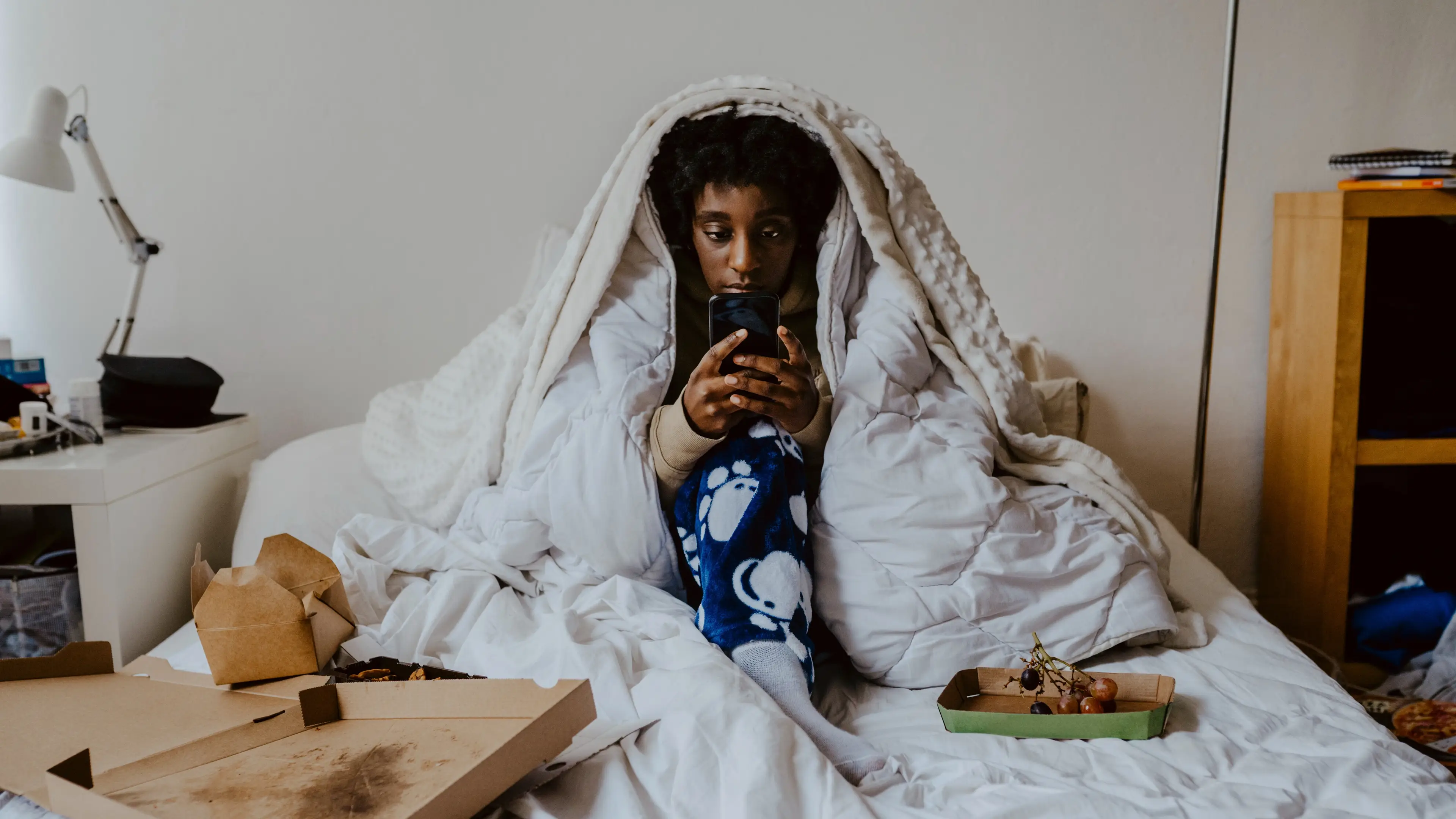
Health warning issued over 'bed rotting' trend

We're exactly two weeks into 2026, which means the January blues are probably in full swing by now.
A period often associated with brutal New Years restrictions, chilly winter weather, dark nights, rife illness and financial scarcity, the first month of the year usually forces sufferers into their happy places - and for many, this describes their bed.
Apparently, the act of relishing these cosy moments between the sheets has become so common amongst members of the Gen Z community, that it earned itself a name, and is known by many as 'bed rotting'.
According to a group of health experts, however, what might seem like a harmless wintertime bid to keep warm and relieve daily stress is now thought to have potentially-damning consequences for the mental wellbeing of young people.
Advert
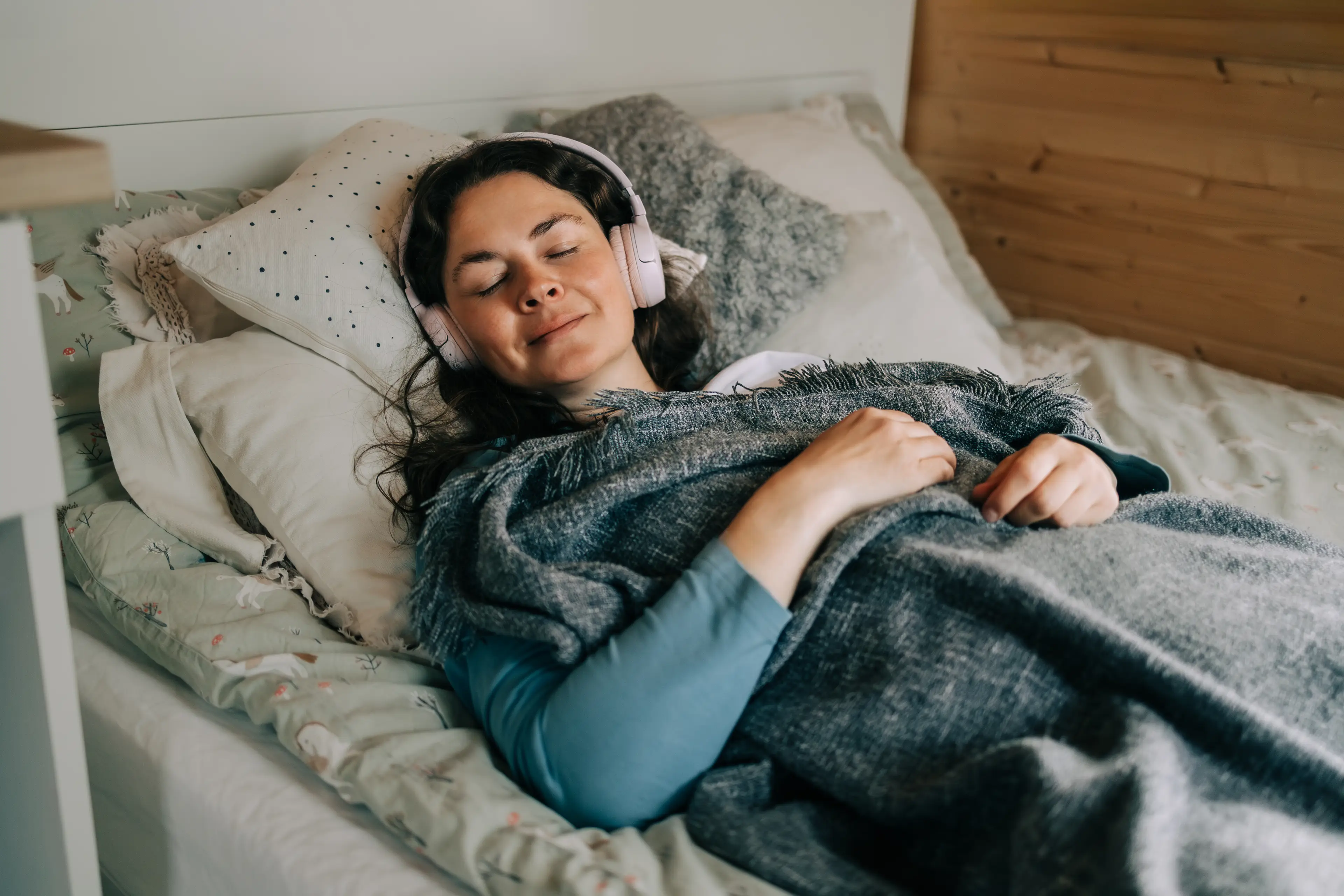
For those unfamiliar with the social media-friendly term, it describes extended staycations in the bedroom that can stretch from hours to days.
Sometimes, this involves listening to podcasts, sometimes people read, and sometimes it sees people rattling through entire Netflix series in one go. This pattern seemed to form after an increasing amount of social media influencers revealed they 'bed rot' quite often, finding full days in bed to be ways of improving their anxiety.
A study carried out by the American Academy of Sleep Medicine recorded almost a quarter of part-takers aged between 14 and 30 are regular 'bed rotters'. A further 50 per cent confessed to spending 30 minutes in bed before attempting to achieve some actual shut-eye, and 27 per cent said they do the exact same thing after first waking up in the morning.
With this in mind, experts at Ohio State University have issued a stern warning against become reliant on extended bed stays, emphasising that the need to remain in these 'safe places' for so long could prove a sign of depression.
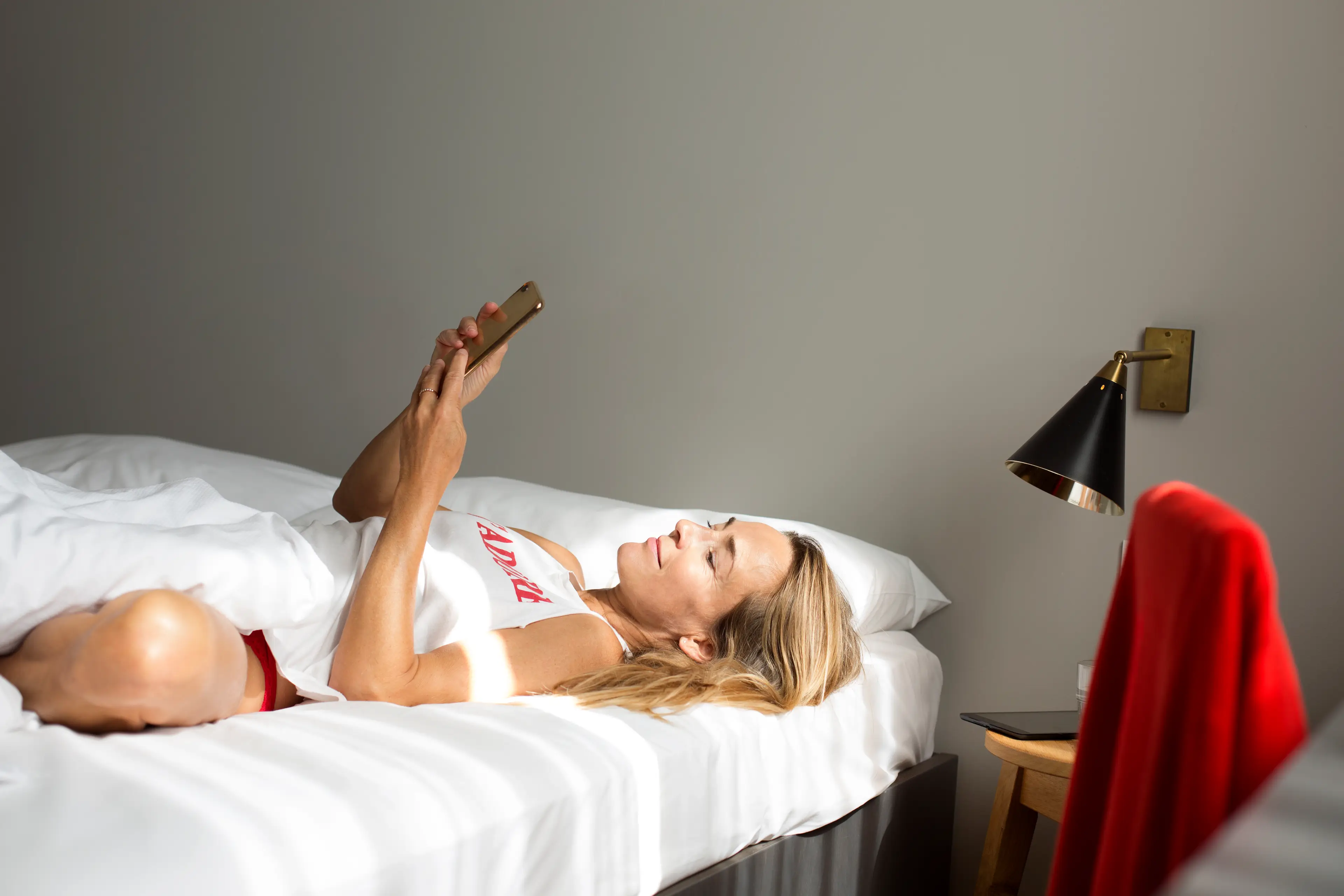
Dr Nicole Hollingshead, a clinical assistant professor at Ohio State Wexner Medical Center, explained: "There’s a strong circular link between depressed mood leading to inactivity - meaning, the more depressed you feel, the fewer activities you do, leading to a more depressed mood and more inactivity."
And while health experts at Cleveland Clinic don't dispute that giving yourself a moment to unplug for the often-hectic real world can reduce stress, they add that there's a fine line.
Dr Meghan Galili explained this balance, telling press: "It’s good to take time out and reflect about what's going on in your life - becoming more mindful of how you’re feeling, physically and emotionally, can improve mental clarity. But only if it’s done correctly.
"Humans are creatures of habit. So, I worry about these periods of intentionally unproductive time becoming a recurring pattern in your life."
Agreeing that such a practice can actually prove counterintuitive when it comes to mental health, counsellor M. Clark Canine added: "If you are doing it because of anxiety or depression, then you are not coping. You are hiding."
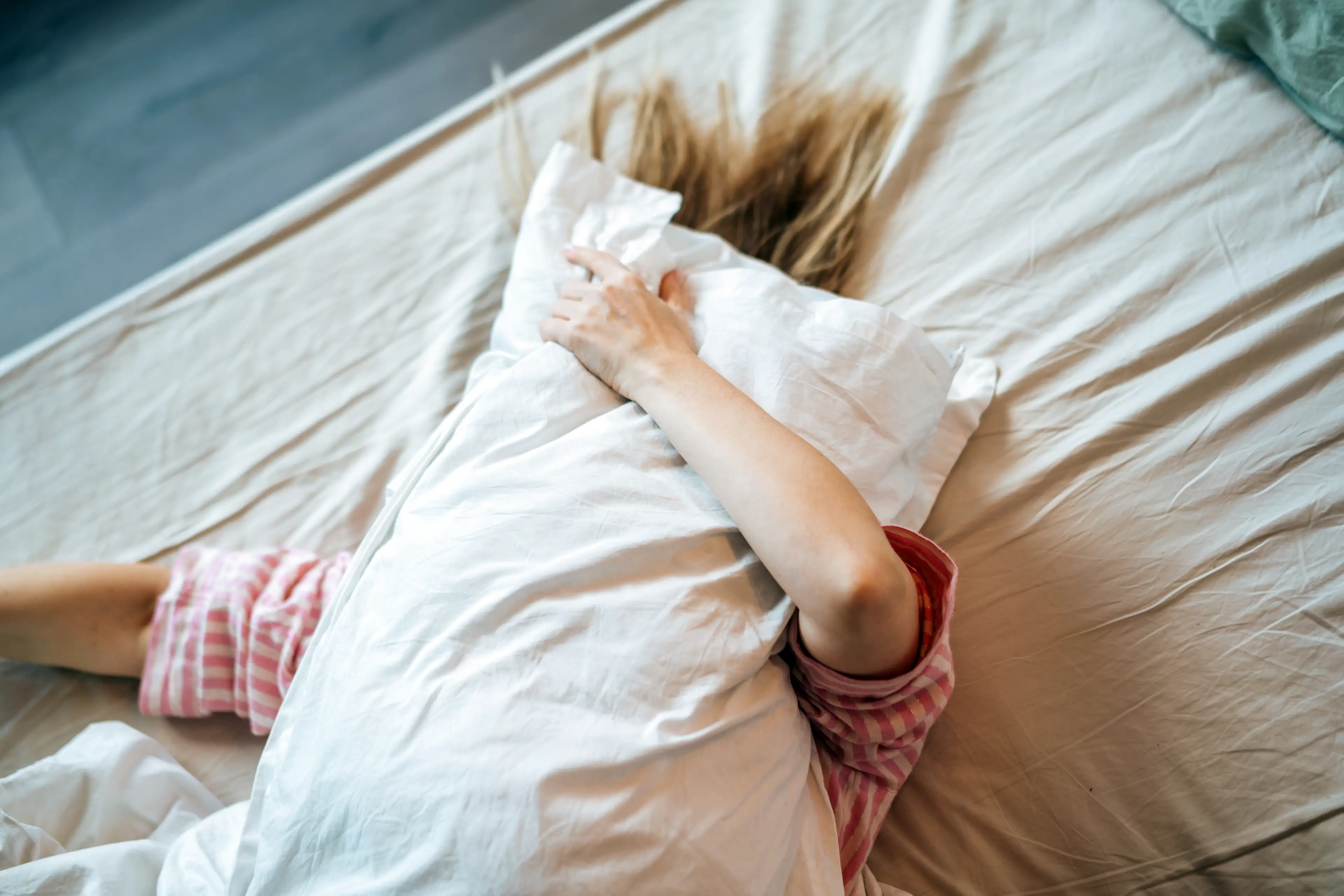
Psychiatrist and clinical instructor at Weill-Cornell Medical College, Samantha Boardman corroborated this, continuing: "It’s very tempting, but the reality is, many people after they engage in some extended period of bed rotting, they don’t feel that much better.
"If anything, they feel a little bit more drained."
Some experts have also warned of the importance in viewing a bed as somewhere to rest, as opposed to somewhere to part-take in recreational activities.
"These trends may not be inherently harmful, but it’s important to remember that the bed’s primary purpose is for sleep," Dr. Anne Marie Morse, a Geisinger Health System physician went on.
So, is there a right amount of time a person should 'bed rot'? Apparently so - the CDC's recommended 7 hours per night.
"To avoid becoming destructive to your mental health, hurkle-durkling and bed-rotting should be used infrequently," Dr Hollingshead explained.
Cleveland Clinic experts agree: "Bed rotting is supposed to leave you feeling refreshed. So, ask yourself: When you’re done rotting, do you feel energised or depleted? If it isn’t helping, stop doing it."
Topics: Life, Real Life, True Life, Sleep, Health, Mental Health, Gen Z, Social Media
 Rhianna Benson