
The vitamin D warning Brits need to know now the days are getting shorter

We're just four days into October, and somehow, the nights feel already feel darker, the days feel shorter and the air feels chillier.
But as the seasons change, there's one vitamin that medical experts are urging people - especially Brits to think carefully about.
If your summer wardrobe has already been packed away and you’re wondering where on earth the sunshine went, you're not imagining it.
From October onwards, the UK doesn’t get enough sunlight for our skin to make sufficient vitamin D.
Advert
And while that might sound like a very winter-specific problem, experts say autumn is actually the time to start thinking about it - rather than waiting until January when you're already feeling like a human duvet burrito.
Vitamin D is important for healthy bones, muscles and teeth, and deficiency can sometimes cause symptoms that are easy to brush off as simply being tired, run-down or very over the darker mornings.
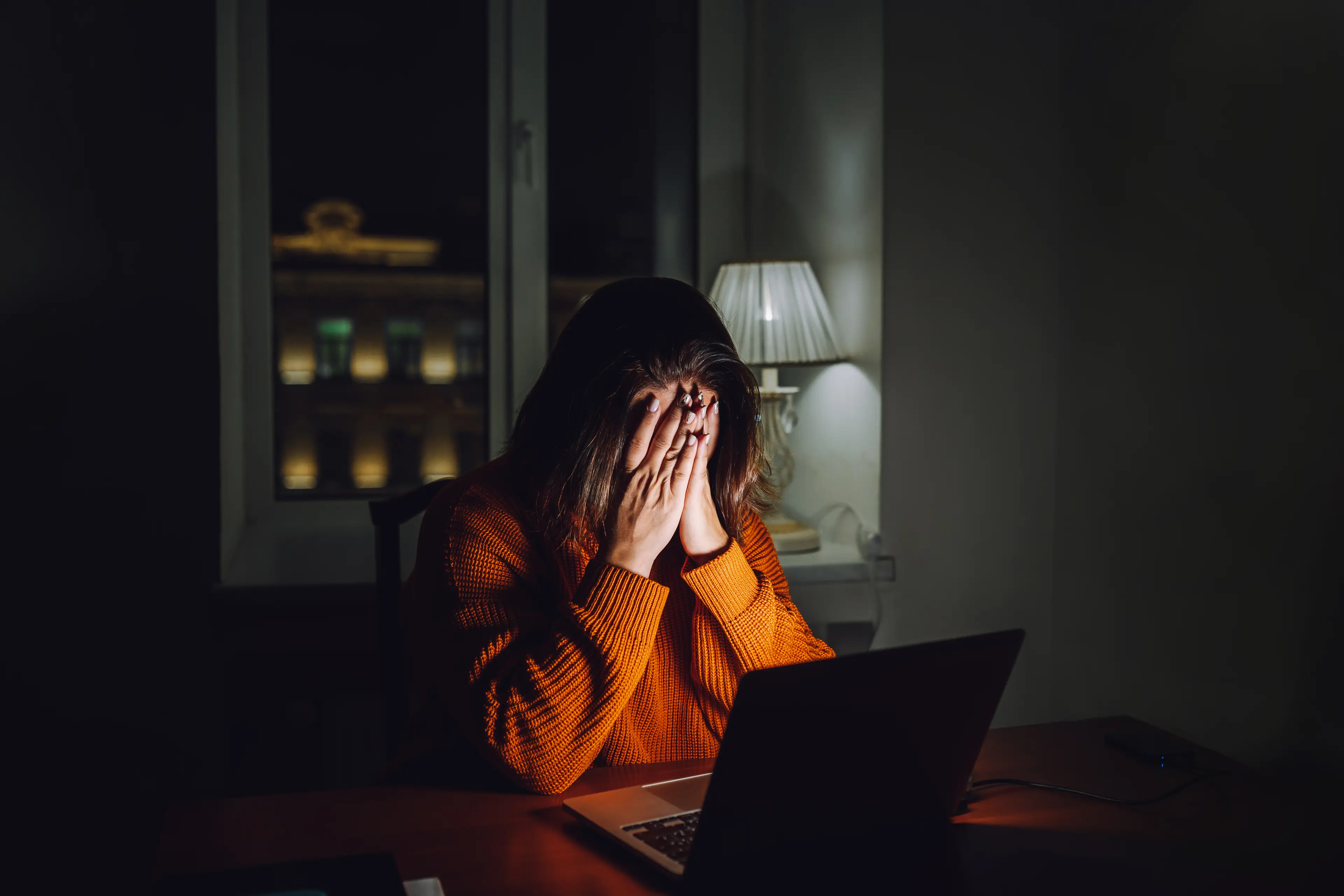
So, what should you look out for?
Before we get into that, let's remind ourselves of a few important factors.
What does Vitamin D actually do - and where do we get it from?
'Vitamin D' might sound like another wellness buzzword destined to end up on your TikTok FYP, but it has some pretty important jobs within the body.
It aids the body's absorption of both calcium and phosphorus, which are essential for maintaining healthy bones and teeth, while also playing a role in normal muscle function.
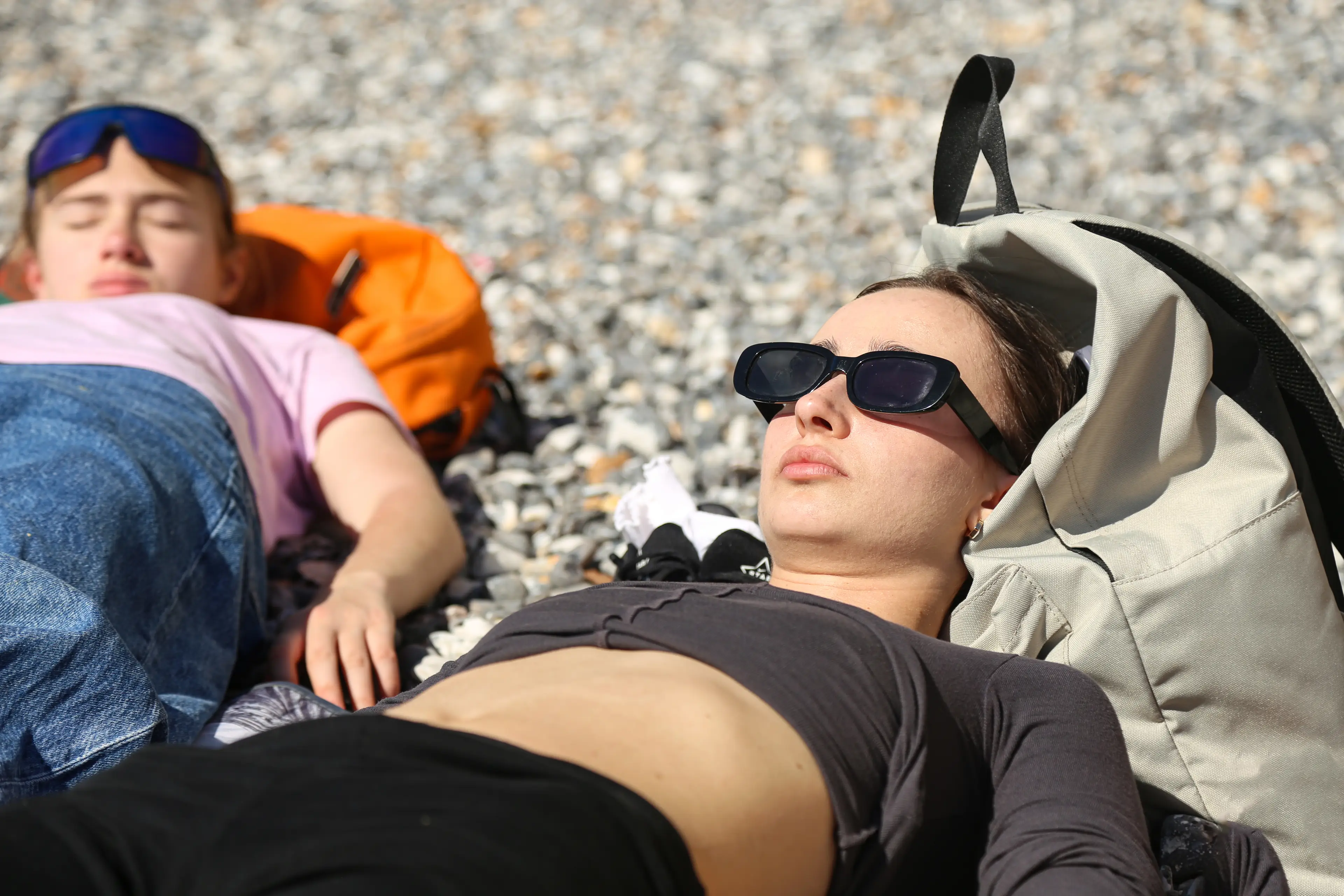
The main way our bodies make vitamin D is through sunlight hitting our skin.
Unsurprisingly, therefore, there's a catch for those of us living in the UK, as well as other residents of the northern hemisphere.
With this in mind, Tyla approached women's health GP, Dr Nikki Ramskill, who had some vital advice on the matter.
She began: "As we move into October and the evenings get darker, vitamin D becomes much more relevant in the UK.
"Our main natural source is sunlight, and from roughly October to early March, sunlight in the UK doesn’t contain enough UVB for most people to make sufficient vitamin D through their skin."
Dr Ramskill, the founder of The Female Health Doctor clinic, went on to explain: "That’s why autumn is a good time to think about vitamin D rather than waiting until the depths of winter."
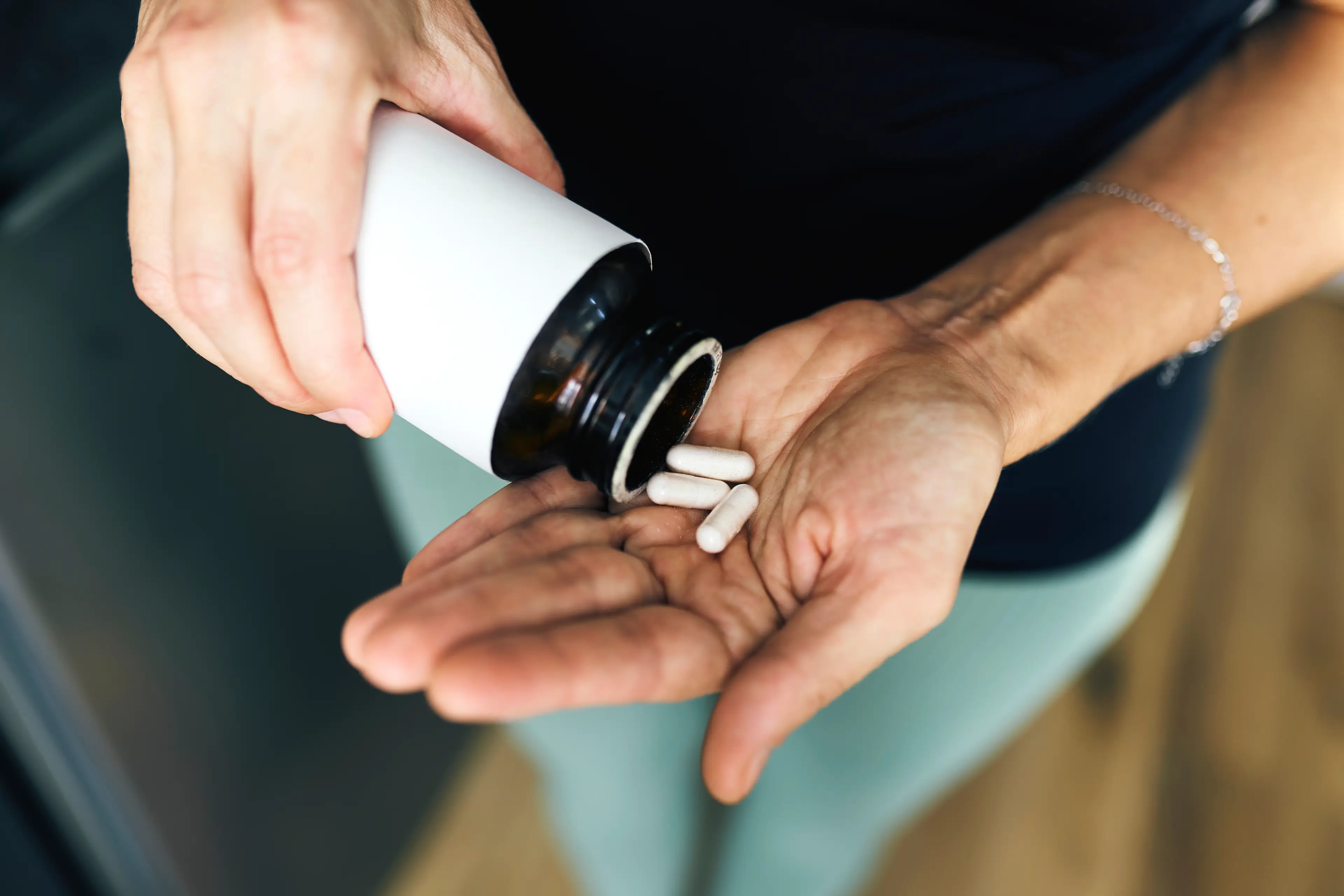
During the months where the sun isn't strong enough to provide us with this vital ingredient, many Brits turn to supplements for help.
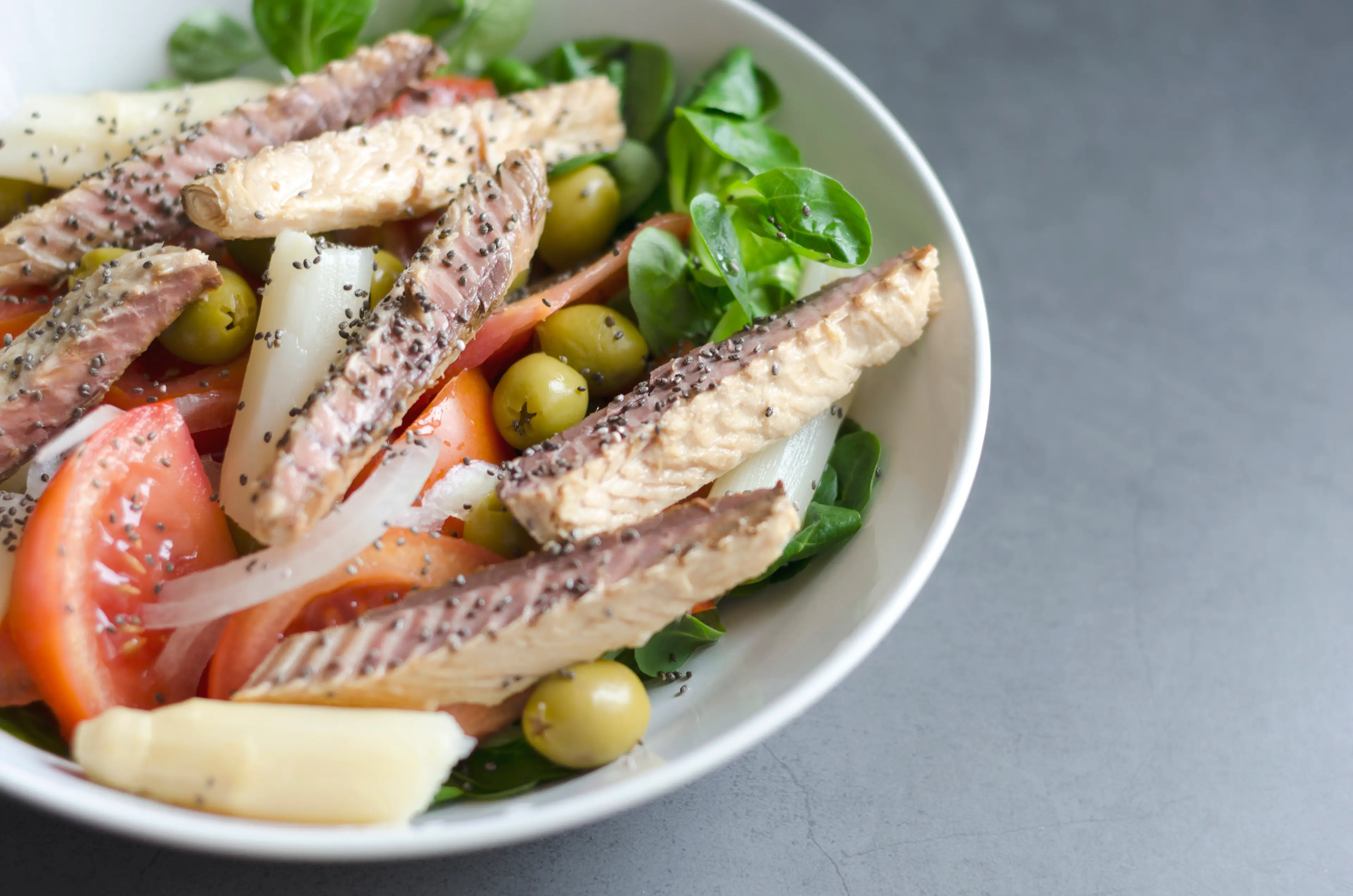
You can also get some vitamin D from food, including oily fish such as salmon and mackerel, egg yolks, red meat and some fortified foods such as breakfast cereals and fat spreads.
But getting enough from food alone can be tricky, and before you know it, you could find yourself deficient.
What are the obvious signs you could be deficient?
Here's where things get a little difficulty, because there isn’t one tell-tale symptom that screams 'you need more Vitamin D!'
As Dr Ramskill perfectly summed up: "The tricky thing about vitamin D deficiency is that it doesn’t necessarily produce one obvious, unmistakable symptom. Mild deficiency may cause no symptoms at all.
"When symptoms do occur, people may notice tiredness, muscle weakness, muscle aches or bone pain. With more significant or prolonged deficiency, bones can become weaker, and adults can develop osteomalacia, where the bones become softer and painful."

Those symptoms are also recognised by medical guidance, with fatigue, muscle weakness, muscle aches and bone pain among the more established signs of deficiency.
And while having a sleepy week after a late-night Netflix binge is not exactly cause for alarm, persistent or unexplained symptoms are worth paying attention to.
Bone pain and muscle weakness in particular can become more noticeable when deficiency is significant. In adults, prolonged deficiency can lead to osteomalacia - a condition in which bones become softer and painful.
How about the less obvious symptoms?
Sometimes, low vitamin D doesn’t announce itself with dramatic symptoms. Instead, you might simply feel a bit... off.

Dr Ramskill went on: "Some of the signs can be incredibly non-specific. A woman might simply say, 'I feel exhausted all the time', 'my body aches', or 'I just don’t feel quite right.
"Muscle weakness can be subtle too, things like finding stairs harder than usual or feeling that the muscles aren’t as strong as they once were."
So, basically, that 'why do I feel like I’ve run a marathon when I’ve literally just walked upstairs?' feeling is worth noting. Although, it's probably worth noting that it certainly doesn’t mean you're definitely deficient.
As Dr Ramskill points out: "Fatigue, aches and weakness can have lots of causes, including iron deficiency, thyroid problems, B12 or folate deficiency, sleep problems and hormonal changes.
"That’s why persistent symptoms deserve proper assessment rather than simply taking increasingly high doses of supplements."

Other symptoms sometimes associated with low vitamin D include low mood and getting ill more frequently, but these are non-specific too, and shouldn’t be used to diagnose yourself.
And this is particularly important as we head into autumn, when tiredness, low mood and feeling generally fed-up can have approximately 4,000 other possible explanations - from darker mornings to being personally victimised by the weather.
Are women more at risk of being vitamin D deficient?
There are certain points in life when vitamin D and bone health become particularly important for women.
Dr Ramskill says: "There are several times in a woman’s life when vitamin D is particularly worth thinking about.
"Pregnant and breastfeeding women need adequate vitamin D, and during perimenopause and after menopause we’re also thinking much more broadly about protecting long-term bone health as oestrogen levels fall."

She added: "Women who spend very little time outdoors, cover most of their skin when outside, or have darker skin are also at greater risk of vitamin D deficiency because their skin may produce less vitamin D from the available sunlight."
Equally, however, the GP emphasised: "It’s also worth remembering that vitamin D isn’t just a 'women’s hormone' issue.
"If a woman comes to me with significant fatigue, aches or weakness, I wouldn’t want her symptoms dismissed as only menopause or hormones without considering other possible causes."
People who spend little time outdoors or have darker skin are among those who may be at greater risk of vitamin D deficiency, as are some people with conditions affecting absorption.
So, what can you actually do about it?
First of all, don’t panic and start taking the biggest supplement you can find.
Although, if supplements are something you are considering, the NHS recommends that adults and children over four consider taking a daily 10 microgram tablet per day during autumn and winter.
According to Dr Unnati Desai, National Lead for GP Services, diet is also key.
"Can you eat your way out of it? In a word, no," he told us. "While oily fish like salmon and mackerel, egg yolks, and fortified cereals help, diet alone rarely gives you the Vitamin D your body requires during the British winter."
Dr Ramskill also believes it's important for us to recognise that getting more of something doesn't necessarily mean it's better.
"Very high doses taken over time can cause harmful calcium levels in the body, so people shouldn’t take large doses without medical advice," she added.
The bottom line is, if you have persistent unexplained fatigue, muscle weakness, significant aches or bone pain, or symptoms that are affecting your everyday life, it's best to speak to your GP or another healthcare professional.

"Blood testing isn’t routinely necessary for everybody simply because winter is approaching, but it may be appropriate when someone has symptoms or particular risk factors."
Vitamin D levels can be checked with a blood test when clinically appropriate, but routine testing isn't recommended for everyone who is otherwise well.
So, as the nights draw in and the sun starts clocking off earlier than we do, October is a pretty good time to get your vitamin D sorted - without turning your entire personality into a supplement aisle.
Topics: Advice, Health, NHS, Real Life, Women's Health
 Rhianna Benson