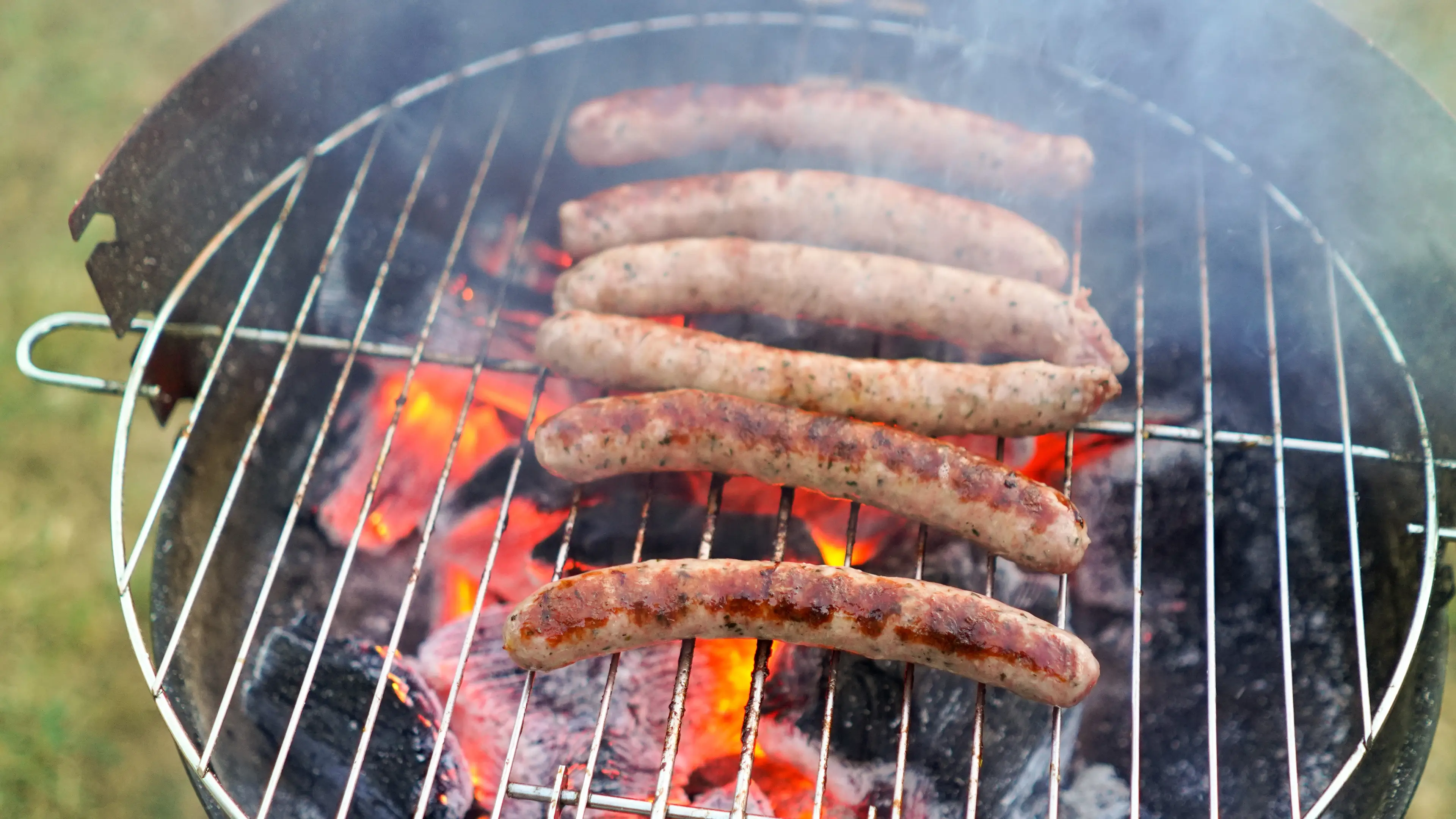
What 'one portion' of red meat actually is as bowel cancer warning is issued

Questions have been raised over portion sizes as doctors continue to find damning links between red meat consumption and cancer.
With bowel, colon and rectal cancer rates in under-50s at an all-time high, medics around the world are determined to suss out a viable explanation, with research bodies pummelling thousands of pounds into research studies.
These strains currently remain at the top of the list of most common cancer diagnoses per year, with approximately 44,100 new cancer cases being recorded in Britain yearly (via Cancer Research UK), and many of these affect young people.
So much so, that the condition has been dubbed a 'silent killer' by medical experts, given the cancer's wide range of symptoms, several of which often flying under the radar for some time.
Advert
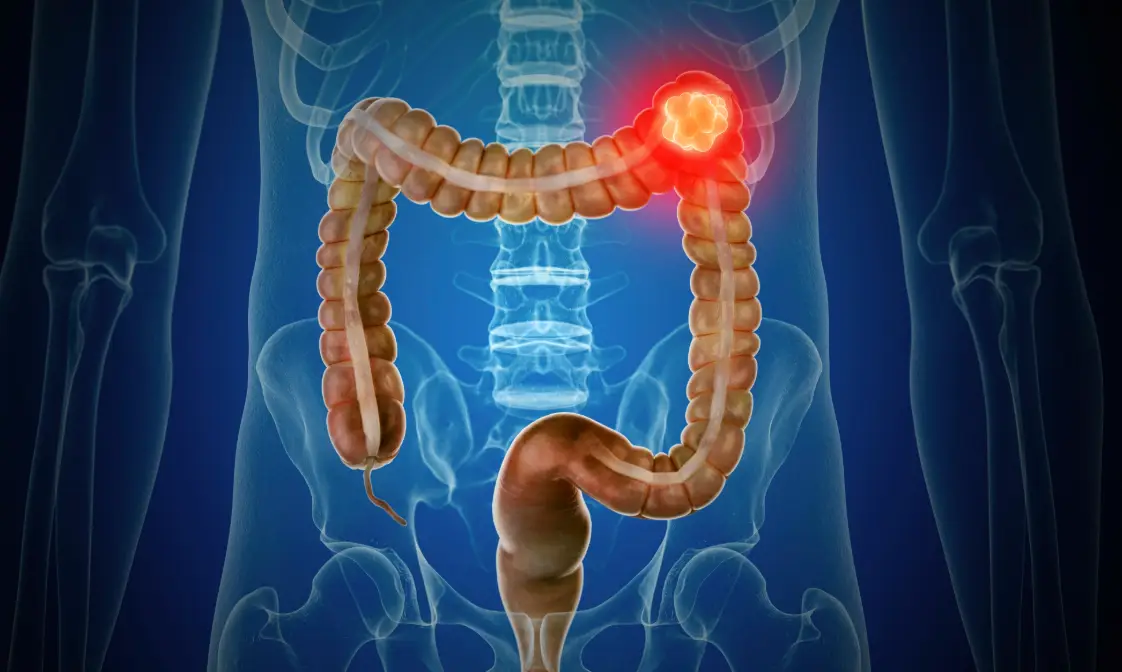
When it comes to the causes of this seemingly sudden surge, some doctors have postulated the ongoing obesity epidemic having something to do with it, while others have simply suggested that youngsters are less aware of the symptoms, and therefore, less likely to see their GP over them. A third popular theory points out that Gen Z and Millennial diets are often lacking in nutrition made up of ultra-processed foods.
Whilst some studies have supported these theories, other medics have been focussing on the possible influence of red meat.
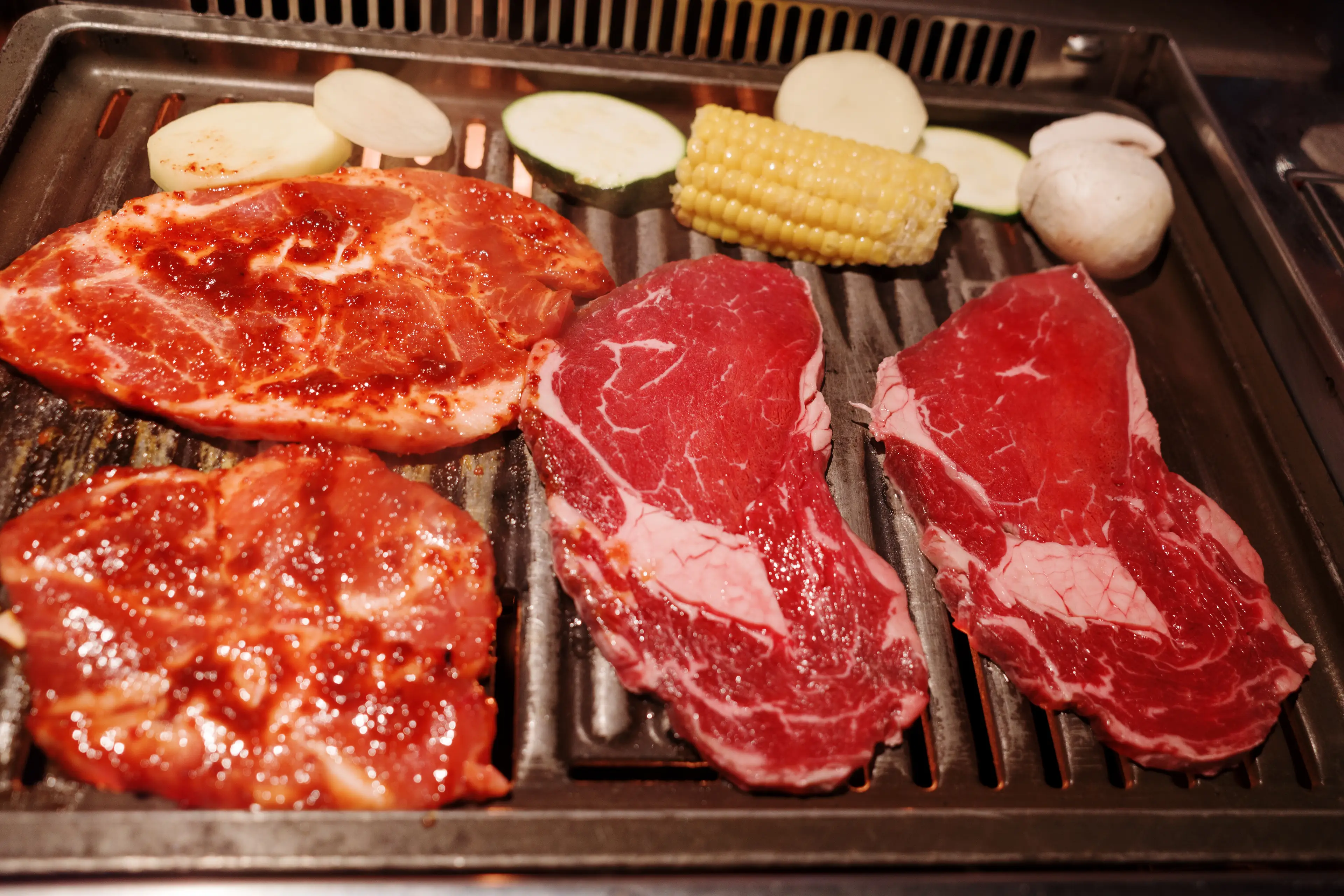
As a reminder, processed meats in general can include ham, bacon, corned beef, sausages and deli meats. Red meats, meanwhile, are any type of beef, pork, lamb or goat, and can be fresh or frozen, minced or whole.
Why is red meat linked to cancer?
According to studies carried out by Cancer Research UK, whilst scientists know for sure that processed foods are contributors to cancer cases, red meat is classified as a probably cause of the disease.
Heaps of evidence demonstrates a strong link between the two - especially in cases of bowel, stomach or pancreatic cancer - likely caused by either the haem included in red meat.
This compound contains iron, and is used to carry oxygen around the body.
It could also be down the heterocyclic amines (HCAs) and polycyclic aromatic hydrocarbons (PAHs) which are created when red meat is cooked at high temperatures, like when pan frying or grilling it, and damage cells within the bowel.
This isn't to say that red meat is wholly harmful, however.
It actually boasts a number of benefits, being a nutrient-dense source of high-quality protein, and providing consumers with iron, zinc, and essential B vitamins, all of which can support muscle building, energy, and immune function.
How much red meat should we be eating?
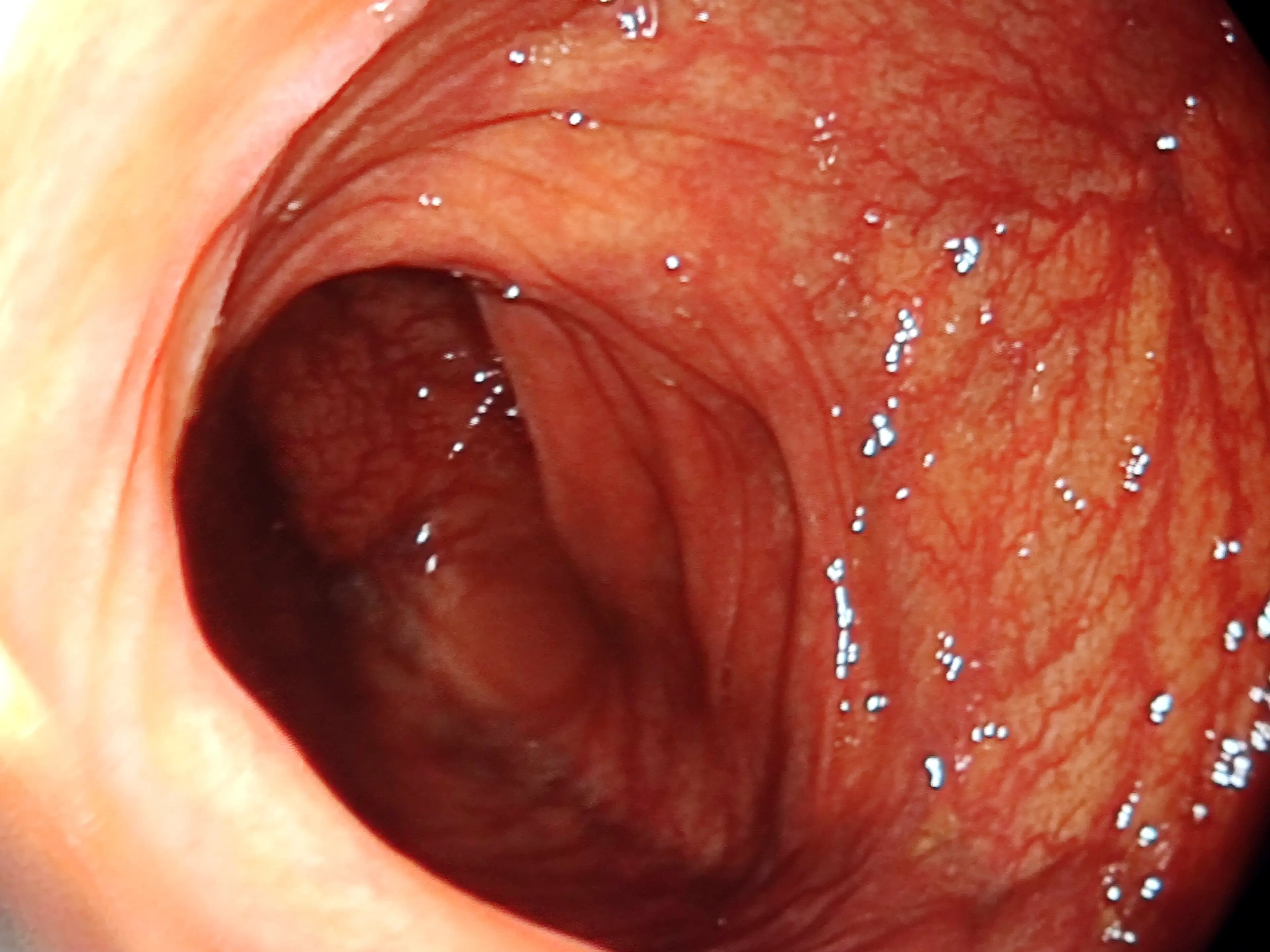
This said, though, there's a fine line between chowing through a healthy amount of red meat, and over-consumption, which could prove detrimental to your long-term health. For those with a keen appetite for a fillet steak or a lack of lamb on a regular basis, cancer researchers recommend cutting down.
In an ideal world, humans would cut out red meat entirely, but knowing that's unlikely to occur, doctors suggest consuming no more than three portions of red meat a week. A single portion could look like a quarter of a 500g pack of mince, a grilled beef steak, a quarter-pound beef burger, the meat in your Sunday roast, or a singular sausage barm.
Topics: Bowel cancer, Cancer, Food and Drink, Health, Life, Real Life, True Life, Gen Z
 Rhianna Benson