
Warning issued over popular gym supplement as NSFW side effect revealed

A doctor has issued a vital warning on the consumption of a popular gym supplement, after it was linked to serious issues between the sheets.
If you're someone that enjoys regular exercise - especially lifting weights and building muscle - then you're probably more than familiar with a substance known as 'pre-workout'.
The term is actually pretty generic, and is used to describe any range of bodybuilding supplements, which claim to increase endurance, energy, and focus during exercise.
The majority are made up of ingredients like caffeine and creatine, which are mixed with a number of other powdered products which serve to enhance the flavour of the substance, as well as amino acids, nitric oxide agents and beta-alanine.
Advert
However, many medics still harbour concerns surrounding these supplements, given that there's a lot we don't yet know about their potentially-dangerous long-term effects.
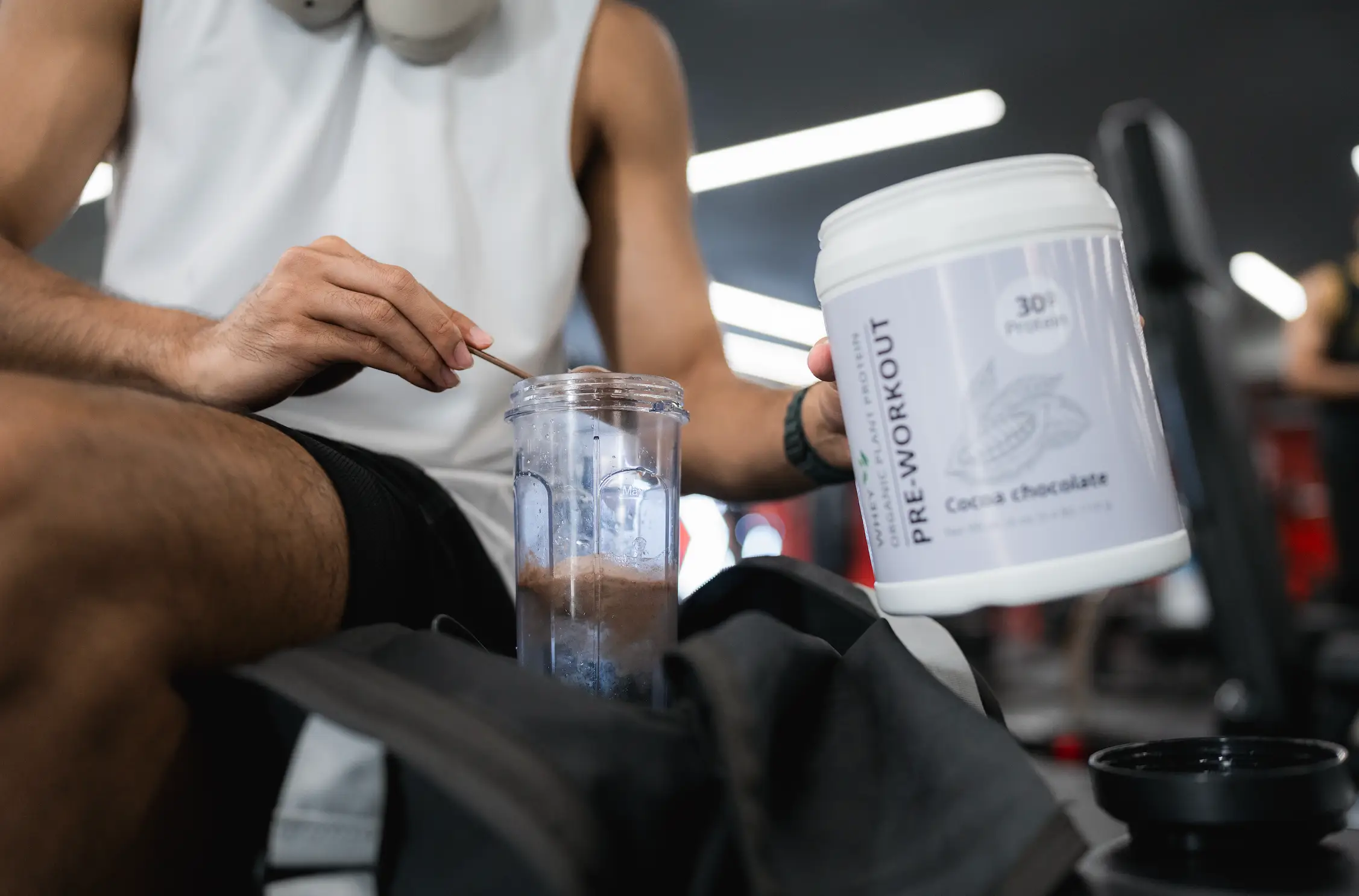
As well as nausea, skin irritation, cardiovascular issues, a rise in blood pressure and an increased risk of liver-related issues, some former consumers of pre-workout claimed the supplements affected their bedroom antics in a major way.
Addressing this long-standing theory, Dr Hana Patel, a UK-based GP at Superdrug, told Tyla she's not surprised to hear complaints about pre-workout triggering erectile dysfunction in men, or triggering a loss of libido in women.
"Pre-workout supplements are designed to stimulate the body, but that stimulation doesn’t always stop at the gym," she explained.
"Most formulas contain very high doses of caffeine alongside other stimulants and vasoconstrictors, which can temporarily narrow blood vessels, increase cortisol levels and heighten anxiety.
"While that can feel like focus or 'pump' during exercise, it can have the opposite effect when it comes to libido and sexual performance."
Honing in on male issues specifically, Dr Patel provided us with a little biology lesson.

"Erections rely on healthy blood flow and a relaxed nervous system," she continued. "Stimulants push the body into a ‘fight or flight’ state, which diverts blood away from the penis and suppresses sexual arousal.
"In some men, this can show up as difficulty getting or maintaining an erection, delayed ejaculation, or a noticeable drop in sex drive; particularly if pre-workout is used frequently or late in the day."
Providing a different sort of explanation, Dr Patel also spoke of the effect that pre-workout has been known to have on the sleeping patterns of regular consumers - this, again, she adds, could explain a loss of arousal.
"Regular pre-workout use can disrupt sleep quality, and poor sleep is closely linked to lower testosterone levels, reduced libido and impaired sperm quality," the expert went on.
"In fact, lifestyle factors like lack of sleep and highly processed diets are often overlooked contributors to sexual and fertility issues, despite being hugely influential.

"What’s important to stress is that these problems are far more common than people realise."
Noting the 'real emotional toll' that erectile dysfunction can have on men, Dr Patel continued: "UK research shows that almost seven in ten adults say they or their partner have experienced erectile dysfunction, and a third of men aged 18–24 report symptoms.
"This challenges the idea that ED only affects older men. Erectile difficulties can also take a real emotional toll.
"Over half of men with performance issues say it negatively affects their mental health, and nearly half believe it would damage their romantic relationships."
Asked her advice when it comes to bulking up and staying up, she lastly added: "If someone notices ‘down there’ issues after using pre-workout, it’s a sign to take a step back.
"Reducing stimulant intake, prioritising sleep, managing stress and reviewing overall diet can make a significant difference."
Dr Patel finally went on to urge: "If symptoms persist, speaking to a GP is key."
Topics: Health, Life, Real Life, True Life, Sex and Relationships
 Rhianna Benson