
'Highly contagious' disease isn't going away anytime soon - here's what you need to know

As cases keep soaring and germs continue to spread, medics are sounding the alarm when it comes to adenovirus.
This 'highly contagious' DNA condition has been tearing its way through the world's population for several months now, with experts putting this unprecedented rate of infection down to a range of rather unnerving factors.
Not only do doctors suspect the weather might be involved, but the nationwide Coronavirus lockdowns have been accused of still inflicting harm on our health five years later.
It's worth noting early on that adenovirus is rarely considered a potentially fatal condition - most patients experience symptoms similar to those of the flu, with a couple of frustrating new side effects added on top, such as eye infections and stomach issues.
Advert
For some individuals, however, an adenovirus diagnosis can prove serious business, especially given that it primarily affects a person's upper and lower respiratory tracts.

As such, healthcare workers around the world - especially in the UK and US, where cases are reportedly at an all time high - are attempting to raise awareness of the disease's symptoms, as well as the best ways to keep the spread of infection at a minimum.
What are the symptoms of adenovirus?
One of the trickiest aspects of diagnosing adenovirus is that most indicators of this infection mimic those exhibited when a patient is battling the flu.
This results in vast numbers of adenovirus patients mistaking their symptoms for something else.
Most people suffer the likes of a fever, a sore throat, a cough, and shortness of breath as a result of infection.
A runny nose is also common, occurring because the virus infects the respiratory tract linings, triggering inflammation and increasing mucus production in the area, potentially leading to other secondary symptoms like congestion or sneezing.
A person may also endure enlarged cervical lymph nodes, which emerge from the neck, given that these form a key part of your immune response, acting as filters that trap viruses and trigger lymphocyte production to fight the infection, leading to swelling.

As we say, whilst the majority of adenovirus symptoms cross over with those typically exhibited during flu season, there are several differences between this super-contagious infection and the common cold.
What are these differences?
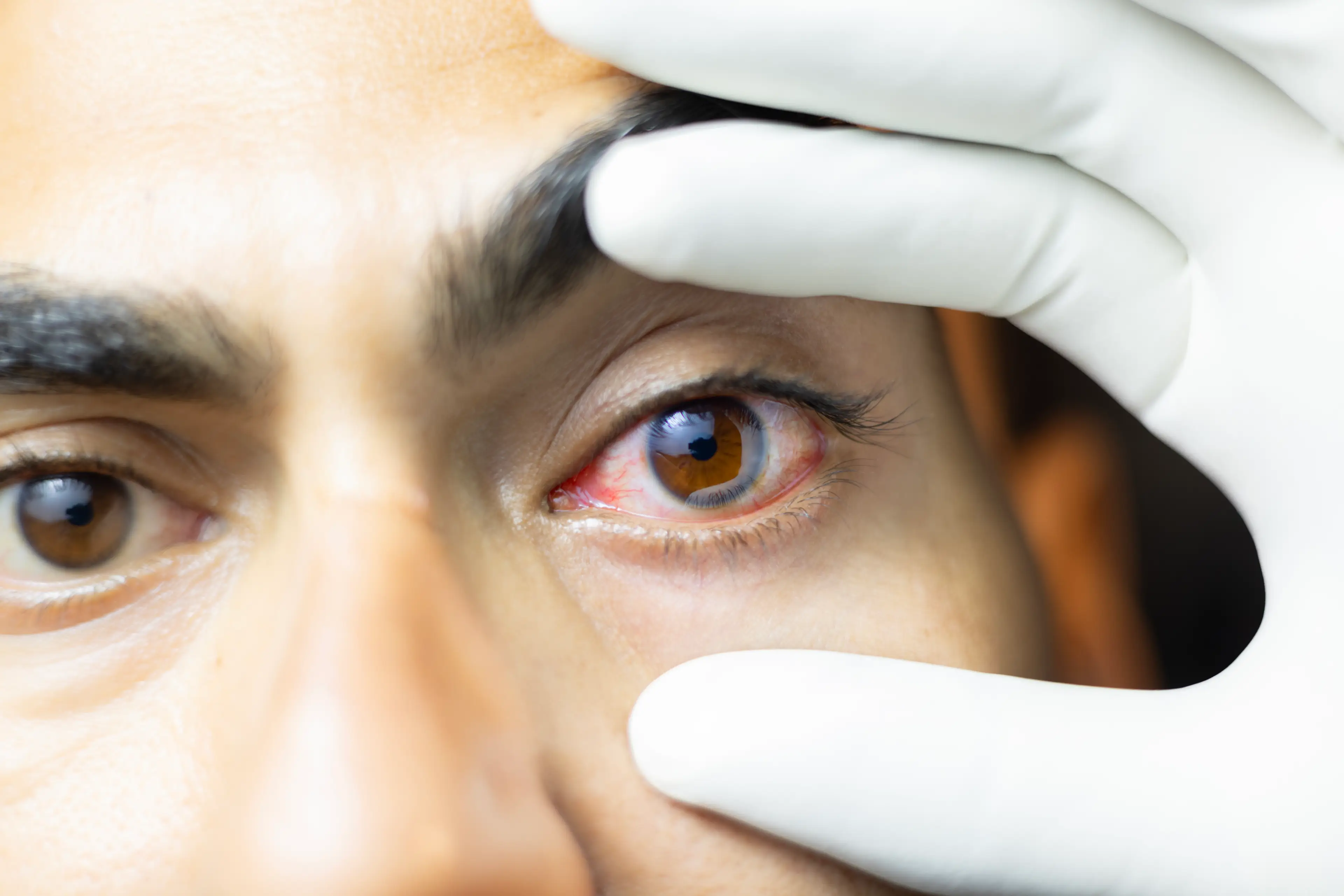
The first are issues surrounding the eye, either presenting as conjunctivitis or pink eye.
According to Healthline, both of these painful side effects can be characterised by grittiness, itching and watering, as well as possible blurry vision and watery discharge from the area.
Whilst artificial tears, cold compresses and steroid eyedrops may be prescribed to ease discomfort and inflammation, these problems can't be treated with antibiotics, given that adenovirus is not a bacterial infection.
In more serious cases of adenovirus, patients can suffer gastrointestinal issues - which aren't usually too common in flu cases - like diarrhoea, vomiting, constipation, or general tummy pain, whilst others may endure a painful urinary tract infection.
Reflecting on these symptoms, Dr Deborah Lee at Dr Fox Online Pharmacy issued a further warning, telling Cosmopolitan: "Those most at risk are babies and children under five, the elderly, pregnant women, and anyone who is immunocompromised."
How does adenovirus spread?
According to Dr Lee, adenovirus is predominantly spread from either breathing in infected aerosol droplets, by inadvertently rubbing the virus directly into the eye, or via the faecal-oral route.
As to why it's doing the rounds at unprecedented speeds this year, however, some experts have put it down to people having been piled into tight indoor spaces earlier than usual, with the harsh winter weather having arrived some months earlier than expected.
"It spreads rapidly in places where people are in close proximity," Lee continued. "The virus is resistant to soap and many other commonly used cleaning products."

Ian Budd, the lead prescribing pharmacist at the Chemist4U online pharmacy, also believes another contributing factor to this year's colossal spike in cases, could be the decreased immunity we had as a result of COVID lockdowns.
"With COVID-19 restrictions lifted, and fewer people catching other viruses over the past few years, immunity in the community may be lower, leading to people becoming more susceptible," he explained.
"Adenovirus isn’t a new virus, it’s just showing up more often alongside other winter bugs."
How can you treat adenovirus?
Unfortunately, according to the Centre for Disease Control and Prevention, medics haven't yet developed 'approved antiviral medicines or specific treatments' aimed at treating adenovirus.
As such, the condition is currently deemed 'untreatable'.

"We don’t have a readily available vaccine for it," Budd explained this, adding: "Most people will get better with simple at-home care, but good hygiene and staying home when unwell will help protect everyone around you."
Despite this, medics have issued some advice when it comes to relieving symptoms, the first being to keep hydrated with lots of water.
Warm drinks with honey and lemon can also help to ease sore throats and speed up healing.
Over-the-counter medications for cold and flu should be enough to ease symptoms in this arena, like a cough, runny nose and headaches.
Is there a way to prevent adenoviruses?
Given that there's no clear way to treat adenovirus directly, when cases rise again each winter, experts warn especially vulnerable individuals to take extra precautions when it comes to their health.
Due to its high contagion rate, it's advised that if you suspect you do have it - or are worried about catching it - it's probably a good idea to stay at home to prevent it from potentially spreading.

If you do notice potential symptoms worsening, it's advised to contact either a local GP surgery, representatives who will advise whether they need to see a doctor, or simply stay home and rest.
What Budd claims is happening more often is that unconvinced patients with adenovirus aren't calling ahead, attending their appointments without revealing their symptoms to a GP receptionist, and causing the infection to further spread.
"These viruses aren’t new, but with multiple viruses circling right now, more people are noticing symptoms and heading to their GP," he emphasised.
Dr Lee added that the best means of preventing infection is to avoid touching your face and nose, blowing your nose regularly into a clean paper handkerchief before throwing it into the bin, and regularly washing your hands with soap and warm water before drying them thoroughly.
Children's toys should also be carefully washed regularly by those hoping to avoid catching the virus, along with worktops being cleaned and disinfected and changing areas, toilets, and bathrooms being seen to more often than usual.
Potential patients should also resist sharing the likes of cups, plates, food, and towels with others, and wear a mask if they need to venture out to busy areas.
 Rhianna Benson