WHO issues warning as UK loses elimination status of highly contagious disease

Since 2023, the UK has remained one of the few countries to be totally rid of a deadly disease that at one point wiped out millions of people.
The two years prior saw British health leaders work tirelessly to eradicate the airborne infection, which famously spread very easily from one person to the next via coughing and sneezing.
Following a number of fatal outbreaks, however, not only has the World Health Organisation (WHO) been forced to issue an eerie warning, but England, Scotland, Wales and Northern Ireland have been stripped of their elimination status' in relation to this particular condition.
We are, of course, talking about measles.
Advert
This illness usually starts with flu-like symptoms like a high temperature, a runny nose, sneezing, coughing and watery eyes.
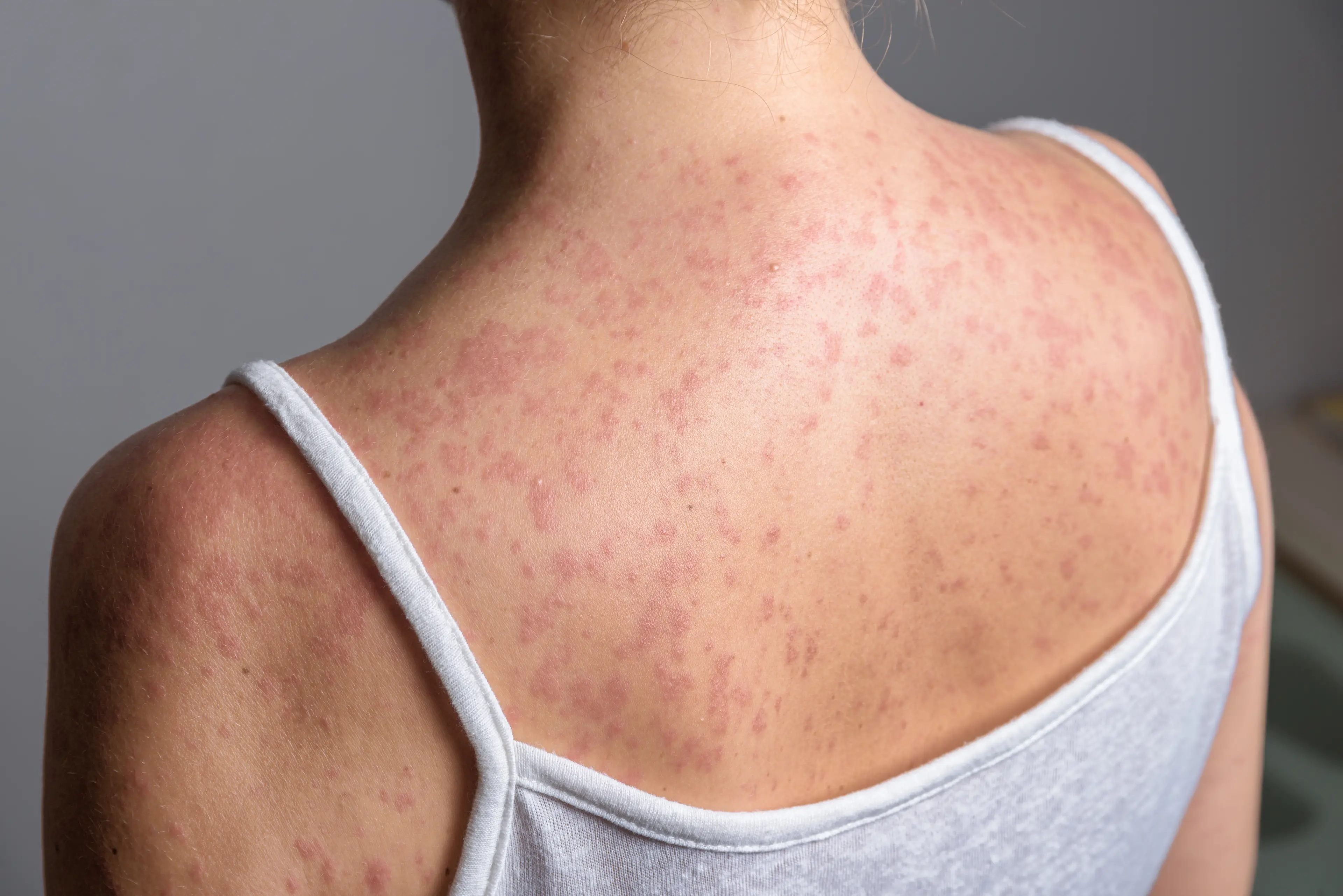
Over time, however, and especially in cases involving children, the infection can cause small white spots to appear inside cheeks and on lips, as well as a severe rash that starts on the face and behind the ears before spreading to the rest of the body.
Whilst not itchy, this alarming-looking rash can appear raised and joined together.
Despite measles usually seeing patients recover in around a week, it can become serious after spreading to other areas of the body, like the brain or lungs, causing conditions like pneumonia, meningitis, blindness or seizures.
In pregnant women, the disease can also inflict serious harm on an unborn baby, triggering either a miscarriage or stillbirth, a premature birth, or a baby being born with a low birth weight.
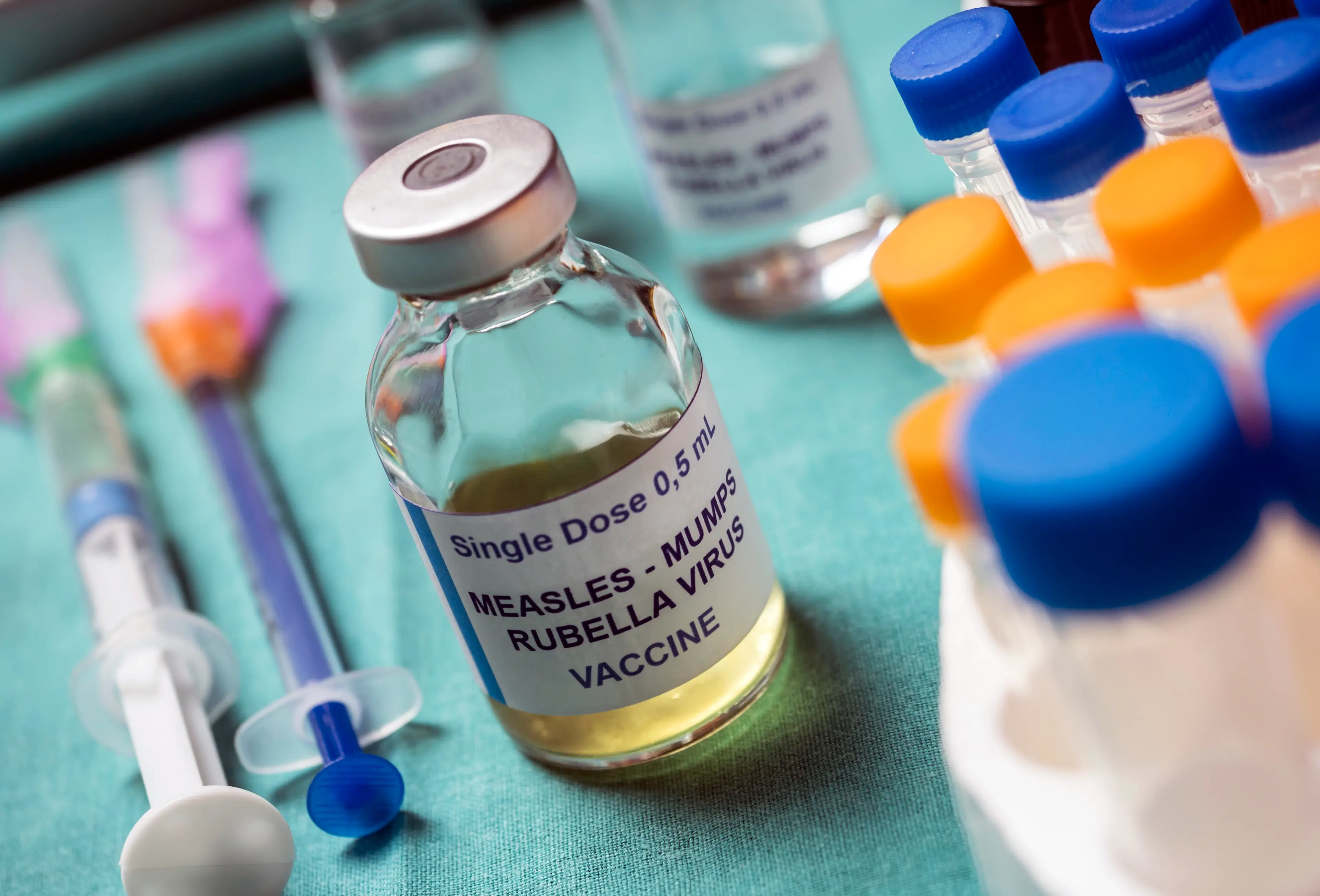
Until recently, the UK boasted an impressive 95% rates for children receiving their MMR vaccines, which are vital when it comes to boosting immunity.
As we say, however, after years of hard-work eradicating the condition, the UK recently had it's measles-free status removed following a huge surge in deaths related to this high-contagious disease.
A record number of cases - 3,681 to be exact - were recorded in 2024, with these figures having slowly soared ever since, many resulting in fatalities.
A total of 19 deaths were recorded in the six years between 2019 and 2025. This may not sound like a lot, but this was the same figure as in the previous 19 years, between 1999 and 2018.
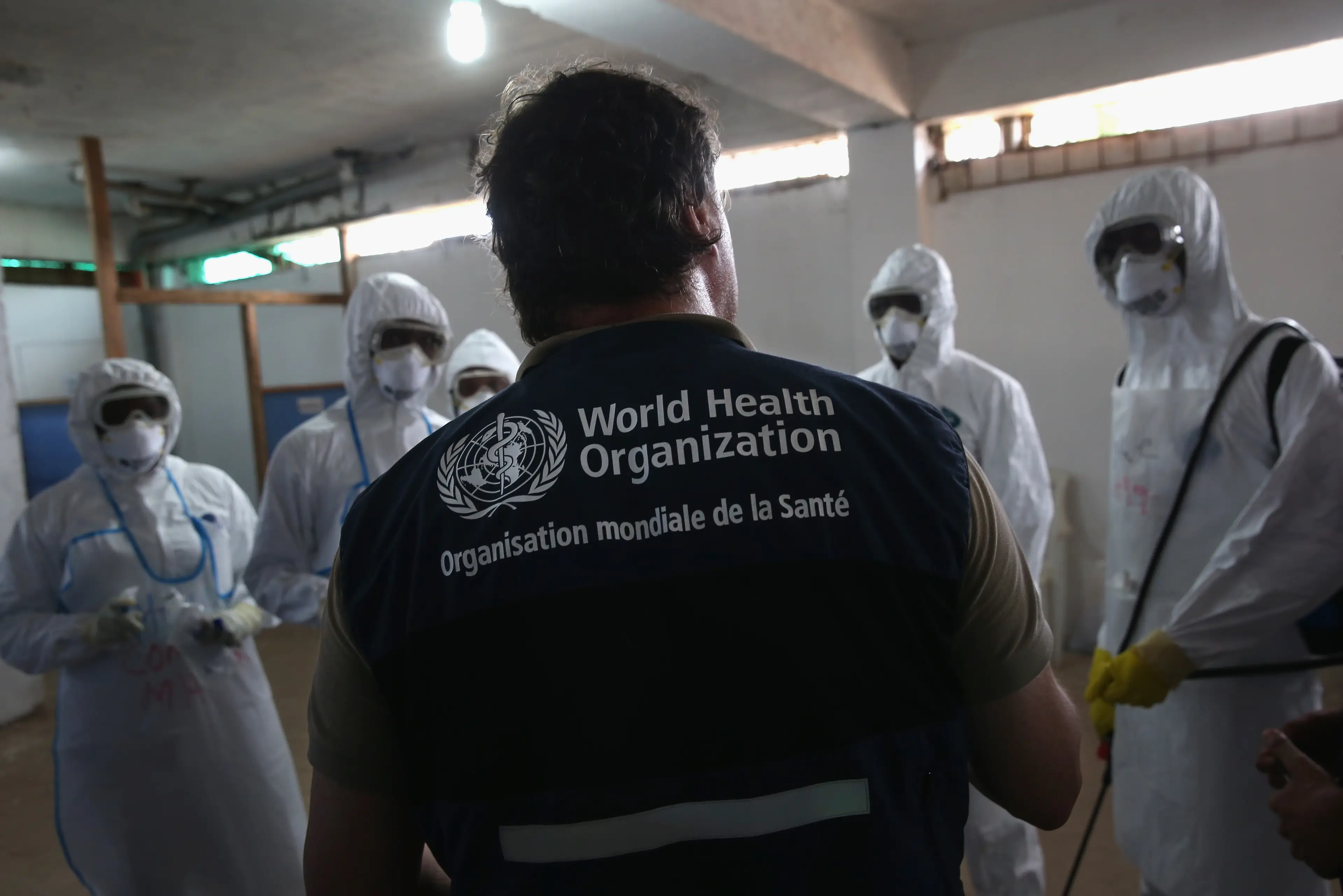
The WHO broke the news, with health officials revealing they no longer view Britain has having eradicated the disease, which has now firmly re-established itself within society.
Such has also been ruled the case with five other countries in Europe and central Asia - Spain, Austria, Armenia, Azerbaijan and Uzbekistan - who previously bore the same esteemed health status.
Health experts have largely put these alarming statistics down to a decrease in the amount of British children receiving their recommended MMR - measles, mumps and rubella - vaccinations.
This reality in itself has been linked to bother vaccine hesitancy, the a difficulty for parents to book their children an appointment.
The WHO claimed this week its scientists 'noted with concern the loss of measles elimination status in some member states, including some with high-performing immunisation programmes'.
Officials also urged government leaders to ramp up their efforts in this area, to 'close all remaining immunity gaps, focusing especially on vulnerable and hard-to-reach populations'.
"It’s sad to see the UK losing its measles elimination status, although it’s not surprising given outbreaks in recent years," Swansea University public health researcher, Dr Simon Williams told The Guardian this week.
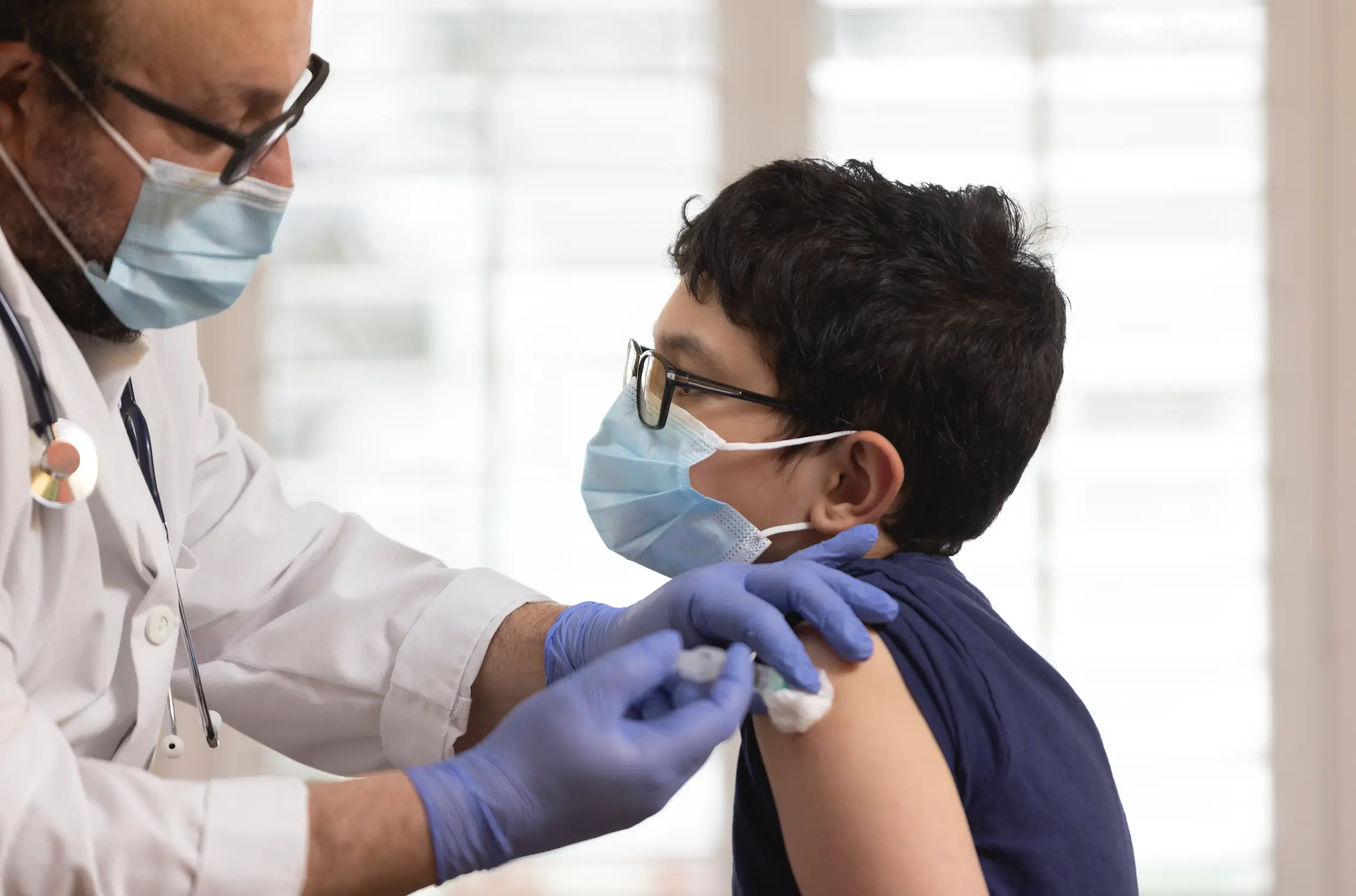
"Measles is an eminently preventable disease but vaccine coverage of MMR has declined. We are seeing vaccine hesitancy growing in the UK, as in many countries, and social media-based conspiracies about MMR are a factor."
The medic added that a warning from the WHO to Brits to stay on top of their children's vaccination records is not something to be underestimated.
In fact, he claimed, it's a 'wake-up call that more needs to be done' to boost the British vaccine rate to the high 90s again.
In agreement with Dr Williams is UK Health Security Agency consultant epidemiologist Dr Vanessa Saliba, who emphasised: "Infections can return quickly when childhood vaccine uptake falls. Measles elimination is only possible if all eligible children receive two MMRV doses before school."
She added: "Older children and adults who missed vaccination must be caught up."
 Rhianna Benson