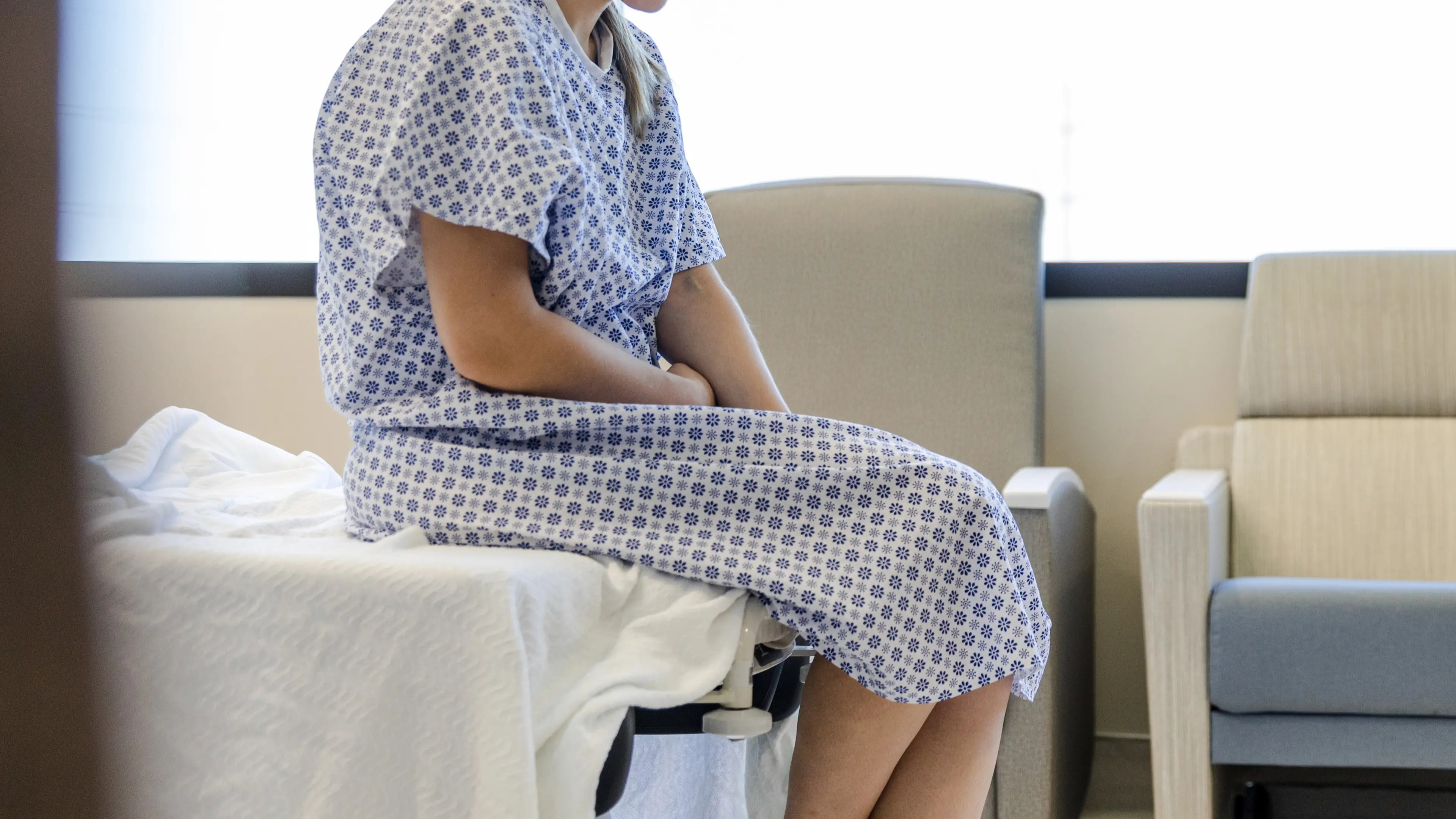
Millennial women issued health warning as cases of painful virus rise

Millennial women are being urged to stay alert for the signs of a painful virus as cases see a sharp rise.
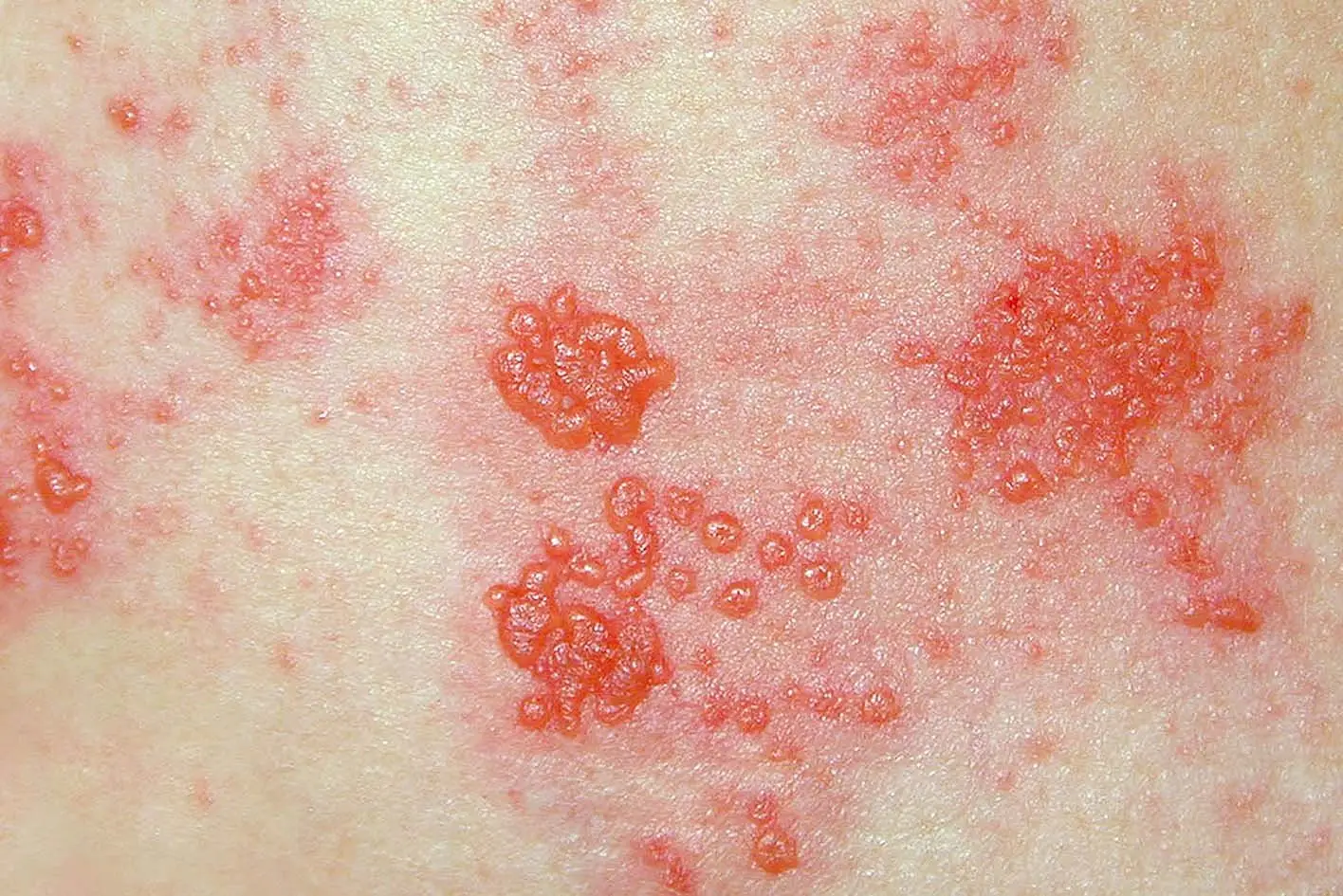
The virus in question is shingles, which the NHS explains is an infection that causes a painful rash, with the early warning signs including a tingling or painful feeling in an area of skin as well as a headache or feeling generally unwell.
A rash will usually appear a few days later and, in rare cases, shingles can cause pain without a rash.
Usually you get the shingles rash on your chest and tummy, but it can appear anywhere on your body, including on your face, eyes and genitals.
Advert
The rash appears as blotches on your skin, on one side of your body only, with the NHS outlining that a rash on both the left and right of your body is unlikely to be shingles.
Women are more likely to get shingles across almost every age group, with the biggest gap seen among millennials, reports The Cut.
Meanwhile, the CDC adds that reports of shingles have increased across all age groups between 1998 and 2019, but especially among those in their 30s and 40s.
Jennifer Moffat, a SUNY professor of microbiology and immunology, told the outlet that this is likely due to a combination of biology and lifestyle.
She said women’s immune systems appear to be more susceptible to the virus, while higher stress levels may also play a role.
"I’m in favour of everyone getting this vaccine who wants it," said Moffat. "Anyone who is under 50 now and is interested in not ever having shingles could talk to their doctor and decide if they were eligible."
The shingles vaccine is routinely recommended for adults aged 50 and over, but Moffat believes the higher impact on women may have contributed to younger adults being overlooked.
"I think it’s that a lot of the decision-makers are not women, so the people sitting in rooms deciding who gets this vaccine are not women."
Speaking exclusively to Tyla, Dr Simon Smail, a GP and Medical Director of Evergreen Medical & Wellness Clinic in Edinburgh, explained: "In terms of millennial women, I would be cautious about saying this is purely a stress epidemic.
"There is evidence that shingles can be more common in women in some adult age groups, and high stress may increase susceptibility, but it is likely to be multifactorial. Immune function, recent illness, sleep deprivation, underlying health conditions, medications and sheer chance can all play a role.
"Many women in their 30s and 40s are in a particularly pressured life stage, often juggling work, young children, caring responsibilities, financial pressures and poor sleep. That may be relevant, but it should not be framed as women somehow causing shingles by being stressed. It is a viral reactivation, not a personal failing, and likely to be multifactorial."
Dr William Schaffner, a professor of infectious diseases at Vanderbilt Health, said the current age guidance is largely based on cost-effectiveness, as the risk of shingles rises sharply after 50.
"Because the occurrence of shingles in that population is so low that in effect the juice ain’t worth the squeeze," he said. "You don’t give the yellow-fever vaccine to people who aren’t travelling internationally."
Schaffner also noted that researchers do not yet know whether people vaccinated in their 30s or 40s would need a booster later in life. Uptake among older adults also remains low, with only one in five eligible 50-year-olds having received both vaccine doses by 2024.
Moffat stressed that anyone who develops the tell-tale rash should begin antiviral treatment within 48 to 72 hours to reduce the severity of the infection, also warning that shingles can return more than once and appears to run in some families.
People under 50 who believe they may be at higher risk should speak to their doctor about whether they qualify for vaccination.
Topics: Health, Women's Health, Life, Advice
 Rhiannon Ingle