
‘Perimenopause ears’ is the side effect that most women don’t even know about but doctor has warning

Whether you're menopausal or nowhere near, it's important to be clued up on the side effects and exactly when you need to be going to the doctor.
Menopause marks the exact point in time 12 months after a woman's final menstrual period while the perimenopause begins years before the final period as the ovaries gradually produce less estrogen.
The NHS assures that menopause and perimenopause are a natural part of life, adding that it usually affects women between 45 and 55, but it can happen earlier.
Many women are well aware of common symptoms of hot flushes, low mood, sleep problems and memory problems but not as many know about how the perimenopause can affect your ears.
Advert
Dr Ravina Bhanot, Founder of The One Labs, exclusively told Tyla all we need to know on the matter.
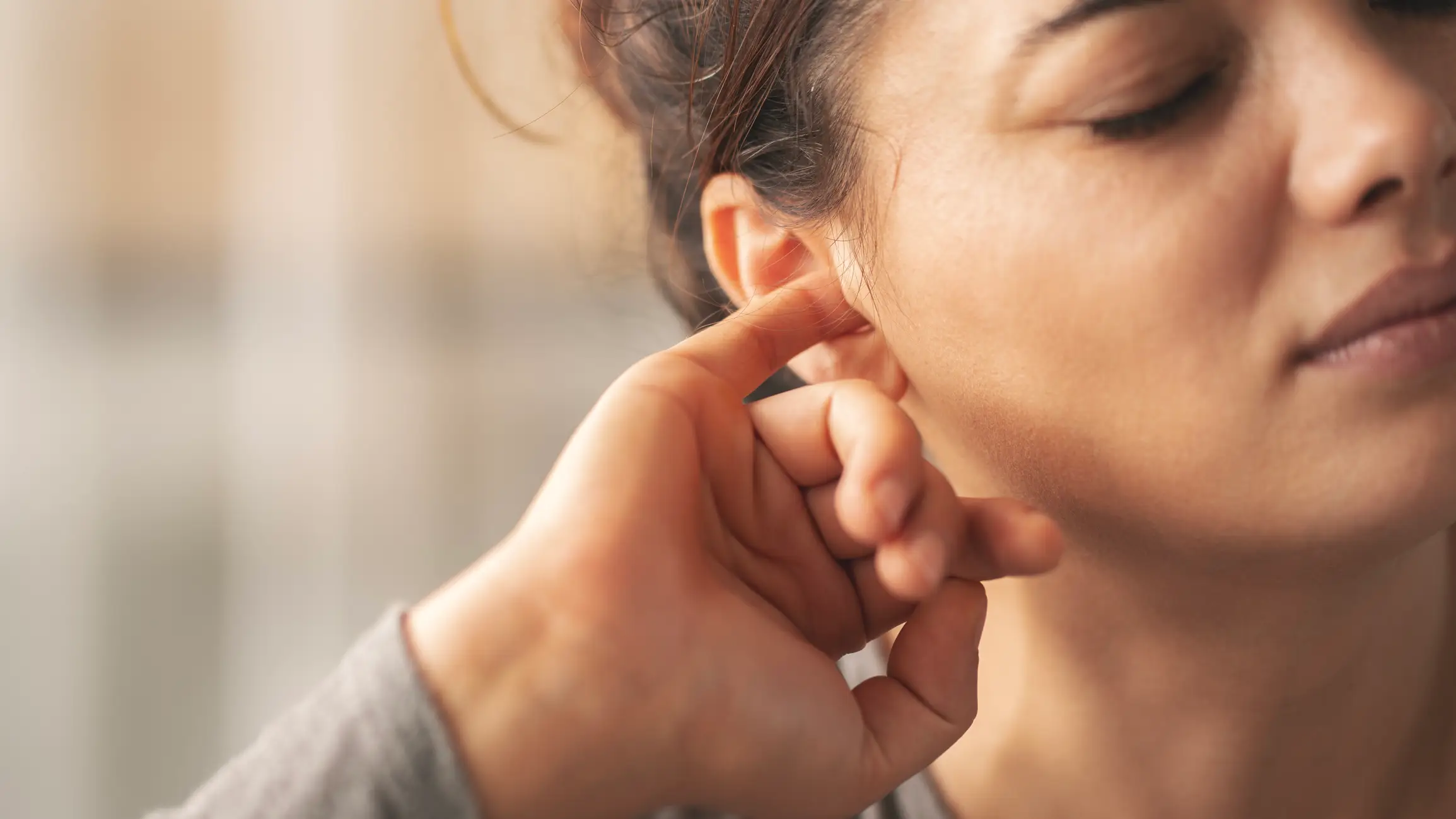
What are 'perimenopause ears'?
Dr Ravina explained that 'perimenopause ears' is an informal term for ear-related symptoms including itching, tinnitus (ringing/buzzing), fullness, occasional dizziness which can be linked to fluctuating oestrogen during perimenopause.
Getting into the science-y bit, the expert continued: "Oestrogen and progesterone receptors sit in the cochlea, vestibular apparatus, and the skin lining the ear canal.
"As hormones fluctuate, inner ear fluid balance can cause symptoms of tinnitus and fullness.
"Reduced hydration in the ear canal can cause itchiness."
Is this a common side effect of 'perimenopause'?
"It's commonly reported by women, but not listed as a common side effect on the UK medical guidelines NICE or British Menopause Society symptom lists," Dr Ravina said.
She outlined that tinnitus and dizziness are recognised as more frequent around the menopause transition, but there is limited information on itchy ears specifically occurring during menopause.
How can you help ease the side effect?
Dr Ravina assures ruling out other causes first, like wax buildup, ear infection, TMJ issues (by going to a dentist), adding: "Then keep ears dry and avoid cotton buds for itching; cut caffeine/alcohol, manage stress and jaw tension for tinnitus."
She urged anyone to see a doctor 'urgently' if they experience sudden hearing loss, one-sided or pulsing tinnitus, or dizziness with other neurological symptoms.
Are there any other lesser-known side effects to perimenopause?
The NHS outlines common symptoms of perimenopause, which include:
- Changes to periods
- Hot flushes and night sweats
- Sleep problems
- Mood swings and low mood
- Depression
- Poor memory and brain fog
- Difficulty concentrating
- Weight gain
- Vaginal dryness, burning, irritation and itching
- Painful sex
- UTIs and urinary symptoms
- Heart palpitations
- Bone-density loss
- Urinary incontinence
- Headaches and migraines
- Muscle aches and joint pain
- Hair thinning or hair loss
- Dry or itchy skin
- Reduced sex drive
- Sensitive teeth and painful gums
However, Dr Ravina adds that there are other lesser-known symptoms which include:
- Burning mouth
- Crawling skin sensations
- Electric-shock sensations
- Frozen shoulder
- Dry eyes
- Bleeding gums
- Altered taste
- Restless legs
- Changes in body odour
- Vulval pain beyond dryness
If you have been affected by the contents of this article, please find more information and support via Menopause Matters on their website, or email [email protected].
Topics: Health, Tyla Exclusive, Menopause, Women's Health, Life
 Rhiannon Ingle