
Gynaecologist breaks C-section taboo after Love Island’s Paige Thorne sparks debate with painful birth story

A gynaecologist says it would be ‘misleading’ to describe a C-section as an ‘easy option’ after reality TV star Paige Thorne shared her painful birth story.
Thorne sparked a conversation about C-sections this week after candidly described giving birth to her son, stating that she would have opted for the surgical procedure.
The former Love Island contestant, 29, announced she welcomed her first child with boyfriend Drew Wedlake. In a TikTok post, she discussed birthing story recalling she spent six hours in a birthing pool in what she described as some kind of 'trance'.
She looked back on her struggle to keep her eyes open, revealing that her 'body seized up' and 'face went numb and tingly'.
Advert
"I really thought I was relaxed," she explained. I'd let my body do what it needed to do, and yeah."
She shared: "I was in a hospital that was midwife-led - obviously there's no C-section stuff there.
"I was like, 'I can't do this anymore'; I was like, honestly, I can't be in this much pain."
Thorne went on to recall midwives recommended she rely on gas and air, followed by pethidine, which she agreed to.
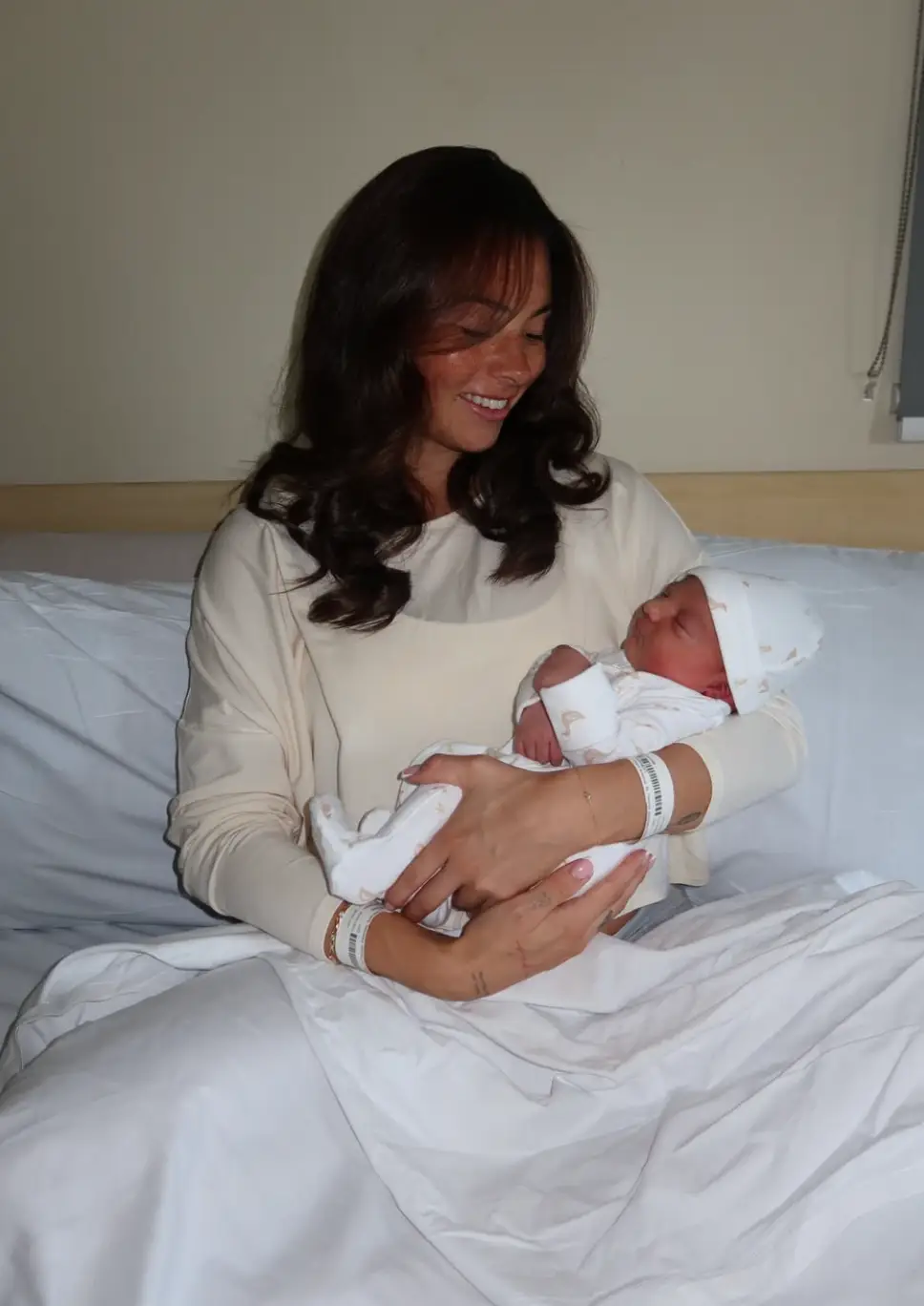
Despite this, after the pain failed to ease up, the star reportedly informed staff to send for an ambulance to transport her to a hospital that would be willing to give her a C-section.
"But there was a point when I thought I could not go on anymore - probably my own fault because I literally did not eat while I was in there," she said.
Mums in the comments also shared their experiences giving birth, recalling asking for a Caesarean.
While some people may assume it’s an ‘easy option’, consultant obstetrician and gynaecologist Kuhan Rajah says C-sections, ‘Carries it’s own risks and involves a period of post-operative recovery. Every woman’s experience of childbirth is different and unique.
Noting that C-sections also carry their own risks and benefits, including that recovery after the surgical procedure typically takes longer, he also explains that vaginal birth can lead to perineal trauma, pelvic floor symptoms or complications. There’s also a difference in risks and circumstances surrounding planned and emergency C-sections.
"Recovery following a Caesarean section generally takes longer because it involves abdominal surgery, with women often requiring several weeks to return to their usual activities," Rajah tells Tyla. "Vaginal birth typically allows for a quicker recovery, although some women may experience perineal trauma, pelvic floor symptoms or complications requiring additional treatment.
"I think, next time, I just wouldn't go in the pool," Thorne said in her video. "I think that just didn't do me any favours.
"I pushed him, no tears, nothing crazy - it was all the pelvic stretching I did. But that was the reality of it. If I could have had a C-section, if I was in a hospital that allowed it, I would have had one. One thousand per cent.
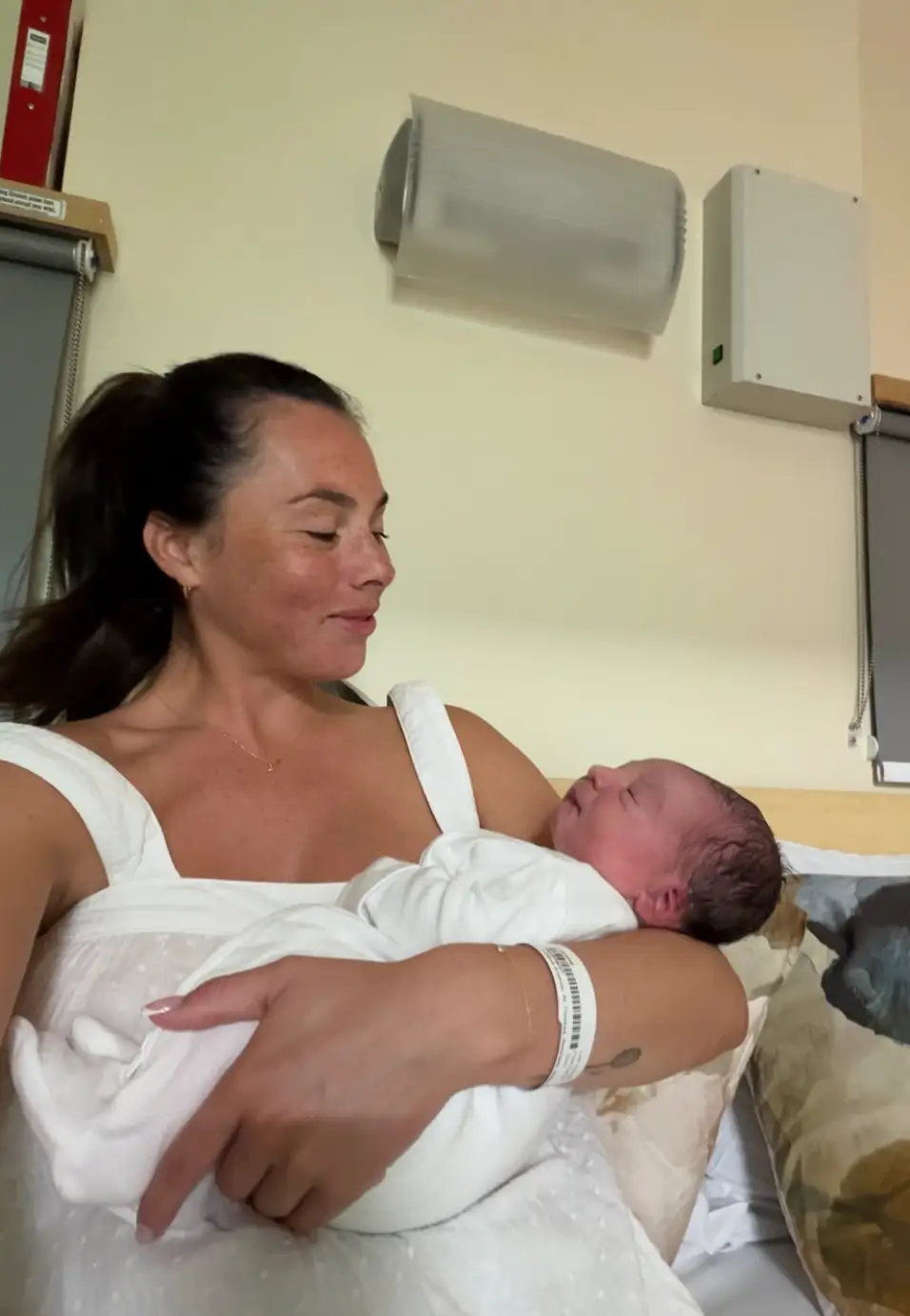
"So, I'm actually really glad that the hospital I was in didn't facilitate that at all."
Thorne’s account also highlights the importance of recognising the diversity of childbirth experiences and the need for more open conversations and less judgement around birth choices. “Personal accounts of childbirth can help highlight the wide range of experiences women may have,” Rajah explains. “They also provide an opportunity to encourage open conversations about birth choices and the importance of individualised maternity care. Women should feel supported and respected regardless of how they give birth, without feeling that one experience is more valid than another.”
For women deciding on birth options, having access to balanced, evidence-based information is essential. “There is no single approach to childbirth that is appropriate for everyone,” Rajah states. “The risks and benefits of vaginal birth and Caesarean section depend on individual medical circumstances, previous obstetric history and personal preferences. Women should be given clear, balanced and evidence-based information about their options, including the potential risks, benefits and implications for recovery and future pregnancies.
“Ultimately, the priority is safe, individualised maternity care that supports women in making informed decisions about birth.”
 Greg Harris