Gynaecologist sets the record straight on 10 women’s health myths, from 'period scooping' to fertility juices

A gynaecologist has debunked 10 of the most popular myths about women’s health, from period scooping to fertility juices, and the idea that your cycle can sync with your besties.
Tyla spoke with Clue’s Chief Medical Officer, Dr. Charis Chambers, an OB-GYN and specialty-certified Pediatric & Adolescent gynecologist, also known online as The Period Doctor, and she broke down exactly what’s true, and more importantly, what isn’t.
It comes as the cycle tracking app Clue has published a major report on the last 10 years of scientific research into women’s health, highlighting how menstruation can impact not only our bodies, but our mood, energy, motivation, focus, social behavior, sexual activity, resting heart rate, body temperature, and weight.
Advert
While traditional research has accelerated to inform our understanding of women’s health, unfortunately, nearly half of women have had persistent symptoms dismissed by healthcare professionals.
However, on the positive side, we are talking more, and two-thirds of UK women feel more comfortable discussing menstrual and hormonal health than a decade ago.
So, in the spirit of the research, read on to find out which popular ideas about periods, sex, fertility and menopause are actually just misconceptions.
1. Taking the morning-after pill too many times can affect your fertility
One huge idea that I’ve heard whispered among friends is that taking the morning-after pill too many times can affect your fertility.
Not only is this misinformation, but it’s actually dangerous, as it could stop someone from getting the help they need, and end up with an unwanted pregnancy out of fear.
Dr Chambers clarified to Tyla: “That is a total myth. Take it as many times as you need. But I would recommend you use reliable contraception more than that.”
2. Cranberry juice helps with UTIs

When you realise you have a pesky UTI, the first thing we often do is rush to the shops to grab some cranberry juice, or I do, anyway, as we’ve always been told that it will help.
However, I was mind-blown to discover that this isn’t entirely true.
Dr Charis explained: “So this is like a pseudo-myth that’s based on fact. There is an actual enzyme that’s related to cranberries that reduces the risk of UTIs by inhibiting the ability of the bacteria to ascend up the urinary tract.
“But cranberry juice that you buy at the market typically isn’t going to be concentrated enough to make a meaningful difference. So, that’s a pseudo one.”
3. You can scoop out your period in one go

‘Period scooping’ is a trend that picked up traction on social media, particularly TikTok, earlier this year, with some women claiming they are able to ‘scoop out’ their period blood in one go, in order to shorten the time they’re menstruating.
Dr Chambers has set the record straight and revealed that this is a complete myth, and something people who menstruate definitely shouldn’t be doing.
She urged: “No, you can’t scoop out your period to make it go away faster, just because you can’t scoop all the way into the uterine cavity.
“You can remove blood from the vaginal vault, which doesn’t expedite the completion of your period. Myth.”
4. Your period can sync with those closest to you
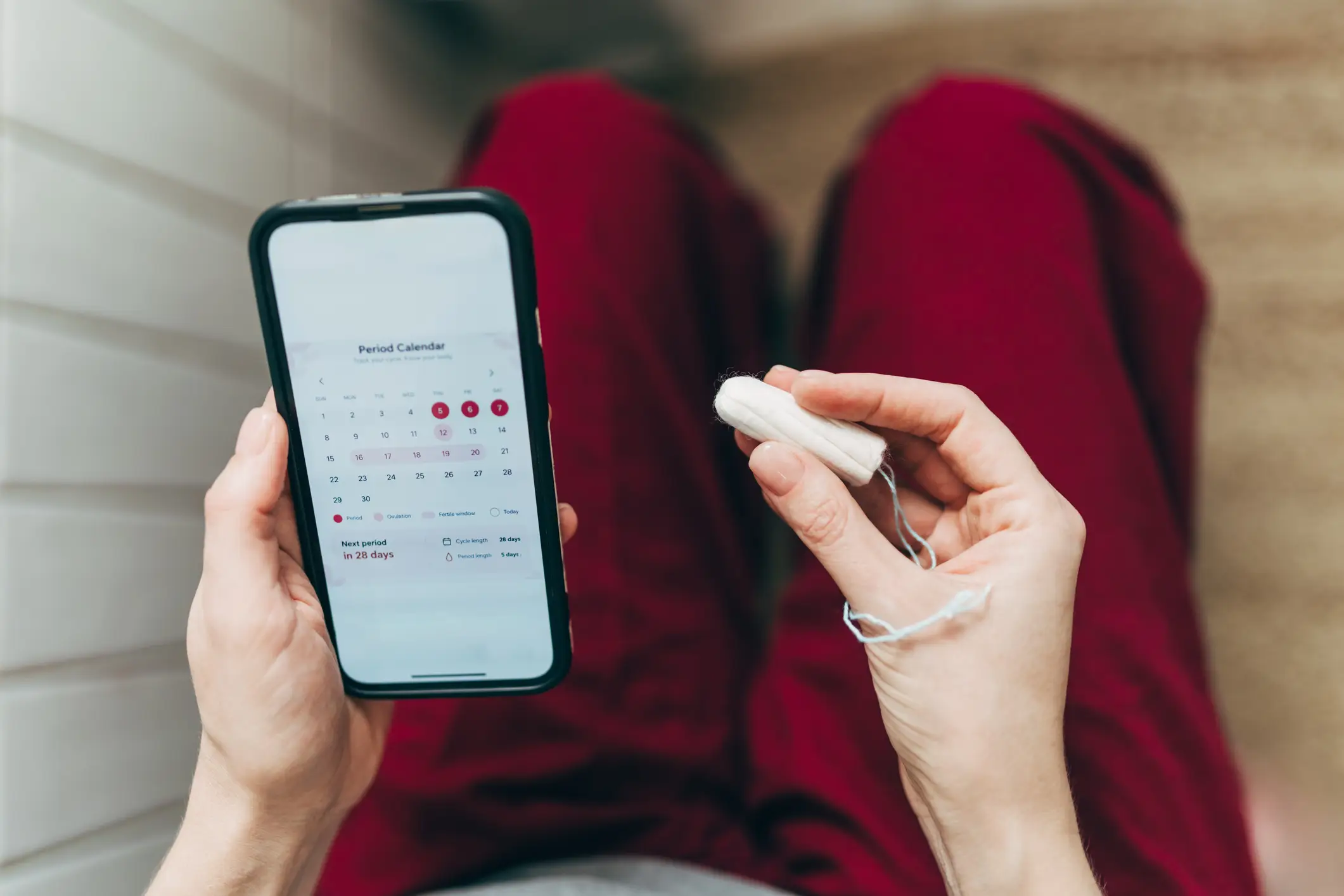
Is there anything that sums up girlhood more than ‘syncing’ periods with your besties?
The excitement of finding out you’re ‘on’ at the same time is something that most of us have experienced, and for a long time, believed it happened due to the amount of time we spend together.
But, sadly, no matter how close you are, your periods don’t really sync, and it’s actually more of a psychological phenomenon.
Dr Chambers told Tyla: “Periods do not sync with those closest to you; you can’t Bluetooth it or any of those things.
“That’s not how it works. It’s really more a recall bias thing, where you remember when someone’s period correlated to yours or synced up to yours, more than you remember those that don’t.”
5. Fertility juices can help you get pregnant
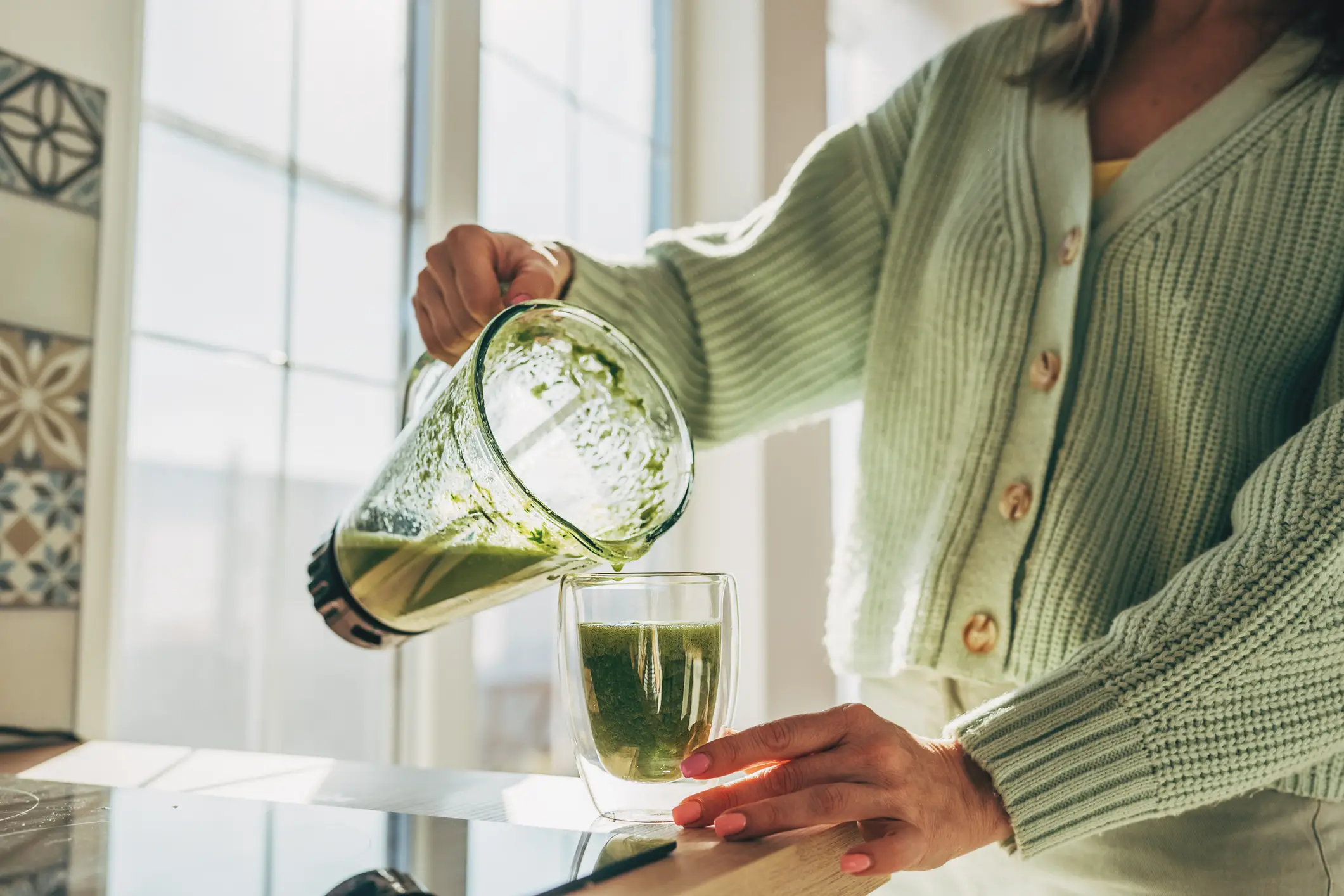
Another huge trend that’s been popping up more and more this year is the promotion of fertility juices.
If you have no idea what we’re talking about, it’s essentially the idea that consuming smoothies made up of certain fruits and veggies, particularly those rich in antioxidants, vitamins, and folate, can help boost reproductive health.
Unfortunately, though, research doesn’t back this up and it’s definitely more of a myth than a proven fact.
Dr Chambers advised: “So there is no research that fertility juices help you get pregnant.
“If you’re worrying about not getting pregnant or having difficulty conceiving, I would recommend you speak with a qualified healthcare provider.”
6. You should eat different foods during each phase of your cycle

Social media has also brought popularity to the idea of cycle syncing, which is the practice of adjusting habits such as workouts, nutrition, sleep, and daily tasks to match the hormonal shifts across the four phases of a menstrual cycle.
One of those is choosing to eat certain foods depending on which phase you’re in, such as eating steak during your period.
But, sadly, while it might work for some people, this idea is currently lacking much clinical proof.
Dr Chambers told Tyla: “So it’s not necessarily that you should eat different foods during each phase of your cycle, but the foods that you eat impact your cycle, so being thoughtful about different foods - spicy foods, foods that would upset your stomach - that’s really important if you do want to improve things like period pain.”
7. Your contraception can change who you’re attracted to

Another huge hormonal rumour that’s done the rounds a few times in the past few years is that taking hormonal contraception, such as the pill, can change who you’re attracted to.
But fear not, if you decide to go on the pill, you most likely won’t wake up the next morning and suddenly hate your partner.
Dr Chambers revealed: “So, that study was kind of debunked. It doesn’t necessarily change who you’re attracted to, but it does impact relationships and impacts a lot about you, but I wouldn’t blame your contraception if you picked a partner who isn’t the best partner. I think we’d wanna look elsewhere.”
8. You can influence your baby’s gender through diet or timing

If you were planning to tactically eat certain foods or time your, ahem, bedroom time, in order to conceive a baby girl or boy, I’m sorry to break the news that it’s unfortunately not that easy.
“No, you cannot influence your baby’s gender through diet or timing. That is not something that’s substantiated; there’s about a fifty per cent chance for either,” Dr Chambers clarified.
9. Your libido will disappear after menopause

One huge myth that women who’ve gone through the menopause are faced with is that their libido will disappear overnight.
While it’s true that your body does go through some significant changes and you can experience symptoms like dryness, it doesn’t mean your sex life has come to an end.
Dr Chambers explained: “The libido doesn’t necessarily disappear after menopause. You may need something like hormone replacement therapy to feel like yourself or to improve some of those menopausal symptoms, but the libido doesn’t go away with menopause, and life doesn’t end when you enter menopause either.”
10. Having more sex makes your vagina looser or change

Finally, for as long as I can remember, I’ve heard men joking about how having more sex can change the appearance of a woman’s vagina, and I think by now, we all know this one is definitely not true, and is actually rooted in misogyny.
Dr Chambers confirmed: “Having more sex does not make your vagina looser, and it doesn’t change your vagina negatively.
“The vagina is meant to be durable and elastic. That’s the whole nature of it; that’s why we’re able to birth babies and have it go back to normal, so having a little bit of sex is not going to meaningfully change your vagina.”
Topics: Women's Health, Tyla Exclusive, Periods, Sex and Relationships, Menopause, Health
 Madison Burgess