
'Distressing' women’s health condition that is often mistaken for miscarriage

A number of women have come forward on social media sharing their experiences with decidual casts, which they wrongly mistook for a miscarriage.
Now, if you're not in the know, a decidual cast is a rare, painful condition categorised by a seriously 'distressing' sight to see in your underwear.
Taking to TikTok to open up about the ordeal, one woman wrote: "That time my uterus decided to shed its entire lining at one time, and I thought it was a miscarriage so I put it in a plastic bag and brought it to the ER with me."
"Me realising that the miscarriage I had was a decidual cast..." shared a second while another chimed in: "I got that when I was 12 and thought I miscarried baby Jesus."
Advert
And a final woman confessed: "I’ve had this happen and it’s terrifying looking."
But what actually is a decidual cast, and what are you supposed to do if you have one?
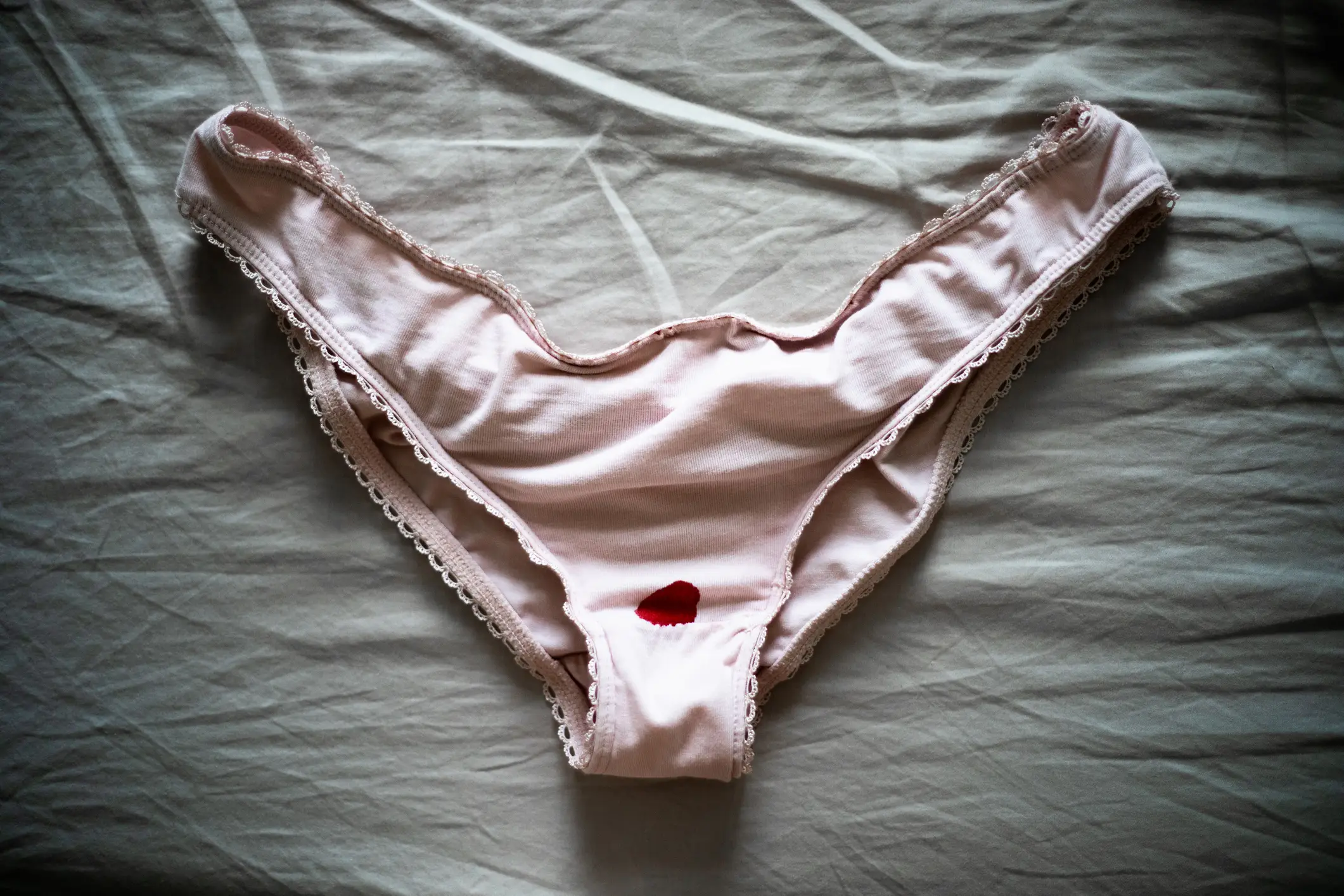
What is a decidual cast?
Dr Sima Al Asad, intimate wellness expert, exclusively explained to Tyla that a decidual cast is when the lining of the womb sheds in one piece rather than breaking down and coming away gradually as it would during a normal period.
"It can be quite a shock if you’ve never experienced it before, as it often looks like a solid piece of tissue," she outlined.
According to the doctor, women tend to describe it as red or pink, sometimes quite fleshy in appearance, and it can even take on the shape of the uterus.
It’s also usually passed alongside quite intense cramping, which can make the whole experience feel 'quite alarming'.
Why do some women experience decidual casts?
Dr Sima tells us that, while medical experts 'don’t always know exactly why it happens', decidual casts are often linked to hormonal shifts, particularly involving progesterone.
"That might be things like starting or stopping hormonal contraception, or changes linked to early pregnancy," she continued, adding that some women may be more likely to experience it if their hormones fluctuate more significantly, but for many, it can happen without a clear reason.
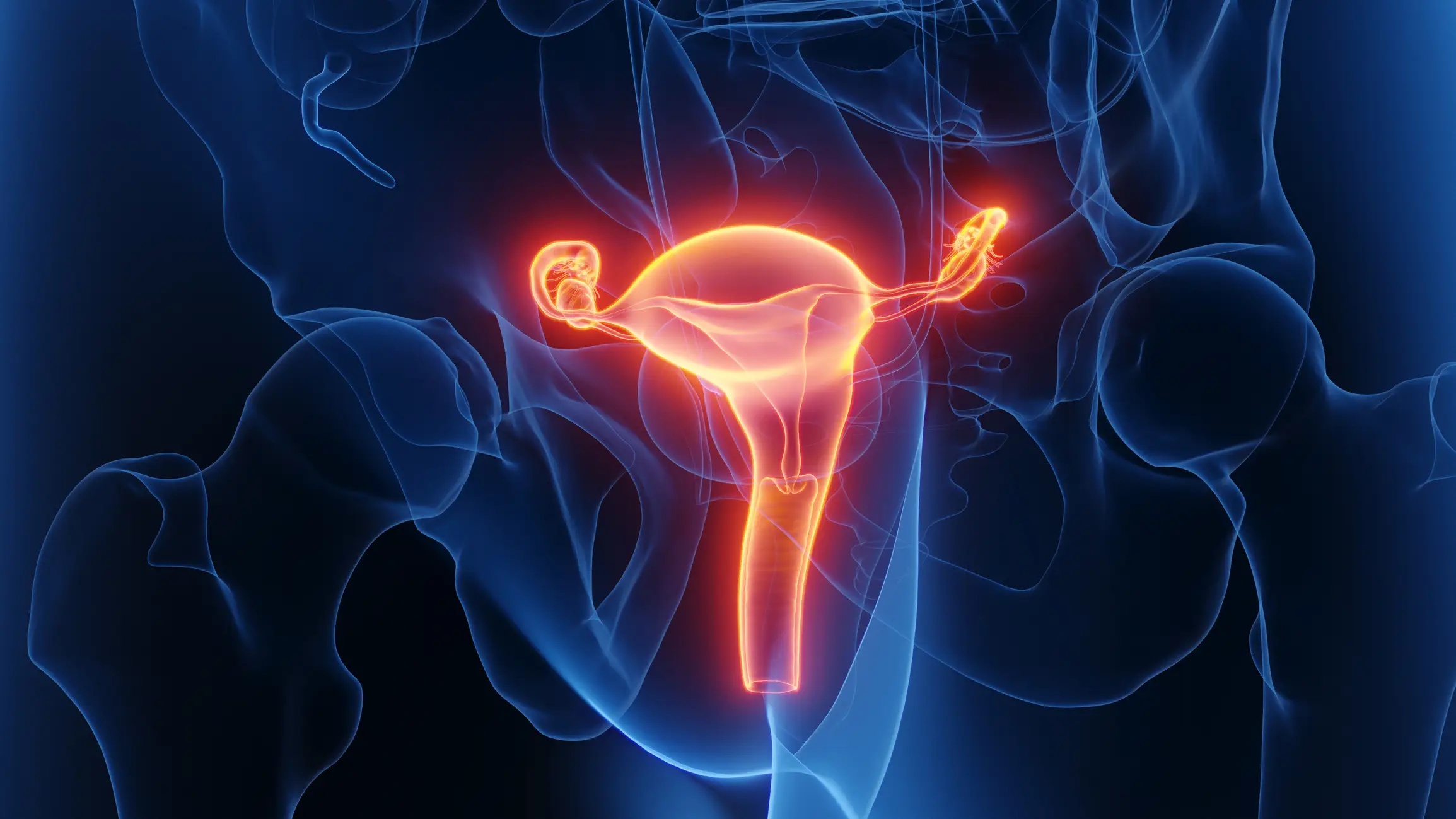
Why do some women confuse decidual casts for a 'miscarriage'?
The expert assured that it’s 'very understandable' that people confuse decidual casts with a miscarriage, because the symptoms can feel 'very similar'.
"There can be strong cramps, bleeding, and the passing of tissue, which is exactly what we tell people to look out for in early pregnancy loss," she noted.
However, the 'key difference' is that a decidual cast is just the womb lining, not pregnancy tissue, but without medical confirmation, it can be very difficult to tell the difference at home.
Before you scroll on, just a heads up that there is an extremely graphic photo of what a decidual cast looks like below so you may want to stop scrolling if you're not good with that kind of content!
 Women sometimes confuse decidual casts with a miscarriage (Getty Stock Images)
What should you do if you have a decidual cast?
Dr Sima states that the 'most important thing' is to get checked right away, particularly if there’s any chance you could be pregnant.
"A simple pregnancy test and, if needed, a scan can help rule out anything more serious like an ectopic pregnancy," she explained.
Warning: graphic images below
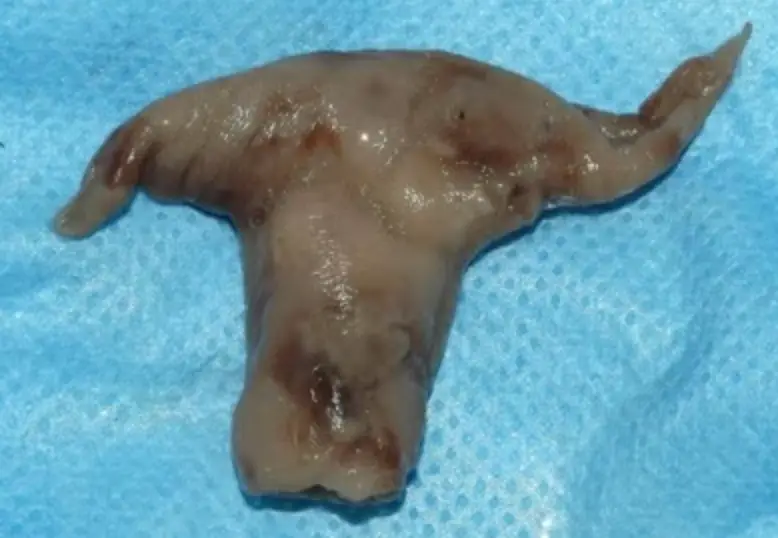
She also noted that, while decidual casts are rare and usually not harmful, anything that involves severe pain or passing larger tissue is 'always worth getting looked at'.
"It can be quite a distressing experience, especially if you’re not expecting it, but in most cases it’s a one-off and doesn’t have any impact on future fertility or overall health," she assured.
If you need support and advice following a pregnancy loss, you can contact the Tommy’s team at [email protected]. You can also call them for free on 0800 014 7800, Monday to Friday, 9am to 5pm.
Topics: Advice, Explained, Health, Life, NHS, Periods, Tyla Exclusive, Women's Health, Pregnancy
 Rhiannon Ingle