Younger women are the most likely to identify as doomsday preppers, new study finds

Instead of grizzled older men sitting alone in darkened bunkers - it turns out younger women are more likely to identify as preppers.
While we may think of a typical prepper as male, single and a member of the boomer generation, a new study has revealed younger women are more likely feel confident about their levels of preparedness for Armageddon.
And with the British government issuing emergency preparedness advice called Be Ready just last month, news of a potential 'black sky event', and power cut fears there could not be a better time for this group to step up to the challenge of building resilience for a future when the chips could be down.
According to the Daily Mail, the study found this group was more likely than others to consider itself in a good position to manage potential catastrophes, including pandemics, natural disasters and war.
Advert
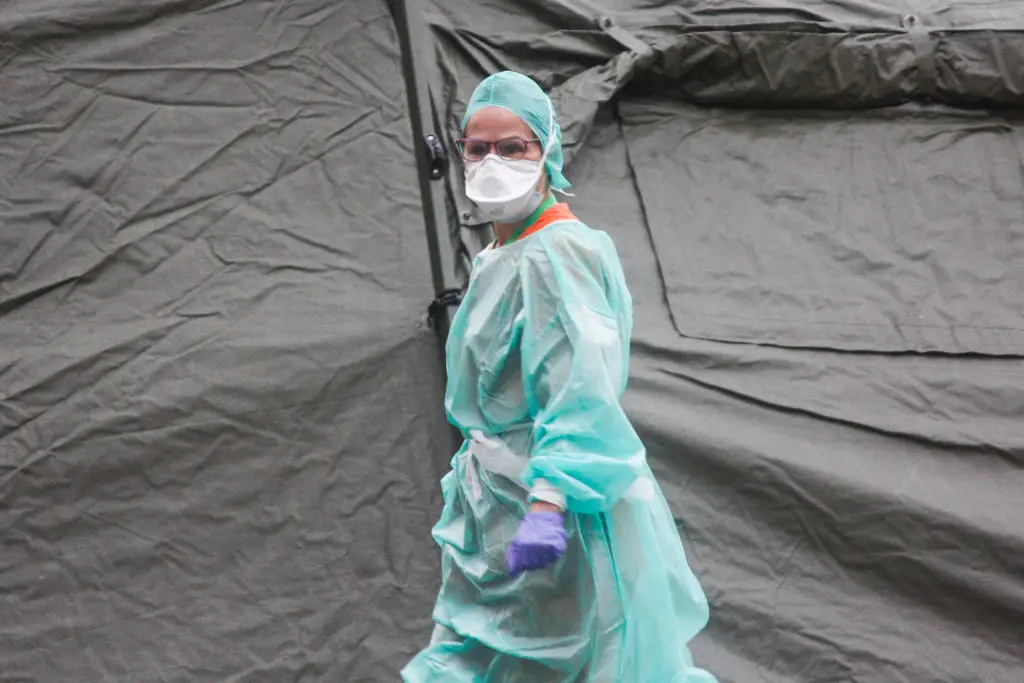
The report states researchers concluded women are often looked to in households when it comes to accepting responsibility for preparing the home’s food stores, emergency plans and medical supplies.
It was also suggested that because the younger generation had already lived through Covid, climate change, extreme weather events and global conflicts, it was more responsive to calls to prepare.
The study by Professor Casey Klofstad of the University of Miami surveyed 1,300 Americans, asking if they believed they were a prepper with over 25 percent agreeing, 40 percent disagreeing and 34 percent saying they didn’t know.
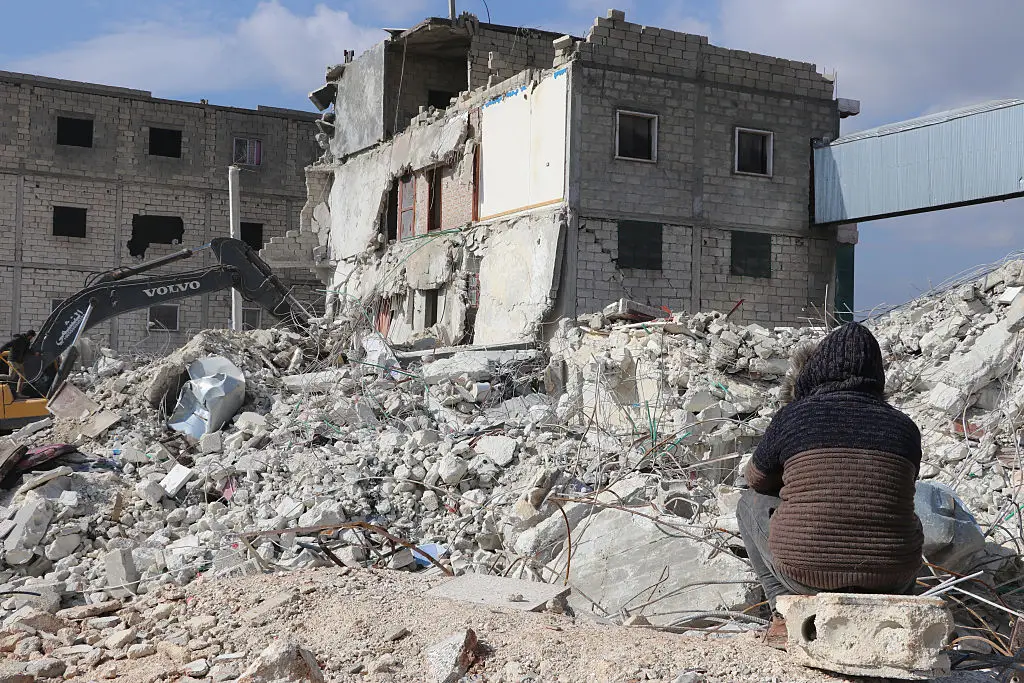
The study examined prepping as a social identity rather than focussing on the disasters themselves, with the identity being linked to the belief in the ability of governments to control natural disasters and concern for the environment.
Professor Klofstad explained: “Preppers are often portrayed as people living in rural compounds preparing for societal collapse.
“Our findings suggest the reality is much more diverse. People who identify as preppers come from a wide range of backgrounds.
“Prepper identity is stronger among women and younger respondents,” the researchers added.
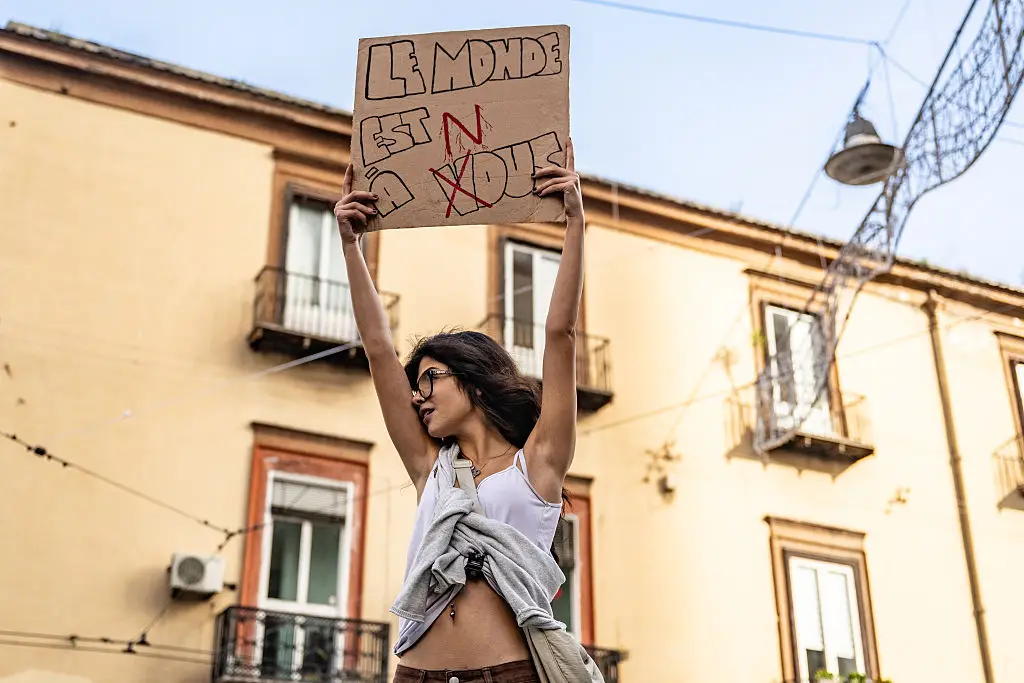
There may in fact be two ‘prepper types’ according to the study, which was published in Social Science Quarterly.
“There may be multiple pathways into prepper identity,” Professor Klofstad said.
“Some people may be motivated by concerns about environmental and climate-related threats, while others may be motivated by distrust of institutions and a more conspiratorial worldview.”
The prepper movement of today includes several high-profile women who have embraced the lifestyle.
These include survival author Tess Pennington, who wrote The Prepper’s Cookbook and Daisy Luther who penned Prepper’s Pantry, Organic Canner, The Wuhan Coronavirus Survival Manual and more.
Together they wrote a guide on how to survive disaster called The Prepper’s Blueprint.
Topics: Gen Z, Climate Change, Science
 Michael D. Carroll