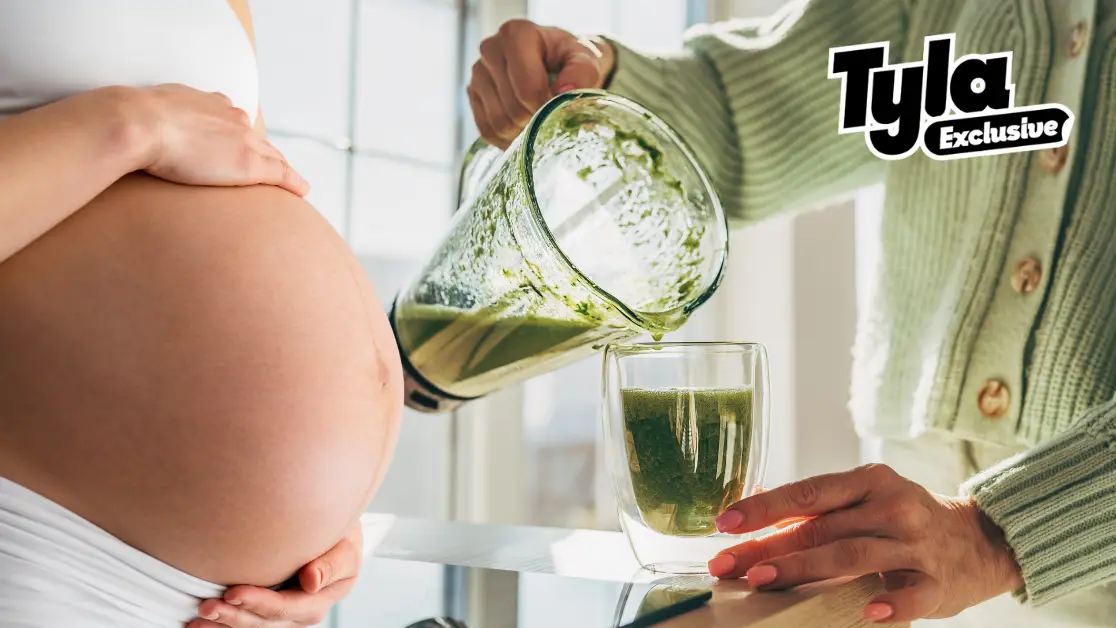
Debunking 'fertility juice' myth and what latest wellness trend actually does for women

When it comes to fertility, it can feel almost impossible to wade through the thousands of theories, tips and tricks to distinguish fact from fiction.
From supplements and cycle syncing to acupuncture and seed cycling, there is certainly no shortage of advice for women hoping to conceive.
And now, another wellness trend is having its moment - 'fertility juicing'.
The idea behind the theory is actually fairly simple, professing that certain fruits and veggies – particularly those rich in antioxidants, vitamins and folate - should be blended, blitzed or pulverised by anyone struggling with fertility, or hoping to boost their reproductive health.
Advert
It's a trend that has been bubbling away across social media for some time, with some influencers swearing that their juice routines aided their family plans, while others are 'juicing up' ahead of their parenting years.
And perhaps it's not all that surprising that the idea has suddenly skyrocketed in popularity.
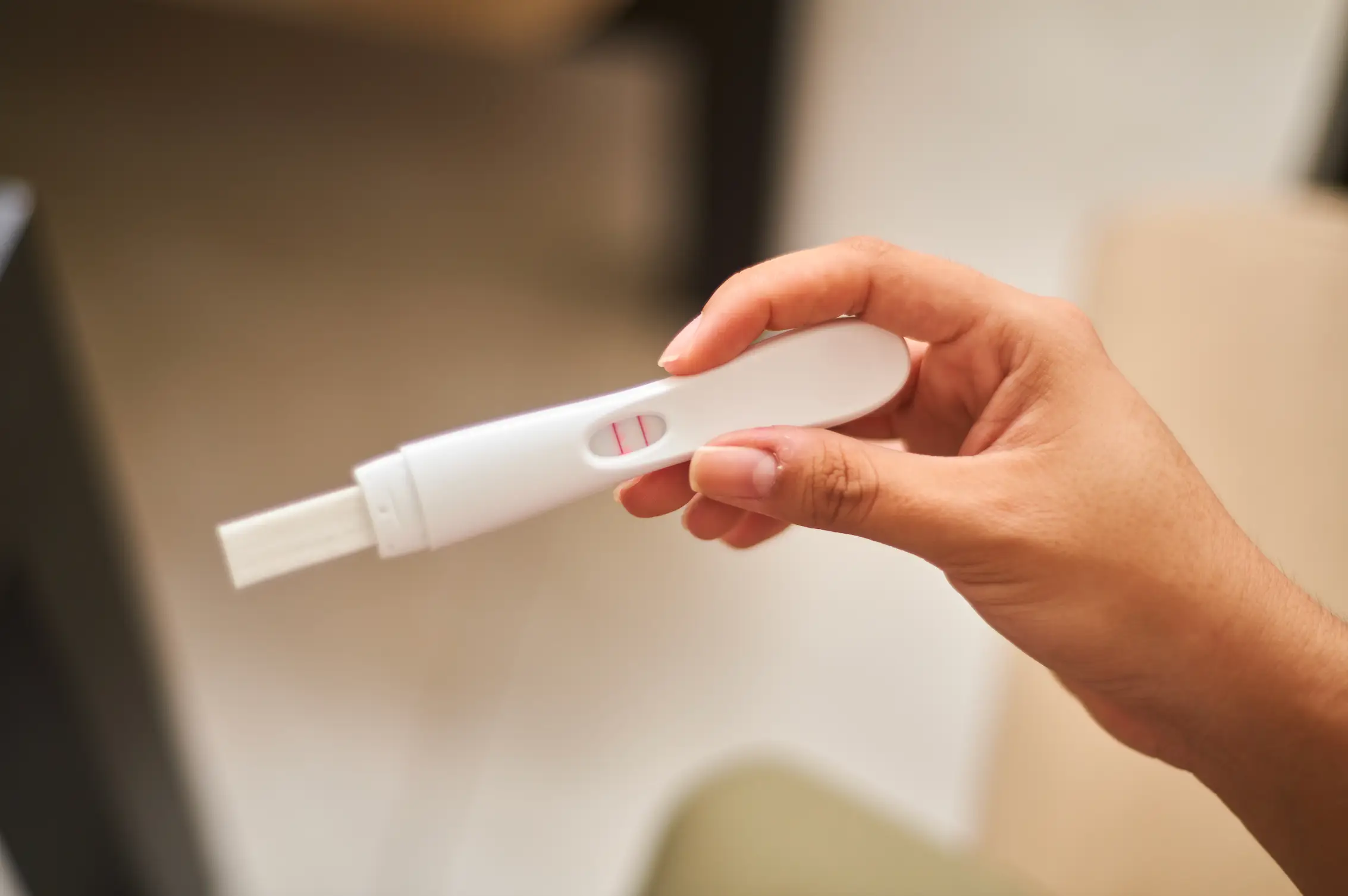
The social media stars claiming it works
After all, we're living in an era more obsessed with wellness than many generations before us, where a morning juice can quickly become less about getting your five-a-day and more about optimising your body.
Love Island alum Luke Trotman and his girlfriend, for example, have shared content around their family plans and lifestyle.
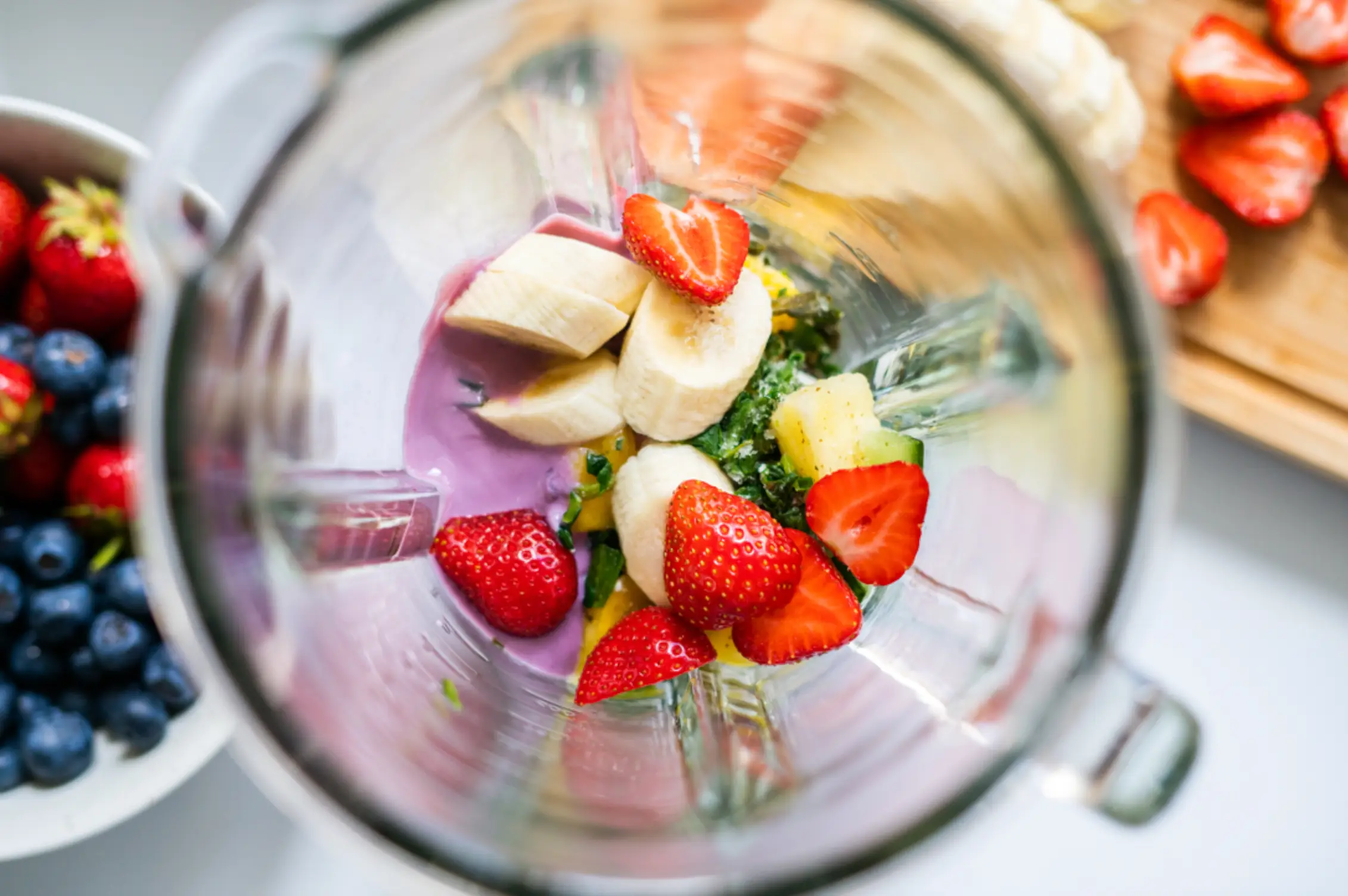
The couple went viral for a recent video captioned, 'Prepping our bodies before we try and build a family', in which they're seen whipping together a mix of pumpkin seeds, dragon fruit, pineapple, strawberries, honey, yoghurt and almond milk.
Meanwhile, fertility, IVF and pregnancy nutritionist Monique Cormack also supported the thinking behind fertility-focused juices in a recent explainer shared with her social media followers.

"One small randomised study in women undergoing IVF found those who drank a juice made from fresh beetroot, watermelon and ginger once a day from embryo transfer until their pregnancy test had higher implantation and clinical pregnancy rates than those who didn't," she alleged.
The food guru pointed out, however: "There are important caveats - it’s one study from one clinic that hasn’t been independently replicated yet, and it can’t guarantee implantation or 'fix' underlying infertility causes."
Medically speaking, does the theory have legs?
The question is, however, does 'fertility juicing' have proven results, or is it simply another wellness claim that sounds a lot more scientific than it really is?
Hoping for some clarification, we spoke to Dr Yusuf Beebeejaun, Medical Director at CREATE Fertility St Paul's and a Consultant in Reproductive Medicine, to get to the bottom of the matter.
And surprisingly, he was quick to pour cold water on the hot trend.
"'Fertility juices' are one of those wellness trends that sound convincing because they contain ingredients we already know are good for our general health," the expert, who specialises in specialises in fertility treatment, reproductive endocrinology and IVF, told Tyla.
"However, there is currently no good scientific evidence that any particular juice can improve fertility or increase the chances of becoming pregnant.”
While health doesn't automatically mean 'fertility boosting', Dr Beebeejaun went on to clarify that this doesn't mean the specific ingredients themselves are without benefit.
Fruits and vegetables such as berries, citrus fruits, leafy greens, beetroot and pomegranate are rich in vitamins, folate and antioxidants, all of which support overall health and normal reproductive function.
He emphasised, though, that supporting general health is not the same thing as treating infertility.

"A healthy dietary pattern is far more important than any single food or drink," the medic continued.
How about pomegranate or pineapple?
According to Dr Beebeejaun, two juices in particular seem to come up time and time again when fertility is discussed online - pomegranate and pineapple.
Pomegranate is naturally high in antioxidants, while pineapple contains an enzyme called bromelain. That has led to claims online that it could help with implantation, particularly following IVF.
But unfortunately, the evidence doesn't quite match the hype.
"These claims haven't been supported by robust human studies," Dr Beebeejaun said. "If you enjoy these juices, there's no reason to avoid them, but I certainly wouldn't recommend them as a fertility treatment."

If you're reaching for a juice because you think it's the healthier option, there's another detail worth knowing.
"It's also worth remembering that juice isn't necessarily healthier than eating the fruit itself," our expert continued. "Juicing removes much of the fibre and often concentrates the natural sugars.
"In most cases, eating whole fruit provides the same vitamins and antioxidants, while also helping with blood sugar control and satiety."
So while there's nothing wrong with enjoying a fresh juice, it shouldn't necessarily be seen as a nutritional upgrade on the fruit itself.
The warning behind the 'fertility' label
It's one thing to blend up some berries or enjoy a glass of pineapple juice. It's another when a product is specifically packaged and marketed as a 'fertility juice' or 'fertility detox'.
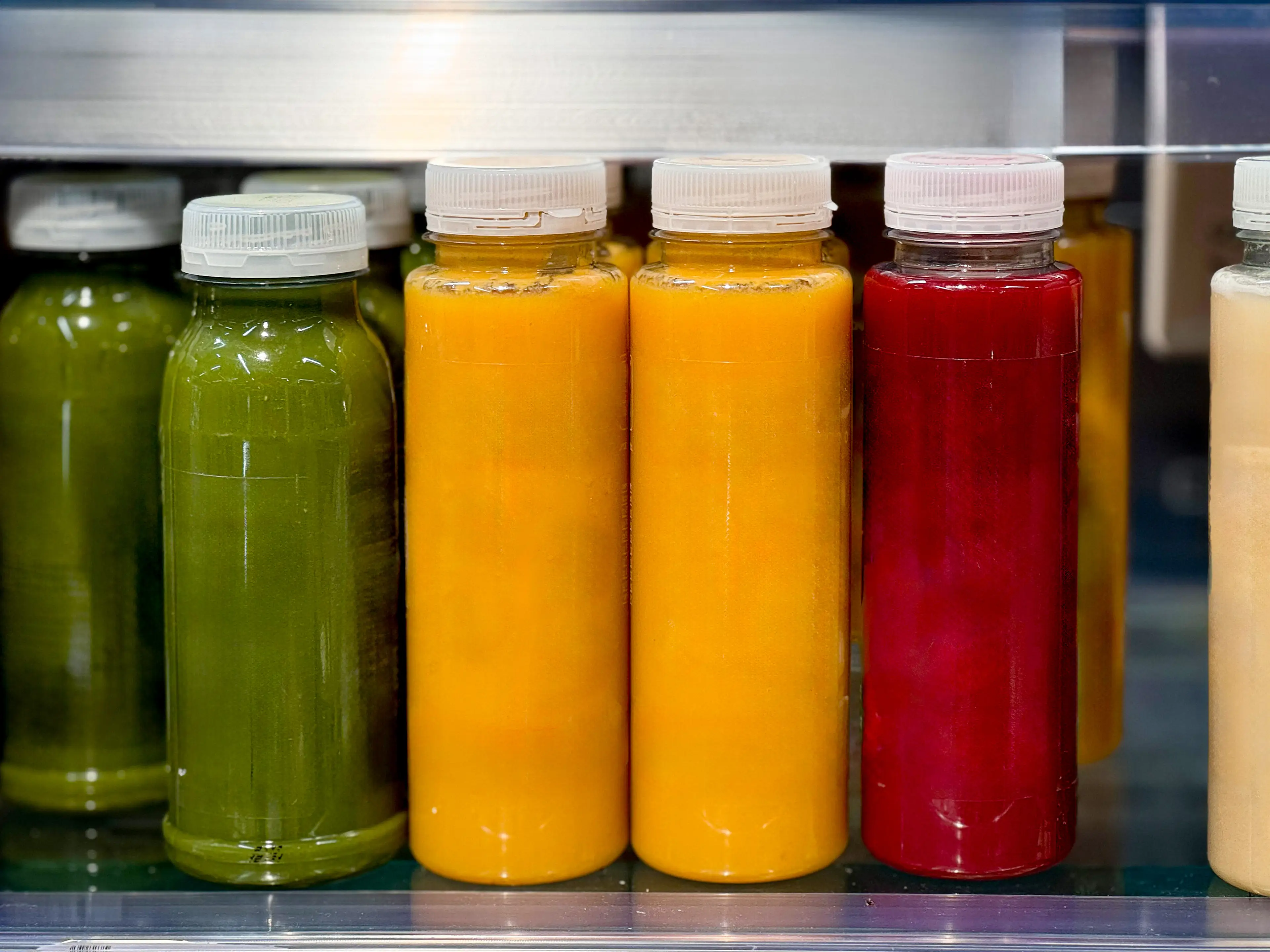
That wording can make a drink sound like it's been formulated to help you conceive, but Dr Beebeejaun urges women to be particularly careful with what else might be lurking in the bottle.
"I'd be particularly cautious about products marketed specifically as 'fertility juices' or fertility detoxes," he warned. "Many contain added herbs or supplements that haven't been properly studied in people trying to conceive, and 'natural' doesn't always mean safe.
"Grapefruit juice is a good example; it can interfere with the way the body metabolises certain medications, so anyone undergoing fertility treatment should check with their clinic before taking concentrated juices or herbal products regularly."
It's a particularly important distinction for anyone already undergoing fertility treatment, when certain medications and supplements can interact in ways that aren't always obvious.

So, what actually matters when you're trying to conceive?
For all the brightly coloured juices, wellness shots and fertility hacks filling our feeds, the advice from reproductive medicine remains less complicated.
"The best evidence continues to support a balanced Mediterranean-style diet, maintaining a healthy weight, exercising regularly, avoiding smoking, limiting alcohol and optimising medical conditions before pregnancy," Dr Beebeejaun continued.
"Those lifestyle factors have a much greater impact on fertility than any individual juice. I'd encourage patients to think of these drinks as part of a healthy diet if they enjoy them, not as a shortcut to improving fertility."
In other words, there's no need to ditch your favourite pineapple smoothie or pomegranate juice.
Just don't feel pressured into drinking it because you've been led to believe it's the secret ingredient that's going to make or break your fertility journey.
Topics: Pregnancy, Women's Health, Health, Food and Drink, Sex and Relationships
 Rhianna Benson