
Uncomfortable STI cases surge as doctor warns condoms don’t always prevent it

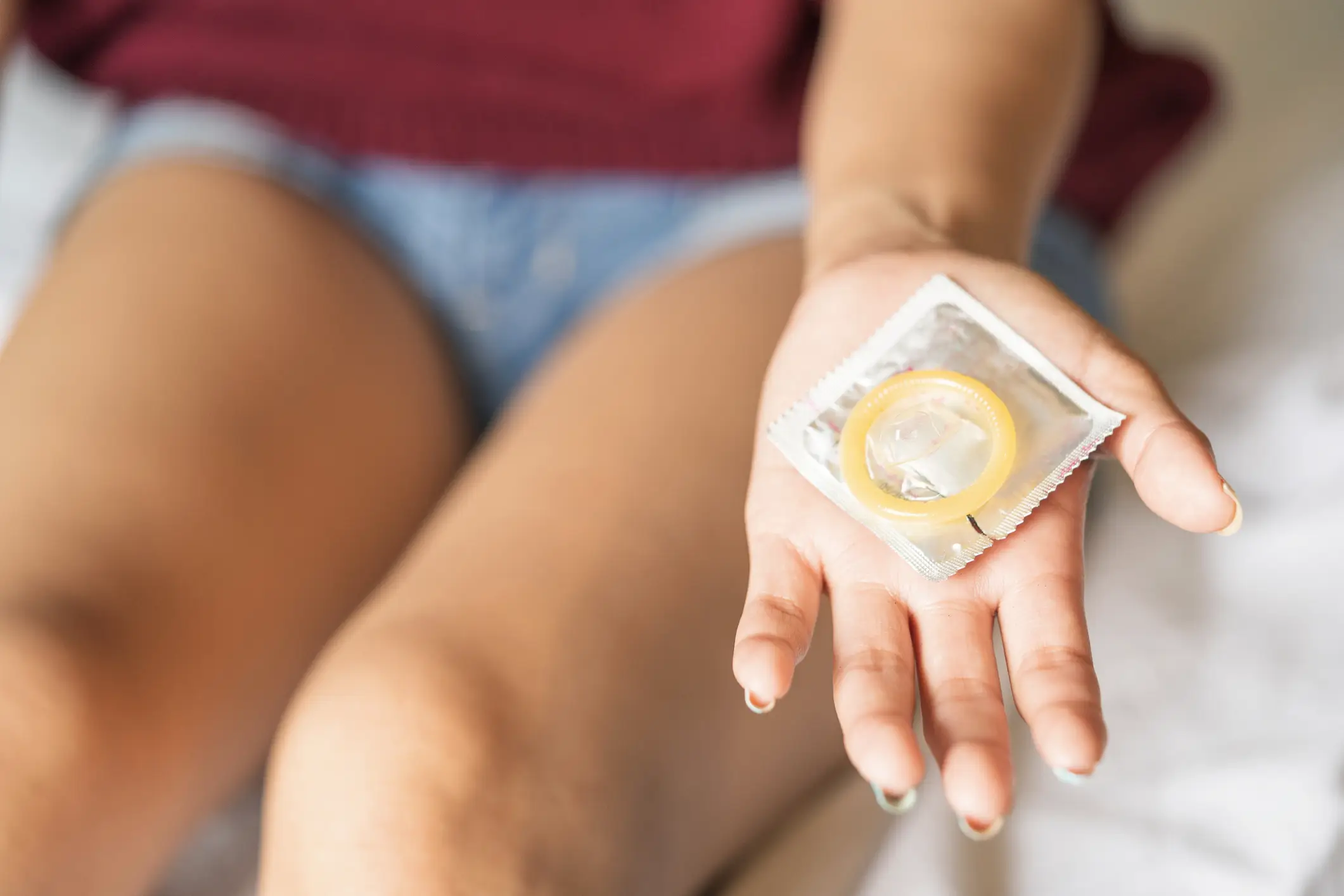
Uncomfortable STI diagnosis cases are surging with a doctor warning that condoms cannot completely 'eliminate the risk' of infection.
The UK Health Security Agency (UKHSA) recently announced that genital herpes cases are rising, with a 3.1% increase from 27,914 to 28,779 reported in England between 2024 and 2025.
Compared to 2024, the number of new STI diagnoses decreased by 8.3% (364,261 in 2024 to 334,151 in 2025).
The most commonly diagnosed STIs in 2025 were chlamydia (45.2% of all new STI diagnoses, 151,163), gonorrhoea (19.1%, 63,943), first episode genital herpes (8.6%, 28,779), and first episode genital warts (7.0%, 23,282).
Advert

The NHS explains that genital herpes is a sexually transmitted infection (STI) passed on through vaginal, anal and oral sex.
Symptoms include small blisters that burst to leave red, open sores around your genitals, anus, thighs or bottom, tingling, burning or itching around your genitals, pain when you pee and discharge that is not usual for you.
While no cure for genital herpes, symptoms usually clear up by themselves, but the blisters can come back (an outbreak or recurrence). Treatment from a sexual health clinic can help.
Dr Clair Granger from Superdrug Online Doctor told the Metro: "There is still a surprising amount of misinformation around herpes transmission.
"The virus does not survive well outside the body and is not spread through toilet seats, towels, cutlery, or swimming pools.
"Transmission can be spread through using contaminated sex toys, but usually occurs due to direct skin-to-skin contact."
She also outlined that people can pass the infection around even while showing no visible symptoms.
"People often assume herpes is only contagious during an outbreak, but the virus can be passed on even when no sores or blisters are present through what is known as asymptomatic shedding," she explained. "This is one reason herpes can spread without either partner realising."
People who get cold sores can also spread the virus through oral sex, as HSV-1 is also a form of herpes.
Dr Clair highlighted that HSV-1 genital infections have become 'increasingly common', particularly among younger adults.
"Awareness of this route of transmission remains relatively low," she told the outlet. "And many people do not think to use protection during oral sex in the same way they would during penetrative sex."
While there isn't currently a cure for genital herpes, Dr Clair says: "Antiviral medication can help shorten outbreaks, ease symptoms and reduce the likelihood of passing the virus to others.
"Many people live normal, healthy lives with herpes and experience long periods without symptoms."
While condoms help reduce the risk of STIs, they don't always protect against herpes, as the virus can still spread through skin-to-skin contact.
"It is important to ensure that regular testing and open dialogue with sexual partners is a priority," Dr Clair resolved.
Topics: Health, Life, Sex and Relationships, UK News, Women's Health
 Rhiannon Ingle