Ceramides, explained like a human: what they are and why they matter

It feels like ceramides are everywhere.
They’re on moisturiser labels, tucked into serums and creams, and regularly recommended whenever your skin barrier needs a little help.
For an ingredient that’s suddenly so hard to avoid, they’re surprisingly rarely explained in a way that actually makes sense to the average person, who’s just trying to nail a good skincare routine.
You may have already bought a ceramide cream because you were told they were an essential step in your routine, without really knowing the full benefits.
Advert
With so many products now shouting about ceramides, it’s fair to wonder whether all ceramide formulas do the same thing, and whether you even need them in the first place.
Don’t worry though, as we’ve put together an easy-to-follow guide all about ceramides that explains exactly why they're so important.
Read more: La Roche-Posay Cicaplast review: the TikTok balm, tested
We've also enlisted the help of award-winning aesthetic doctor, global educator and founder of Skin Medical, Dr Sabika Karim, to break down exactly what ceramides do and why your skin needs them.
What do ceramides actually do?
Ceramides are naturally found in your skin and are a vital part of its protective barrier.
While the skin cells act as the bricks, ceramides almost act as the cement which hold your skin together, supporting your skin's structure.
They make up roughly half of your skin's intercellular lipid content by mass. In other words, ceramides make up a massive part of the fats found inside your cells, and are responsible for the repair and maintenance of your skin.
In short: think of them as the first line of defence on the outer layer, helping to keep moisture in and unwanted irritants out.
What happens if you don't have enough ceramides in your skin?
Natural ceramide levels can decrease in your skin for a number of reasons, including environmental stressors, harsh skincare methods and certain medical conditions.
All of these factors can strip your skin of its natural moisture and lead to a damaged skin barrier.
Read more: Adult acne: why it happens and what actually helps
If you don't have enough ceramides in your skin, you might notice your skin is more reactive than usual. This can show up with dryness, stinging, sensitivity and moisture loss.
A good ceramide formula helps combat a damaged skin barrier and allows your skin to repair over time.
Do ceramides decline with age?
Yes, ceramides do decline with age.
It's another contributing factor as to why you might notice a damaged skin barrier as you age, particularly around your thirties when your skin begins to change.

Ceramides in the wild: where to find them
Ceramides can show up in skincare in a few different ways, from being the star of the formula to playing a supporting role alongside other barrier-loving ingredients.
Here are a few familiar examples available online, from everyday moisturisers to richer barrier creams.
Atobarrier365 Skin Barrier Cream, £26 on Sephora
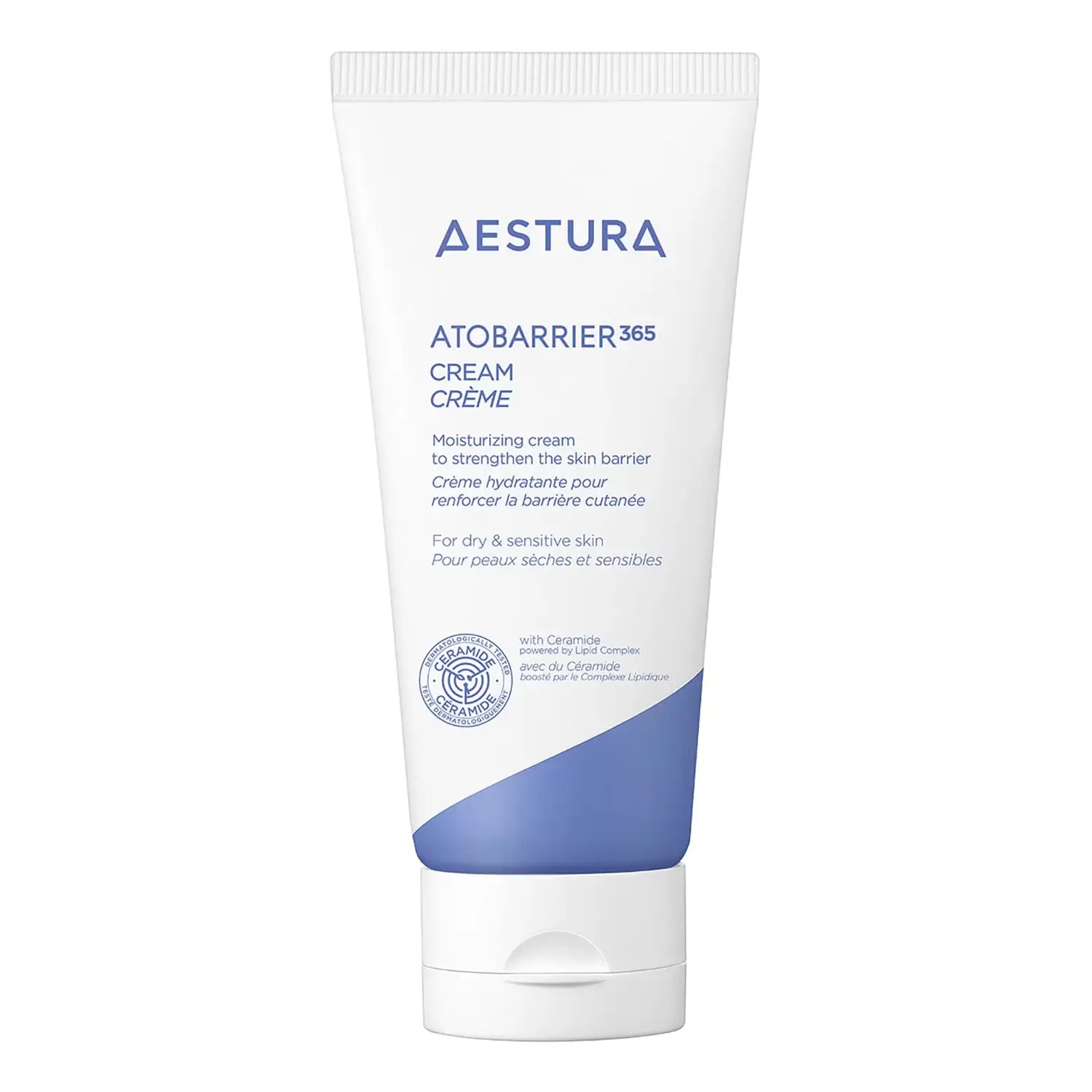
The TikTok-famous Atobarrier365 Cream is a deeply hydrating moisturiser designed to strengthen and restore the skin barrier.
With thousands of five-star reviews, it's designed to combat dry and sensitive skin. It's a great option in the winter months too, as it boasts a rich yet lightweight feel for long-lasting hydration.
CeraVe Moisturising Cream, £5.25 reduced from £7
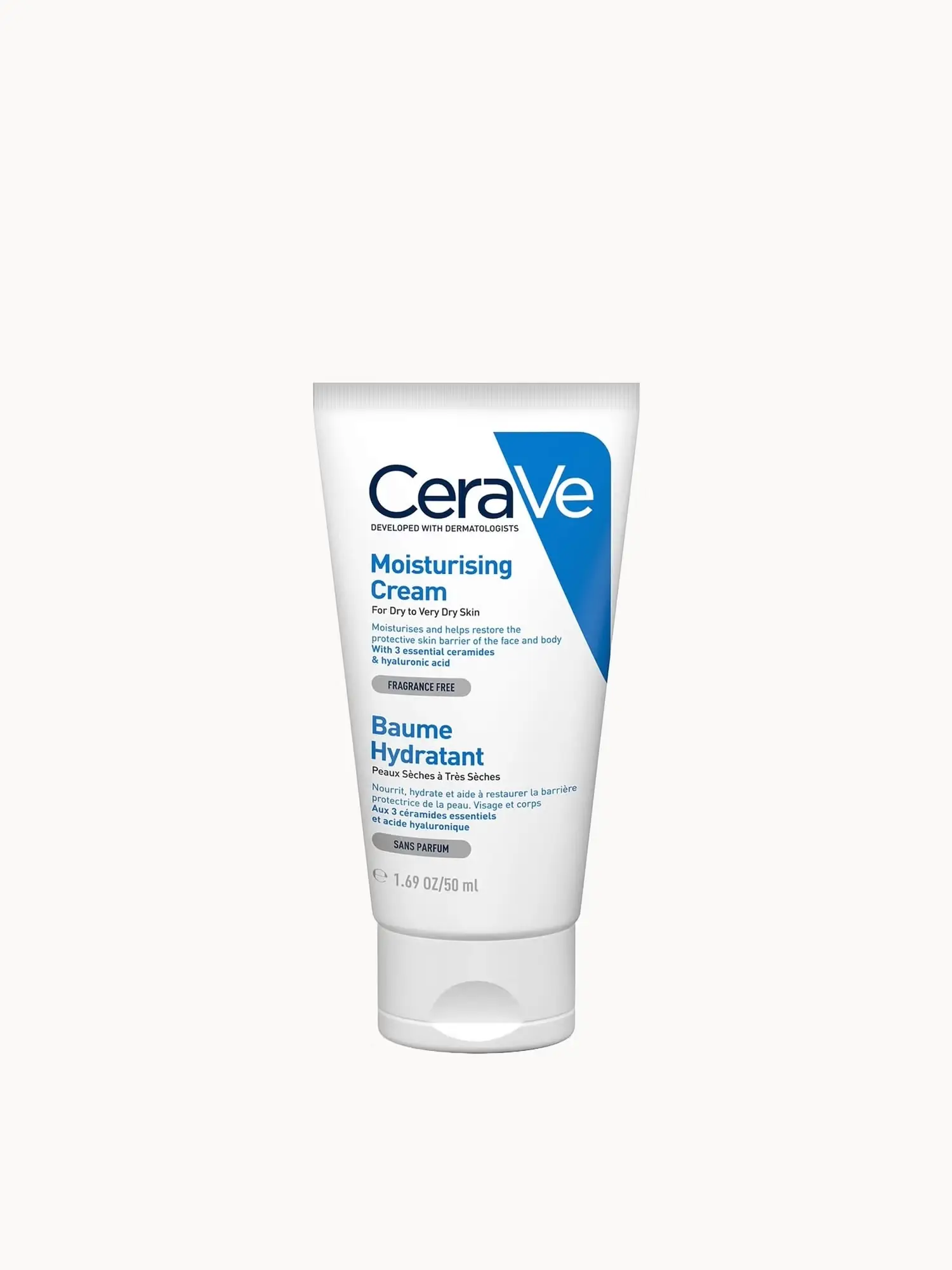
A classic example of a ceramide moisturiser you’ve all heard of. Its formula contains three essential ceramides – 1,3 and 6-II – alongside hyaluronic acid to hydrate and help protect the skin barrier.
BYOMA Moisturising Rich Cream, £11.99 reduced from £14.99 on Amazon
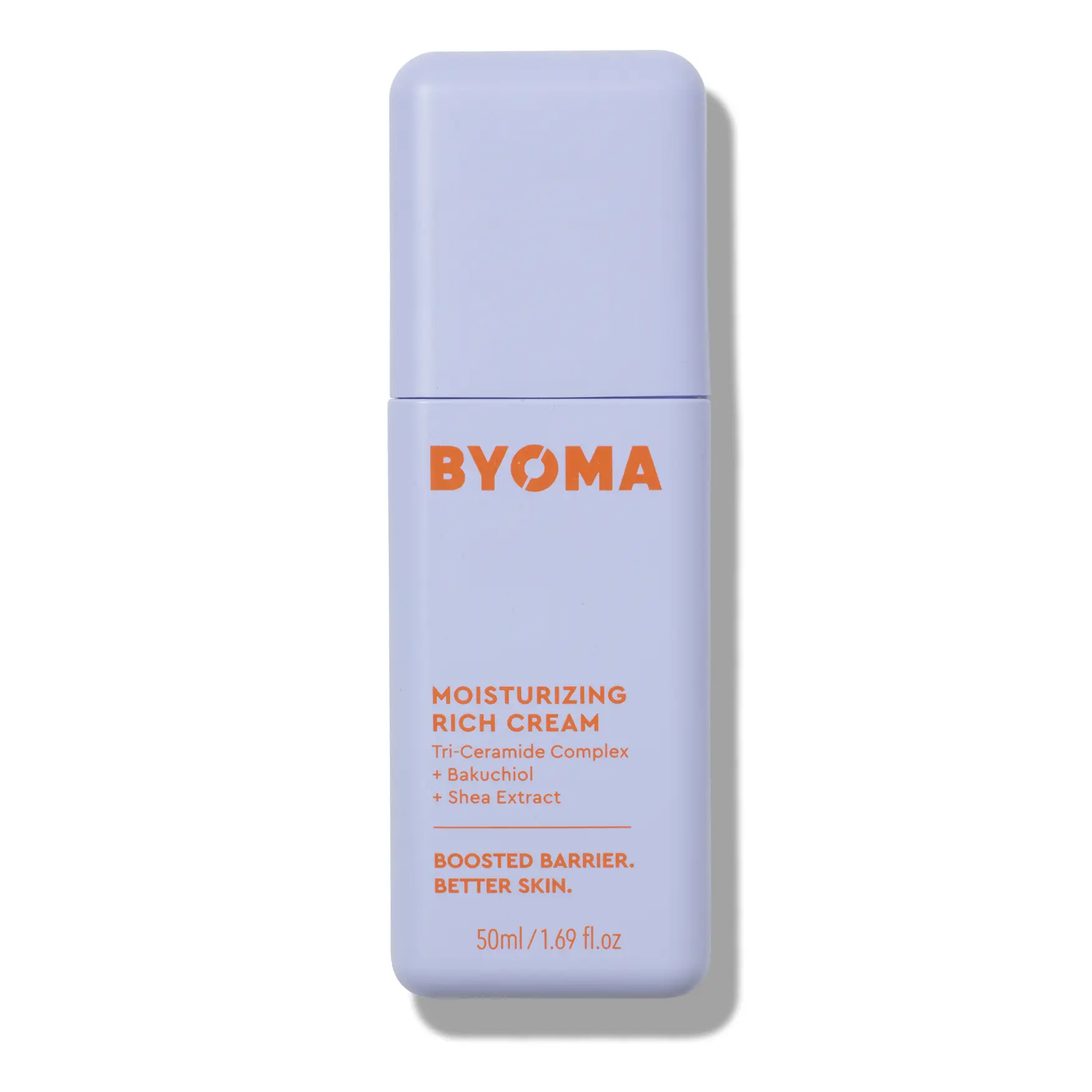
This rich moisturiser centres its Tri-Ceramide Complex around ceramides, cholesterol and fatty acids, which are the key lipids that make up the skin barrier.
La Roche-Posay Cicaplast Baume B5+, £8.80 reduced from £11 on LOOK FANTASTIC
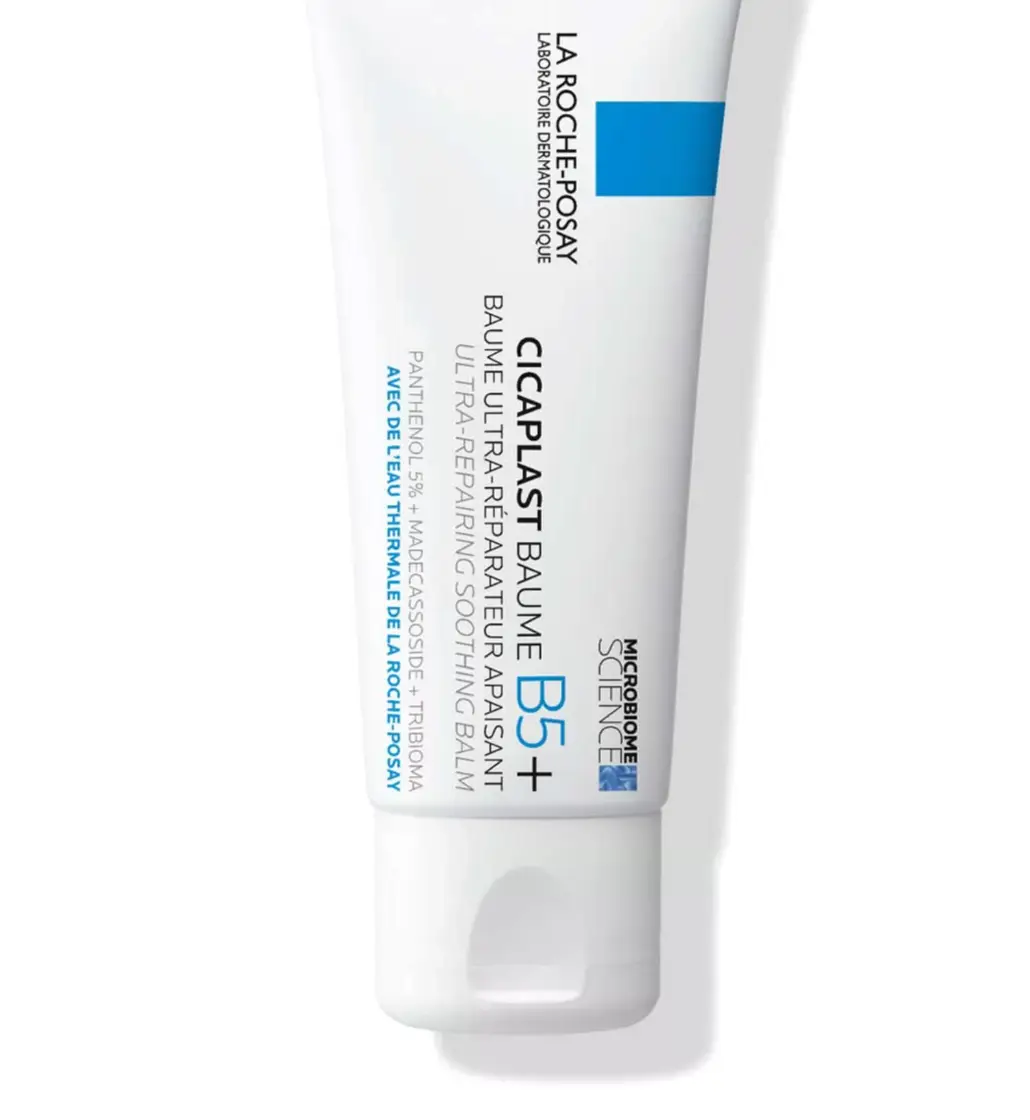
Ceramides aren't the headline ingredient here, but the balm is designed to support the skin barrier, making it a useful example of how barrier care goes beyond ceramides alone.
Revolution Skincare Ceramides Moisturiser, £9.99 on Amazon
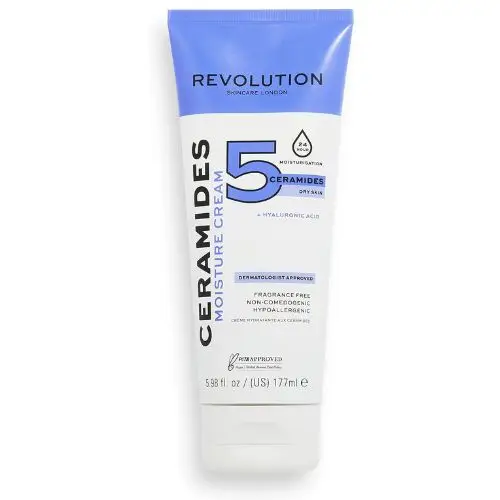 Revolution Skincare/Amazon
Part of Revolution’s dedicated Ceramides range, this moisturiser puts the ingredient front and centre while offering a more budget-friendly example of ceramide-focused skincare.
FAQs:
Do ceramides really work?
We consulted Dr Sabika Karim on whether ceramides actually work.
She says, "Ceramides are lipids that make up approximately half of the intercellular lipids in the skin’s outermost layer, or stratum corneum. They’re vital for maintaining the skin’s barrier function and keeping skin hydrated and supple.
Research shows that topical application of ceramides can improve skin barrier function, enhance moisture retention and support the repair of a damaged skin barrier."
What's the difference between ceramides vs hyaluronic acid?
As we know, ceramides form a protective barrier on the skin, which helps to lock in moisture. Whereas hyaluronic acid is the ingredient that retains and draws the water from the deeper skin layers onto the surface.
Both ingredients give your skin that plump, hydrated feel. But, ceramides work to restore and repair a damaged skin barrier at the same time.
Dr Sabika Karim explains, 'Hyaluronic acid is a protein that acts as a humectant which attracts and binds water within the skin, helping to keep it plump and hydrated. Ceramides are lipids that act as the structural mortar between skin cells, helping to repair and maintain the natural moisture barrier, preventing water loss and locking in hydration. They work well together, with hyaluronic acid helping to increase hydration within the skin while ceramides help strengthen the barrier and prevent that moisture from escaping.’
Hyaluronic acid often takes the form of a lightweight serum or gel, which gives your skin a glowy finish. While, ceramides are usually included in a rich, thick cream to deeply moisturise. Ceramides also work to calm and even your skin tone, and get rid of any rough or flaky patches that might show up when your skin barrier is damaged.
 Rosie Floyd