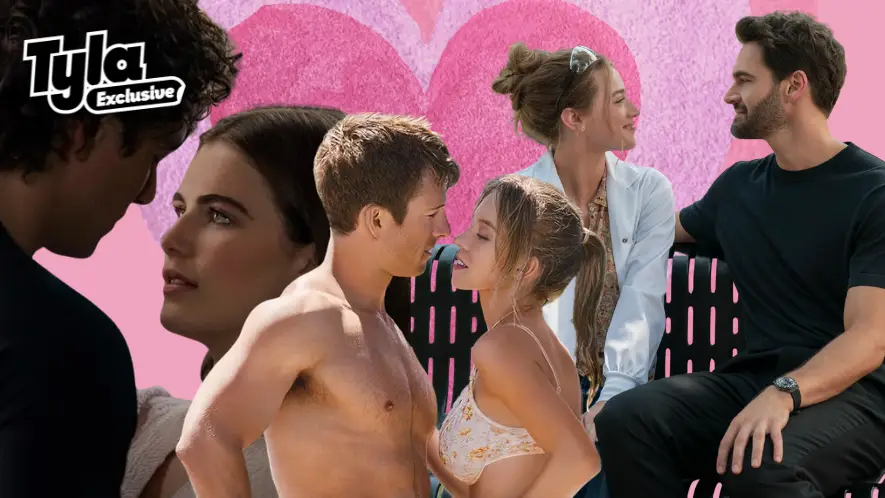
Why 'fake dating' is the relationship fantasy of the situationship generation

If there's one thing BookTok has taught us, it's that we'll never, ever, ever get tired of reading about two people insisting they're 'just friends' before inevitably falling desperately in love.
Give us a slow burn, a grumpy love interest, some forced proximity and, ideally, one bed, and we're sold.
But there's one romance trope we seem to have a particularly soft spot for, in both literature and film - fake dating.
Advert
And this week, it's back in the spotlight in a major way.
That's right - earlier this week, and after mass anticipation, The Love Hypothesis finally landed on Prime Video, bringing author Ali Hazelwood's hugely successful rom-com novel to the world of streaming.
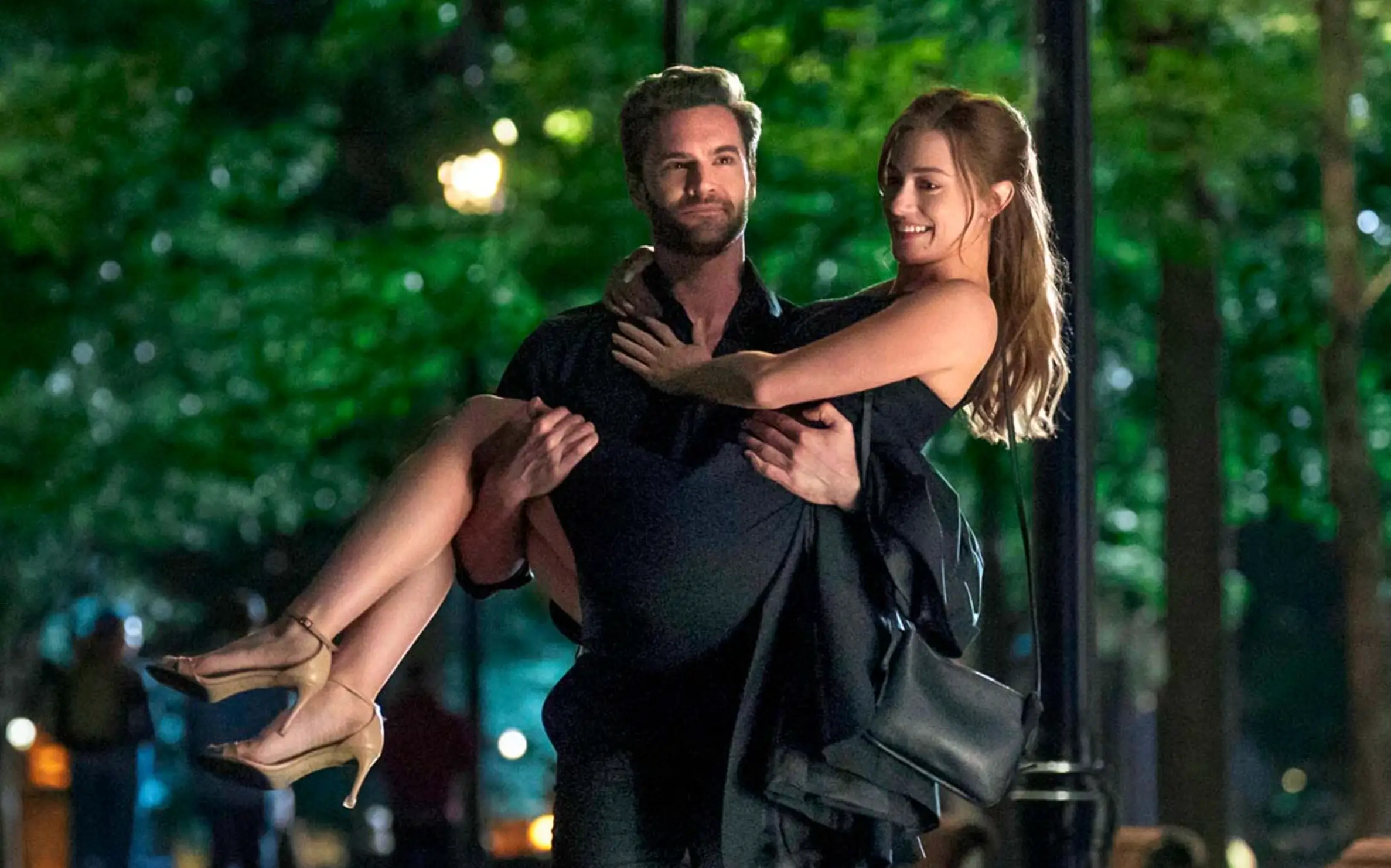
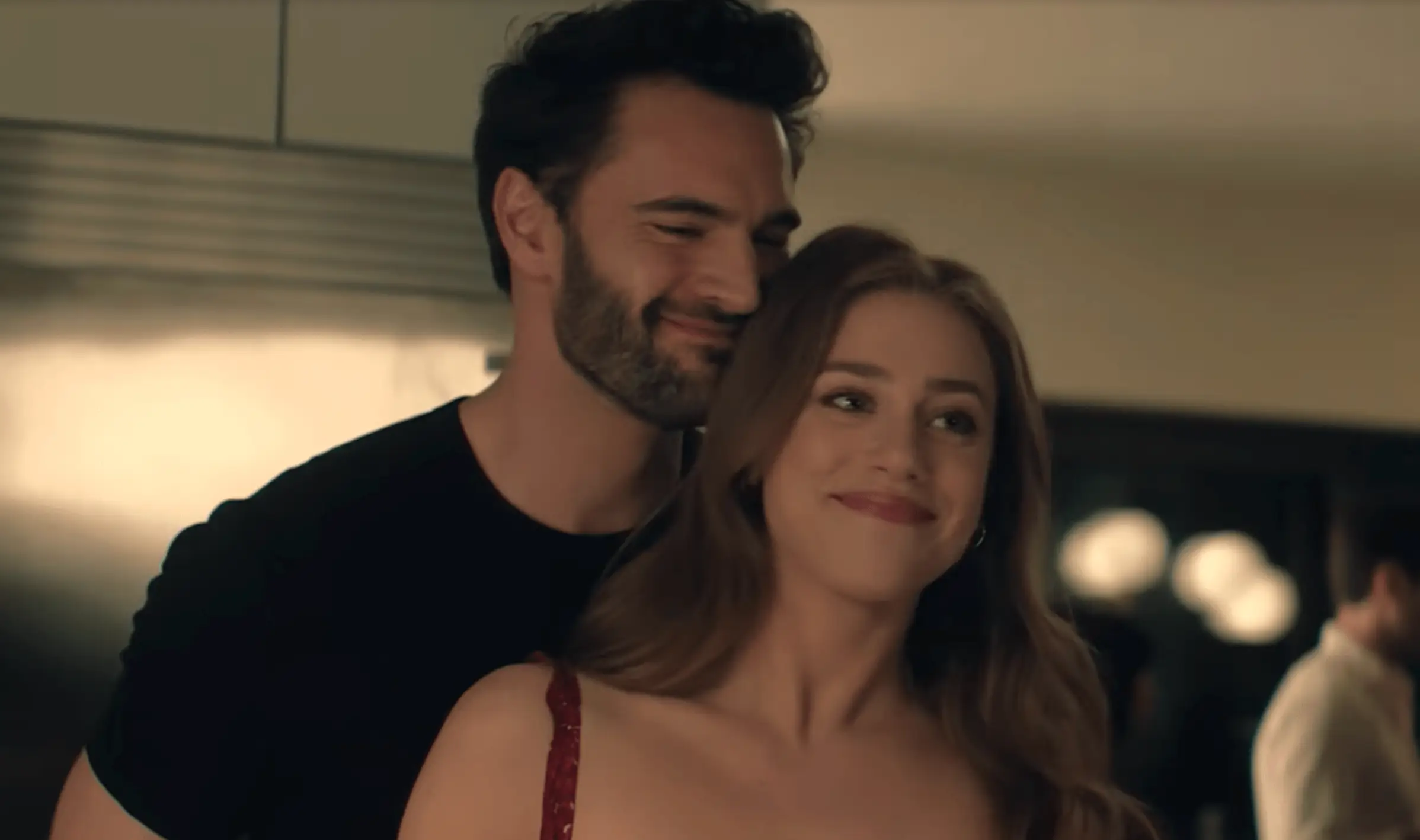
The 2021 hit has sold more than one million copies worldwide, while the TV version stars Riverdale beauty Lili Reinhart and Da Vinci's Demons actor Tom Bateman as Olive Smith and Dr Adam Carlsen.
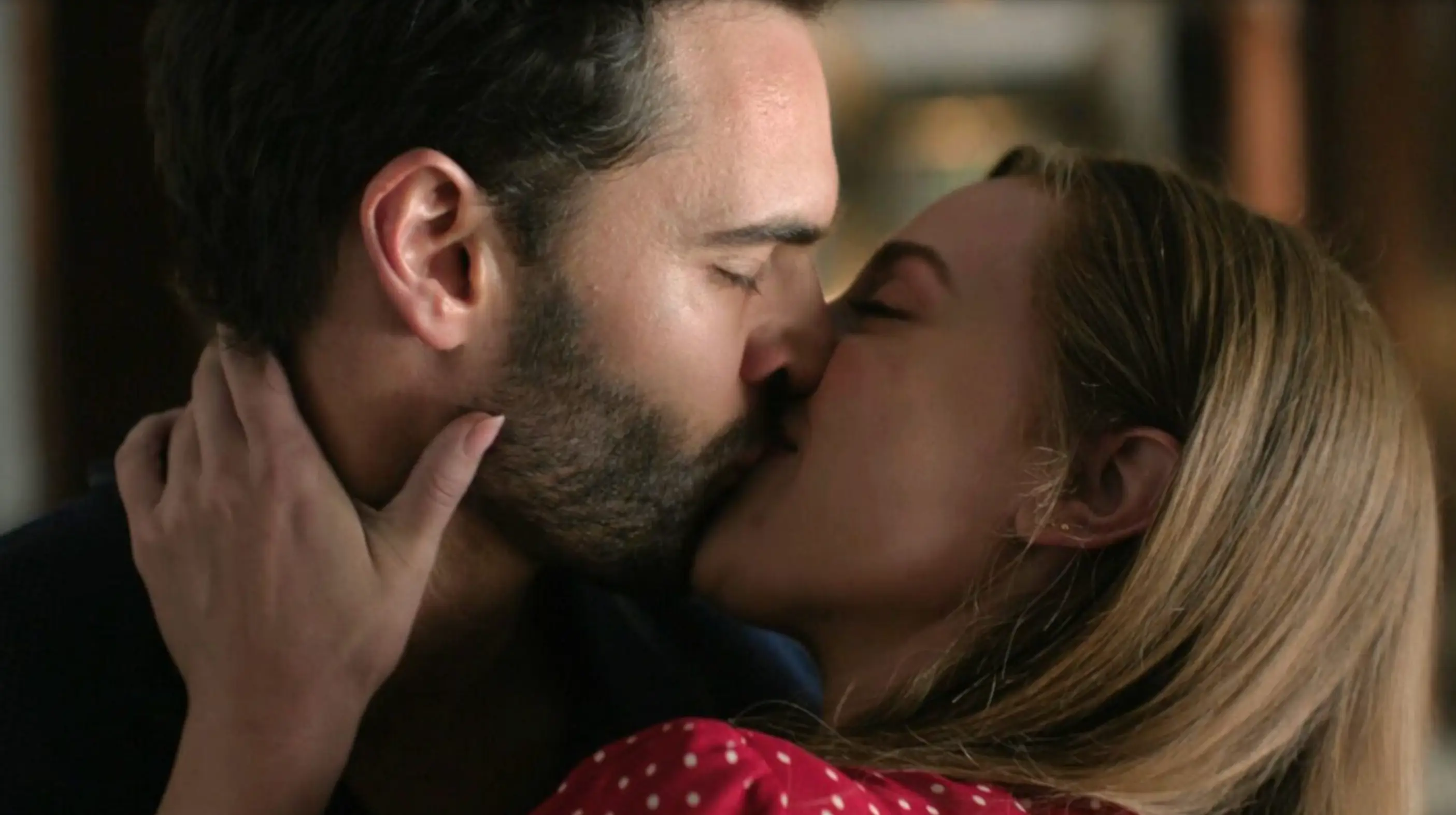
The plot centres on Olive, a Stanford PhD student who impulsively kisses intimidating professor Adam to convince her best friend Anh that she's moved on from her ex-boyfriend Jeremy - who Anh also happens to have a crush on.
Thankfully, Adam has his own reasons for needing to look like he’s in a relationship.
The funds he needs for his vital research are cut by the facility when the team suspect he's planning to leave for a different university, so he agrees to fake a relationship with Olive to convince the science department he plans to remain at Stanford.
And so, their faux-mance begins.
But, as anyone who has ever read a romance novel will know, this is obviously a terrible idea, and before Olive and Adam even realise it's happening, sexual tensions have skyrocketed to unprecedented levels.
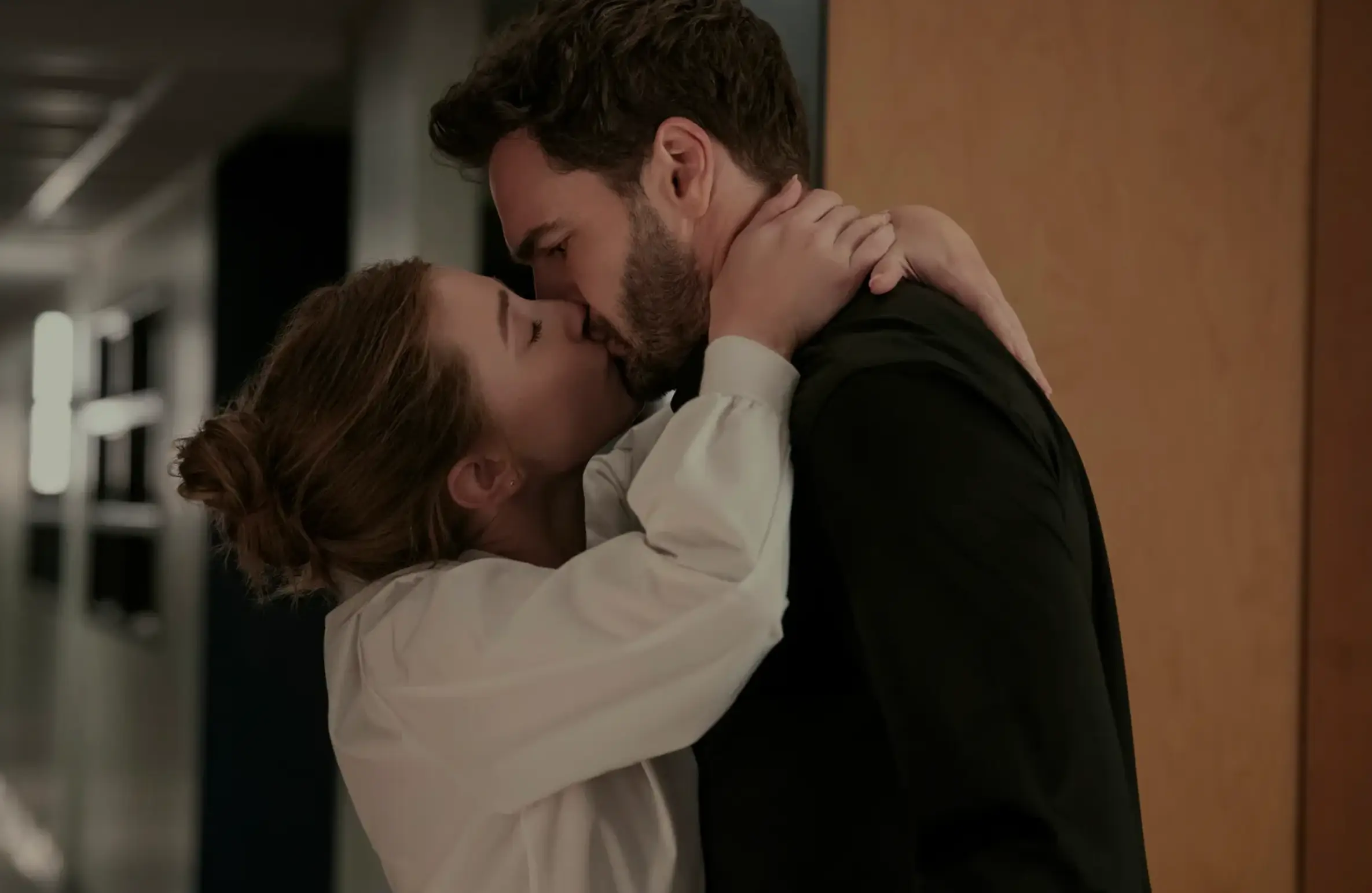
Feelings become legitimate, with heartbreak and hurt suddenly very real risks.
Obviously, because we're reading/watching a rom-com - and not something as sinister as Game Of Thrones - consumers can usually sit comfortable knowing everything will work out in the end.
Because it always does. No, really.
The trope is basically a romance recipe at this point
It’s the kind of trope that appears again and again because the setup gives us instant conflict, physical chemistry and a very obvious ticking clock.
Two people set a plan with rules, boundaries and an expiration date, spend an entirely unreasonable amount of time together, touching, flirting, convincing everyone else they're madly in love, until one of them realises they've only gone and broken rule No. 1 and caught feelings for the other.
We've seen countless versions of it within the last decade alone.
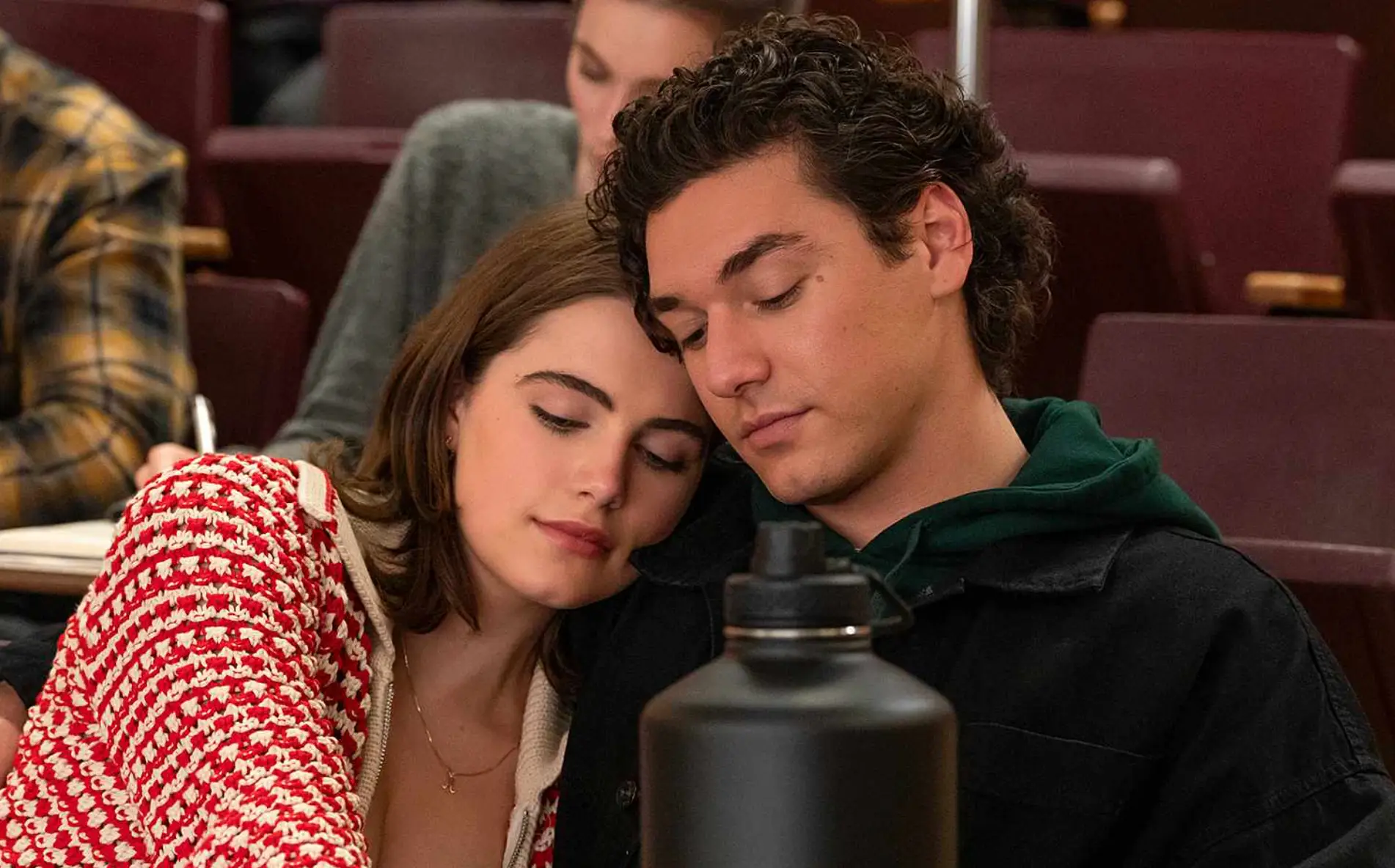
There's Off Campus, where Hannah Wells and Garrett Graham's relationship starts with a very practical arrangement - the latter needs help with his grades, while the former agrees to tutor him in exchange for him pretending to be her boyfriend so she can catch the attention of her crush.
Anyone But You follows a similar premise, with Sydney Sweeney and Glen Powell playing two singles whose one date ended badly a while ago, before they pretend to be a real couple to pacify her interfering parents and make his ex jealous when their siblings marry each other.
To All the Boys I’ve Loved Before also springs to mind, where Lara Jean and Peter agree to fake-date to deal with the fallout from her love letters.
And Hollywood was playing with the formula long before BookTok got involved.
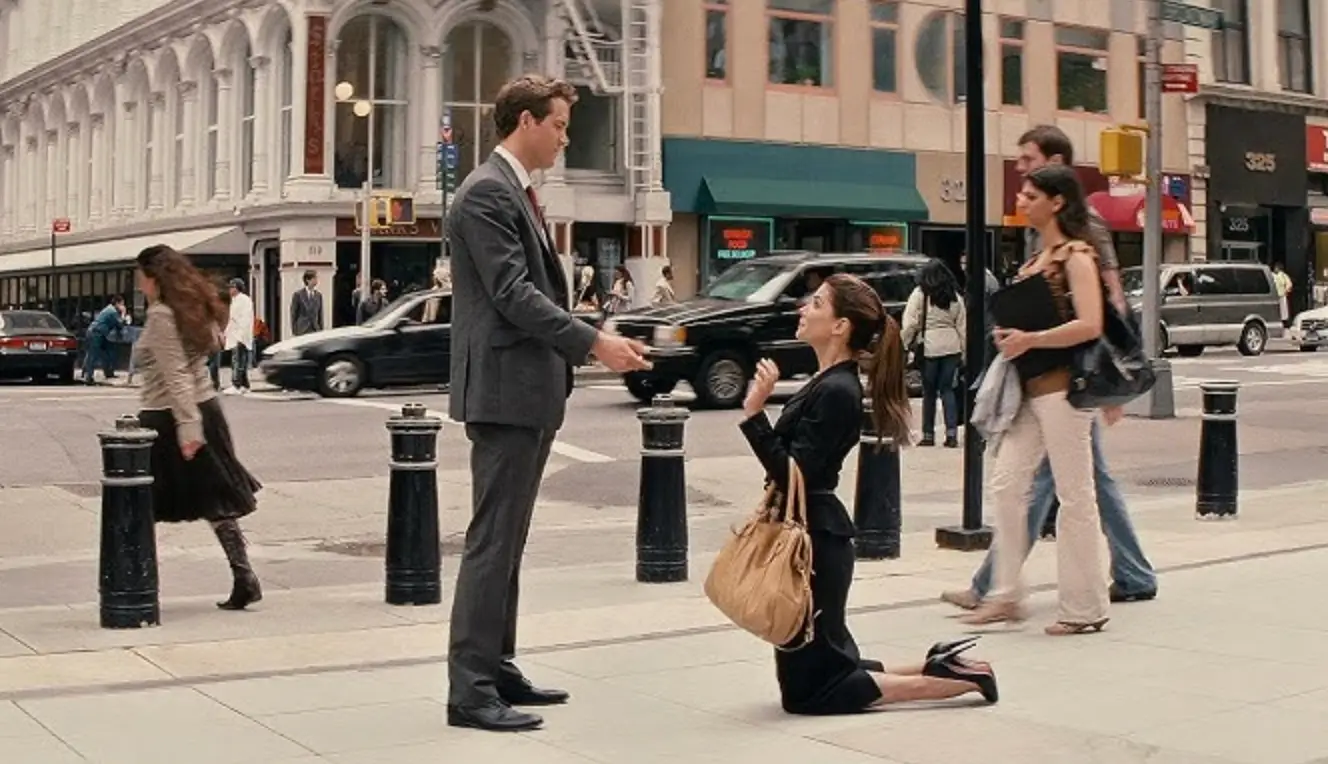
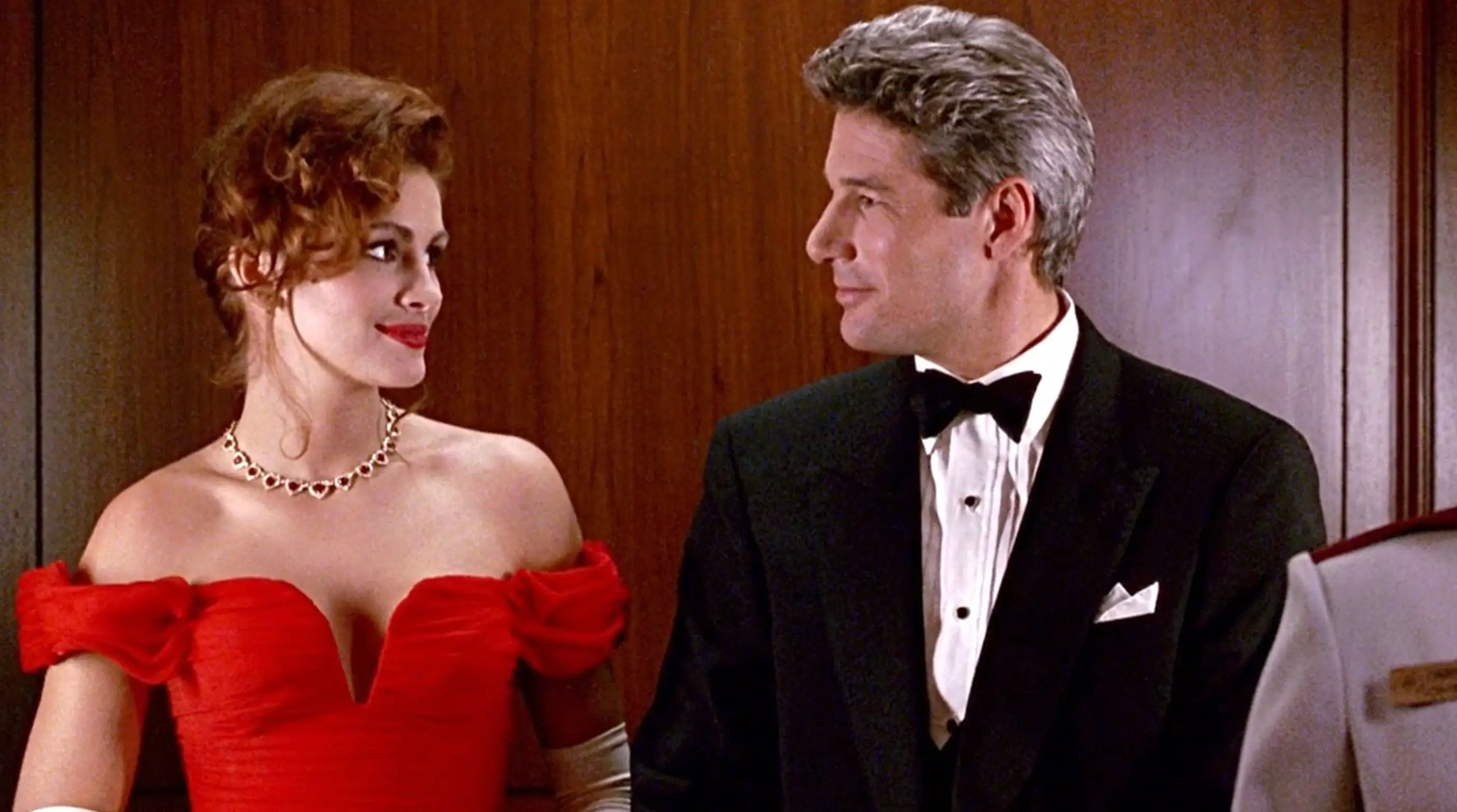
The Proposal sees Canadian business b*tch Sandra Bullock and Ryan Reynolds fake an engagement so she can keep her visa to work in the US, while Pretty Woman puts a more transactional spin on the idea of two people entering an arrangement that eventually becomes something much more romantic.
And it's not just a film thing.
Goodreads has an entire shelf dedicated to the fake-relationship trope, filled with romance novels built around variations of the same idea.
In other words, we really, really like watching people pretend to be in love.
But perhaps what's particularly interesting about fake dating now isn't just that we like the fantasy of two people falling in love.
It's that the fantasy comes with something modern dating often doesn't - certainty.
Unlike modern romance, fake dating is free from uncertainty
According to Grindr's Sex & Relationships Expert Zachary Zane, part of the appeal is that fake dating gives characters all the fun parts of romance without immediately exposing them to the biggest risk.
"Fake dating gives you all the sexy, exciting parts of a relationship - flirting, touching, intimacy, affection - without initially having to put your ego or heart on the line," he exclusively told Tyla.
"If you’re ‘just pretending’, there’s plausible deniability. You can be affectionate or vulnerable and tell yourself it doesn’t really mean anything.
"Ironically, taking away that pressure can make it easier to let your guard down and develop a genuine connection. And, obviously, in a rom-com, somebody is eventually going to catch feelings."
And The Love Hypothesis is basically the perfect example.
Olive and Adam know the relationship isn't real - they know why they're doing it, and they know there are rules.
Which means they don't have to spend every interaction wondering whether the other person is interested. They can just... act like a couple.
Until they can't, of course.
And isn't that exactly what makes the fantasy so appealing to a generation that has become painfully familiar with situationships?
Because in a fake relationship, there is actually less uncertainty than there is in a real one.
You know why you're together, what you're supposed to be doing and what the other person thinks you're doing.
You know where you stand from the very beginning
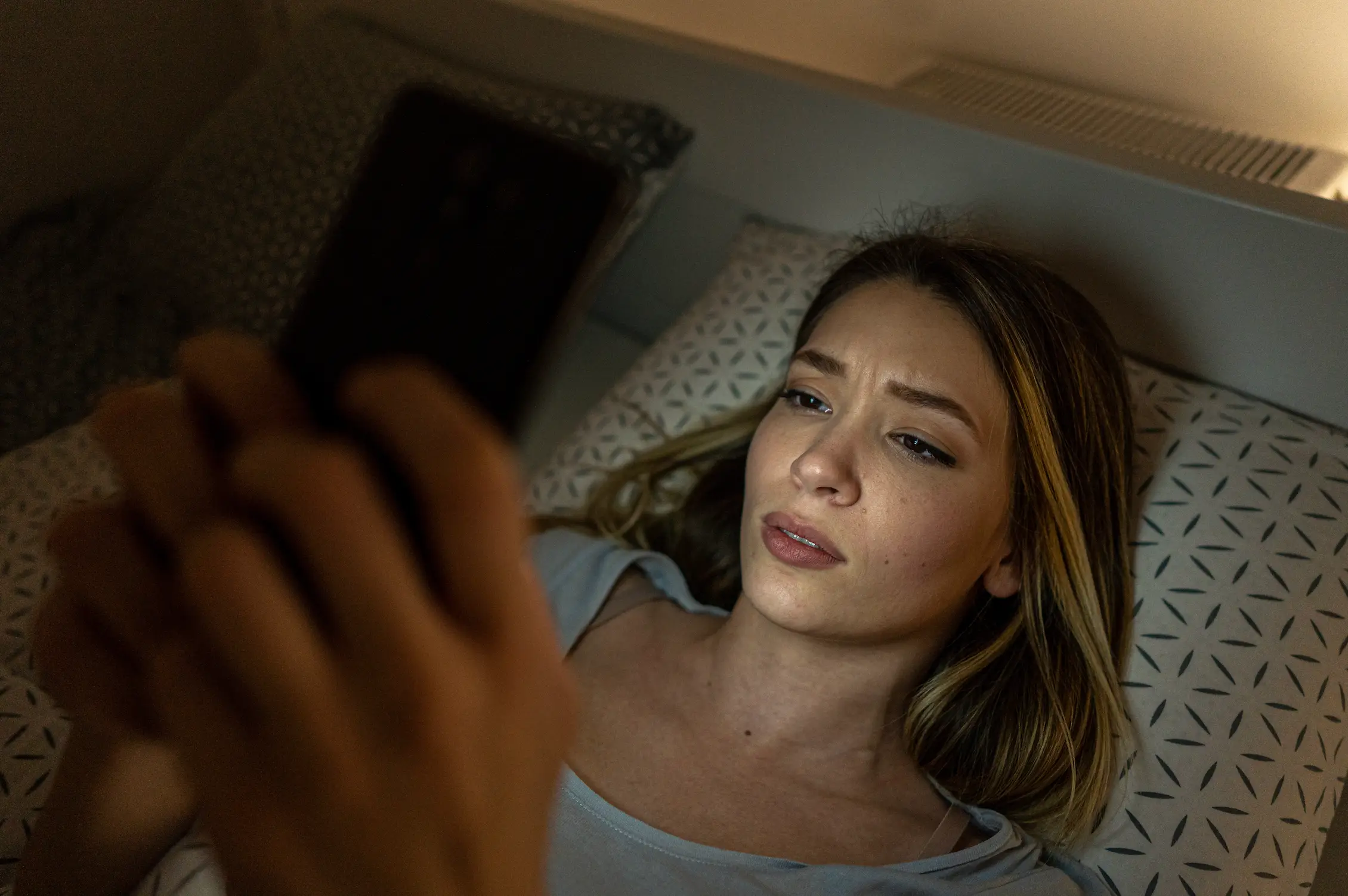
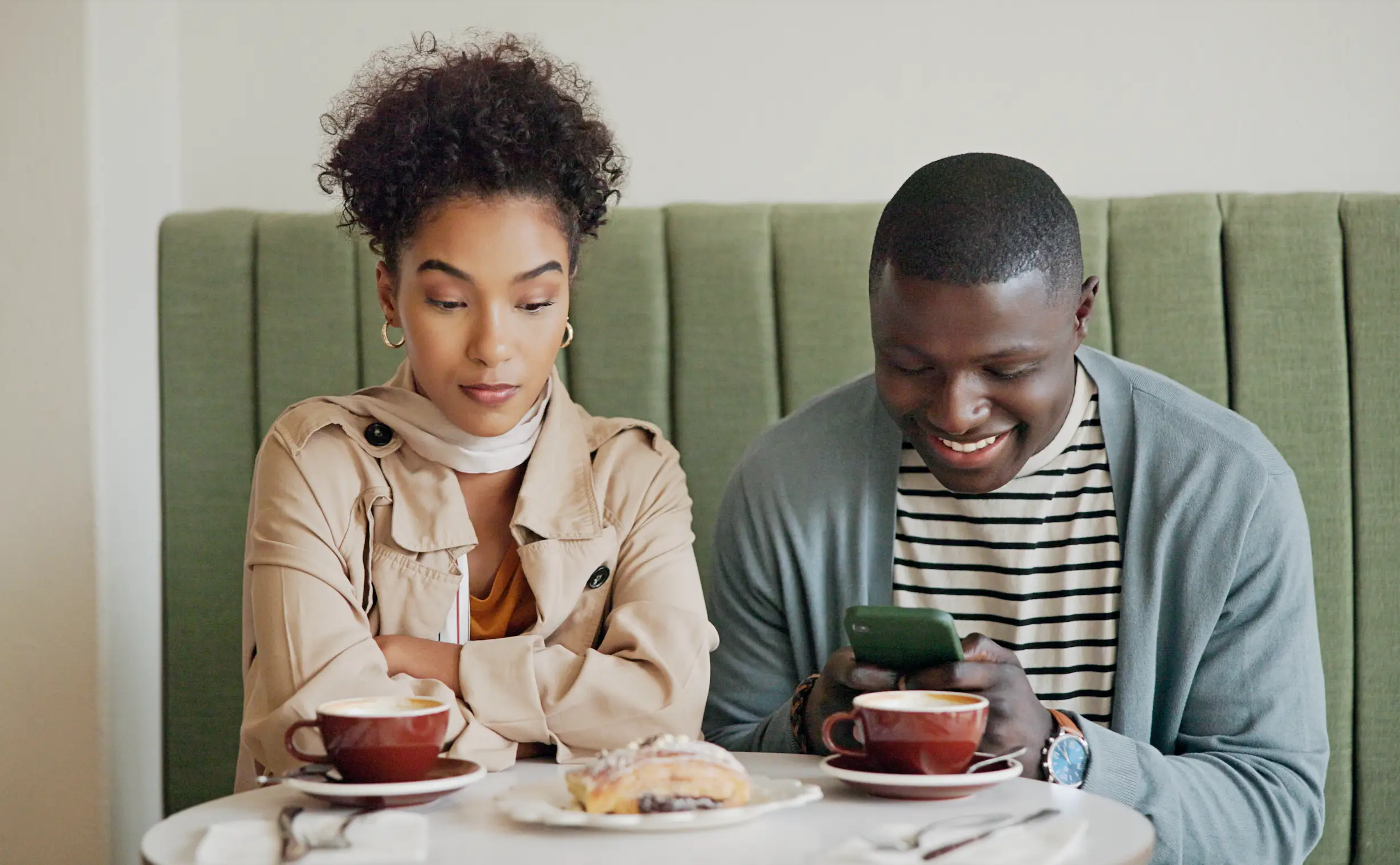
There is no three-week period of wondering whether you're dating or just 'seeing where things go', no agonising over whether sending a second text makes you look too keen, no decoding a 'haha yeah we should definitely do that sometime' message.
The rules might be completely ridiculous, but at least there are rules.
And according to Lovehoney's Sex & Relationship Expert Annabelle Knight, that certainty is a huge part of the fantasy.
"There is something so appealing as a viewer when we see two people we feel are meant to be together realise it in real time," she also told us. "It definitely calls to mind the idea of ‘soul mates’, in that two people are meant for each other - even if they don’t know it - and this is inherently romantic.
"We all want to believe in the idea that the right person might be in front of our eyes, which is one of the reasons this trope has such a powerful draw."
Knight continued: "Part of the appeal is that fake dating gives us romantic assurance without the uncertainty that usually comes before it."
And, honestly, romantic assurance sounds pretty appealing when you consider the current dating landscape.
Situationships have made clarity sexy
Because the situationship has given us an entirely new set of relationship problems - they want to be casual, but act like your partner. They claim they're 'not looking for anything serious', but send you 'good morning' texts. They want exclusivity, but still want to date other people.
They've met your friends, sleep over four days a week, and know your go-to coffee order, but are somehow still 'seeing where things go'.
It's no wonder the idea of fake dating can feel strangely comforting, because at least everyone knows where they stand.
And Zane says that ambiguity itself is a huge source of dating anxiety.
"Definitely. A lot of dating anxiety isn’t actually about dating - it’s about ambiguity. Do they like me? Are we hooking up or dating? Are they seeing other people? Can I text them first without seeming too keen?" he noted.
"Fake dating creates this fantasy where the rules have already been established, so you can stop obsessing over what every interaction means."
And that's where the trope starts to feel less like a ridiculous rom-com device and more like a fantasy about modern romance itself.
Because perhaps we're not necessarily dreaming about fake relationships - maybe we're dreaming about relationships where nobody has to guess what the other person wants.
"On Grindr, people are looking for everything from a hookup to a husband, and neither is inherently better than the other," Zane went on. "What matters is being upfront about what you want, because clarity removes a lot of the anxiety and lets you actually enjoy the connection."
Which sounds pretty obvious.
But, somehow, it's also exactly what dating apps and situationships have made incredibly difficult.
We love the idea of accidentally falling in love
There's another reason fake dating works so well as a fantasy, though - and it has nothing to do with avoiding dating apps.
It's the idea that you can accidentally find love without swiping through hundreds of people, going on awkward first dates, or figuring out whether someone is your type based on six photos and a three-word bio.
You don't even have to decide that you're looking for love, you just end up there - which Zane says is part of the appeal.
"There's something incredibly seductive about the idea that love can just sneak up on you," he explained.
"Modern dating can sometimes feel like a series of decisions - who to message, when to meet, whether you’re compatible, when to define the relationship - so the fantasy of accidentally falling in love removes all of that pressure.
"You don’t have to search for 'the one' or make all the right moves. You simply spend time with someone and, at some point, realise: oh damn, I actually love this person."
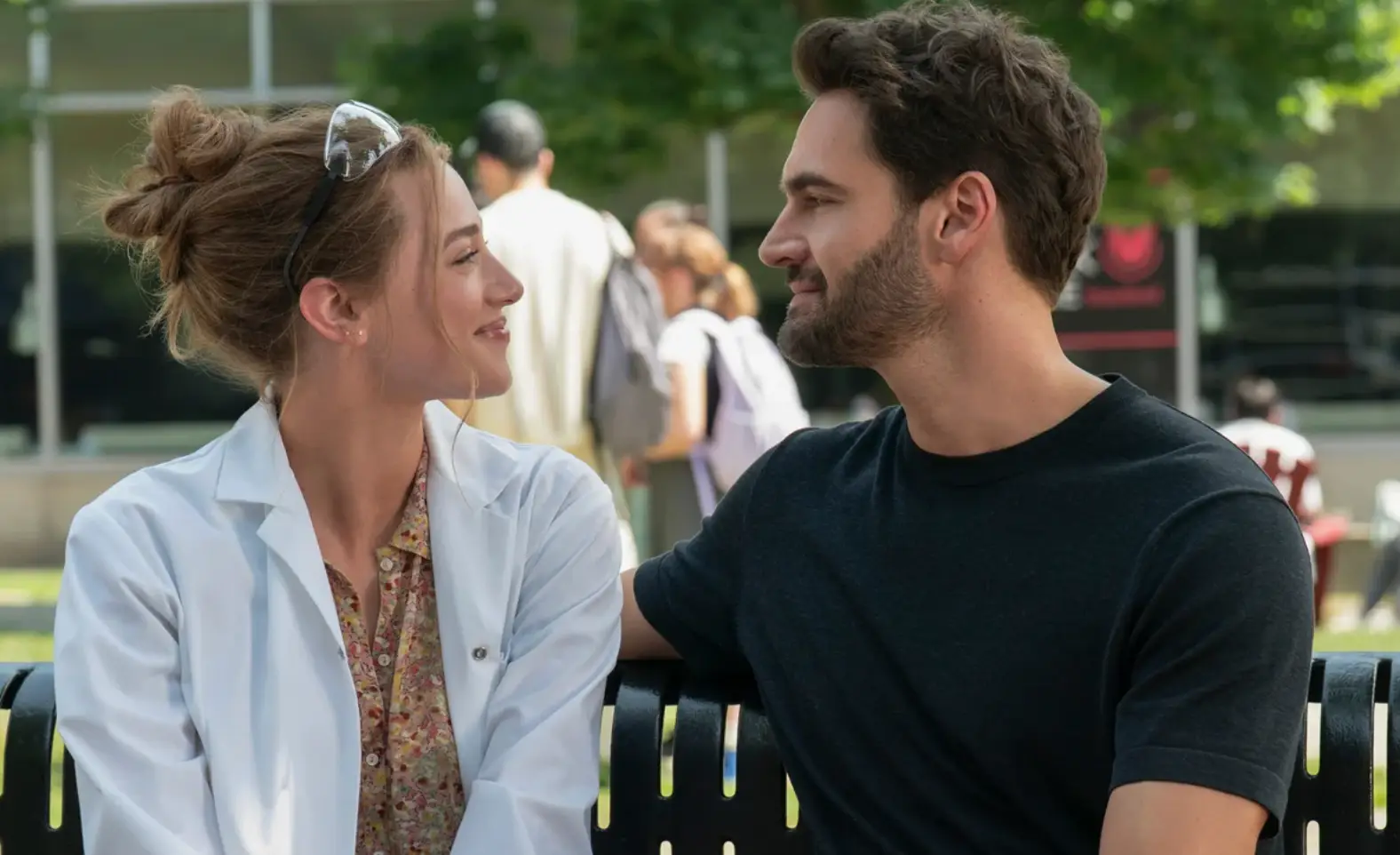
And that is essentially the dream behind almost every fake-dating storyline - Olive doesn't have to find Adam. The relationship just appears when they finally realise what everyone else can see.
Knight says the same fantasy can be seen in the popularity of other romance tropes, too.
"This is a trope that has been around for ever, and isn’t limited to 'fake dating', with the 'friends to lovers' trend (Ross and Rachel) following the same idea," the sexpert went on. "There’s also something comforting about the idea that love can happen without us having to consciously engineer it.
"There’s definitely something enticing about the idea of your soulmate being someone who is already in your life and close to you - yes it bypasses all the messiness of finding a partner, but there is also a draw in falling for someone you already know intimately."
But can pretending actually make you fall for someone?
Of course, there's one tiny problem with the 'fake dating' fantasy.
Feelings don't exactly care about contracts.
If you spend enough time pretending to be someone's partner, flirting with them, touching them and opening up to them, eventually it might become difficult to remember what is supposed to be fake.
And according to Knight, there is a reason for that.
"You’re essentially rehearsing intimacy," she noted. "If you repeatedly spend time together, behave affectionately, touch, flirt and share increasingly personal things, you’re rehearsing many of the behaviours that normally accompany a real relationship.
"Even if the original agreement is that it’s pretend, those behaviours can create genuine familiarity, comfort and attachment."
She points to the famous '36 questions' experiment, which found that strangers who gradually shared increasingly personal information felt significantly closer than people who simply made small talk.
"So there is evidence that reciprocal self-disclosure can accelerate feelings of closeness, and fake dating creates a situation where that kind of accelerated intimacy can happen quite naturally," Knight added.
Zane agrees that fake dating can create the conditions for genuine feelings to develop - although, obviously, pretending to be in a relationship isn't a guaranteed shortcut to finding your soulmate.
"It absolutely can create the conditions for feelings to develop," he said. "Spending time together, flirting, touching, having sex, opening up and sharing experiences are all ways we build intimacy.
"Of course, none of that guarantees you’re going to fall in love - plenty of people can have incredible sex or deep conversations without wanting a relationship. But if you repeatedly behave like partners, it’s not surprising if the emotional boundaries start getting a little blurry."
Which, conveniently, is where every good fake-dating story reaches its most delicious point, when the rules stop being fun.
And suddenly, the thing they were both trying so hard to avoid - real feelings - is the only thing either of them can think about.
So, are we just tired of dating?
Maybe?
Because when you look at the 'fake dating' trope through the lens of modern dating, it starts to feel less like a fantasy about pretending and more like a fantasy about certainty, intimacy and skipping the awkward bit in between.
Knight believes its popularity reflects a wider frustration with modern romance, telling us: "I think it says a few things - one is that as a collective we are sick and tired of the modern dating scene, so yearn for a scenario where we get to skip past this.
"Second is that it suggests we are looking for genuine connections in romance, even if we would rather skip past the difficult part of getting there."
For Zane, though, the fantasy isn't necessarily about wanting a traditional relationship at all, but about removing the uncertainty that can make modern dating so exhausting.
"I think that’s exactly the fantasy: skip the awkwardness and uncertainty and get straight to the intimacy," he said. "But I don’t think it means everyone secretly wants the same traditional relationship."
Ultimately, perhaps that's what makes fake dating so irresistible - it gives us the romantic intimacy we crave, without forcing us to navigate all the ambiguity that comes before it.
"What people really seem to crave is clarity," Zane noted. "Fake dating gives us a world where everyone supposedly knows what the relationship is from day one.
"Real dating is messier because you have to actually communicate what you want and risk hearing that the other person wants something different. But that vulnerability is also what makes a real connection so much more exciting."
And maybe that's the real reason we keep coming back to the trope, because underneath the dramatic kisses, jealousy, ridiculous relationship contracts and inevitable declarations of love, we're watching two people arrive at the one thing so many modern daters are desperate for - knowing exactly where they stand with someone they really like.
Perhaps the most romantic part of fake dating, then, isn't the pretending at all. It's the certainty that, eventually, the person you're pretending to love will realise they feel exactly the same way.
Topics: Books, TV And Film, Entertainment, Sex and Relationships, Dating
 Rhianna Benson