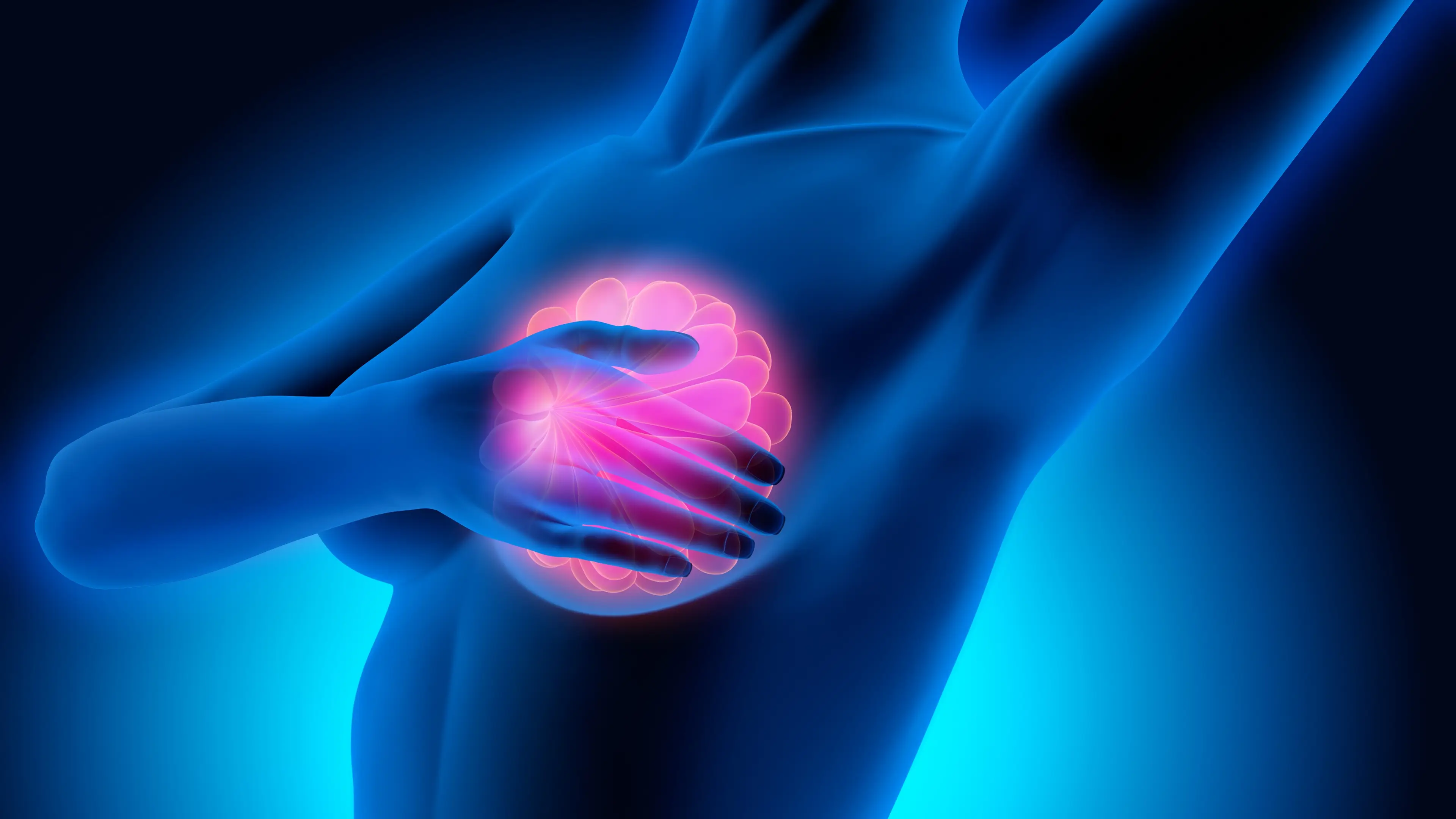
Little-known ‘Sad Nipple Syndrome’ that affects both women and men in the bedroom

Pinching, twisting and teasing the nipples is usually associated with pleasure but for some people it can trigger an unexpected response in the bedroom.
A little-known phenomenon called ‘sad nipple syndrome’ (SNS) can make someone feel a feeling of sadness, anxiety or dread. It's often described as a sudden wave of negative emotions triggered by touching or simulating the nipples.
"These emotions can appear almost instantly and will disappear relatively quickly once the stimulation stops,” explains Dr Nikki Ramskill, women's health GP and founder of The Female Health Doctor clinic.
Despite the experiences being very real, SNS is not currently a formally recognised medical diagnosis, and research into the phenomenon remains limited but awareness is growing.
Does sad nipple syndrome also affect men?
SNS can affect men and women. “It's a reaction that may interrupt intimacy or make someone feel confused, embarrassed or uneasy,” explains Dr Hussain Ahmad, an experienced hospital doctor and consultant practitioner.
Advert
Currently, there is insufficient scientific evidence to establish whether SNS affects men and women in distinct ways. “There is no good evidence to say that sad nipple syndrome affects men and women differently,” Dr Ramskill says.
Dr Ahmad suggests hormonal changes around periods, pregnancy and breastfeeding may play a role for some women, although this has not been proven.
Dr Ramskill also highlights the importance of distinguishing SNS from dysphoric milk ejection reflex (D-MER), a separate phenomenon in which breastfeeding mothers experience sudden negative emotions around milk release.
She explains: "D-MER and SNS shouldn't be considered the same condition, and we don't know whether they share an underlying mechanism.”
What else can trigger sad nipple syndrome?
Dr Ramskill explains that nipple stimulation does not necessarily have to be sexual to trigger the response.
"This can happen during sex, but it isn't necessarily sexual," she says.
"Everyday activities such as showering, drying with a towel or clothing rubbing against the nipples may also trigger the sensation."
For some, the experience is relatively mild, while others may find it distressing enough to avoid certain types of touch.

How is sad nipple syndrome treated?
There is currently no established medical treatment or proven cure for SNS.
Dr Ramskill recommends identifying potential triggers and avoiding them where possible, including choosing softer clothing, limiting direct nipple stimulation and communicating with a partner about what feels comfortable.
She says: "The most important thing is that people shouldn't feel embarrassed about discussing these experiences. Our bodies don't always respond in the ways we expect, and just because something isn't yet well understood doesn't mean it should be ignored."
Dr Ahmad adds that understanding the reaction is usually brief and does not necessarily mean something is wrong with you or your relationship can be reassuring.
If symptoms become distressing or affect intimacy and relationships, speaking to a GP or qualified psychosexual therapist may help.
How common is sad nipple syndrome?
Despite growing awareness of sad nipple syndrome, there is still much experts don't know about the phenomenon.
Dr Ramskill warns that 'we still have a lot to learn about why it happens', with no reliable figures or 'reliable population-level studies' available on how many people experience it.

What can be done about sad nipple syndrome?
Much of the existing information comes from people sharing their own experiences rather than scientific research. As Dr Ramskill points out, 'cannot tell us how widespread it is'.
"I suspect more people may experience it than openly discuss it, particularly because of the embarrassment surrounding nipples, sexuality and unexpected emotional reactions," she adds.
"However, we shouldn’t confuse growing awareness with evidence that the condition is common."
While there is currently no established treatment, there are practical steps people can take to reduce the likelihood of triggering an episode.
"The most practical approach is to identify and avoid triggers where possible. This might mean choosing softer clothing, avoiding direct nipple stimulation or communicating clearly with a partner about which types of touch feel comfortable," Dr Ramskill advises.
If the sensation occurs during intimacy, she also stresses that there is no need to continue with something like nipple play if it causes discomfort.
"If it happens during sex, it’s important to remember that nipple stimulation isn’t essential for a satisfying sex life. There are plenty of other ways to experience intimacy and pleasure without triggering distress."
Topics: Sex and Relationships, Mental Health
 Greg Harris