Olympic dress code explained as Ukrainian Olympian banned from wearing helmet for race

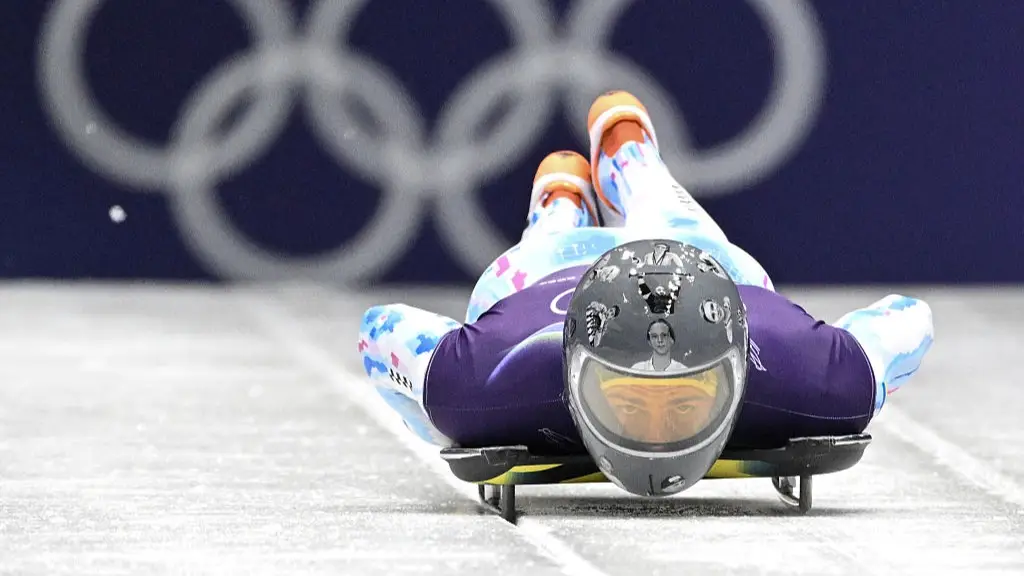
The Olympic dress code has been called into question recently, after a Ukrainian skeleton athlete was banned from wearing his helmet for races.
In case you missed it, Vladyslav Heraskevych, 26, who is competing in the Milan Cortina Winter Olympics, was told by the International Olympic Committee (IOC) that his helmet portraying pictures of people killed in the war in his home country, violates the competition's rules on political statements.
He wore the helmet for a training session and wanted to do the same for his race, in order to remind people around the world of the conflict between Ukraine and Russia.
However, his request was denied by the IOC, who cited the Athlete's Expression Guidelines and rule 50.2 of the Olympic Charter, which states that 'no kind of demonstration or political, religious or racial propaganda is permitted in any Olympic sites, venues or other areas'.
Advert
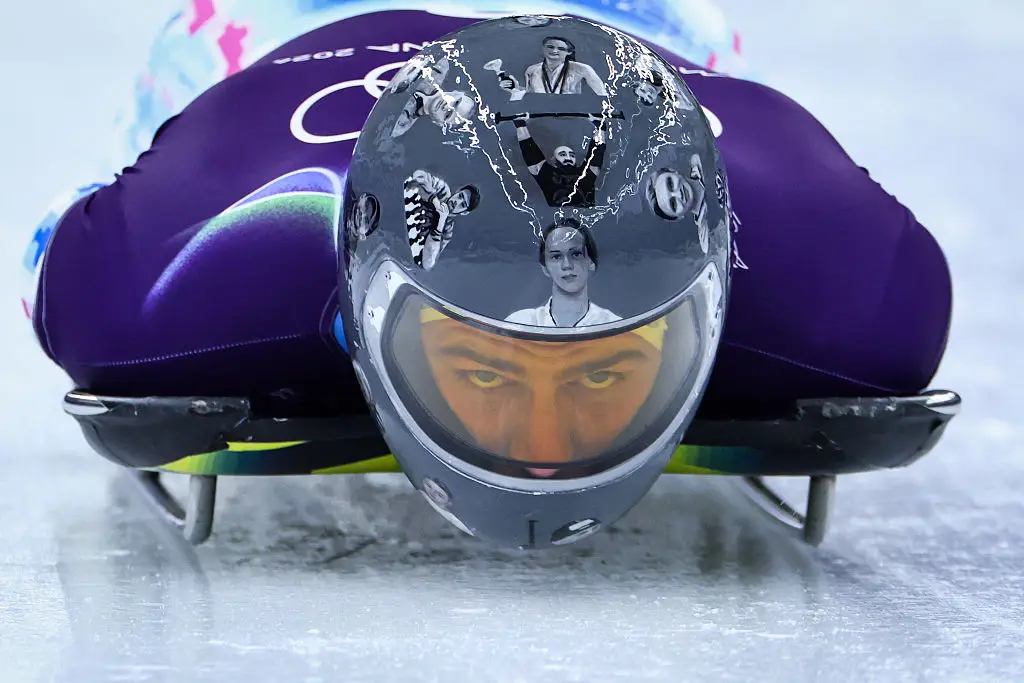
Heraskevych wrote on Instagram on Monday (9 February): "The IOC has banned the use of my helmet at official training sessions and competitions. A decision that simply breaks my heart."
He added: "The feeling that the IOC is betraying those athletes who were part of the Olympic movement, not allowing them to be honoured on the sports arena where these athletes will never be able to step again."
In the wake of the decision, let's take a look at some of the other Olympic dress code rules that may shock you.
As reported by Ripleys, the athletes who face some of the tightest clothing regulations are gymnasts, who according to the publication, aren't allowed to wear V-neck uniforms and must instead choose crew neck or similar styles to 'ensure proper coverage and uniformity'.
Female gymnasts have to wear a 'proper sports non-transparent leotard or unitard' that is 'elegant in design', with an 'appropriate' neckline that doesn't extend below the midpoint of the sternum or lower than the shoulder blades.
Jewellery, aside from small stud earrings, is firmly prohibited, as is bright nail polish.
As for beach volleyball, reportedly female players bikini bottoms cannot be more than 7cm on the sides, while men can wear shorts no longer than 3.9 inches above the knee.
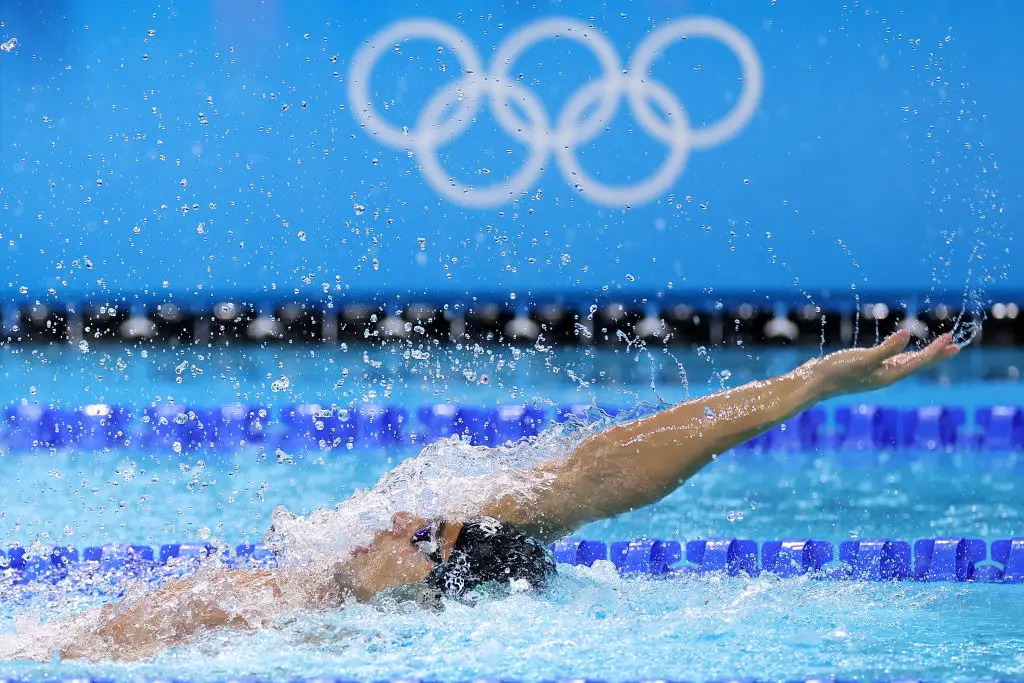
Meanwhile, swimmers also have to adhere to a strict set of rules to ensure fairness and performance - certain parts of the body must be covered.
For women, their swimsuit must cover from the shoulders to just above the knees, while for men they can cover from the waist to just above the knees.
Swimsuits that give 'a competitive edge have also been banned', such as full-body suits, like the LZR Racer by Speedo, which was designed using NASA technology, compressed the body, reduced drag, and enhanced buoyancy.
Similarly, wrestlers have to wear singlets with specific length requirements for the legs, because if they extend down past the knee, their opponent could grab the fabric, giving the an advantage - the more you know!
Track runners also have to wear clothing that doesn't give them an advantage, or even a disadvantage - this means no loose clothing which can cause drag and affect performance.
Although, one particularly interesting rule is that track and field athletes are not required to wear shoes, but going barefoot hasn't exactly proved popular.
Topics: Olympics, Ukraine, Russia, News, Sport, World News, Fashion
 Madison Burgess