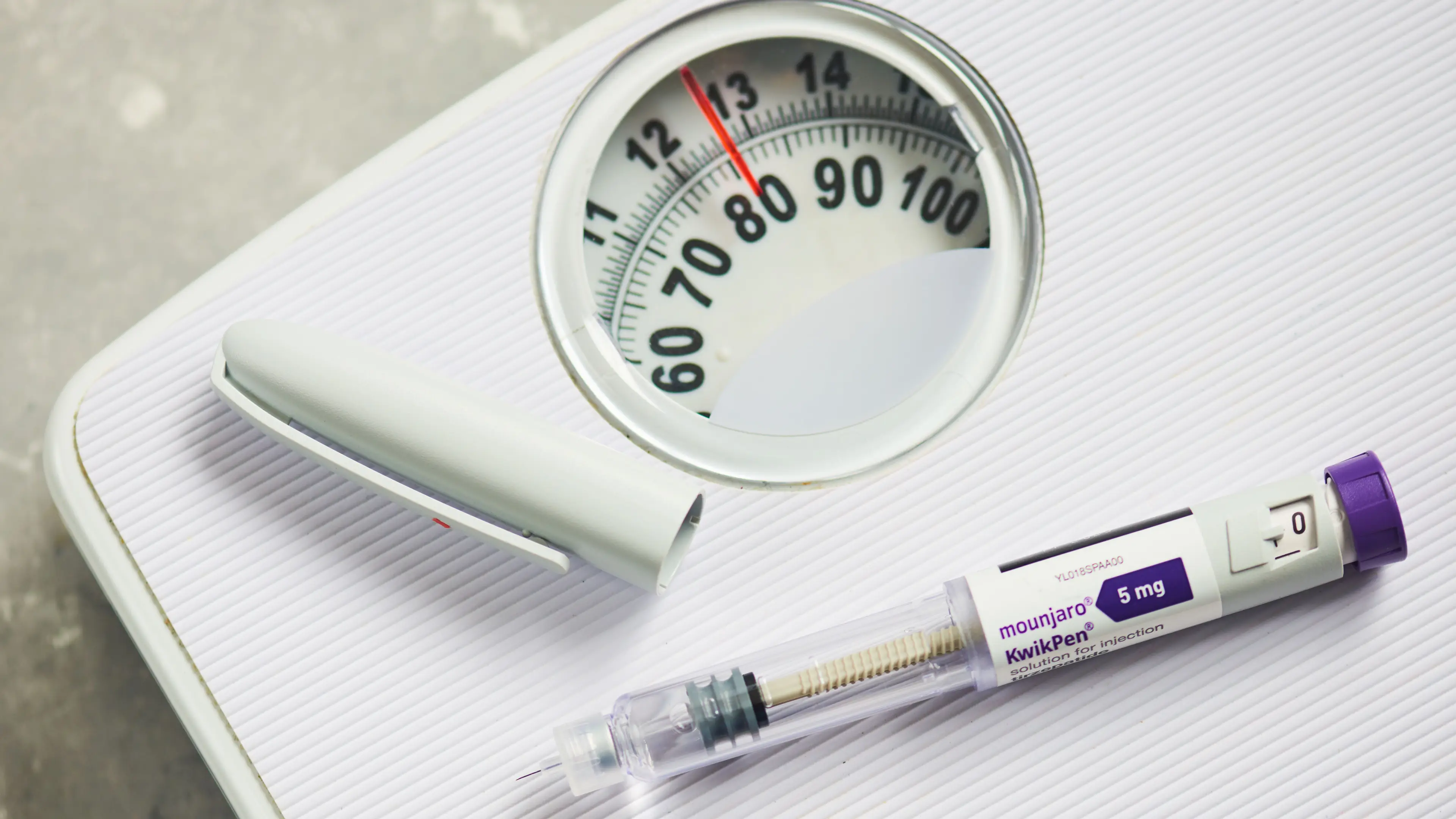
Weight loss drug users at risk of getting rare ‘pirate disease’

People taking GLP-1 weight loss drugs could be at risk of an ages-old disease, a new study has warned.
New research has highlighted an unexpected potential health impact of weight loss drugs such as Mounjaro and Wegovy, as well as Ozempic, which is used to treat type 2 diabetes.
The Newcastle School of Health Sciences in New South Wales, Australia, conducted research along with the Hunter Medical Research Institute and the University of Newcastle on the long-term effects of GLP-1 drugs.
As reported by The New York Post, a new systematic review of existing research found that very few worldwide trials of GLP-1s have accounted for exactly what patients are eating and how much while using them.
Advert
The experts found that this means many users have actually been functionally malnourished, and have sometimes even developed serious vitamin deficiencies, such as scurvy.
Yes, you read that right - scurvy. For those unfamiliar with the centuries-old disease, although it's now extremely rare, it has proved fatal for sailors and pirates throughout history.
To explain, their long voyages at sea meant they would run out of fresh fruits and vegetables, leading to severe vitamin C deficiency and scurvy.
As per the NHS, scurvy happens when you don't have enough vitamin C in your diet over a long period of time, for example: no fresh fruits or vegetables, eating very little food at all, smoking, as smoking reduces how much vitamin C your body gets from food, having a long-term dependency on drugs or alcohol that affects your diet or having a poor diet while pregnant or breastfeeding, because the body needs more vitamin C at these times.
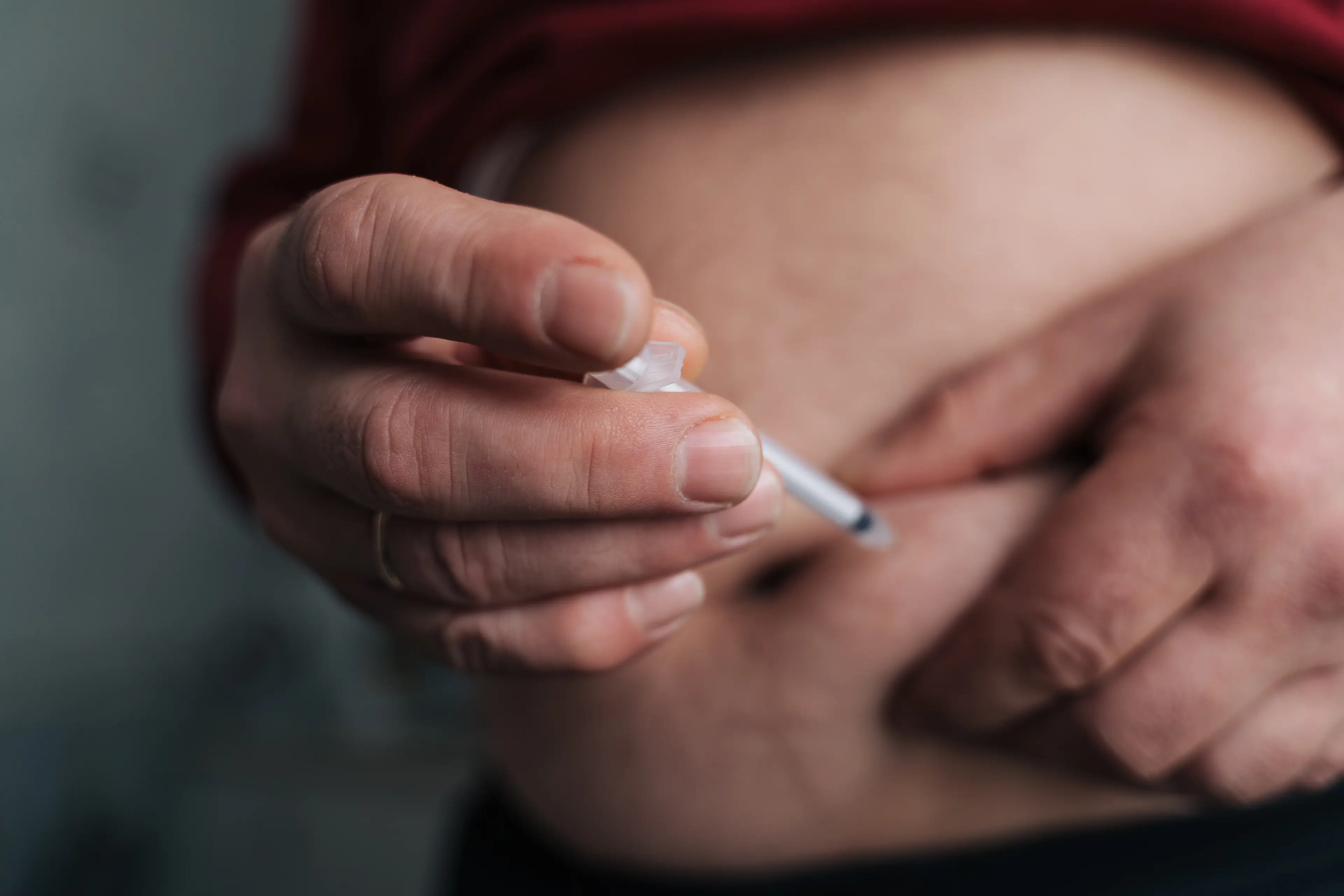
The warning is coming as GLP-1 drugs work by suppressing your appetite, so issues come in when people are simply not eating or not eating enough of the right foods.
Clare Collins, who led the new study, told the Australian Financial Review: "A reduction in body weight does not automatically mean the person is well-nourished or healthy. Nutrition plays a critical role in health and right now it’s largely missing from the evidence."
She explained that she's heard of several scurvy cases and warned: "Let’s not wait for every GP to see a case of scurvy, let’s get on the front foot and link these GP chronic management plans to a dietitian referral."
One high-profile case of scurvy that occurred last year was British singer Robbie Williams, who claimed he got the diagnosis after he stopped eating while taking an appetite-suppressant drug.

He said at the time: "I'd stopped eating and I wasn't getting nutrients,", explaining that this meant he was undernourished and lacking in vitamin C, leading to scurvy which he called: "A 17th-century pirate disease."
Williams told The Mirror: "With body dysmorphia, when people say they’re worried about how you’re looking, you’re like: ‘I’ve achieved it.’ When people say: ‘we’re worried you’re too thin’ that goes into my head as ‘jackpot. I’ve reached the promised land."
As reported by Straight Arrow News, Collins added: "When people are eating less, the quality of what they eat matters even more. If someone loses weight but their diet lacks adequate protein, fibre, vitamins or minerals, that has major concerns for their long-term muscle mass, bone health, brain health, gut health, as well as skin integrity and overall wellbeing.”
She said: "If we only measure weight and blood sugar, we’re missing a big part of the picture. Diet quality, food patterns and nutrient intake all contribute to health. They should be measured with the same rigour as other clinical outcomes."
What are the symptoms of scurvy?
- Feeling very tired and weak all the time
- Feeling irritable and sad all the time
- Joint, muscle or leg pain
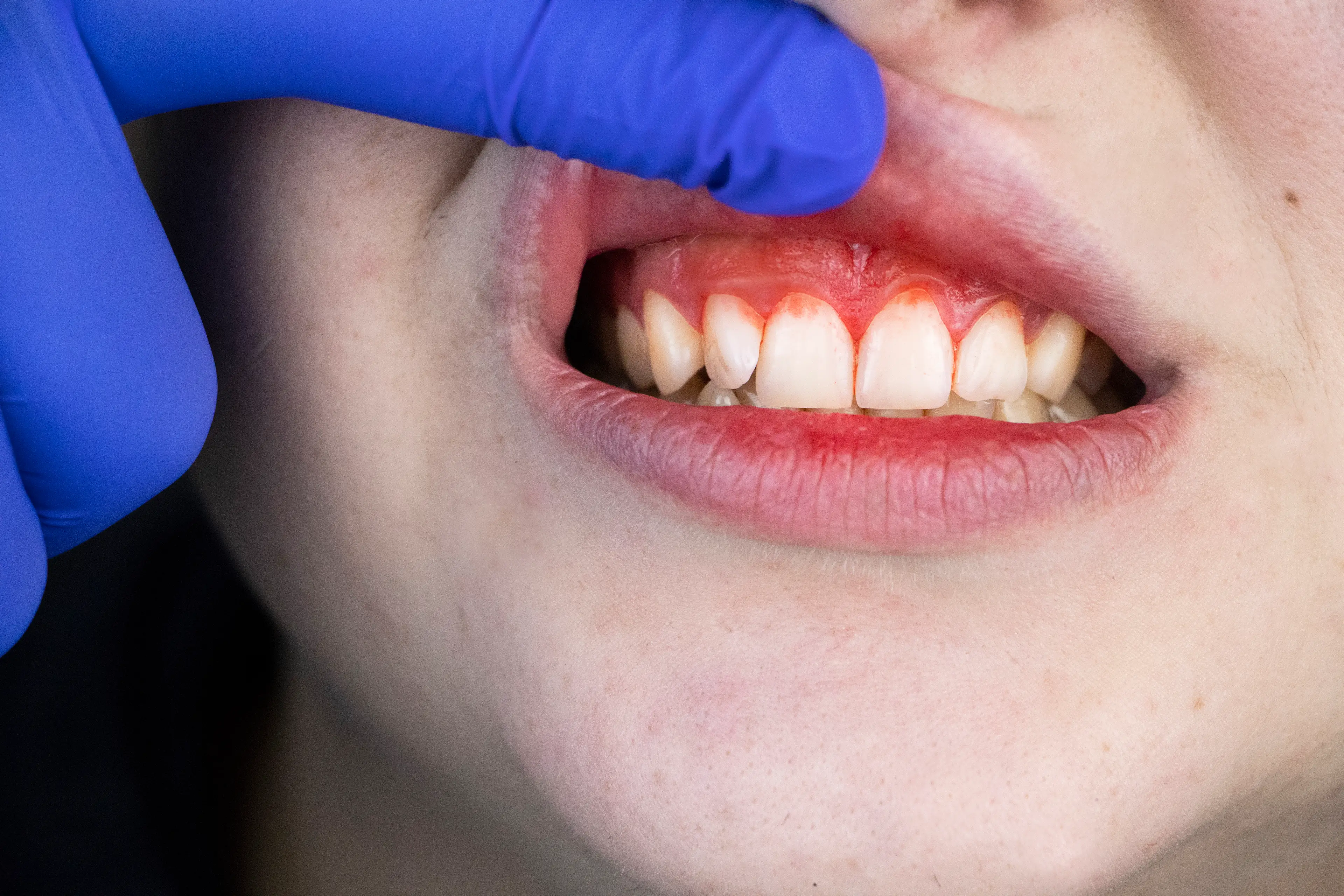
- Swollen, bleeding gums (sometimes teeth can fall out)
- Developing red or blue spots on the skin, usually on the legs and feet, although this may be less noticeable on brown or black skin
- Skin that bruises easily
A representative for Novo Nordisk, which makes Ozempic and Wegovy, said: "Patient safety is of the utmost importance to Novo Nordisk, and we recommend patients take these medications for their approved indications and under the supervision of a healthcare professional.
"We continuously collect safety data on our marketed GLP-1 receptor agonists medicines and work closely with the authorities to ensure patient safety. As part of this work, we continue to monitor reports of adverse drug reactions through routine pharmacovigilance."
"We recommend that any patient experiencing side effects while taking GLP-1 RA medicines, including Wegovy®▼and Ozempic® (semaglutide injection), report them to their healthcare provider and via the MHRA Yellow Card scheme: https://yellowcard.mhra.gov.uk/."
A spokesperson for Eli Lilly said: "Mounjaro (tirzepatide) is authorised in the UK for weight management, including weight loss and weight maintenance, as an adjunct to a reduced-calorie diet and increased physical activity in adults with obesity or in adults who are overweight with at least one weight-related comorbidity. It is important for those prescribed Mounjaro to follow the advice on diet and exercise given to them by their healthcare professional."
Topics: Ozempic, Wegovy, Health, Robbie Williams, News, Australia, World News
 Madison Burgess