Why women are banned from competing in one Winter Olympics sport

Women are still banned from competing in one Winter Olympics sport, and US athlete Annika Malacinski has shared her thoughts on the matter.
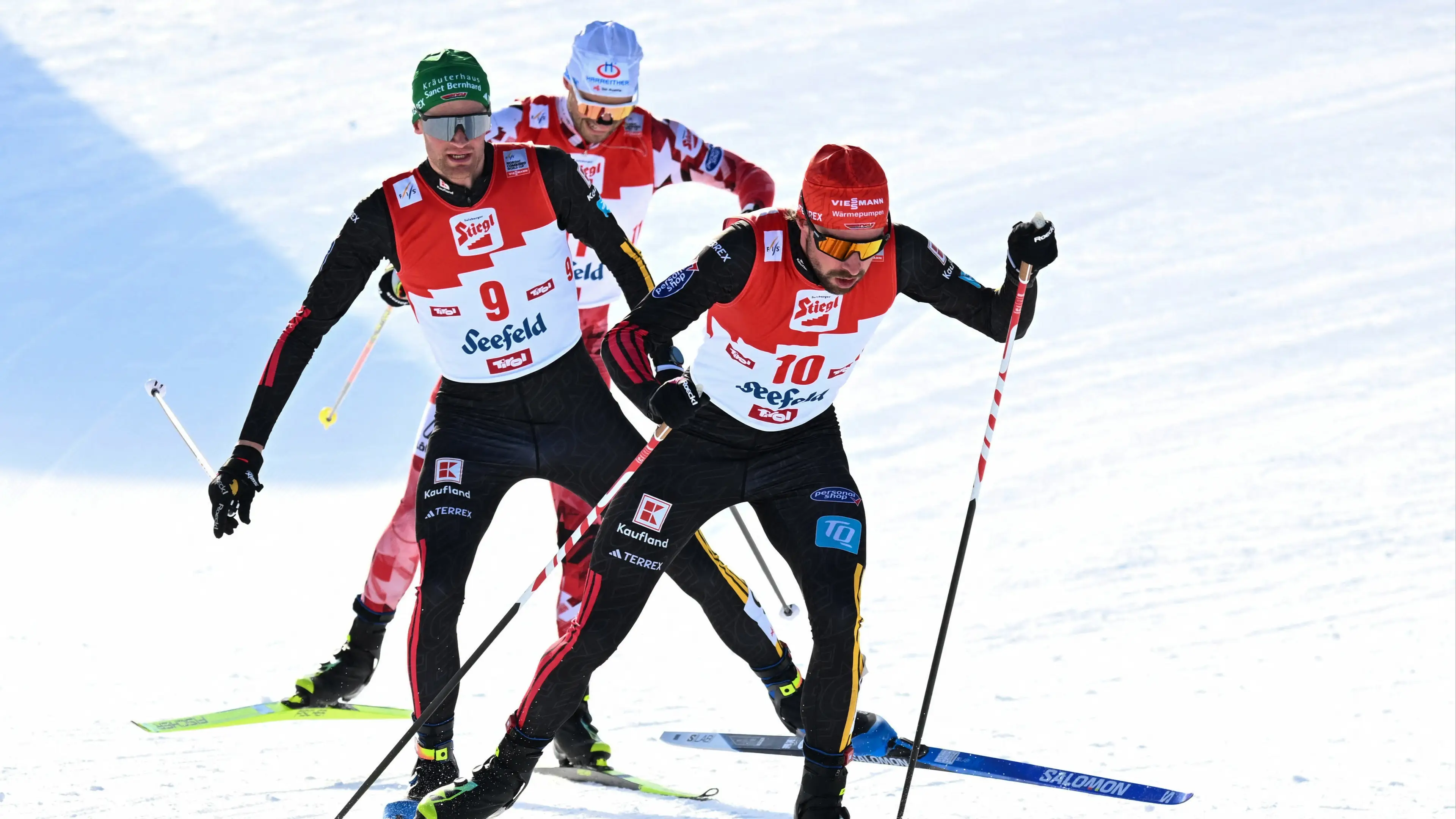
Now, Nordic combined is a sport that blends ski jumping with cross-country skiing, with results from both deciding the gold medallist, and it is considered one of the toughest events on the Winter Olympic programme.
The sport combines ski jumping and cross-country skiing into one competition. Athletes start with ski jumping, where they earn points for distance and form. Those points are then used to determine staggered start times for the cross-country race, with the first skier to cross the finish line being declared the winner.
At Milano Cortina 2026, which is showcasing the highest level of female participation in Winter Games history at 47 per cent, Nordic combined remains the only Winter Olympic sport without a women’s event.
Advert
Women have their own World Championships and World Cup circuit in Nordic combined, but the discipline remains excluded from the Olympic programme.
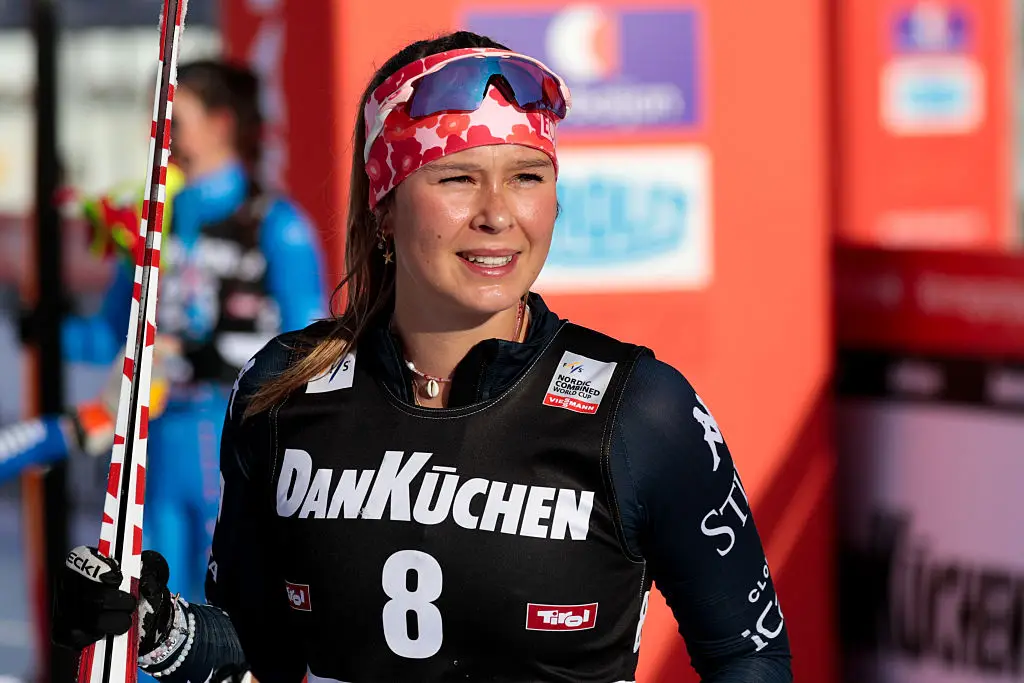
"As the 2026 Winter Games begin, Nordic combined will remain the only Olympic ski discipline where men compete, but women are still excluded," 24-year-old Malacinski wrote for Self. "The question has never been whether we’re capable of performing in the sport. It is whether we’re allowed to jump from the same hill and stand on the same stage as men."
Because of the ban, Malacinski has been forced to stand on the sidelines supporting her brother as he competes in his first Olympics.
"I am so proud of him. His joy is real, and I want to be part of it. But so is the sadness I feel sneaking in behind it. We train in the same sport. Jump the same jumps. Ski the same courses. Make the same sacrifices. Our lives look almost identical, except only one of those paths leads to the Olympic start line," she added.
"Visibility matters. Attention matters. Viewership matters. The more people who watch Nordic combined, talk about it, and support the competing athletes, the harder it becomes to say women don’t belong there, too. Overall growth in the sport helps build the case for women’s participation."
Taking to Instagram to share a video statement, Malacinski shared: "[I’m] so proud of my brother. So proud of his Olympic dream. And still grieving the one I’m not allowed to chase."
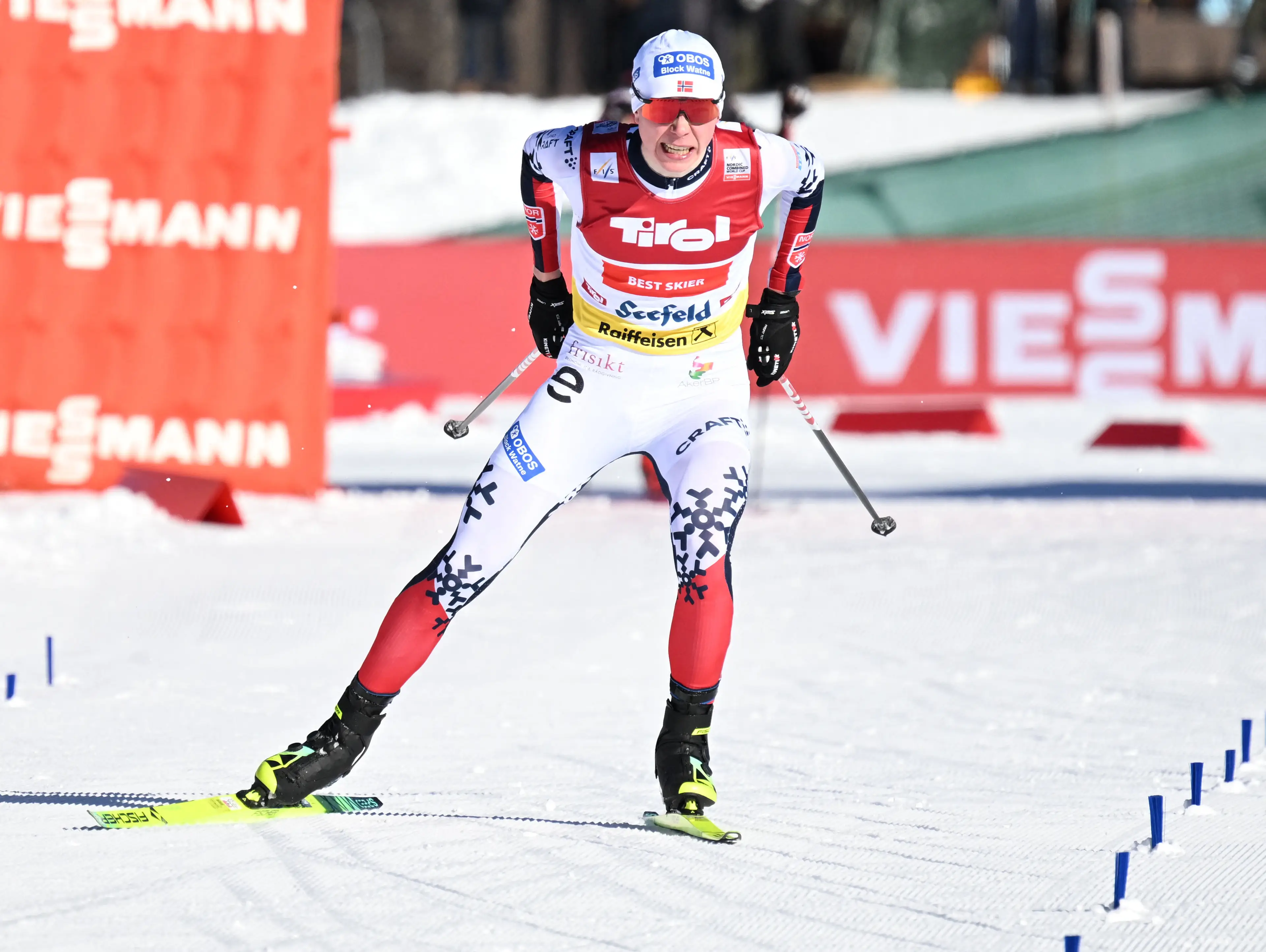
While there had been hopes that women would be included at this year’s Games, the International Olympic Committee confirmed in 2022 that women’s Nordic combined would not be added to the Olympic programme, citing a lack of universality. It also warned that the men’s event faces its own uncertainties due to low interest.
The IOC said in a statement to PEOPLE that 'the discipline will undergo a full evaluation following the Olympic Winter Games Milano Cortina 2026', adding: "Following this evaluation, the IOC will take a decision on the inclusion of Nordic Combined for men and women in the programme of the Olympic Winter Games French Alps 2030.
"As women have not yet been part of the Olympic Nordic Combined programme, and as the men’s events have been under review, the decision was taken to retain the men’s competitions for one additional edition and to conduct a data-driven assessment after Milano Cortina 2026."
The stakes are high, according to Malacinski.
"We are now in a position where the whole sport is at risk," she said in an interview with Reuters. "If you cannot offer men and women equal opportunities, you also risk losing your place in the Games entirely."
"If Nordic combined does not make it to the (2030 French Alps) Olympics, then most likely every single country will cut the funding," she added.
One social media user urged: "If you open it, the popularity and participation will increase. As simple as that."
"How can they say there's no audience when they haven't tried to attract one?" slammed another. "The Olympics is one of the most widely viewed sporting events. Including the women's Nordic in it will likely be the thing to create the audience!"
And a final critic added: "Not enough interest for the male version doesn't mean that the female version wouldn't be a success. And if the sport doesn't have enough participants with a male-only version, adding female version would be better.
"Or just scrap it from the Olympics altogether."
Topics: Olympics, Sport, Explained, News, World News
 Rhiannon Ingle