Four 'contaminated' wet wipes to avoid after death linked to fatal bacteria outbreak

After a recent death in the UK was linked to alcohol-free cleansing wipes, questions have been raised regarding which brands are best avoided.
Testing has found a strain of bacteria in UK wet wipes, which is concerning since they're often used to clean wounds.
Symptoms can include redness, swelling, pain, pus and warmth around the infected injury, which in the most serious cases can lead to sepsis, which can be fatal.
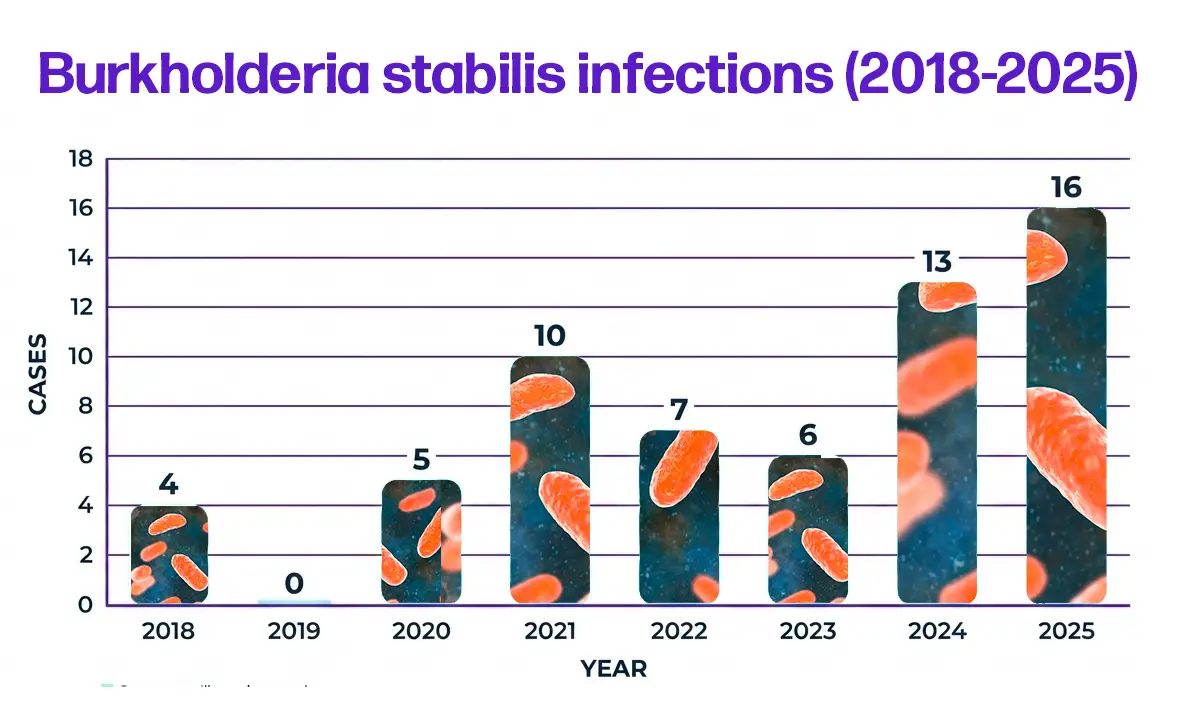
Since June 2018, there have been 59 confirmed cases of Burkholderia stabilis in the UK. Five patients with confirmed cases died, along with one probable case, according to a study published in Eurosurveillance.
Advert
The ages of these patients varied from less than a year old to 93. A concerning 15 were under the age of 19.
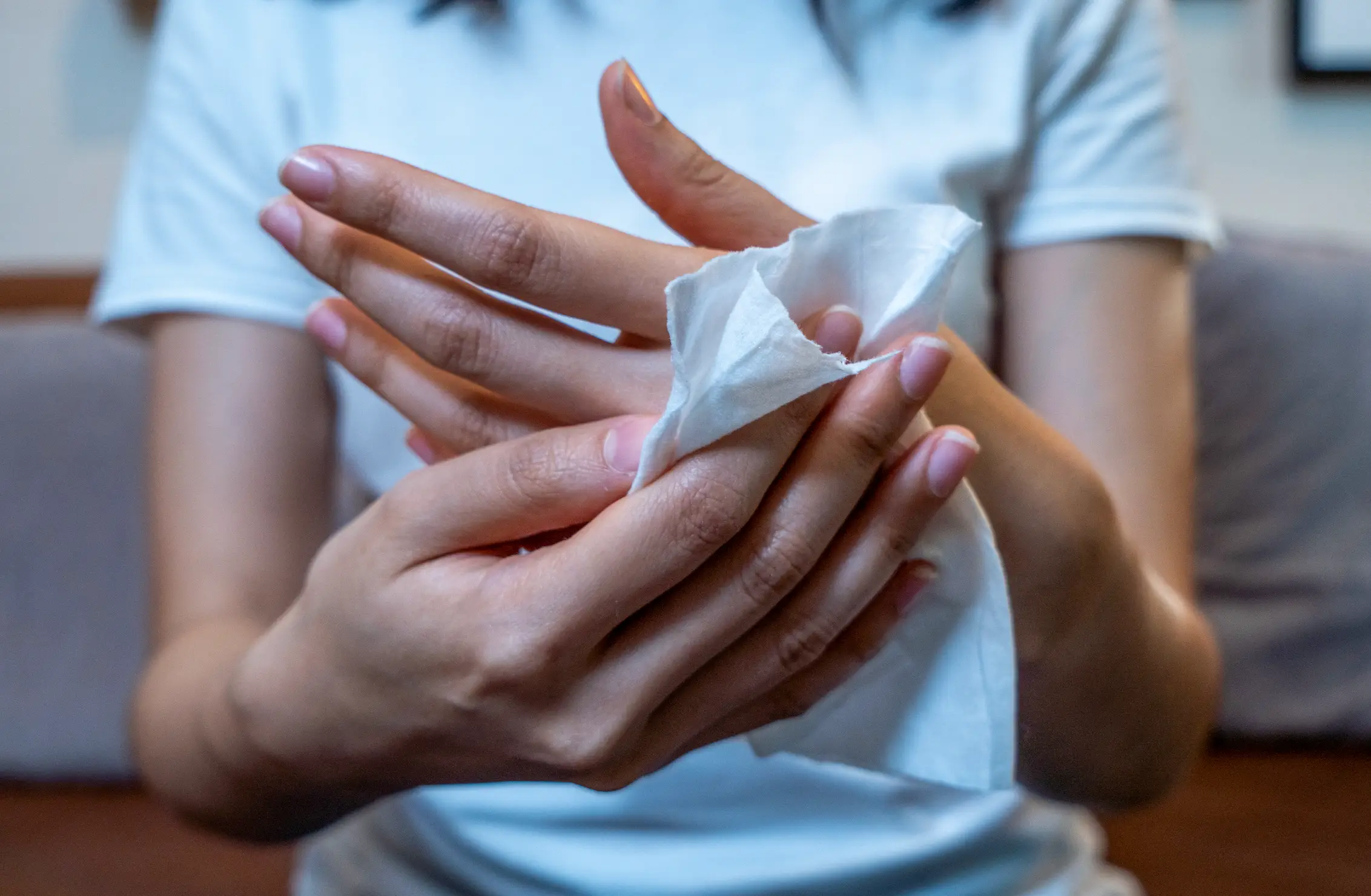
Burkholderia are bacteria found naturally within the environment, including in the earth's soil and water. Infections occur when this bacteria enters the body through broken or damaged skin, which sterile alcohol-free wipes are traditionally used to clean.
Whilst rare, in circumstances involving vulnerable individuals, a run-in with these germs could prove deadly. Such is especially the case in patients suffering from weakened immune systems, those undergoing chemotherapy, organ transplant recipients and people with cystic fibrosis.
In a press release shared last month, the UK Health Security Agency (UKHSA) confirmed all 59 Burkholderia stabilis cases were associated with the use of non-sterile alcohol-free wipe products.
It said the following brands 'were found to be contaminated with the strain of Burkholderia stabilis causing the current outbreak':
- ValueAid Alcohol Free Cleansing Wipes
- Microsafe Moist Wipe Alcohol Free
- Steroplast Sterowipe Alcohol Free Cleansing Wipes
- Reliwipe Alcohol Free Cleansing Wipes
The agency said one patient had died after being unable to fight off their infection.
"These products, which may have been used for 'skin cleansing' and cleaning in or around wounds, have been withdrawn from sale, but may still be found in some first aid kits and in people’s homes," the press release continued.
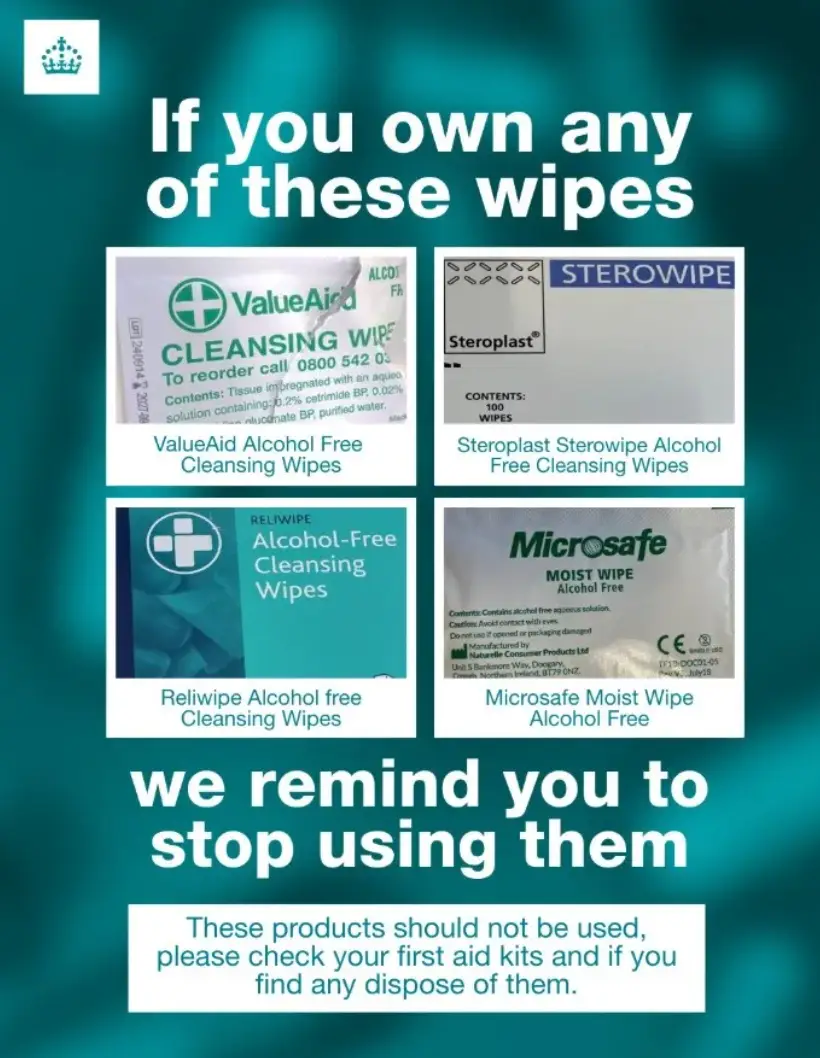
Despite being removed from shop shelves, doctors are concerned that four brands in particular might be hidden within someone's at-home first aid kit.
It's important to note, however, that testing of the Reliwipe Alcohol Free Cleansing Wipes revealed that contamination with a Burkholderia strain was not related to the outbreak cases.
UKHSA officials warned: "If you have any of these products, stop using them immediately and dispose of them in standard household waste.
"It is important to only use wipes marked as ‘sterile’ on broken skin such as wounds, scratches, or where you can see blood - this reduces the chances of germs getting into the body and causing infections."
If you're worried about the appearance of a wound, if it fails to heal after some time, or if symptoms mirror those of sepsis, doctors urge patients to contact 111 immediately.
 Rhianna Benson